Art you should know: Tomie dePaola’s new book ‘Quiet’

Every year, around this time, more than two decades ago, the first-graders of St. Mary’s Elementary School would gather into the first floor lobby of their brick school building, which was dwarfed, like a first-grader to a sixth-grader, by the soaring, heaven-scraping church in front, and sit their bony little bottoms on carpet worn down from more than four decades of Mary Janes, saddle shoes, Reeboks, and now Nikes.

They were, around this time, used to gathering in such a way, as there was an Advent something or another happening in these makeshift assemblies once a week every December, when the whole school of bony little bottoms would swim out from their individual classrooms and sit together on that same worn carpet and sing and read and light a candle in anticipation of Santa Jesus coming to town. Purple. Purple. Pink. Purple.

But this first-grader thing was just for the first-graders, which seemed very special. Both classes would sit down to listen to Mrs. Sinnot tell a story, whether she was your first-grade teacher or not, which also seemed very special; any shift in the natural school day order created a little baby-sized buzz of excitement.

Now, this Mrs. Sinnot (pronounced sin-ut, but it’s, indeed, very ironic to think of a Catholic school teacher named SIN-NOT… maybe I’m remembering the spelling incorrectly or maybe this is just another little universe miracle we can all thank baby Santa-Jesus for later), this Mrs. Sinnot was just wonderful, as so many first-grade teachers are. Her salt and pepper hair was cropped to the exact dimensions popular with fairies around that time, and she was about the size of the half-pint chocolate milk cartons I’d cup like gold coins in my palm each day in the cafeteria lunch line.

We were gathered here, like the first-graders before us and the first-graders yet to come, to listen to Mrs. Sinnot read aloud her favorite book: “Strega Nona” by Tomie dePaola.

Published in 1975, “Strega Nona” is about an old woman in Southern Italy who is a witch doctor (!) (which is rad but, mind you, she’s never called as much in this Catholic school setting) and she travels the countryside helping cure villagers’ maladies, like warts, because this is a kid’s book and the bubonic plague is some heavy shit.

She also makes pasta. A lot, lot, lot of pasta. Because… her pot is magic! And this magic pot can make as much pasta as Strega Nona ever wants, as long as she blows three kisses <kiss, kiss, kiss> into the pot after singing her magic, pasta-producing spell. (Today this spell is called Grubhub.)

All is well in Strega Nona’s softly lit world, where the colors are creamy and the edges are not sharp, until one day, a man named Big Anthony, her helper, overhears her spell but doesn’t see her do the three-kiss closer <kiss, kiss, kiss>. So, with good intentions but not enough information, Big Anthony makes a magic pot of pasta… but doesn’t know how to turn it off. So pasta grows and goes and grows and goes until it threatens to drown out the whole village in its doughy doom!

When Strega Nona returns, feet sore from a hard day traipsing the hills to bring kindness and, I presume, lavender oils to the warty townspeople, she stops the spell and makes Big Anthony clean up the mess by handing him a fork. Mangia!

… I love this Strega Nona story so much, especially because it’s tied to such a happy memory—someone lovely reading aloud, in a mysteriously exciting school-day kind of way. But even so, I completely forgot about Strega Nona and her magic and that there was ever a time when I was innocent enough to delight in nothing but the imagining of pasta taking over a whole town.

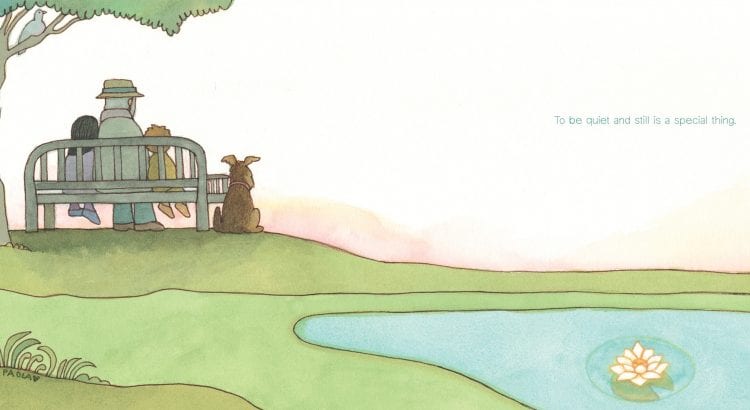
Then I saw a random headline somewhere about Tomie dePaola’s new book “Quiet,” and it wasn’t his name that alit me from within, but that unmistakable illustrative style. I saw the gentle outline of his characters, the thoughtful pastel colors from his worlds, and like the snap-pop of a lighter, my mind shot out “STREGA NONA” from the murky depths, and off I went chasing the clickbait. Finding meaningful stuff in such as way is modern day magic, yes?

“Quiet,” like Strega Nona, is also magical, with illustrations like a hug, but the magic is found in something we all have. No secret recipe here. No fated headline coming your way. Instead, the magic can be found in quiet. In stillness. In the <kiss, kiss, kiss> of shhhhh-ing that can stop, not pasta, but a brain from overflowing. 

“Your mind is so busy. You have to train it to quiet down.”
Tomie depaola

Read the book here or the Kirkus review here. Related: This  wonderful meditation on stillness, gifted to me recently from a new friend.

Slow down.

Listen.

Enjoy.

Mangia.

Kiss, kiss, kiss.

My list of books to read this month

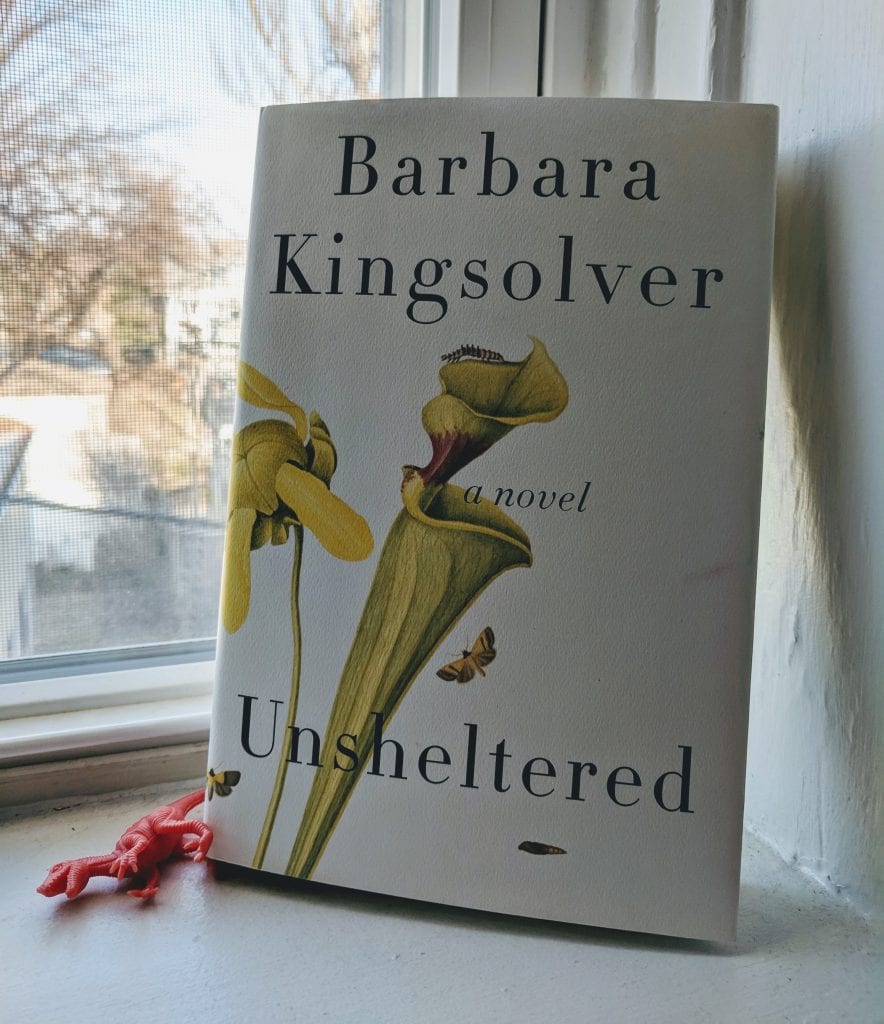
“Unsheltered”

By Barbara Kingsolver

I’ve already fallen in love with Barbara Kingsolver’s nonfiction writing thanks to her book of essays “Small Wonder,” so I’m excited to dig into her fiction and see if it has the same effect. I admire her ability to give the smallest observation its rightful place in the bigger picture she’s painting–like finding a puzzle piece under the coffee table and using it to complete the whole damn thing.

“Unsheltered” is her new novel about two families in two different centuries living in the same house. One of those families is a modern-day grouping of debt-saddled Baby Boomer parents, disillusioned Millennial daughter, and disabled Greatest Generation grandfather. The other family includes a curious science teacher threatened after discussing the exciting new work of Charles Darwin in class.

“With history as their tantalizing canvas,” reads the book description, “these characters paint a startlingly relevant portrait of life in precarious times when the foundations of the past have failed to prepare us for the future.”
Art imitating life circa 2018, non?

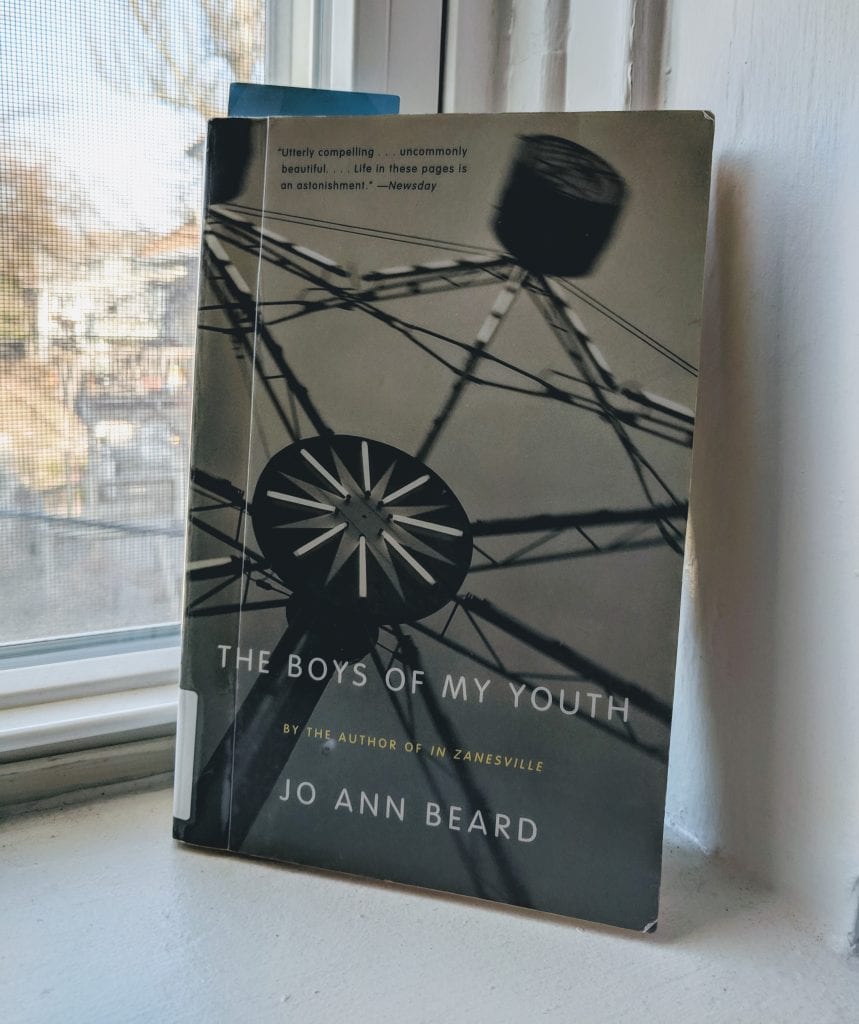
“The Boys of My Youth”

By Jo Ann Beard

“OMG. Have you heard of this book?!” 

^ I have been heard asking this throughout my social circles for the past three weeks since uncovering this book of essays, published in 1999, from the lost-in-circulation library heap. Actually, now that I think about it, “The Boys of My Youth” hit my radar courtesy a piece in the latest issue of Creative Nonfiction magazine, in which a contributor praises Jo Ann Beard’s book as something every student-writer must read.

Wowee, what a gift. Beard is brilliant. Her voice is so effortlessly funny (her three-word sentences are witty weapons a post-dial-up humorist would haul 30 in for). But what I love most is how Beard writes memoir in-scene, with remarkable grace. It’s as if she enters another plane, able to look back and from above, to hand down her stories, reported with life-affirming, knot-spotting details she missed the first time around. 

I’d recommend this to everyone who loves to read, student-writer or not. I’ll be asking S. Claus for my very own copy this Christmas, too.

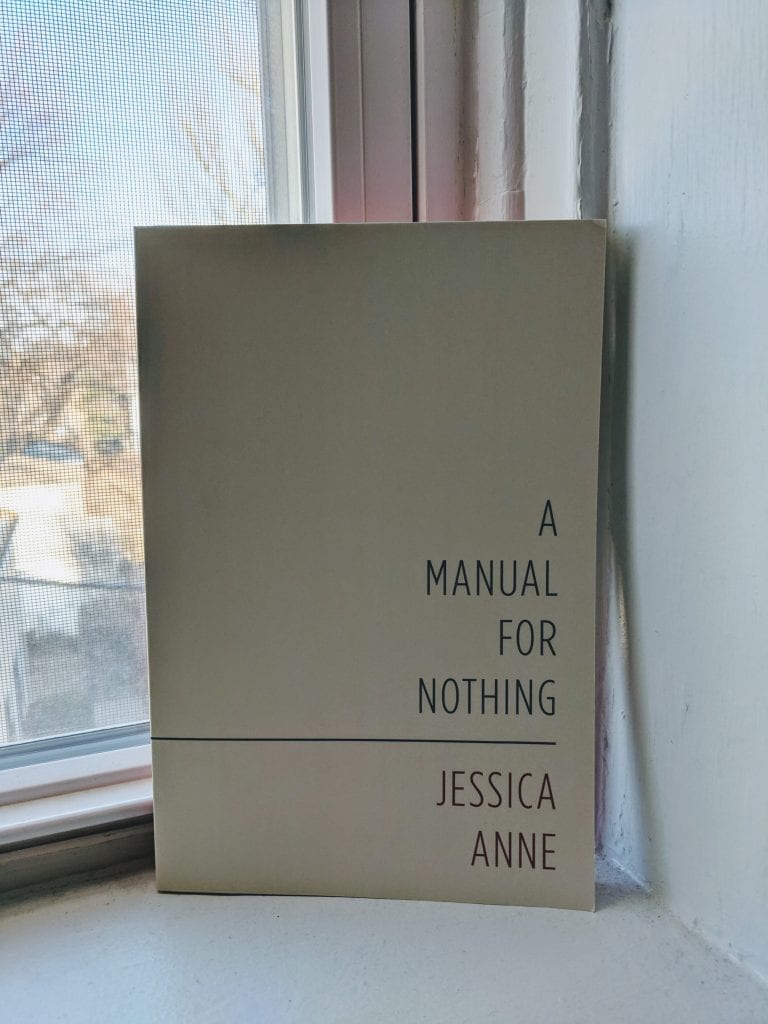
“A Manual For Nothing”

By Jessica Anne

This book is a künstlerroman, which is German for artist-novel, which is American for: Anything goes, motha fucka!

That appeals to me, you know? As did the bookstore’s shelf-talker recommendation for it. I haven’t dug into it yet, but lists and poems and assimilations and some real-saucy-but-profound-shit await. A manual for nothing sounds like a manual for everything-I-need-right-now.


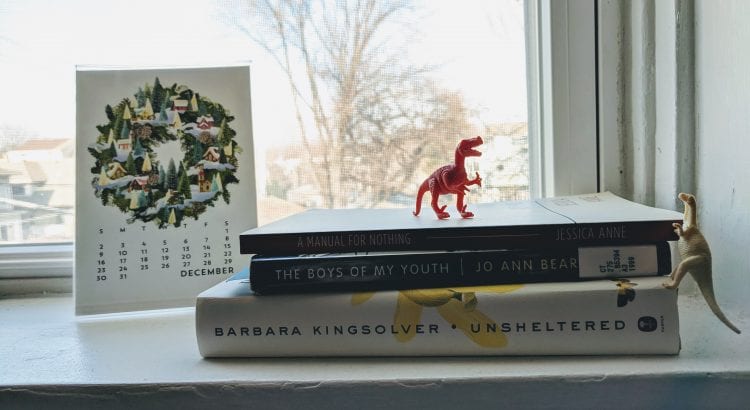
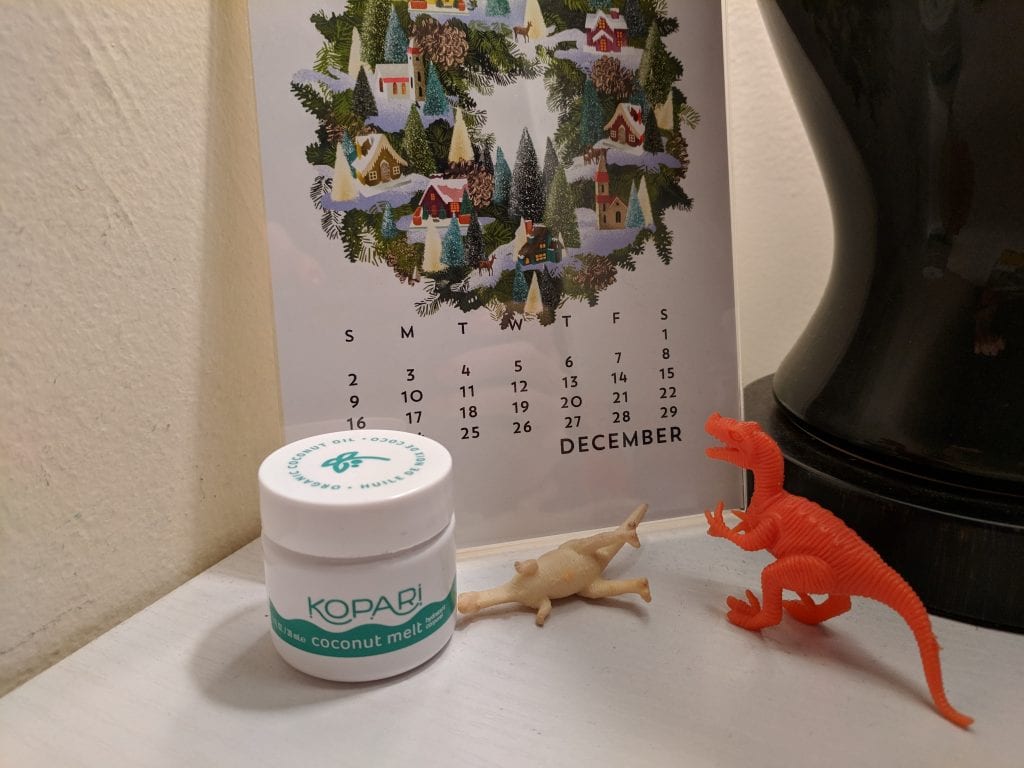
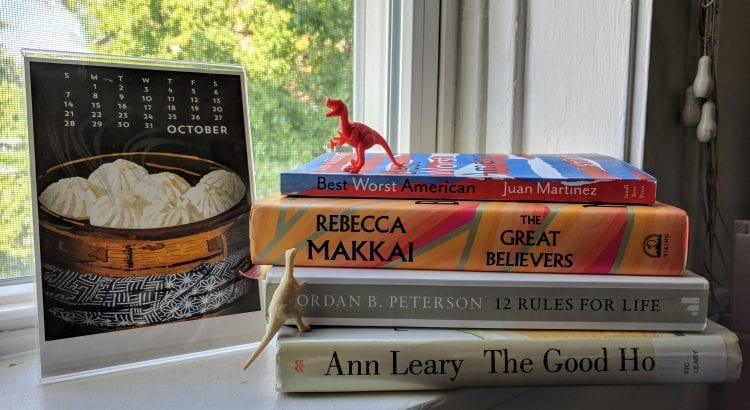
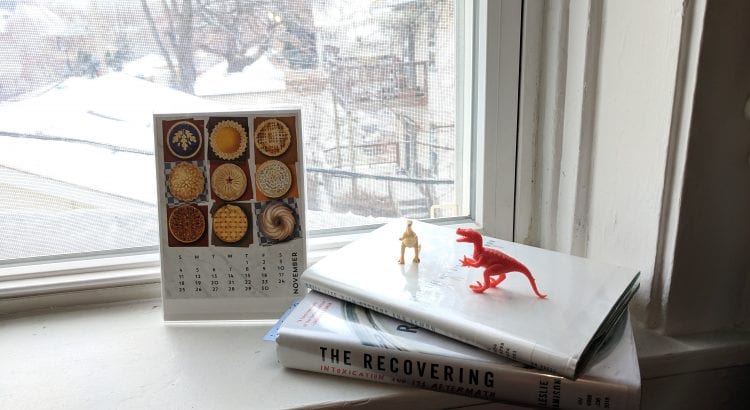
P.S. Readers have asked about the desk calendar I feature in this blog post series, and, as the new year approaches, now’s the perfect time to get your own! The monthly pieces are from Linnea Design and the 2019 series is just delightful  (that is, as far as I can tell from just glancing at mine… I try not to look at each month until it’s time to slide it into my clear plastic desk frame on the First of Whatever… THRILLING!… Look, I take my kicks however they come. You can use your calendar however you want.) The toy dinosaurs are gifts from my niece and nephew. Good luck finding those (such perfect nieces and nephews and also these exact dinos).

Twelve things I’m loving this month

“Bloodless” by Andrew Bird

His new album’s title song is about our bloodless, cold, uncivil culture war. Here’s something we can all agree on, though: That piano part is mmmmm.

Existential Comics dot com

Also: “No, Stalin was not good you guys.”

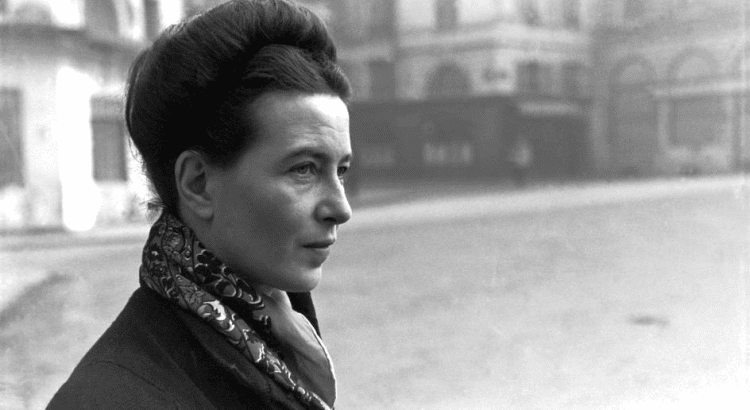
Particularly the Simone de Beauvior editions.

Tessa Thompson

I’ve been so into actress Tessa Thompson this year! And apparently I’m not the only one: The Cut just featured her in an article titled “Tessa Thompson Knows People Can’t Stop Thinking About Her.” It’s something about the way she talks, right? She’s trance-like and so very deep. And her style. I loved her in “Sorry to Bother You” and she uniquely delivers such a great depiction of a Millennial creative-careerist-mom-wife as Bianca in the “Creed” movies. I can’t wait to see her in her own starring role, though, not just in a role that’s there mostly to just be a girlfriend or wife.

Three podcast reccos

  1. Books of Your Life, hosted by Goodreads co-founder Elizabeth Khuri. She talks to famous people about the books that have deeply influenced their lives.
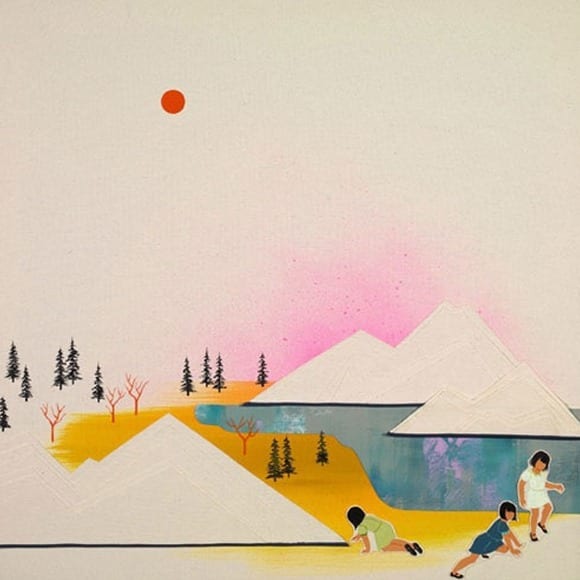
  2. Art for Your Ear, hosted by Jealous Curator founder Danielle Krysa. She talks to contemporary artists about their practice, inspirations, and more. Try this episode with Los Angeles-based painter Seonna Hong (that’s her work below).
  3. Unruffled Podcast hosted by Sondra Primeaux and Tammi Salas explores the connection between creativity and recovery through interviews with creators of all stripes. It’s so inspiring. I like that the guests offer their own favorite recovery/creativity tools.

Painting by Seonna Hung

Screen Prism’s “Mad Men” videos

Ahhhh! I LOVE this YouTube channel that features video analysis of film and TV shows and characters. Get ready to binge. They’re like taking a film history, movie 101, and screenplay writing class for free. Of course, the super smart “Mad Men” character examinations are my favorite, but poke around, watch, and have your own movie-like ah-ha moments. (Oh also! Film fans should follow the One Perfect Shot Twitter account. It posts perfectly DOP-ed movie shots. The freeze framing lets you meditate on why a scene is so visually powerful.)

Kopari Coconut Melt

I got this stuff as a free sample from Sephora and I’m so grateful. It’s saving my hands and face this winter, which always sucks the life out of my skin. It’s basically coconut oil cream that melts into your skin once you apply it. Guess I’ll be buying a giant tub of it once this tiny sample is gone.

The “Can You Ever Forgive Me?” soundtrack

In this new movie, Melissa McCarthy is brutally good as author Lee Israel, who is infamous for the forgery she committed of letters by legendary writers (and for her alcoholism, which they depict in the movie with such accuracy and objectivity… the scene where we find out how disgusting her apartment is reminded me of Augusten Burroughs’ apartment reveal in “Dry”; he only shows the reader how disgusting his apartment is once he gets home from rehab).

Gray, cold, and funny, the movie also has a soundtrack that’s lethargic and serene… like a rain cloud you’ve gotten used to and rather enjoy constantly hanging over your head. It’s got so many wonderfuls on it: the Pixies, Peggy Lee, Dinah Washington, Chet Baker, Justin Vivian Bond, and this gorgeous Jeri Southern song that I had never heard before I watched the movie, but that I now want playing whenever I need a rainy day reprieve.

xoxo this album cover and its title… “Coffee, Cigarettes, & Memories.”

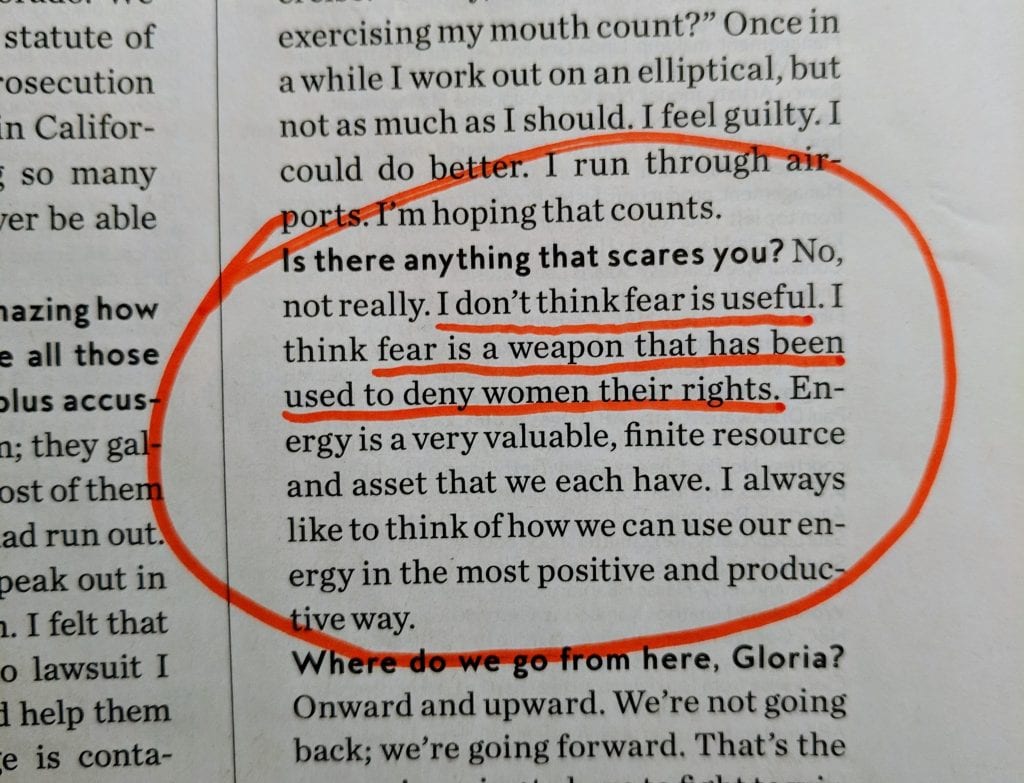
This quote from an InStyle interview with civil rights attorney Gloria Allred

“I don’t think fear is useful. I think fear is a weapon that has been used to deny women their rights.”

Read the full interview.

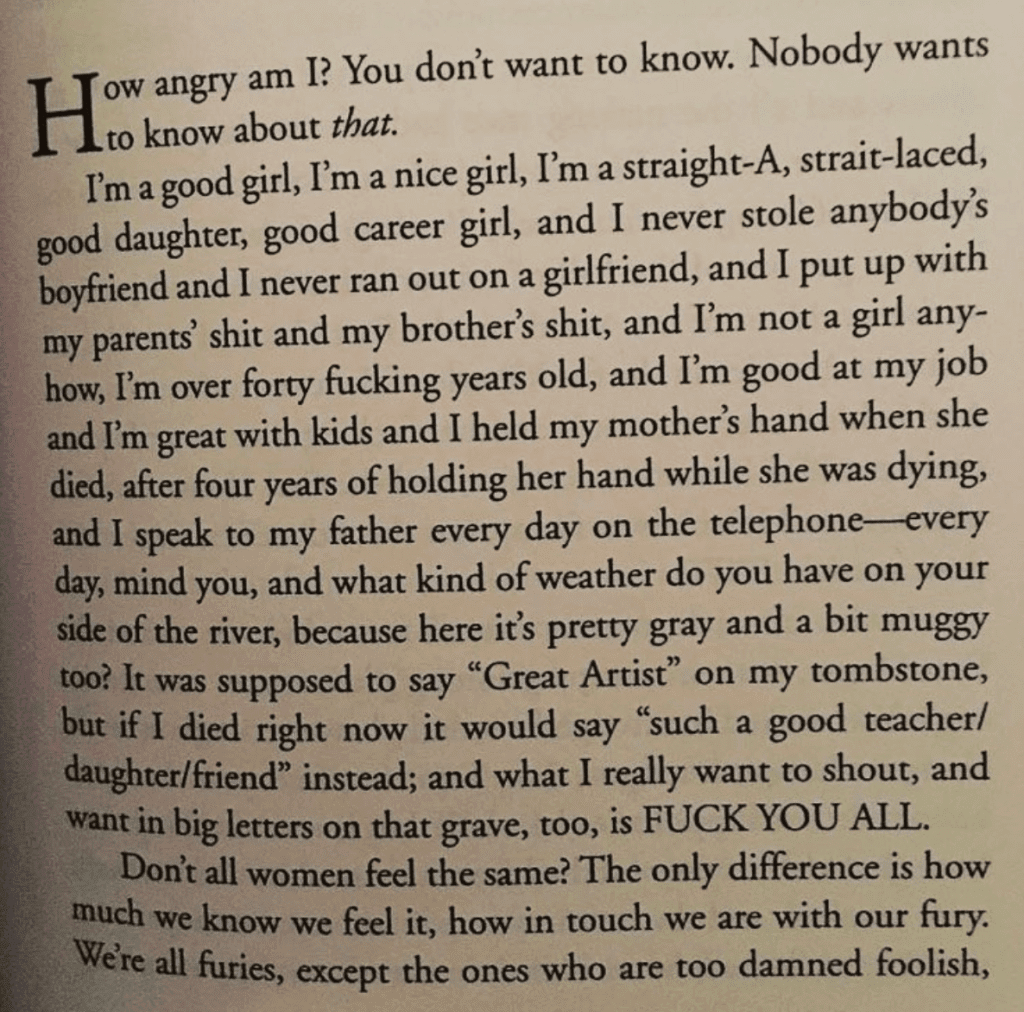
This passage from “The Woman Upstairs” by Claire Messud

“It was supposed to say ‘Great Artist’ on my tombstone, but if I died right now it would say ‘such a good teacher/daughter/friends instead; and what I really want to shout, and want in big letters on that grave, too, is FUCK YOU ALL. Don’t all women feel the same? The only difference is how much we know we feel it, how in touch we are with our fury. We’re all furies, except the ones who are too damned foolish.”

Get the book.

This month’s bro-tivational video!

“Self discipline is the definition of self love.”

See also: “You cannot win the war against the world, if you cannot win the war against your own mind.”

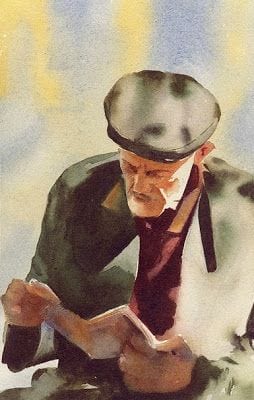
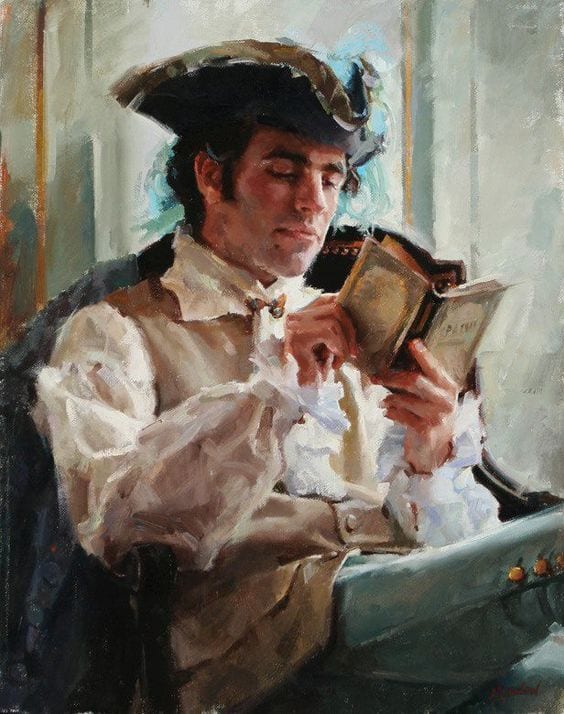
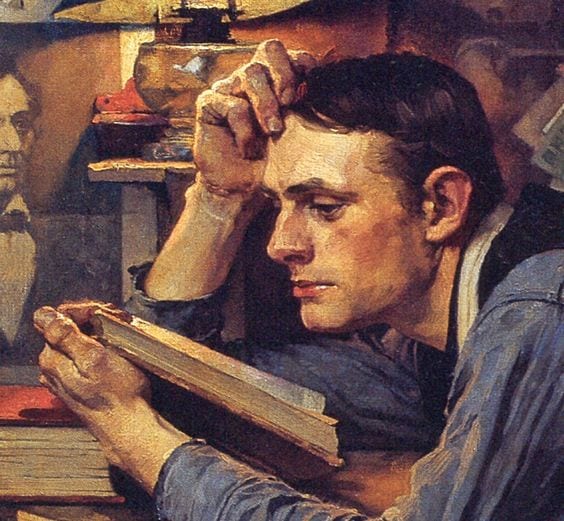
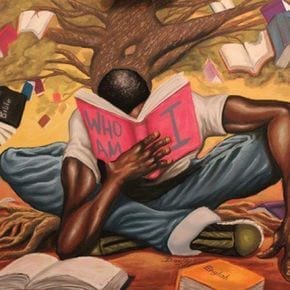
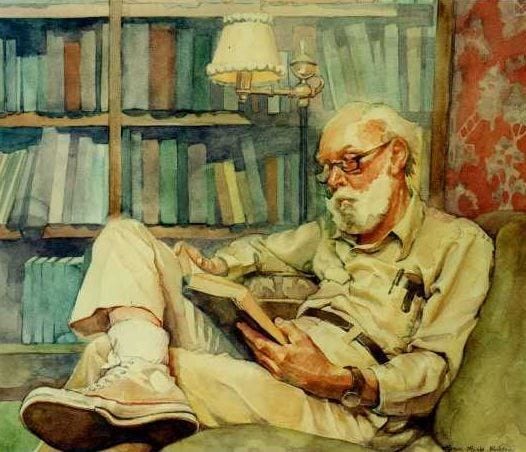
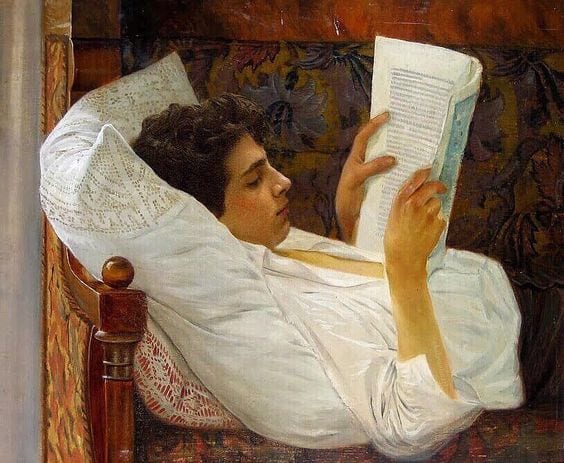
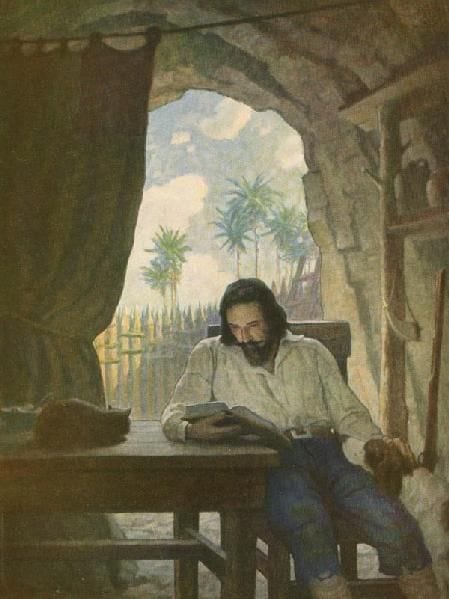
Roundup: Paintings of sexy men reading books

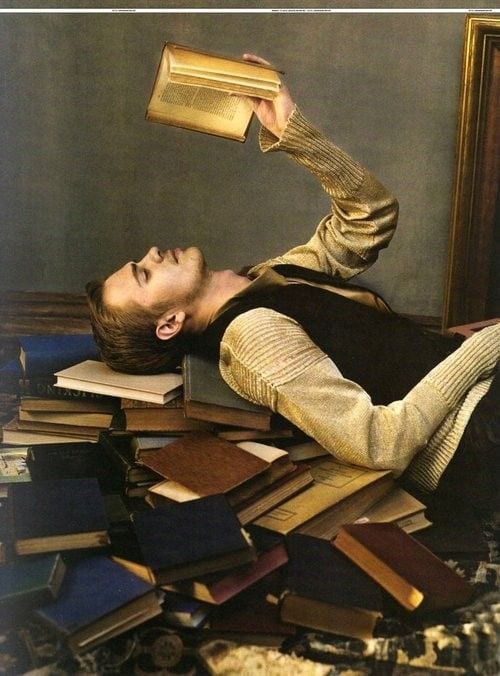
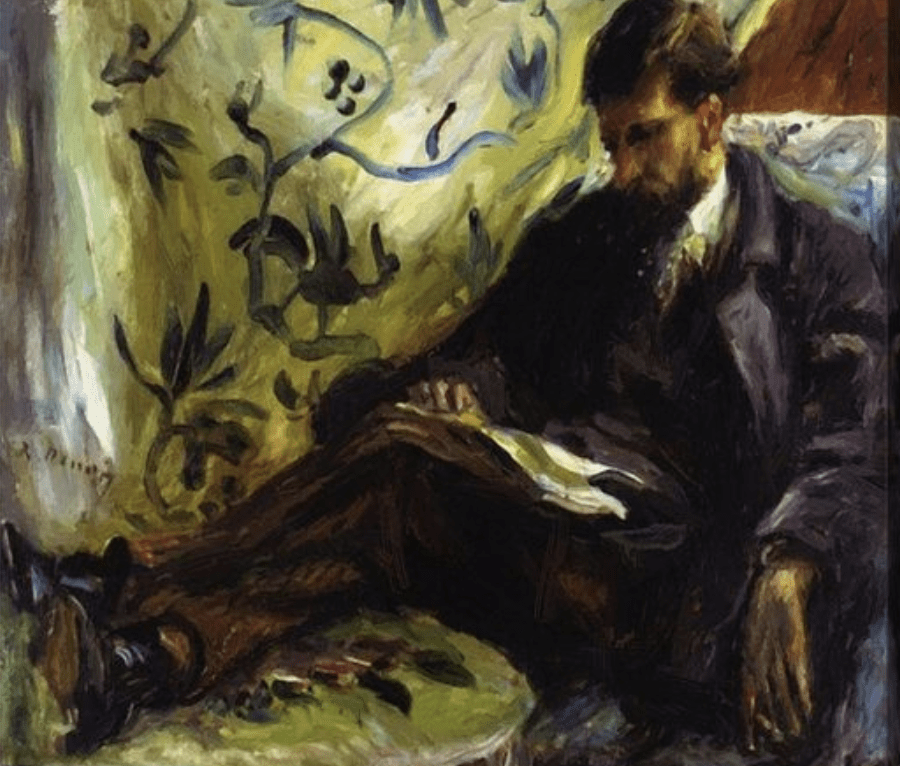
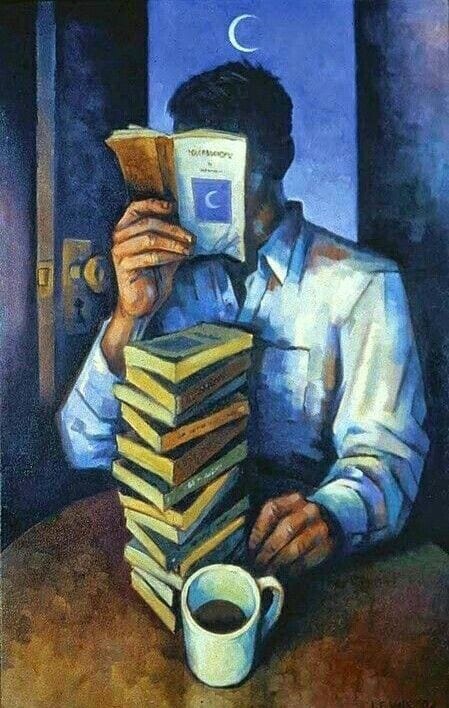
Following, an abridged look at paintings of sexy boys reading. You’re welcome.

Though perhaps he be toileting, pay no mind—because his mind is clearly no dump.

What’s that other beautiful hand of his doing? Must be a banned book.

Never judge a book by its cover or a man by his drapery.

A man with addictive reading tendencies (and just general addictive tendencies). We already have so much in common.

This sexy man reading is all cheekbones and stylish hat. He probably has a lot to say about revolutions.

When a colonial man is better than a renaissance man…

Probably still trying to get into “Lincoln in the Bardo.”

Hi, yes, can I check out this book from the library, as well as the beautiful face that’s behind it?

Hashtag reading relationship goals.

No chest hair? No problem. Just keep reading.

I’d let him read about crackers in bed.


If you like pina coladas, cats, and reading, come with me and escape.

My list of books to read this month

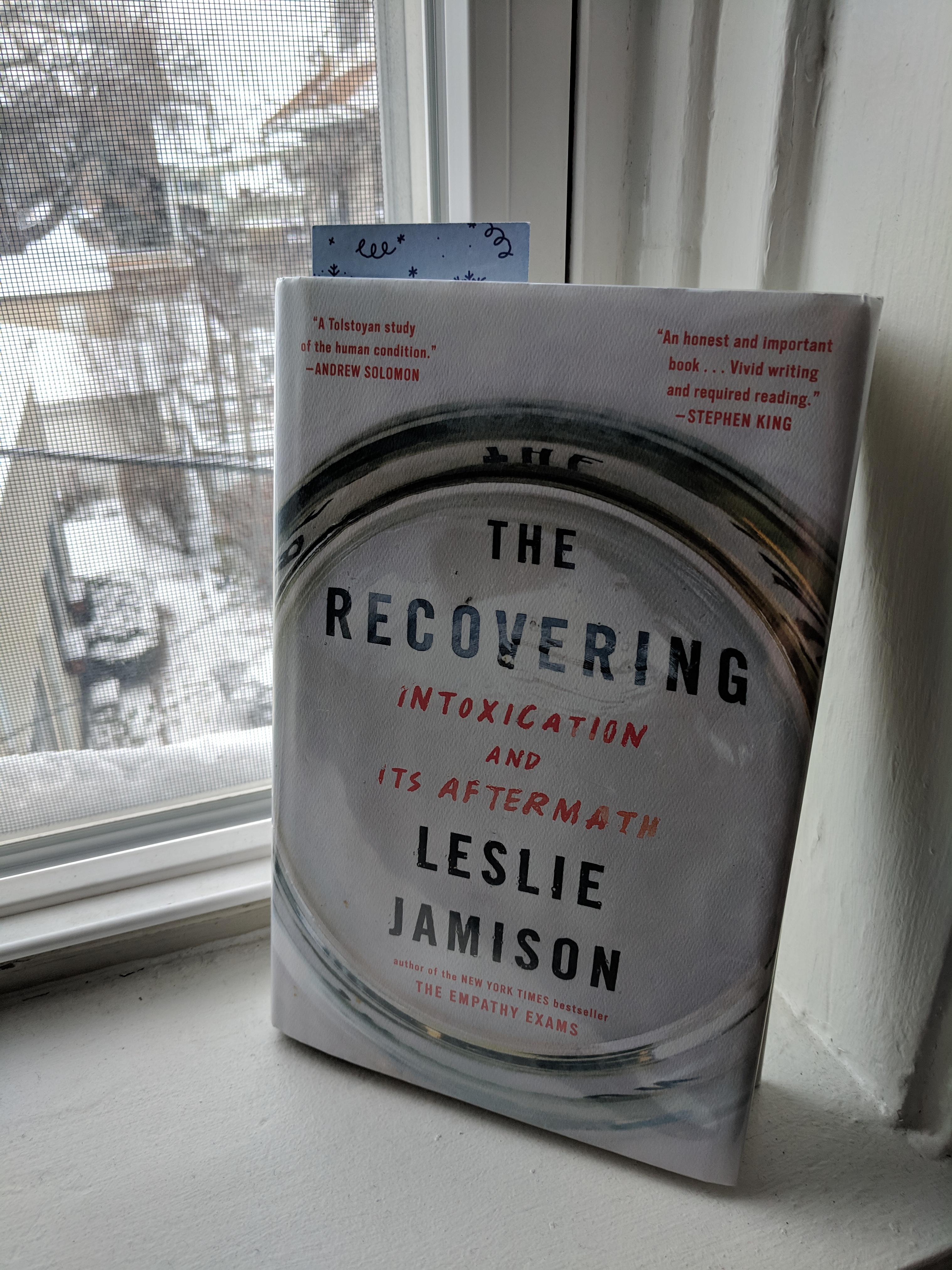
“The Recovering: Intoxication and Its Aftermath”

By Leslie Jamison

I think it’s fair to call Leslie Jamison’s recent book about her experience with alcoholism a tome. It’s really long and the wispy pages are as thin as the memory of cigarette smoke. The book tome mixes multiple genres, including memoir, literary criticism, journalism, and cultural critique, into a potent zero proof cocktail. The 14 sections are titled with one-word themes of stops on her addiction and recovery journey (Wonder, Abandon, Blame, Lack, Shame, Surrender, Thirst, Return, Confession, Humbling, Chorus, Salvage, Reckoning, Homecoming). Less like a 14-step guidebook and more like a cycle of grief with ambiguous and overlapping boundaries, “The Recovering” is a must for anyone whose life has been touched by addiction; in fact, that’s exactly who she dedicated the book to. I am especially loving her deconstruction of the myth of the connection between alcohol and the talented creative writer. One thing, she argues, does not beget the other, and we should maybe stop romanticizing a destructive narrative that lets alcoholics stay trapped.

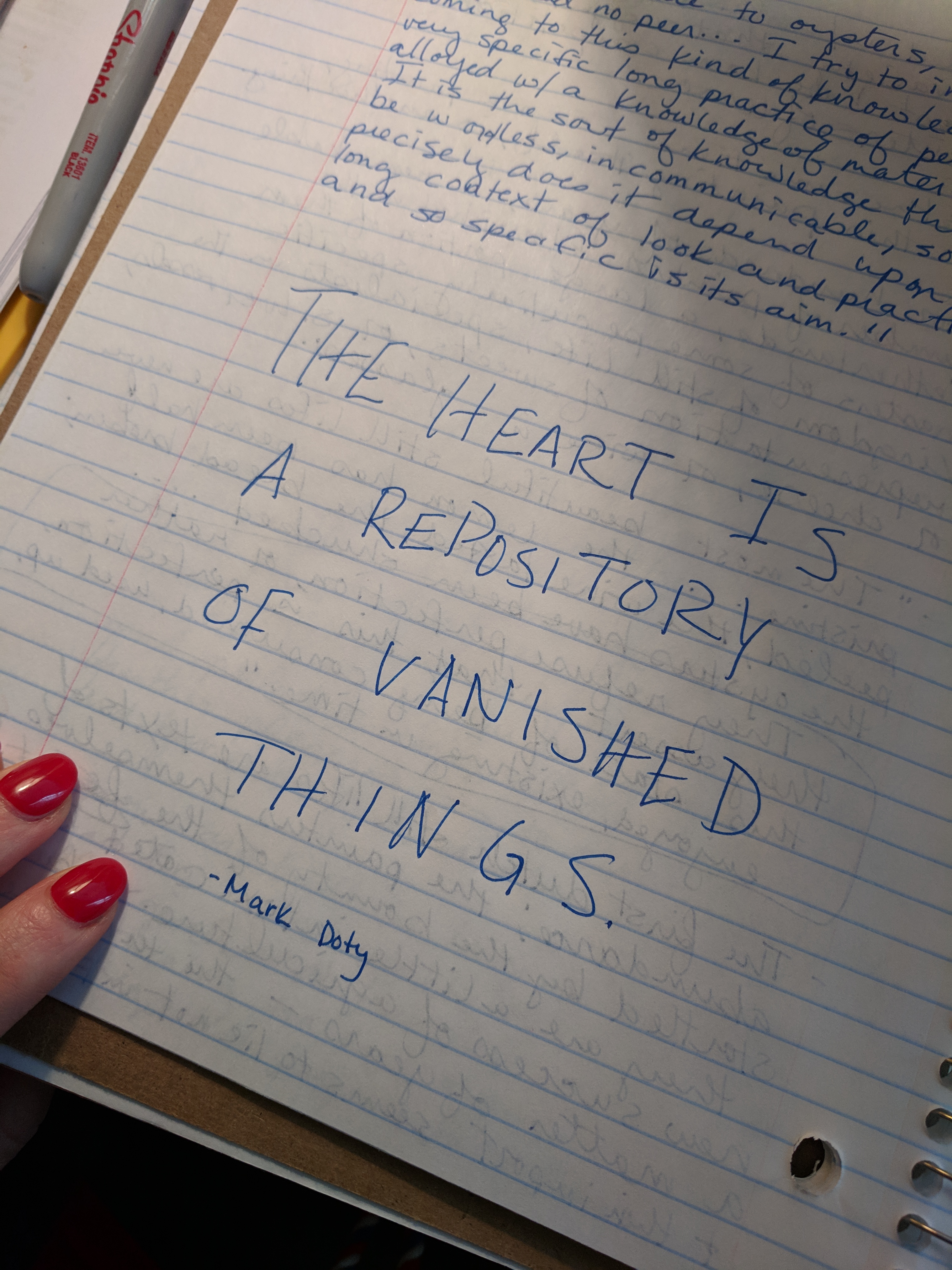
“Still Life with Oysters and Lemon”

By Mark Doty

This will sound silly and/or phony and/or a line from an SNL skit about aging hipsters, but I don’t care: I’ve been really into still life paintings lately. Ha! I don’t know when it started (maybe right after we uninstalled Gone, Country?). I am usually drawn to loud, bombastic art or highly graphic design or minimalist pieces bridging on nothingness. Never still life. Ew, boring! Until now. I suppose it’s tied to my desire to slow down a little. I’ve been working like a Bronte madwoman in the attic this year, and I think my psyche is catching up with me. “Seriously, slow the fuck down,” it says. “Here. Look at this pretty painting of material objects and ripe fruit to remind you that you are dust and to dust you shall return. And also that you need to eat something soon, OK?”

And then (devoted readers like me are familiar with this experience) a book I’ve needed to help me put words to what I’m going through found me before I could find it. “Still Life with Oysters and Lemons,” published in 2002, offers a longform musing, dissection, and memoir hybrid-essay that explores the mystery and love of still life artwork. In it, writer Mark Doty is a brilliant word magician (ahem, painter?) who deeply encapsulates the meaning of still life (and a still life). Perhaps no other book about still life needs to be written? “Especially not by you, Jackie, so take a nap,” my psyche moans.

Ugh. Beautiful.

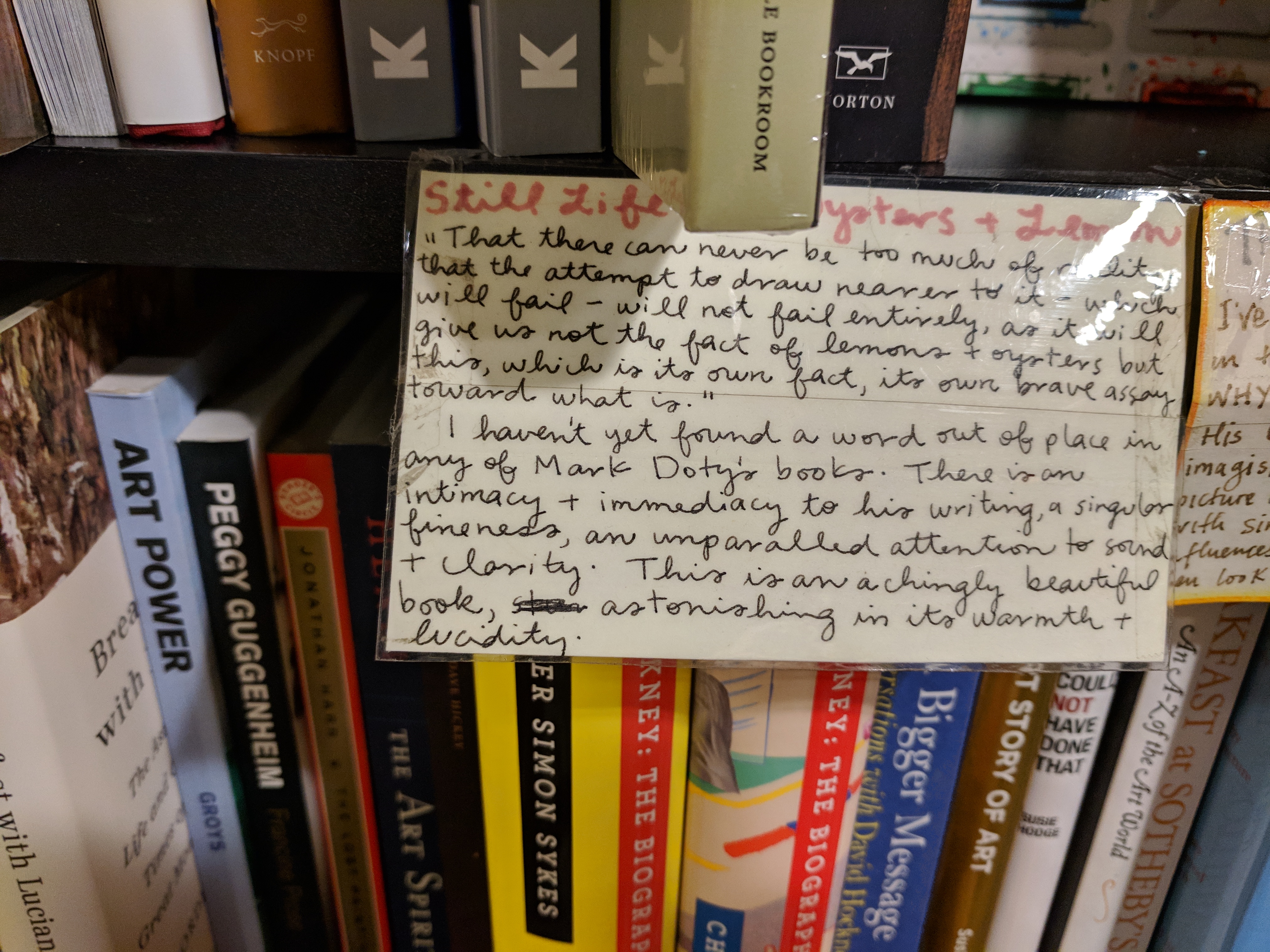
Even Unabridged Bookstore in Lakeview loves this book! I found this talker recommendation AFTER I finished this book. Big magic strikes again.

They also gave me this little friendly reminder. Happy almost holidays!


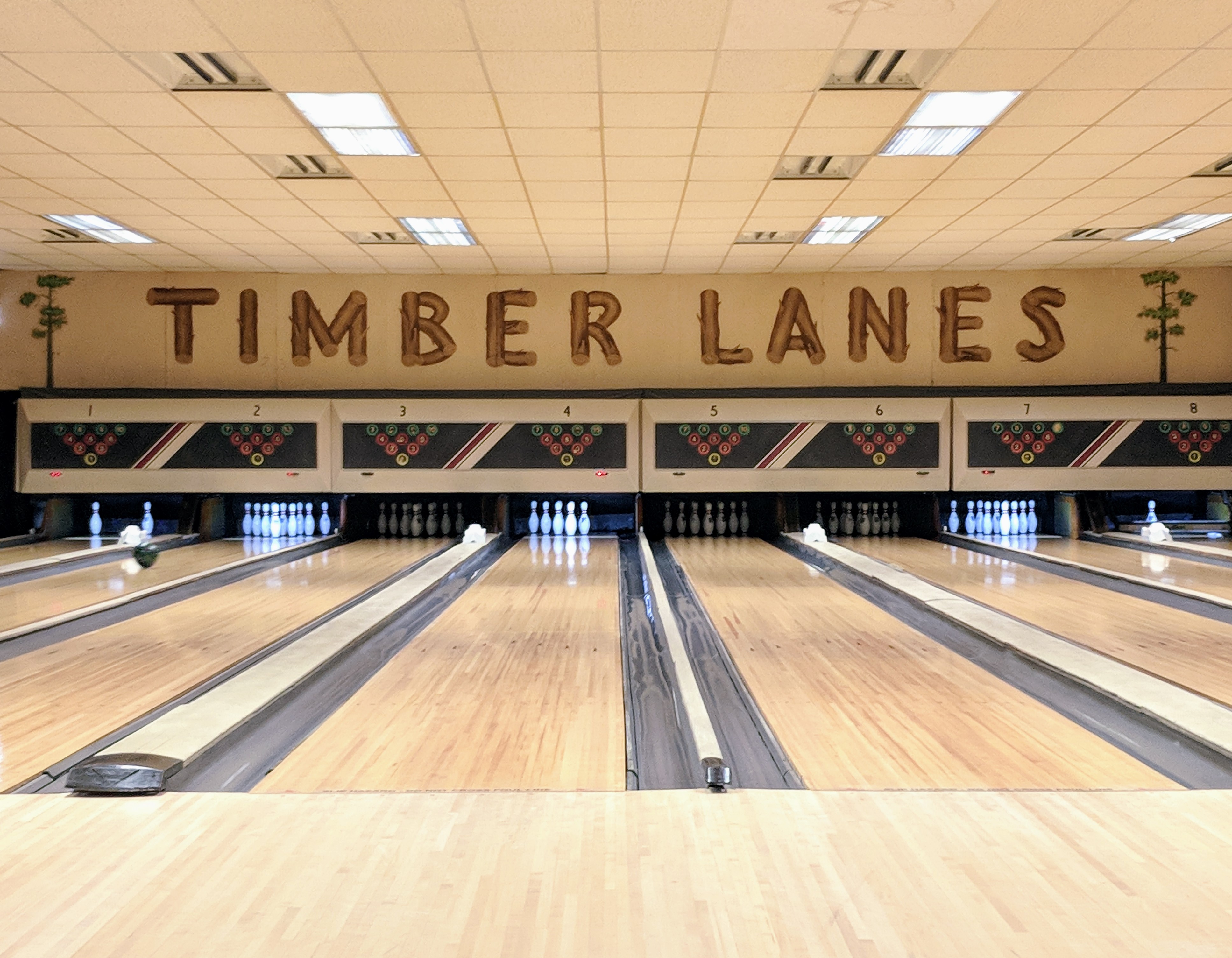
To do: Timber Lanes bowling in Chicago

Old school wooden lanes and you track the scores yourself. Like a real man!


Timber Lanes Bowling Alley

1851 W. Irving Park Rd.

Chicago, IL 60613

There are several things about Timber Lanes in North Center that you can’t beat. They include:

  1. The price: $2.50 per game. Bring cash for games, shoes, and/or drinks/snacks at the bar.
  2. The digital jukebox, where frequently played favorites include 38 Special and Ah-Ha.
  3. The vibe. The ghost of The Dude is near.
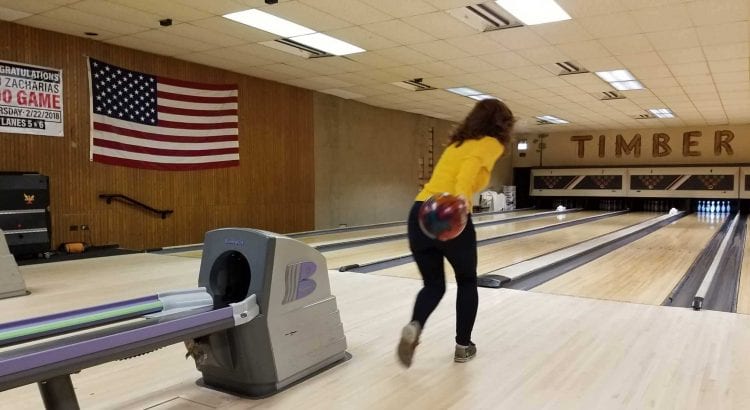
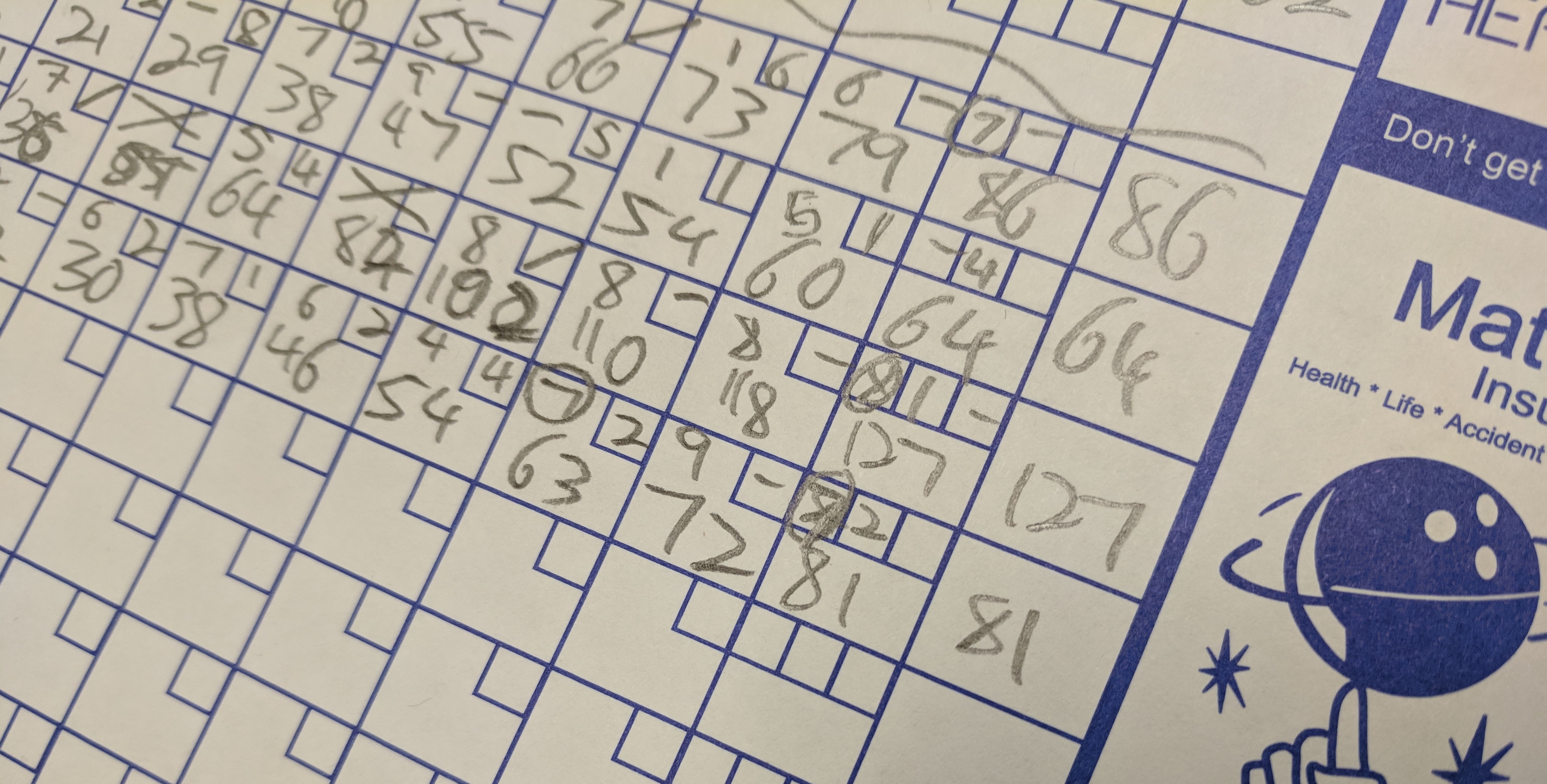
  4. Me on Game 2. Bowled a 127, baybay! Must’ve been Steely Dan on the juke.

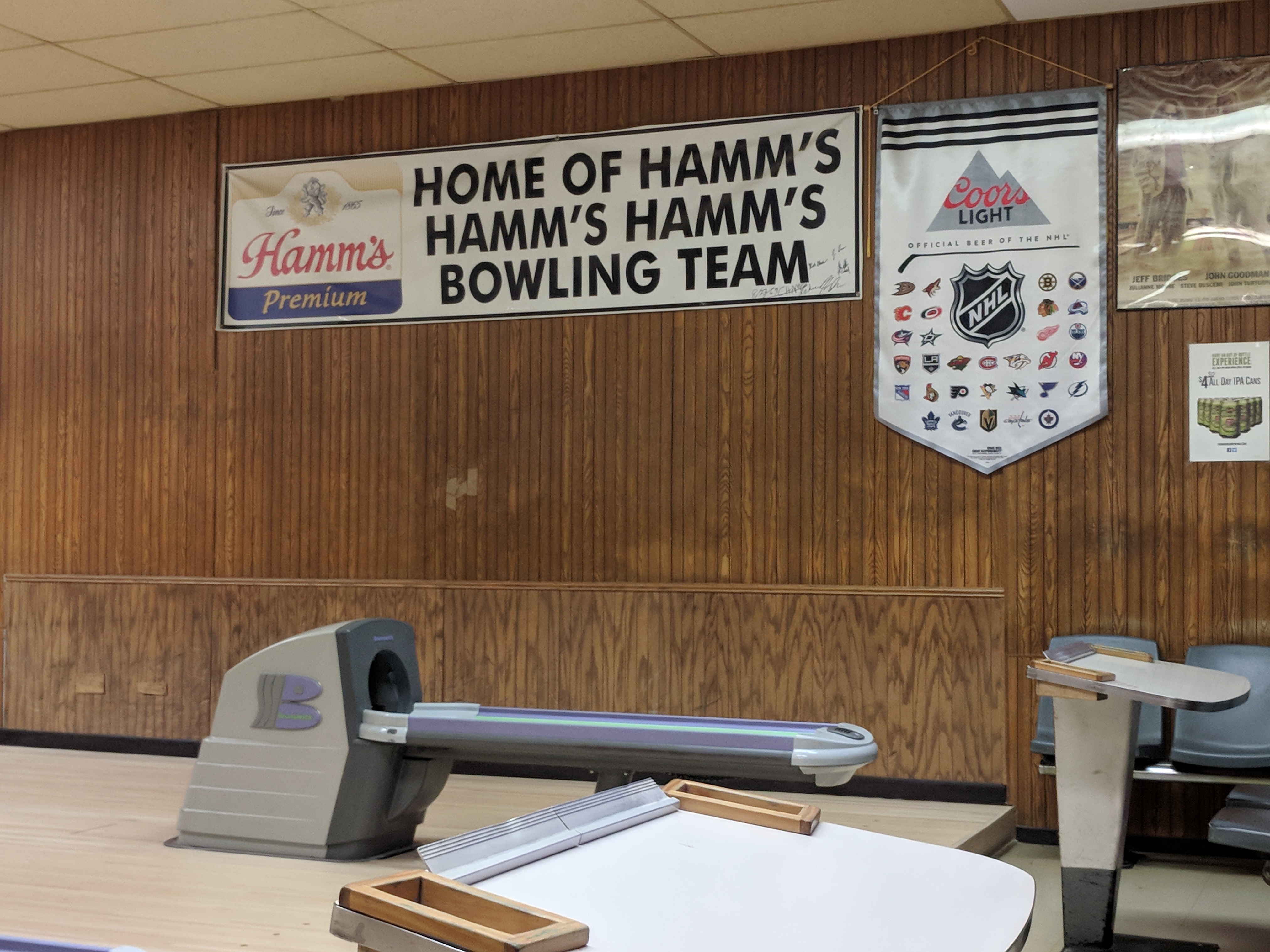
Home of Hamm’s Hamm’s Hamm’s Bowling Team.

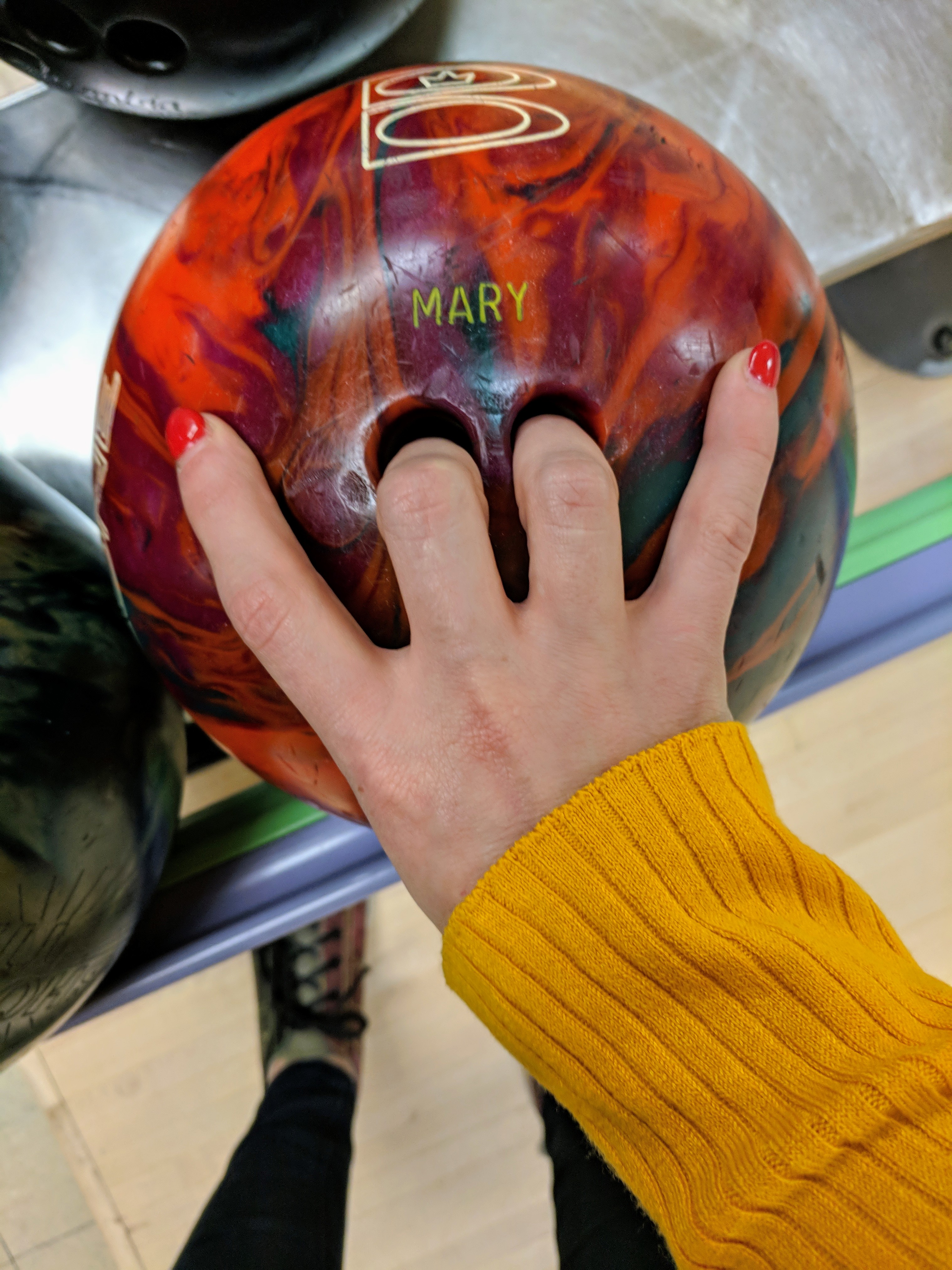
Hell Mary.

Beat that. (Not pictured: My many gutter ball zeroes during the first game.)

Art you should know: Agnes Richter’s embroidered jacket

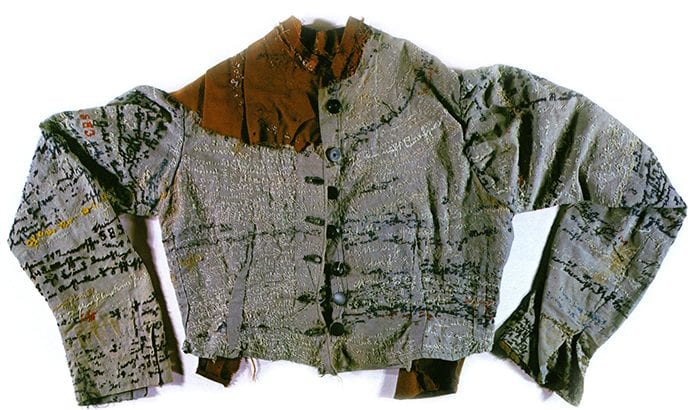
Agnes Richter was institutionalized in Germany in 1893 when she was 49 years old. She pieced together this jacket during her time in the asylum using materials on-hand, like linens, wool, and thread, likely from her work as a seamstress in the institution. The embroidery is worn down and sweat stains abound, but some of the writing can still be read in deutsche schrift, a German script that’s nearly obsolete. Some of the phrases historians have deciphered: “I am not big,” “I plunge headlong into disaster,” and “583m,” her case number. Read more here.

My list of books to read this month

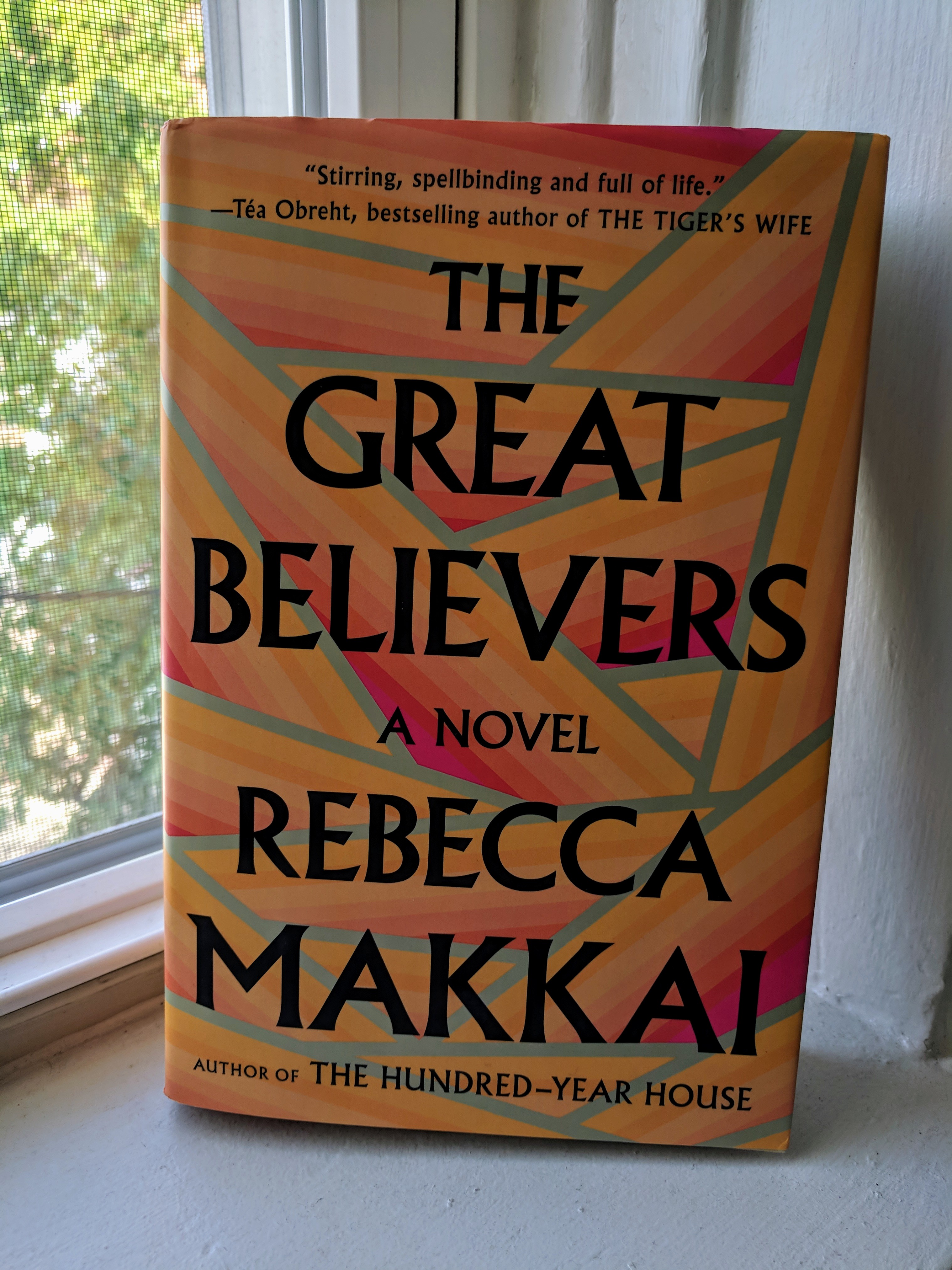
“The Great Believers”

By Rebecca Makkai

If we’re to believe some very trustworthy readers on Instagram (we are), this novel about how the AIDs epidemic changed 1980s Chicago is one of the best books of the year. The National Book Awards agree: “The Great Believers” was tapped last week for the fiction longlist. I’m especially excited to read it because the author, Rebecca Makkai, is a leader of the Chicago literary scene and creative director of Story Studio in Ravenswood. It’ll be fun to dive into 1980s Chicago from the comfort of 2018 Chicago. I think. <reads news and shivers>

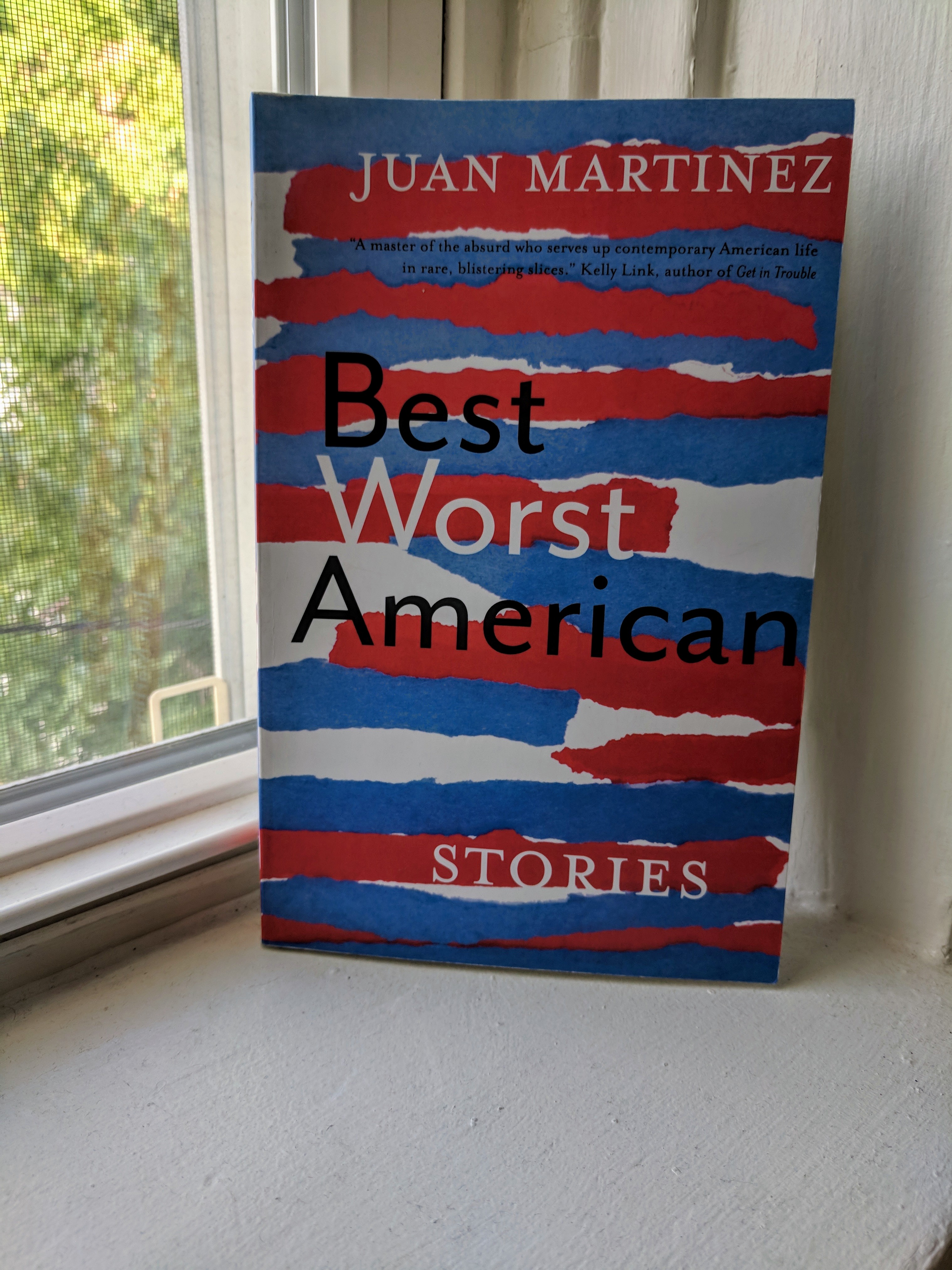
“Best Worst American”

By Juan Martinez

Speaking of Story Studio, I attended its Writer’s Festival at the end of September and took a class about flash fiction taught by this author, Juan Martinez. We read some Kafka and I fell in love with reading all over again (I mean, that’s not hard to do, but I had never really read flash fiction before, and this crash course was like finding a tattooed new crush hanging out in the library). “Best Worst American” is a compilation of Martinez’s best flash fiction and short stories.

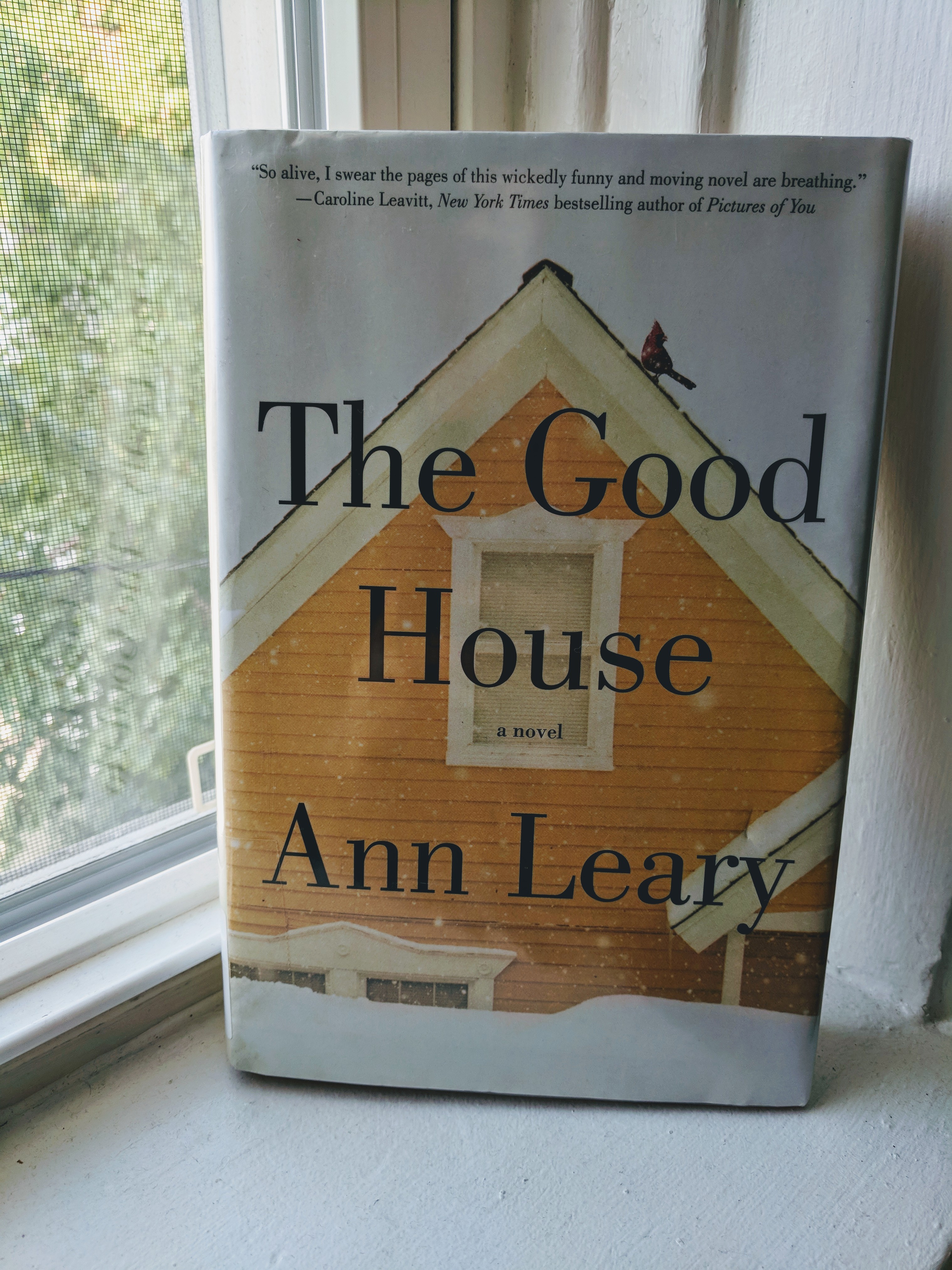
“The Good House”

By Ann Leary

This novel follows the story of Hildy Good, a hilarious recovering alcoholic who has some secrets in her cellar. Ann Leary (NPR host and Denis Leary’s wife) has struggled with alcoholism herself, and it shows. I mean that in the best way possible. She writes about the experience of alcoholism with a brutally real but empathetic truth that reminded me of how terrifying addiction is when you live in its never-ending dirty cycle. To see yourself on a page, to be seen, is always cathartic. Even when it’s not the you that you want to be reminded of.

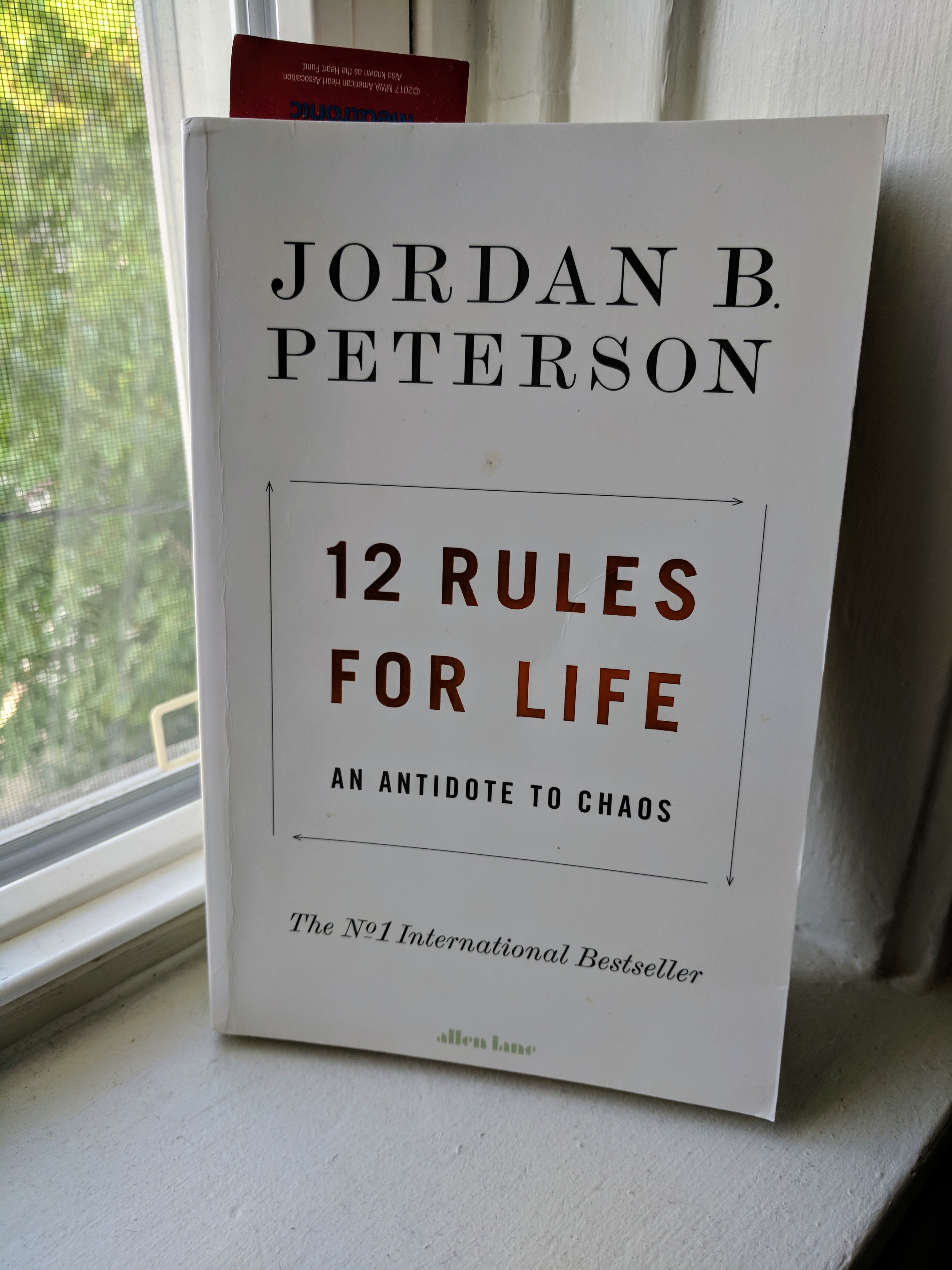
“12 Rules for Life”

By Jordan Peterson

Jordan Peterson is a therapist, thinker, and, I’d argue, philosopher who is reviled by the left. However, he has some very interesting things to say in terms of finding your own personal worth and creating a mindset that helps you not only survive the chaos of daily life, but thrive in it. Rule number one, for example, is to “stand up straight with your shoulders back.” This isn’t a power move or a threatening stance, he says, but one that helps you “stand the hell up, with courage, and take it.”