Forty is the new everything

I turned 40 last month. Woohoo!

I mean it… Woohoo!

Getting older fucking rules. Each year I get less stupid and more chill. Each makes life a little easier, more enjoyable bit by bit.

I wasn’t feeling this way a few weeks before My Big Day. Turning 40 is that “over the hill” age. I remember being a kid celebrating an aunt’s 40th birthday, and all the gifts were of the gag variety—a walking cane for her soon to be old and decrepit body, Bengay cream for sore muscles, a guidebook for getting older and irrelevant! This notion that turning 40 means “it’s all downhill from here” is ingrained in me, and despite my felt-joy that each year things get better, the fact that each year I get older and closer to pain—physical and otherwise—wasn’t lost on me.

After all, what does 40-year-old me have to look forward to? The mortality of loved ones and self creeps closer to my purview. I could worry about that a lot if I chose to. I could also worry about my life’s work. What have I done, really? The ticking time bomb of a literal deadline is haunting.

But, alas, the inevitability of it all changed my tune. No use fighting it. So what is there to celebrate? Everything, it turns out.

All there ever is… is everything.

I celebrate looking back on the last decade. I’ve experienced two miracles in my life and they both happened in my thirties.

The first was sobriety. I spent all but one month of the decade stone cold sober and it unlocked everything good that followed. Expansive creativity, true love and friendship, a narcolepsy diagnosis, a depth of adventure and presence that made Chicago feel completely cleansing and invigorating for me, a self respect and social calm, every form of healing. I could go on and on. Sobriety is the once-impossibility that became a lifelong gift that keeps on giving. I cherish it.

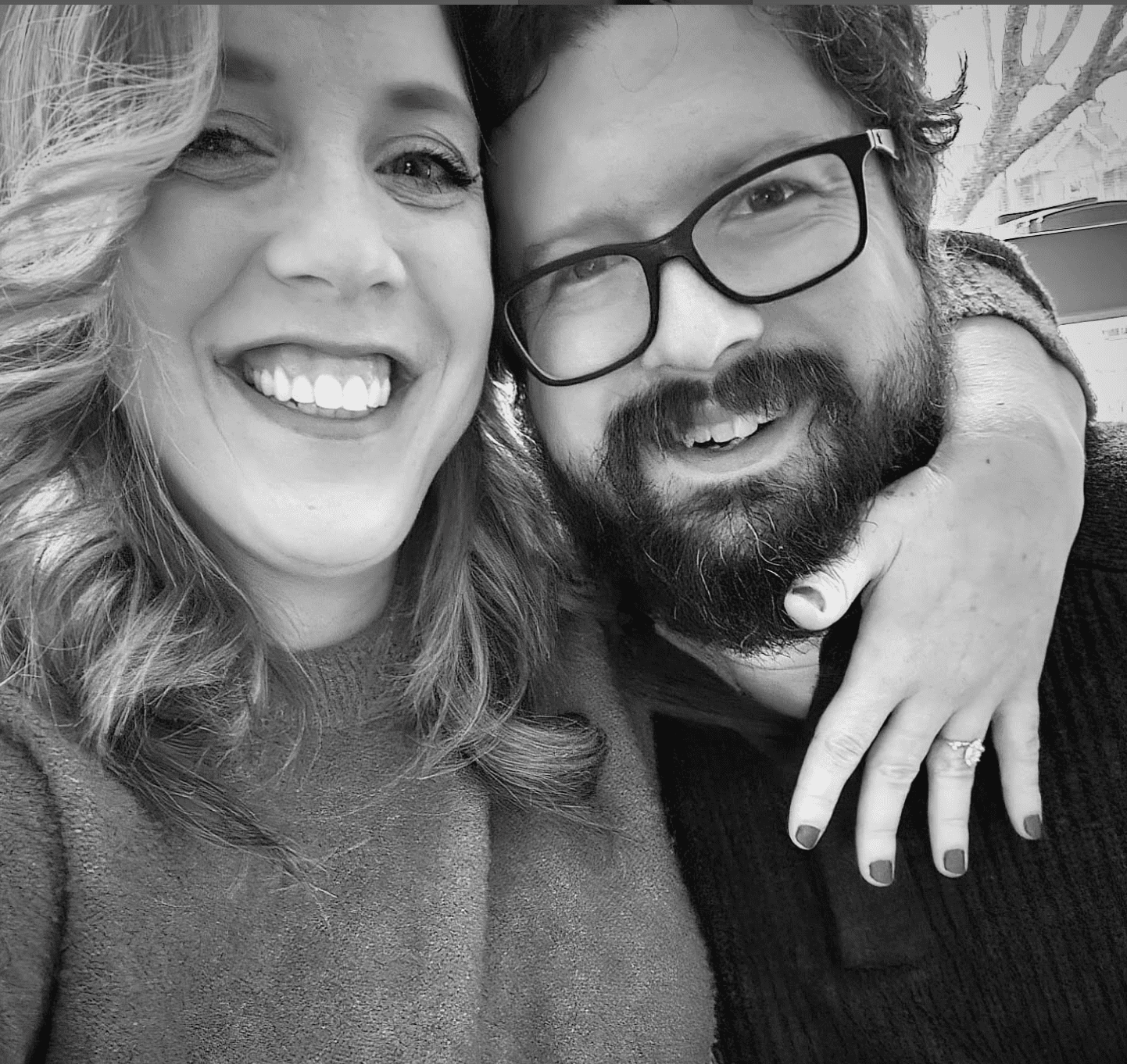
The second miracle was one of timing… Doug reaching out to me (after 15+ years of not seeing each other) exactly one week after I told my ex I wanted a divorce. One miracle enabled the other.

I am so endlessly grateful for all the messy, embarrassing, hungry, complicated, wild, accountable “Me”s I have been in the past.

They got me here.

And here is 40.

Where there are new adventures on the horizon and already unfolding.
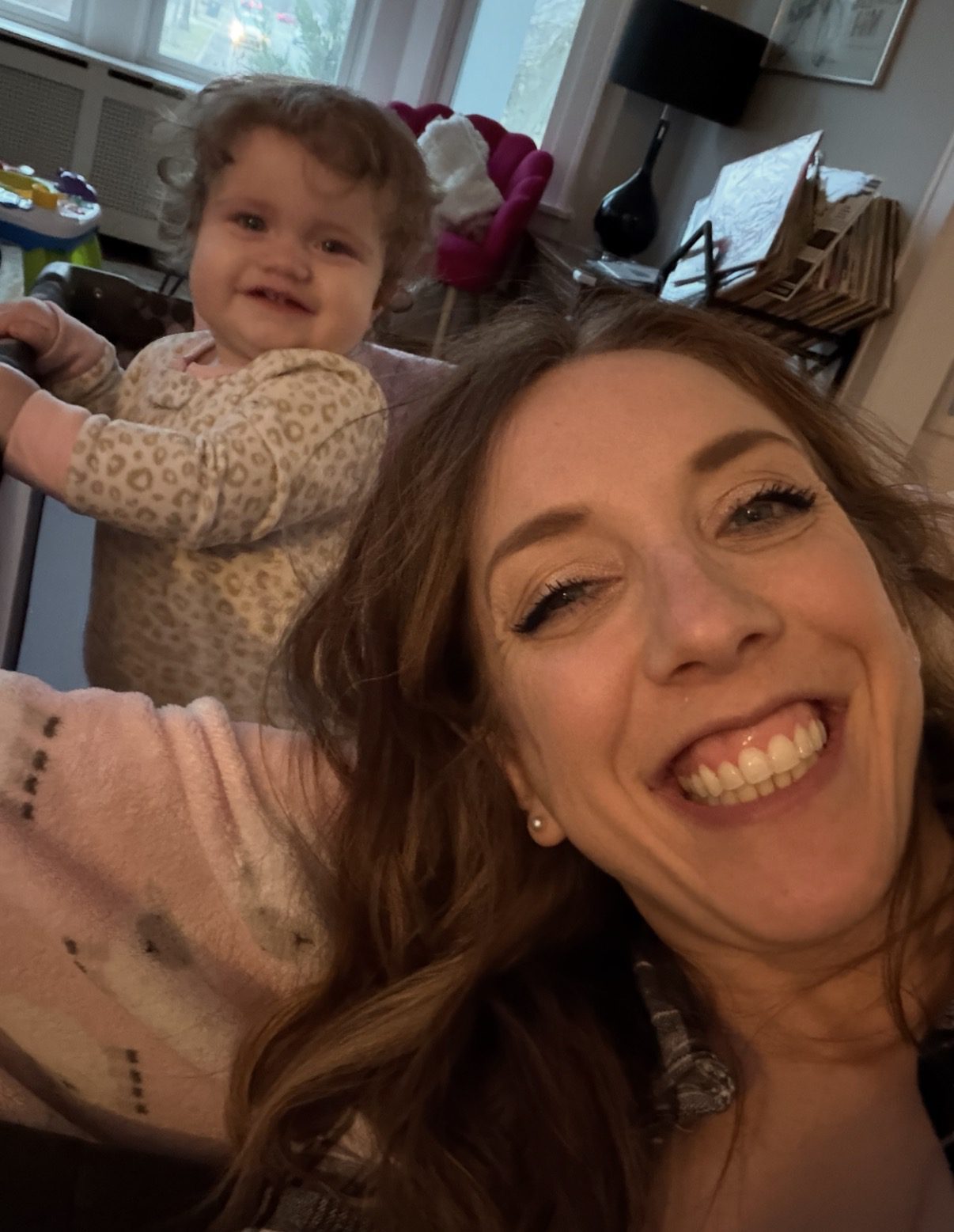
Could a 39 year old do this?!

I spent my birthday with Alice. We went to her swim lessons, where we get to swim together and I get to know her more. She is physically strong and her personality is all charisma. I love watching her grow and engage with this world I have helped create for her.

She gave me the ultimate gift: a two-hour nap after lunch and her bath. Then we played outside a bit because it was warm and why not? She crawled around the front lawn, giggling at the purple flowers I picked for her and let her hold in her little hands.

Doug worked most of the day but came home with 8 chicken sandwiches. Yes, 8. I had said all I wanted for my birthday was some alone time and a hot chicken sandwich. I was taking that aforementioned nap when he was placing the order for pickup. He didn’t know which spicy sandwich I wanted so he ended up buying all of them so I could choose.

I mean, if that’s not love, I don’t want whatever is.
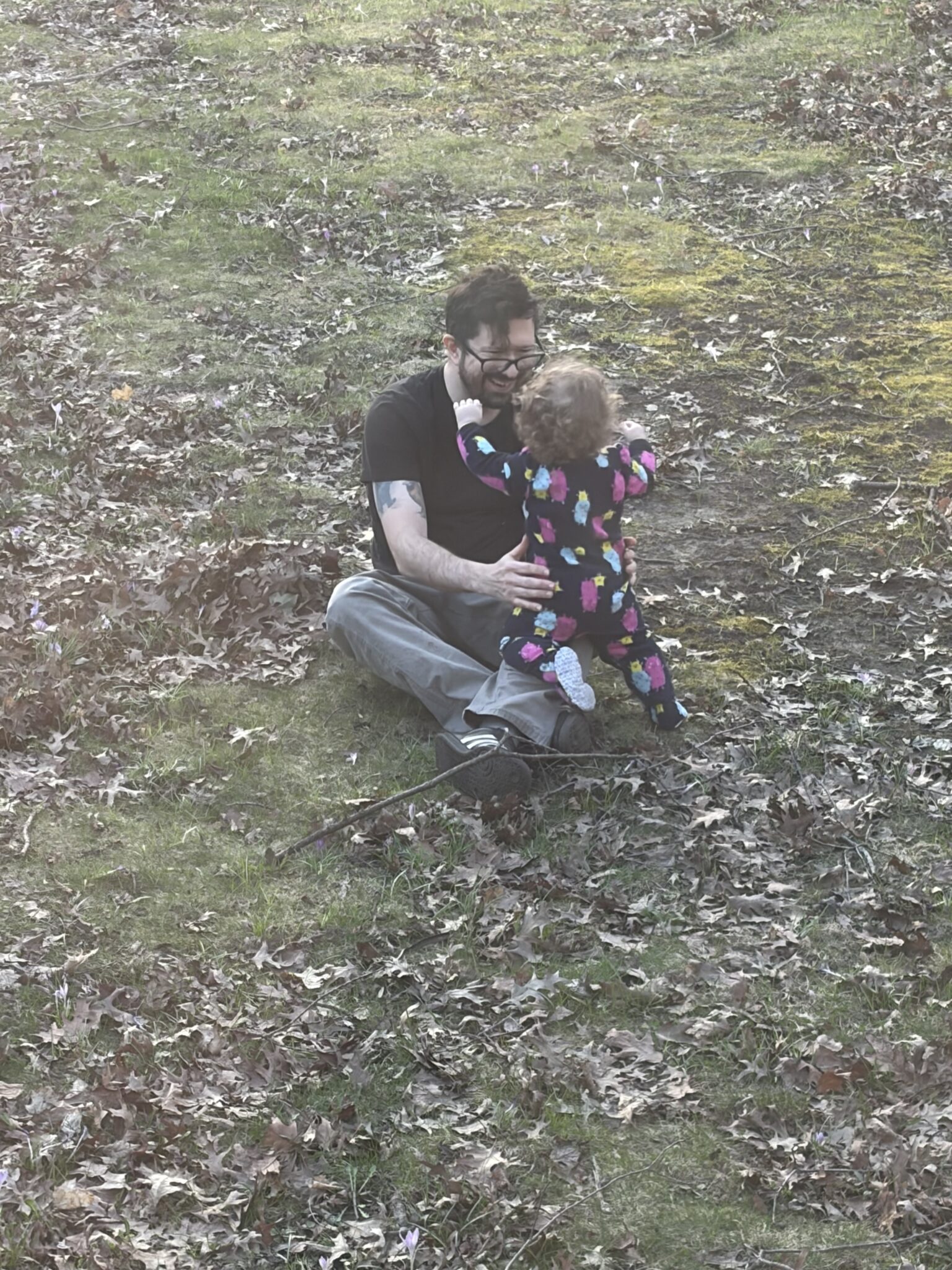
I went downstairs to get something to drink at one point, and this is what I saw out my back window. Doug and Alice playing outside. Yes, in fact, my heart did melt on the spot. Like, why do I ever complain about anything?

After dinner, I went to my office studio space and read and painted and kind of just putzed around deep in thought. Mmm, listen, that “me time” shit hits extra delicious when you have a toddler. (Almost as good as the two versions of hot chicken sandwiches I ate that evening.)

In the quiet, I picked up a couple books that felt like they’d been waiting for me.

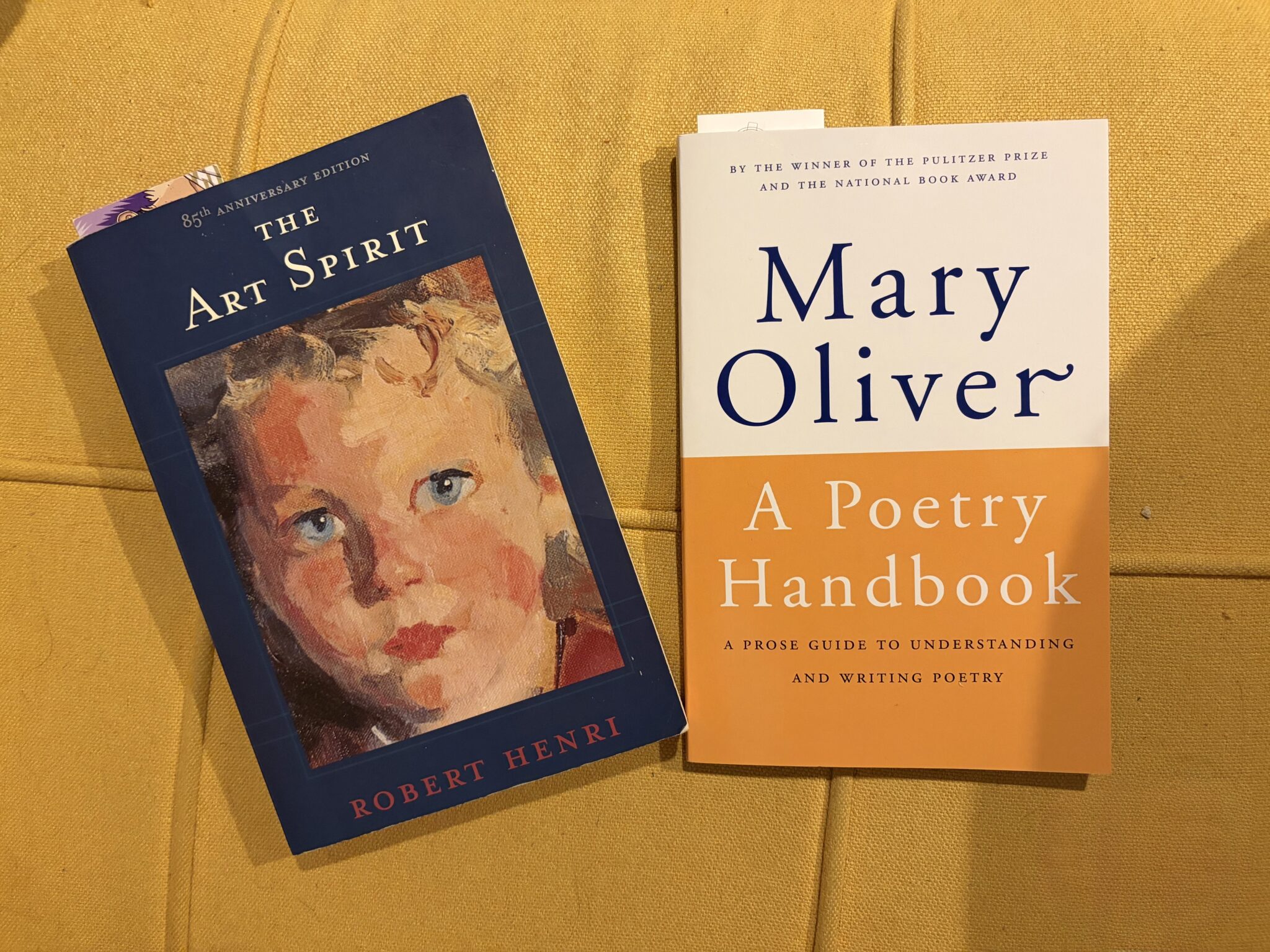
First was Henri Robert’s The Art Spirit. There’s this passage about how the best artists are the ones who can “listen to the song within”—that fleeting, sensitive, almost sacred thing that shows up in moments of presence… and then disappears the second you try to intellectualize it. The passage talks about how rare it is to stay in that state. How most of us drop out of it and go back to being our “ordinary selves.” I know that feeling. I’ve lived my life both ways—disconnected from that inner signal, and deeply tuned into it. Sobriety gave me access to something like that. Motherhood is reshaping it. And 40, I think, is asking me to protect it.

Don’t chase it, don’t force it. Just… listen. Stay. Tend. Let the song play. Your song.

Here’s the passage, written in May 1921 about his late friend, the painter Mary Rogers:

Mary Rogers’ approach to nature was purely a spiritual one. Her technique in every instance was evoked by the spirit of the things she wished to express.

There are moments in our lives, there are moments in a day, when we seem to see beyond the usual—become clairvoyant. We reach then into reality. Such are the moments of our greatest happiness. Such are the moments of our greatest wisdom.

It is in the nature of all people to have these experiences; but in our time and under the conditions of our lives, it is only a rare few who are able to continue in the experience and find expression for it.

At such times there is a song going on within us, a song to which we listen. It fills us with surprise. We marvel at it. We would continue to hear it. But few are capable of holding themselves in the state of listening to their own song. Intellectuality steps in and as the song within us is of the utmost sensitiveness, it retires in the presence of the cold, material intellect. It is aristocratic and will not associate itself with the commonplace—and we fall back and become our ordinary selves. Yet we live in the memory of these songs which in moments of intellectual inadvertence have been possible to us. They are the pinnacles of our experience and it is the desire to express these intimate sensations, this song from within, which motivates the masters of all art.

Mary Rogers was one of those who had the simple power to listen to the song and to create under the spell of it. She knew the value of revelation and her spirit had that control over mentality which was the secret of her gift for employing at all times in her work that specific technique evoked by the song. She was master. Her work is a record of her life’s great moments. Her statement is joyous and clear.

I’ve also been reading Mary Oliver’s A Poetry Handbook. Craft books have been a salve for me during the AI writing takeover. Syntax, voice, style… these are all things that differentiate a real human voice from a robotic one, no matter how well you prompt your Claude, and so I’ve been feeling more and more empowered (and, thus, less and less threatened by the inevitability of other people using AI to write their terribly sad LinkedIn posts) by learning the mechanics of writing. 

Mary’s poetry handbook has another great passage I read on my birthday evening that felt related to Henri’s ode to his friend.  The idea that writing—creating anything, really—is like a relationship. You have to show up for it. Keep your appointments. Be there consistently, or it simply won’t show up for you. From the chapter “Getting Ready”:

If Romeo and Juliet had made appointments to meet, in the moonlight-swept orchard, in all the peril and sweetness of conspiracy, and then more often than not failed to meet—one or the other lagging, or afraid, or busy elsewhere—there would have been no romance, no passion, none of the drama for which we remember and celebrate them. Writing a poem is not so different—it is a kind of possible love affair between something like the heart (that courageous but also shy factory of emotion) and the learned skills of the conscious mind. They make appointments with each other, and keep them, and something begins to happen. Or, they make appointments with each other but are casual and often fail to keep them: count on it, nothing happens.

The part of the psyche that works in concert with consciousness and supplies a necessary part of the poem—the heat of a star as opposed to the shape of a star, let us say—exists in a mysterious, unmapped zone; not unconscious, not subconscious, but cautious. It learns quickly what sort of courtship it is going to be. Say you promise to be at your desk in the evenings, from seven to nine. It waits, it watches. If you are reliably there, it begins to show itself-soon it begins to arrive when you do. But it you are only there sometimes and are frequently late or inattentive, it will appear fleetingly, or it will not appear at all.

Why should it? It can wait. It can stay silent a life. time. Who knows anyway what it is, that wild, silky part of ourselves without which no poem can live? But we do know this: if it is going to enter into a passionate relationship and speak what is in its own portion of your mind, the other responsible and purposeful part of you had better be a Romeo. It doesn’t matter if risk is somewhere close by—risk is always hovering somewhere. But it won’t involve itself with anything less than a perfect seriousness.

For the would-be writer of poems, this is the first and most essential thing to understand. It comes before everything, even technique.

Various ambitions—to complete the poem, to see it in print, to enjoy the gratification of someone’s comment about it-serve in some measure as incentives to the writer’s work. Though each of these is reasonable, each is a threat to that other ambition of the poet, which is to write as well as Keats, or Yeats, or Williams—or whoever it was who scribbled onto a page a few lines whose force the reader once felt and has never forgotten. Every poet’s ambition should be to write as well. Anything else is only a flirtation.

And, never before have there been so many opportunities to be a poet publicly and quickly, thus achieving the easier goals. Magazines are everywhere, and there are literally hundreds of poetry workshops. There is, as never before, company for those who like to talk about and write poems.

None of this is bad. But very little of it can do more than start you on your way to the real, unimaginably difficult goal of writing memorably. That work is done slowly and in solitude, and it is as improbable as carrying water in a sieve.

A final observation. Poetry is a river; many voices travel in it; poem after poem moves along in the exciting crests and falls of the river waves. None is timeless; each arrives in an historical context; almost everything, in the end, passes. But the desire to make a poem, and the world’s willingness to receive it—indeed the world’s need of it—these never pass. If it is all poetry, and not just one’s own accomplishment, that carries one from this green and mortal world—that lifts the latch and gives a glimpse into a greater paradise—then perhaps one has the sensibility: a gratitude apart from authorship, a fervor and desire beyond the margins of the self.

Inspiration is a little bit magic, a lotta bit trust. It’s something that watches you. Waits to see if you’re serious. And if you are—if you show up, if you stay—it begins to arrive when you do. Inspiration is just cause and effect by any other name. Sit down to do the work, and the work will show up on screen (or canvas or notebook or whatever).

That’s the part I want to carry into this next decade. Not panic about time running out. Not “what have I done” spirals. Not a walking cane. Just pace. A steady, grounded, intentional pace. Listening for the song—and already working on it when it comes.

A new decade is simply a calibration point. 

Here’s to 40 more 40s. <3
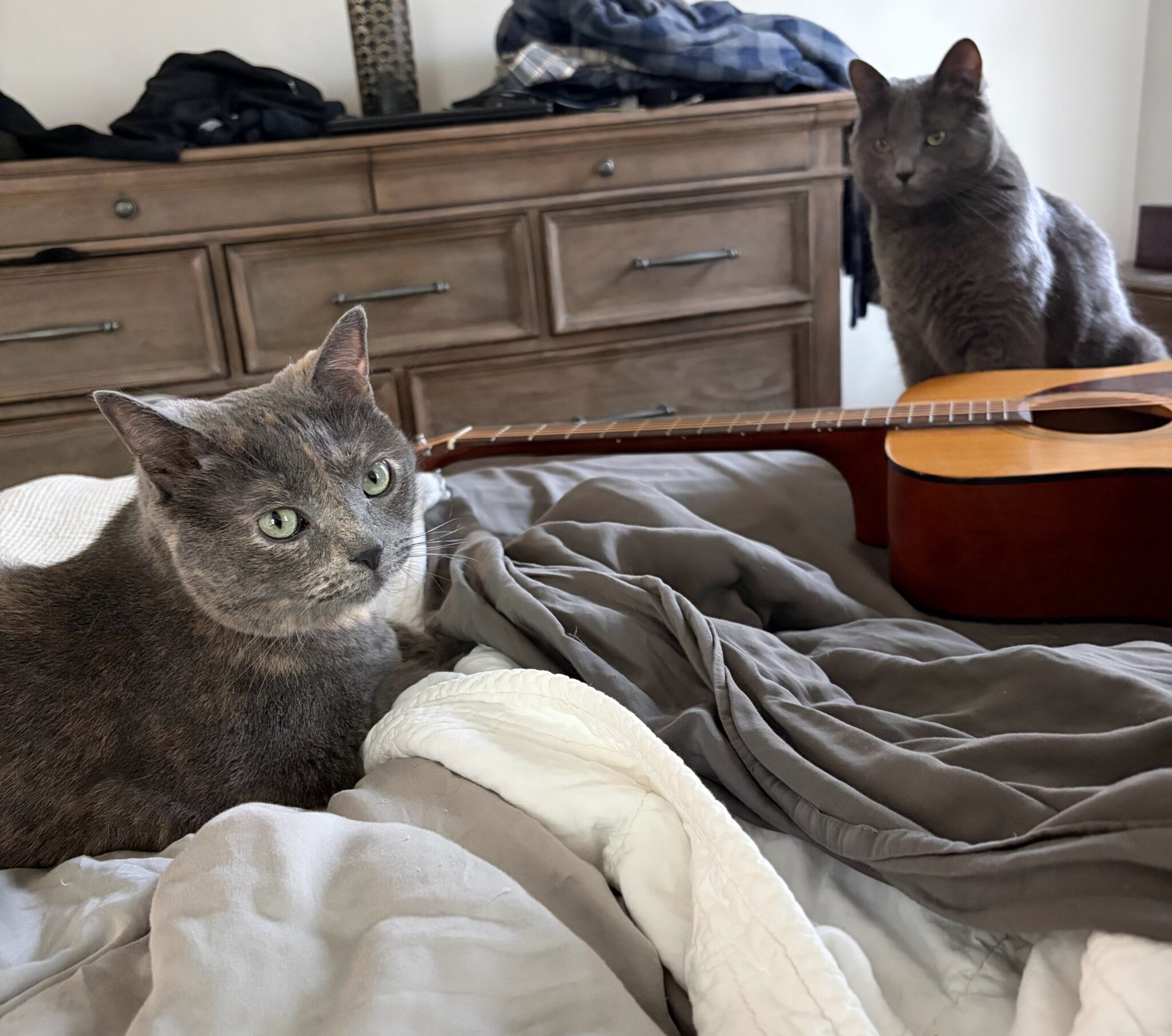
Birthday nap buds.

New painting at White Rabbit Galleries


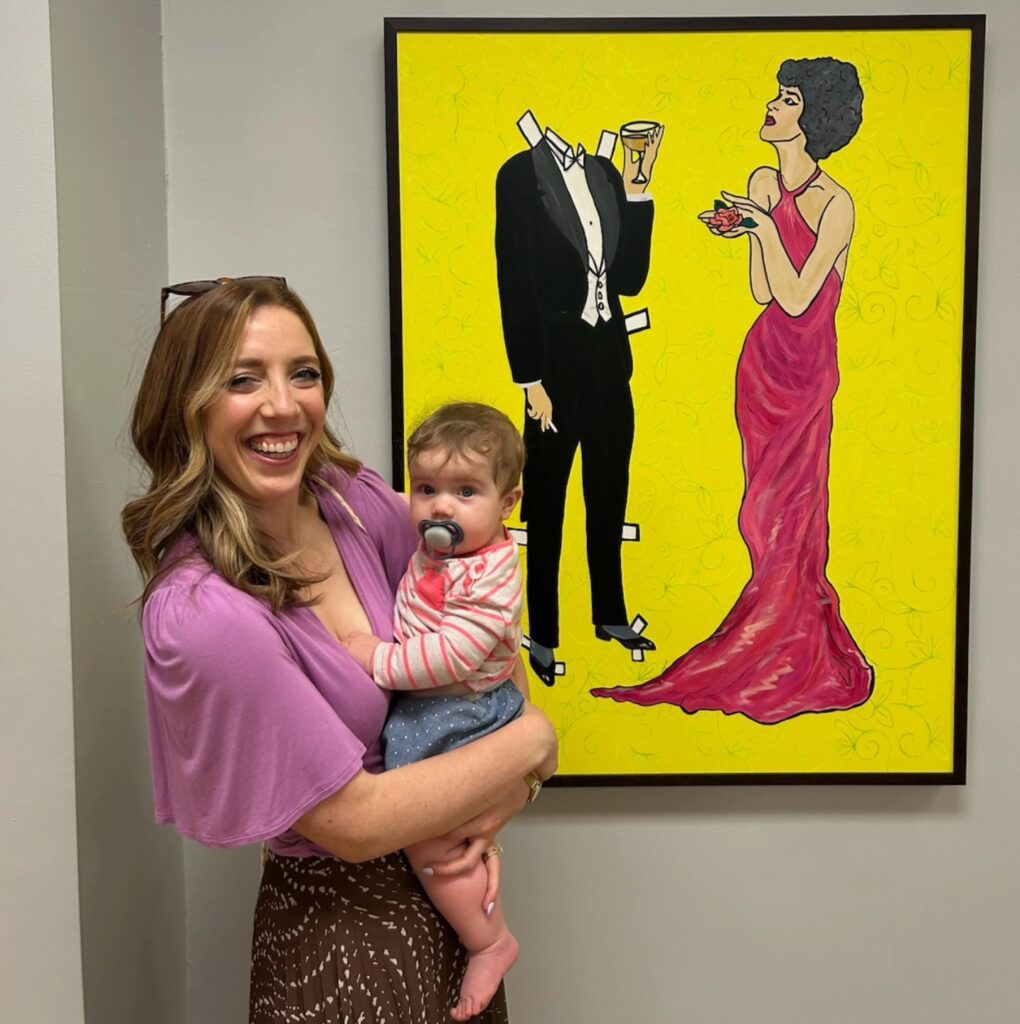
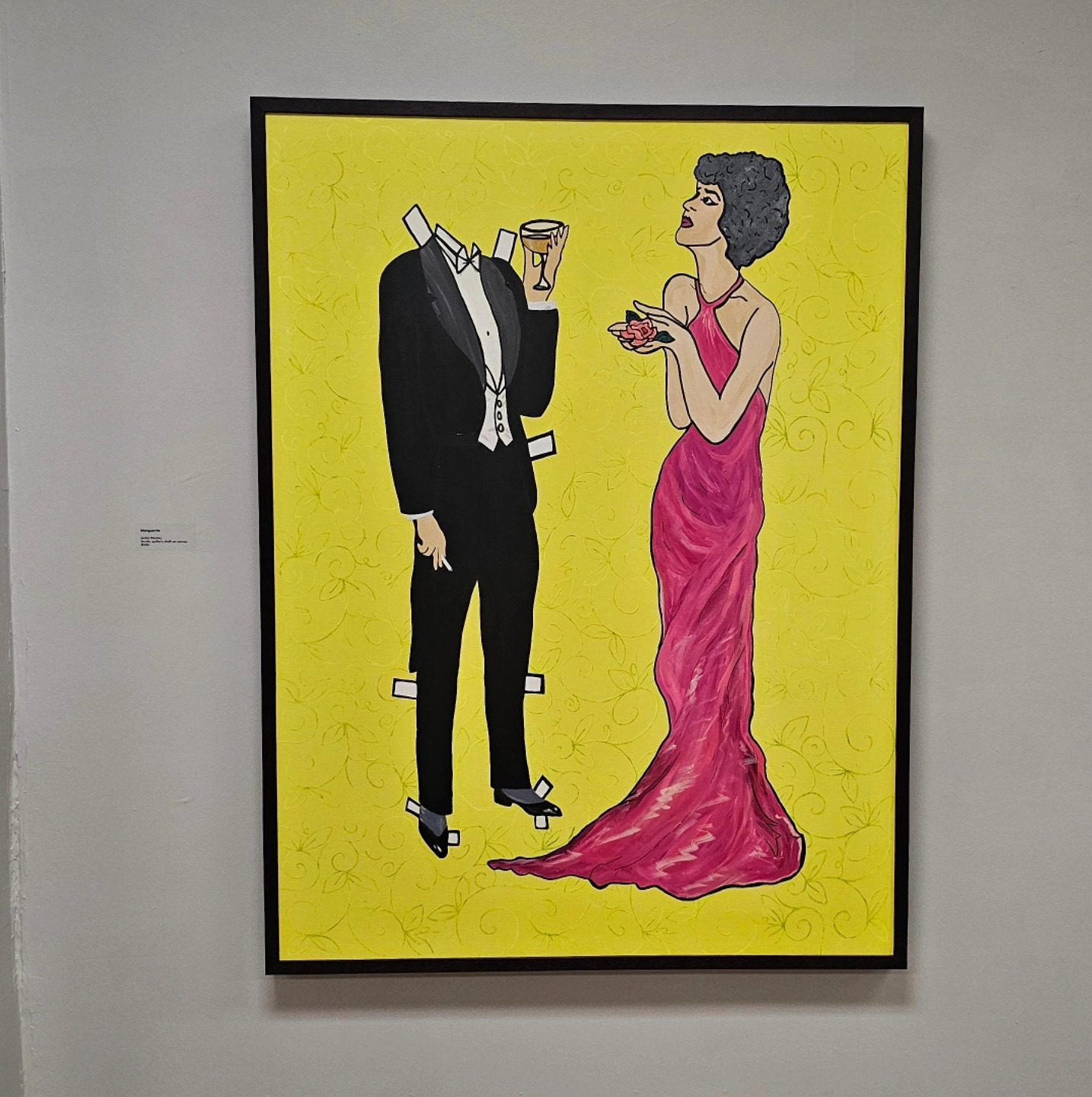
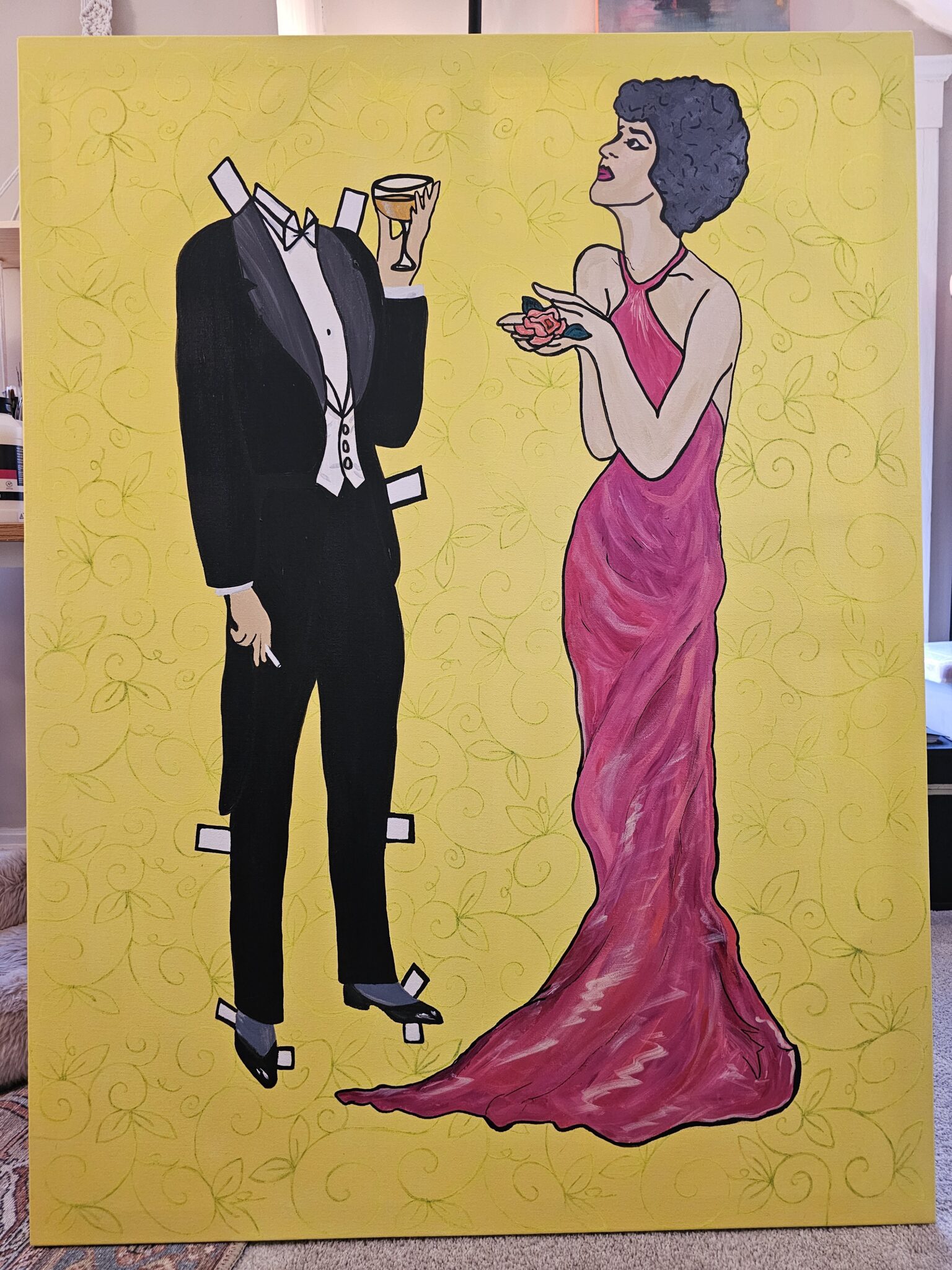
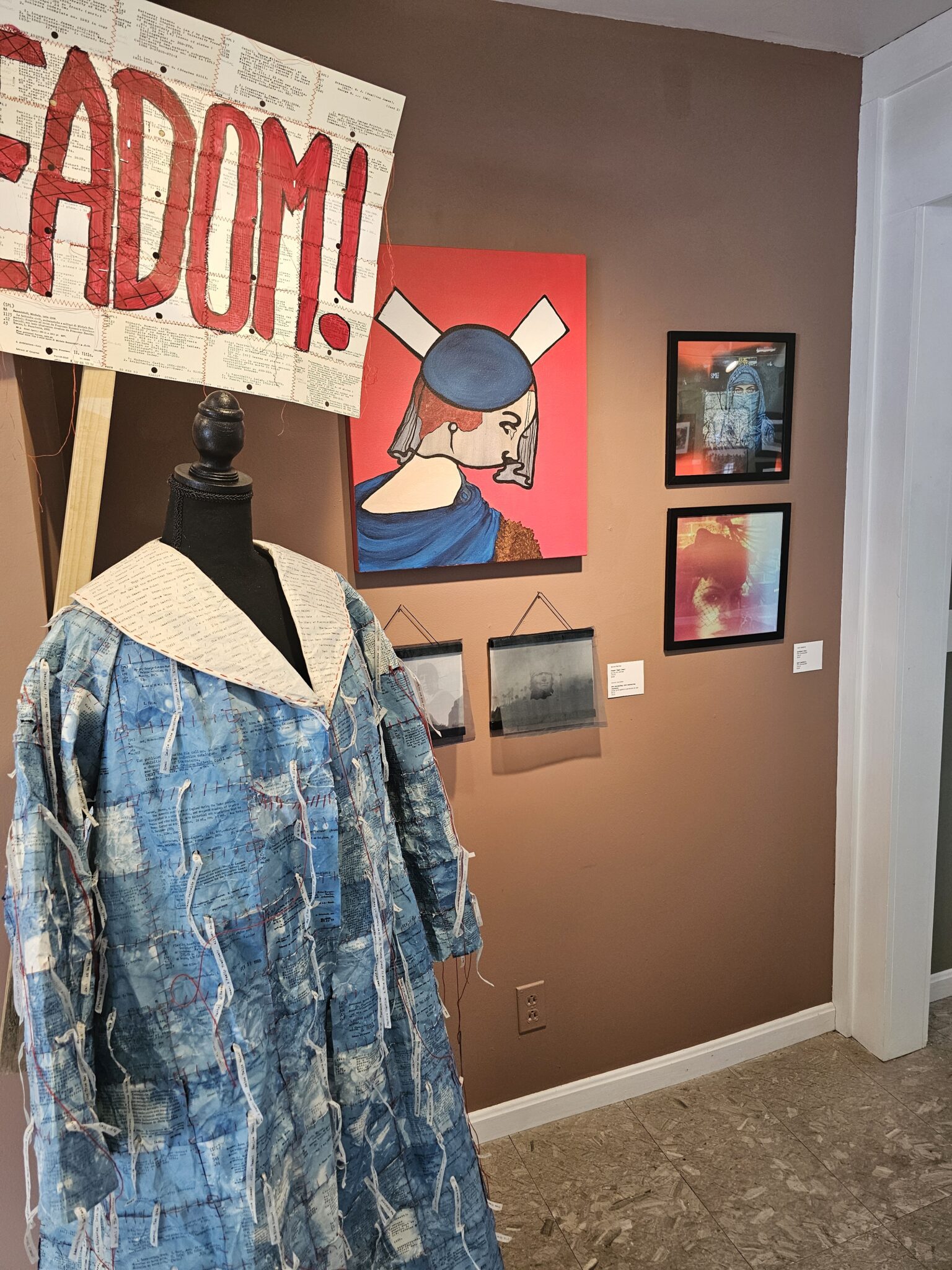
My painting Marguerite is currently on view in the juried exhibition CHROMA:Vol2 at White Rabbit Galleries in Barberton, Ohio.

There’s a moment when you see your own work in a space that isn’t your studio—something shifts. It breathes differently. And Marguerite did just that for me. It was so exciting to see her, especially that bold yellow background, under the gallery lights.

A technique I used on Marguerite—which is part of my ongoing series Promising Mad Women—is one I’ve been experimenting with across the collection: layering quilter’s chalk beneath paint to build a textured, shifting background. It’s a nod to the unseen labor of “women’s work”—often delicate, always structural, sometimes invisible once the final piece is done. The chalk leaves soft ridges and ghost lines that dip in and out of view depending on how the light hits or where you’re standing.

That subtle shifting of visibility feels important. Especially in a show about color and what catches the eye. Marguerite grabs your attention and then asks for a slower look. I love the something that hums beneath her surface.

Marguerite is a woman suspended in a moment of ambiguous offering. Dressed in a soft pink gown, she extends a single cabbage rose toward a headless paper doll. The faceless figure echoes a refined society that both desires and discards Marguerite. Behind them, that bright yellow backdrop radiates a charged intensity. The color sets a mood of fevered urgency and bold defiance. My favorite part is that the scene vibrates with contradictions: intimacy and distance, elegance and erasure, fragility and flamboyance. Marguerite is a confrontation in disguise—a moment of feminine grace weaponized against the forces that seek to consume and forget her.

Standing beside Doug and Alice during the opening made the moment of seeing her on the wall even sweeter. It’s one thing to make a painting. It’s another thing to actually view it in a gallery, standing by your people, in a public space that celebrates self-expression.

This is the heartbeat of Promising Mad Women: giving visual form to layered experiences, emotional contradictions, inherited expectations, and the quiet power of showing up as you are—even (especially) when you’re not fully visible to everyone.

CHROMA:Vol2 at White Rabbit Galleries is on view through October 25. The show itself is full of cool work by other artists who are pushing color, form, and feeling in unexpected directions. It’s worth a visit if you’re nearby—and so is Barberton. Hop (ha, white rabbit, get it?) a few storefronts over to Aunt Hannah’s Antiques while you’re there. So many visual goodies there too.


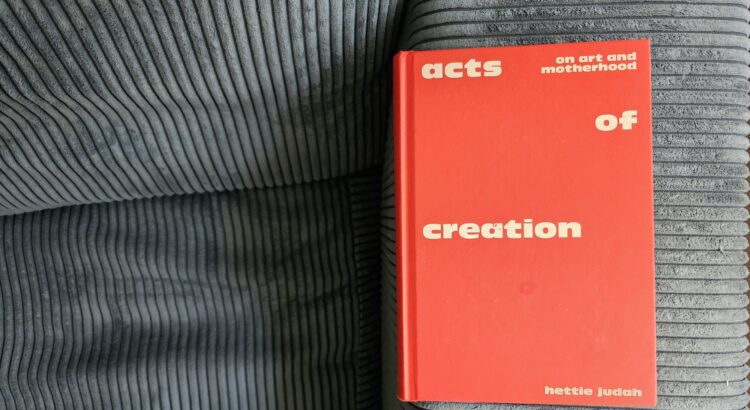
Now reading: Acts of Creation by Hettie Judah

I bought the book Acts of Creation: On Art & Motherhood about a month before my due date, hungry for some kind of map for the long, unpredictable years of living as both an artist and a mother. I needed someone to tell me the two could grow in the same soil without one starving the other.

Written in 2024 by British art critic and writer Hettie Judah, Acts of Creation began as part of Judah’s research and advocacy effort aimed at challenging the art world’s structural barriers to caregiving — a project awesomely titled “How Not to Exclude Artist Mothers (and other parents).” Judah dismantles the myth of the solitary genius by centering the experiences of artist-mothers across decades and disciplines, drawing on interviews, artist statements, and art history. The result is part manifesto, part oral history, part cultural critique — a book that documents both the sacrifices and the radical reimaginings that happen when artmaking and mothering are allowed to co-exist.

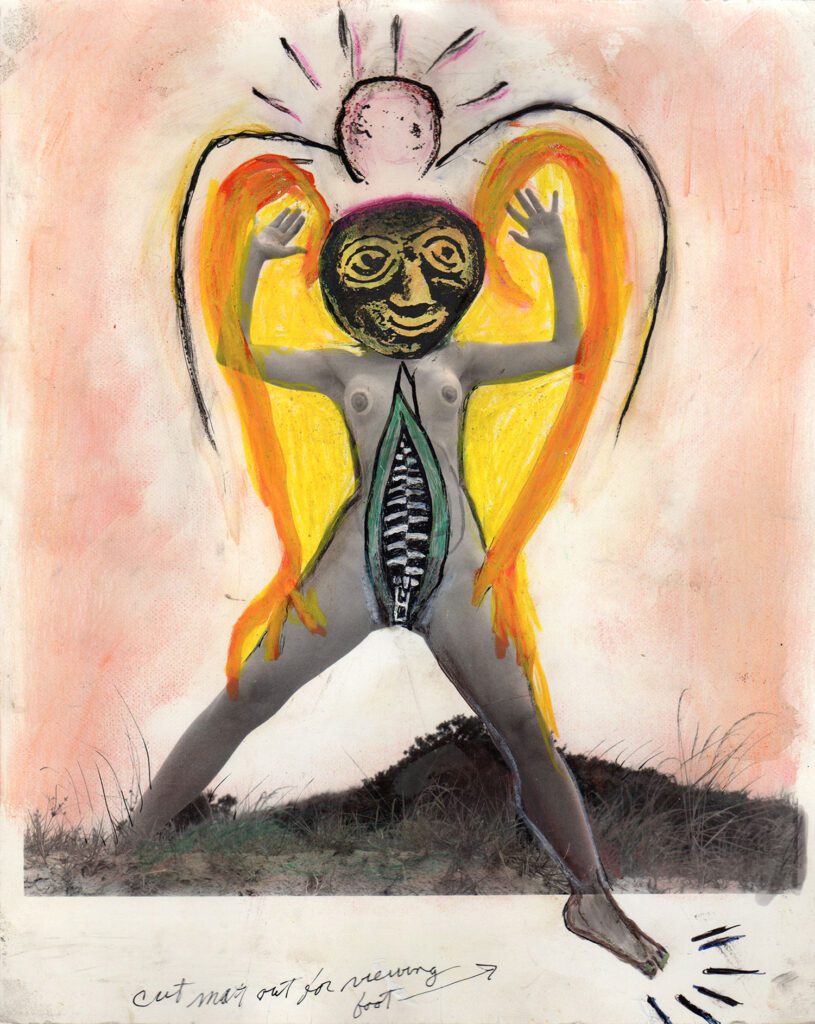
Through Acts of Creation, I was introduced to Mary Beth Edelson’s grotesque goddesses from the 1970s, all wild, unruly figures with snarling mouths, exaggerated limbs, and a refusal to be contained by beauty or decorum. In that space in time days away from giving birth, during which I needed a big pep talk because labor seems scary as hell, I read these collages as, “Fuck you. Look at my warrior vagina. I make life happen, bitch.”

Looking at Edelson’s creations in those last weeks before my due date felt like finding a talisman I didn’t know I needed. These ugly ass goddesses weren’t polite or afraid. They were feral, laughing, ready to split the sky. They reminded me of my body’s strength… that women have done this for centuries. My body, too, was unapologetically strong, strange, and in motion — a reminder that birth is about raw power, a force as old as earth itself. I carried their energy with me into labor, hoping their defiance and vitality could crowd out my fear.

The book spans a wide range of historical perspectives — from ancient cave markings to the use of wet nurses in earlier centuries to the experiences of transgender mothers navigating visibility and acceptance in the art world today. Judah’s profiles of motherhood in art throughout the centuries don’t offer easy blueprints, but they offer something better… proof that a creative life can stretch, bend, and survive the seismic shift of motherhood.

That’s exactly what I needed to read.

The cultural image of the artist as devoted creative monk persists. Door closed, air still, a single shaft of light hitting the desk like divine permission, holy with gravitas and purpose! Instead, Judah documents a different kind of studio — one with kids barging in mid-thought, an empty fridge that takes priority on the to do list, the hum of life bleeding into the work.

It’s not clean. It’s not silent. But it’s still rigorous, and it’s still art.

I also appreciated that Judah didn’t limit her scope to the experiences of mothers alone. She included work grappling with the anxieties of those decided not to have children, those still deciding, and those running out of time to decide.

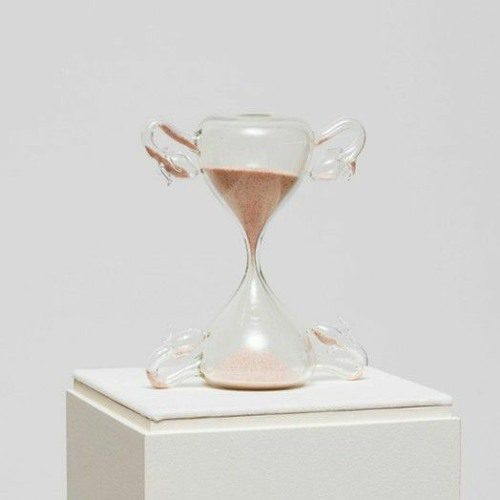
In a recent sculpture by New York-based artist Lea Cetera, Judah writes, “the pink sands of time pour between twinned blown-glass models of the uterus, ovaries, and fallopian tubes. As the title reminds us — You Can’t Have It All (2022). Parenthood hangs in the balance of two timescales. The first is counted in hours — how competing demands of work and self-fulfillment might be balanced against demands of care. The second timescale counts the years of fertility — the dreaded ‘biological clock’ which must be held in consideration against economic variables, romantic status, and career progression.”

Seeing Cetera’s work contextualized alongside stories of artist-mothers made the whole spectrum of choice, circumstance, and longing feel more visible. It is a reminder that the creative life and the reproductive life are often tangled in the same knot of time and expectation.

One of the most provocative ideas to me that Judah explores in the book is the “monstrous child” — a cultural bogeyman used to frighten women away from ambition, as if any child born to an artist-mother will inevitably be neglected, malformed, or damaged by her divided attention. It’s a myth rooted in centuries of suspicion toward women who create for anyone other than their families, a story told to keep the studio door closed.

The “monstrous child” also haunts women who are undecided about having children, fending off thoughts that the wrong choice will devastate them in the future. It dogs those who are childless by circumstance, turning absence into something they must explain or justify without allowing much room for the grief. And it follows women determined to remain child-free, as if they must prove their work or themselves worthy in other ways.

In Acts of Creation, Judah gathers artists who reject or explore all versions of this script, showing instead how children can be collaborators, witnesses, and even catalysts in the creative process. The “monstrous child” is revealed as a projection of society’s own anxieties about women’s autonomy. Children and motherhood can, in fact, be beneficial to the artistic life.

That’s what I am loving most in this book so far… the way Judah frames motherhood not as the antagonist to art, but as a medium that shapes it. Time gets weird — elastic in some places, brittle in others. You learn to work with urgency but also to wait. You get attuned to tiny sensory shifts: the weight of a child’s hand, the fresh dew smell of 4 am, the sounds of a neighbor getting plates down for dinner drifting out of their windows. These experiences make their way into the work, even if it’s slow, and even if they’re removed later.

Acts of Creation makes a case — a real, unapologetic case — for the joy of being a mother, and how that joy can stretch and deepen an artist’s vision. I had longed for Alice with my whole being, and even knowing how much I wanted her, I braced myself mostly for loss… of time, of focus, of money, of the version of myself that had full claim to my days. And yes, it is difficult to juggle it all and I have lost all of those things. My art and writing have taken a back seat for now, the pace slower, the projects fewer.

But oh, what I have gained! I’m discovering that motherhood is primarily an expansion. My world has opened into new textures and layers, my sight sharpened to details I might have otherwise missed, my understanding of human experience complicated and stretched. That shift feels like it’s already reshaping the work I will make next.

Judah names the invisible… projects abandoned mid-stream. Half-finished canvases stacked in my basement. My novel manuscript still sitting on my desktop unopened for longer than five minutes at a time. The voice memos whispered into a phone in the grocery store parking lot while Alice sleeps in the back. None of these creations “count” in the official sense. But they’re the soil under what will one day be finished pieces.

I know I will finish my work one day because of Alice, not in spite of her.

Motherhood is the same as art making in that it is a practice of holding contradictions without forcing them to fit.

I’m still making my way through Acts of Creation, reading in the same stop-and-start rhythm I make art and write these days. A few pages here, a layer of paint there while baby naps or when I’m on my morning coffee break. I love books like this — ones that make me want to take my time. It’s worth lingering over, letting its ideas filter in between the rest of life. This book reminds me that the art doesn’t have to wait for silence. It can happen right here, with the door open, the air thick with noise, the work humming along in the midst of it all.

The pendulum swinging between concealment and celebration of artist-mothers during the 20th century still feels relevant today. Some felt they had to hide their children entirely to be taken seriously, tucking away any sign of domestic life so their work wouldn’t be dismissed as “mere” mother’s art. Others found moments when motherhood itself was celebrated, framed as proof of depth or authenticity. Reading these histories, I felt the echo of that divide — the defensiveness that can simmer between mothers and non-mothers in creative spaces, each group wary of how the other’s choices might be judged or romanticized. It’s a tension worth naming, if only so we can imagine something less polarized.

The experience of the mother-artist — with its complexity, interruptions, and unexpected expansions — is robust and alive with possibility. It deserves to be looked at closely, told in full, and explored again and again, not as an exception to the artist’s life but as a vital form of it.

***

Studio Notes: Painting, power, & paper dolls

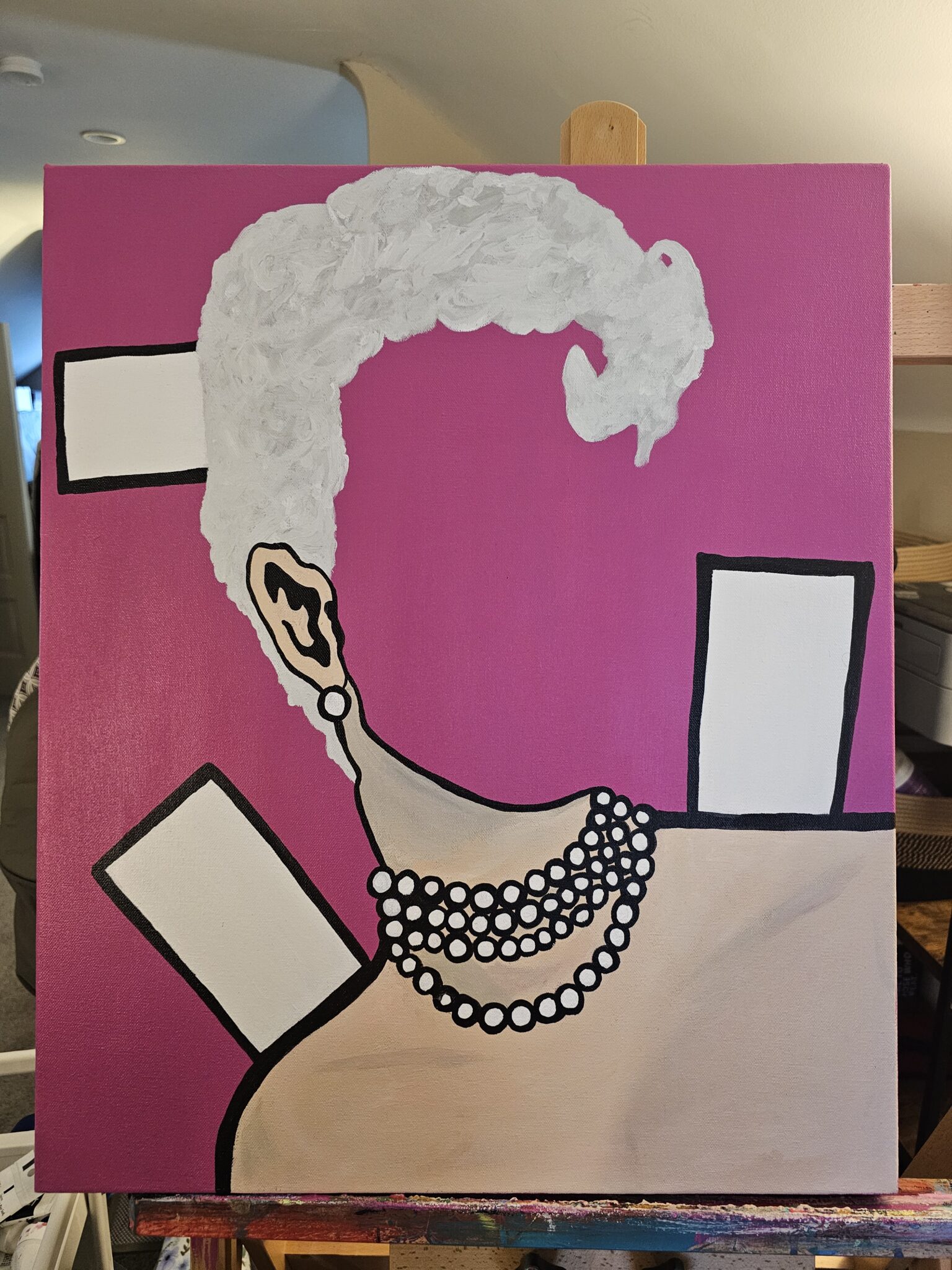
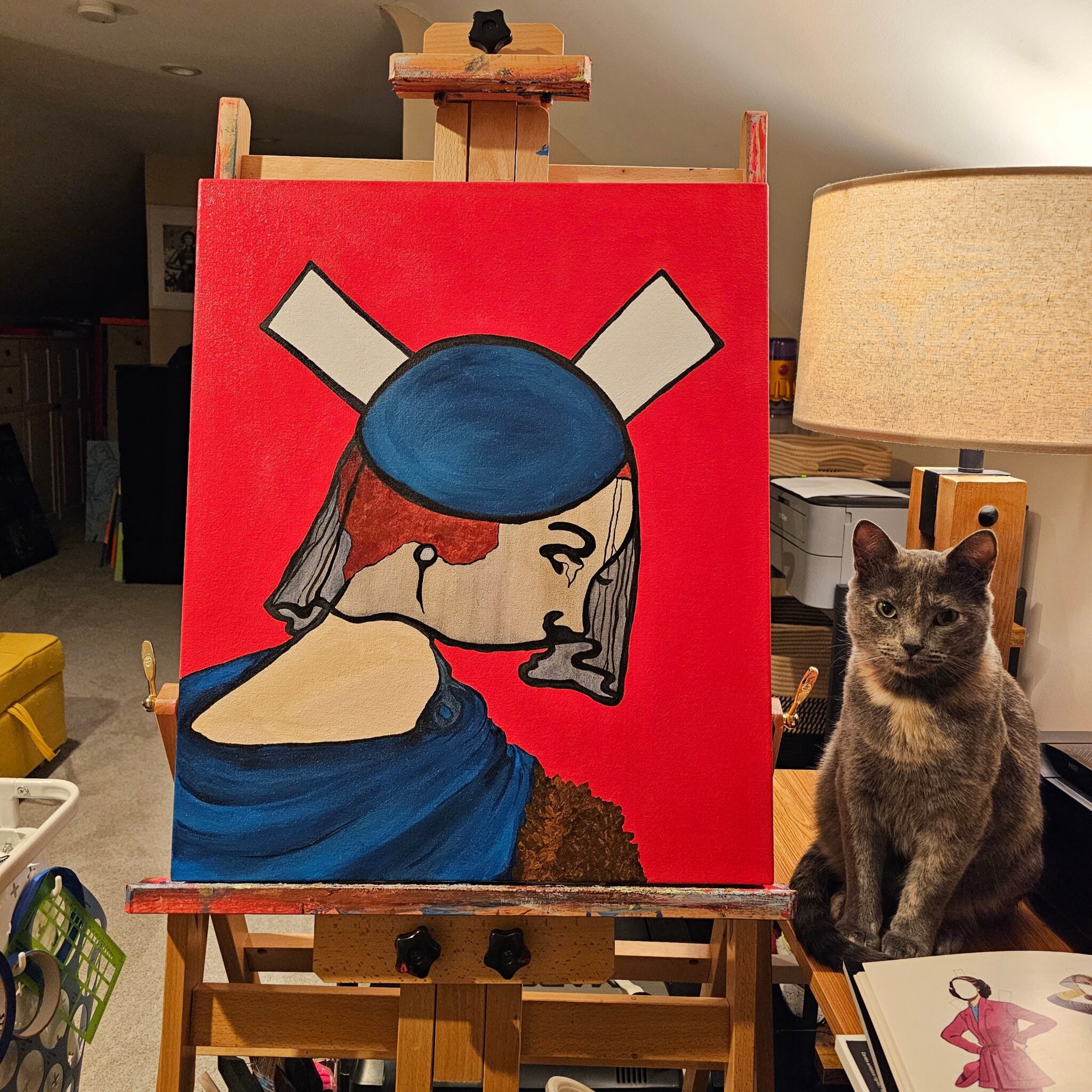
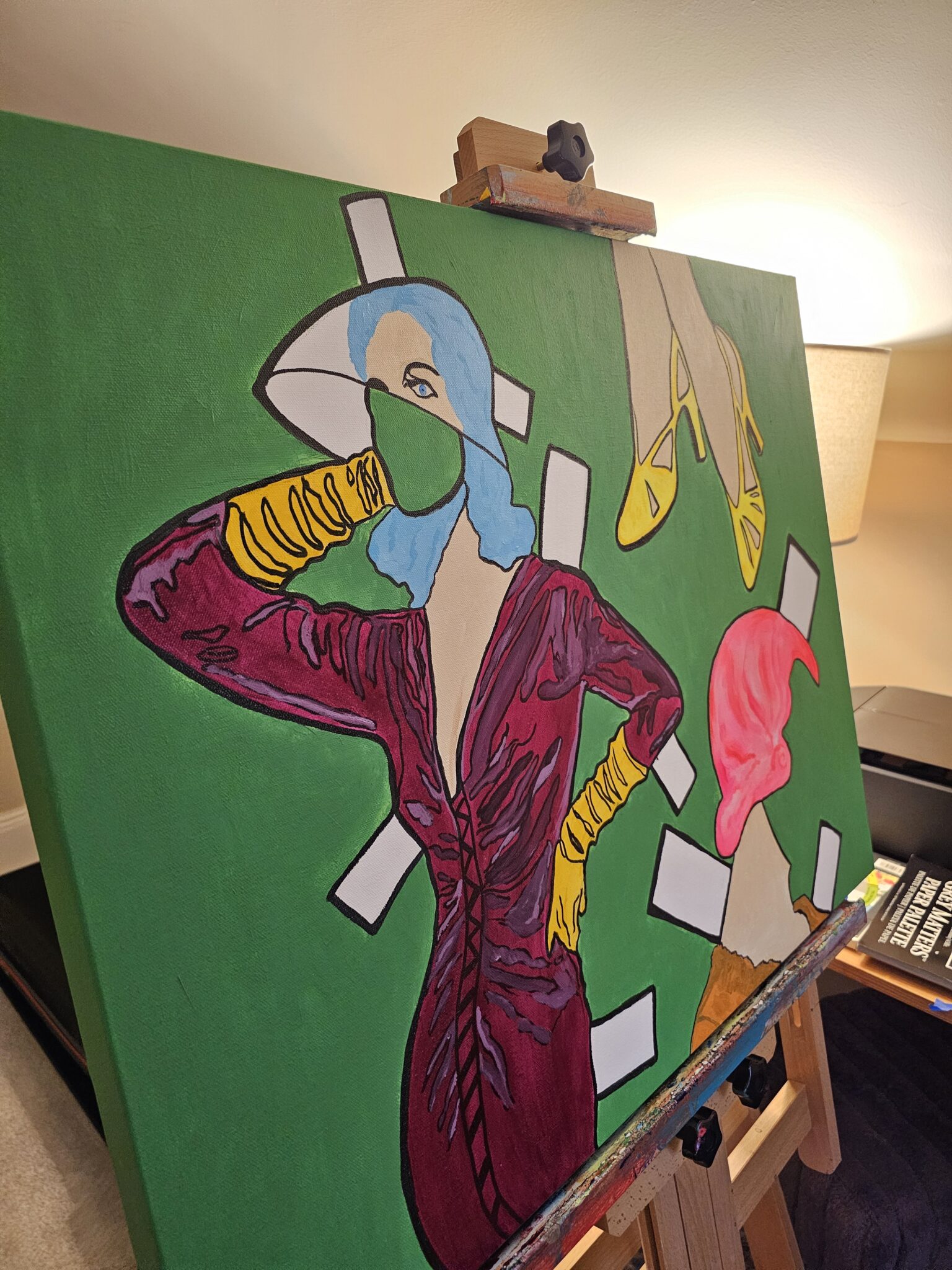
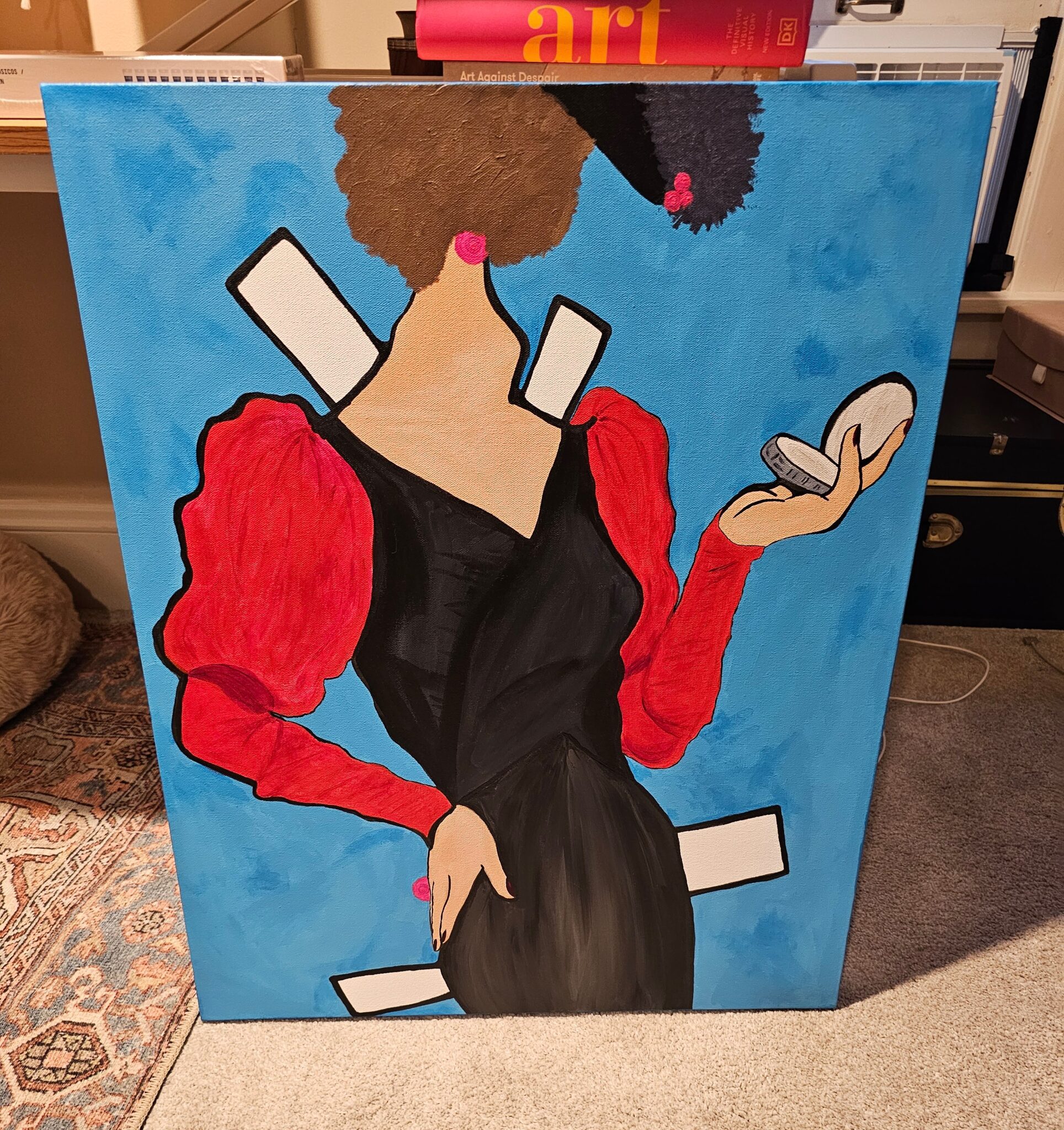
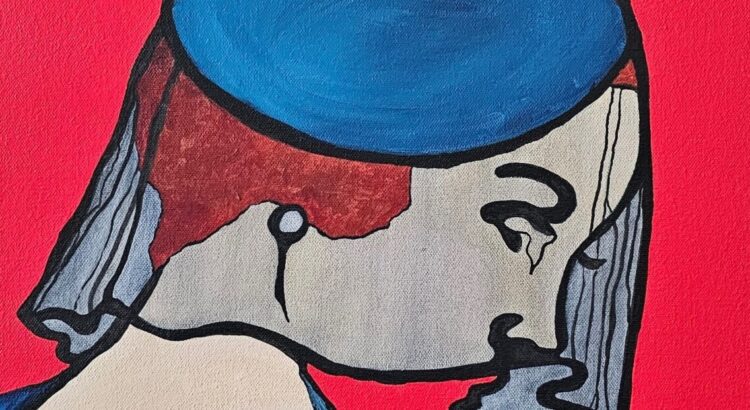
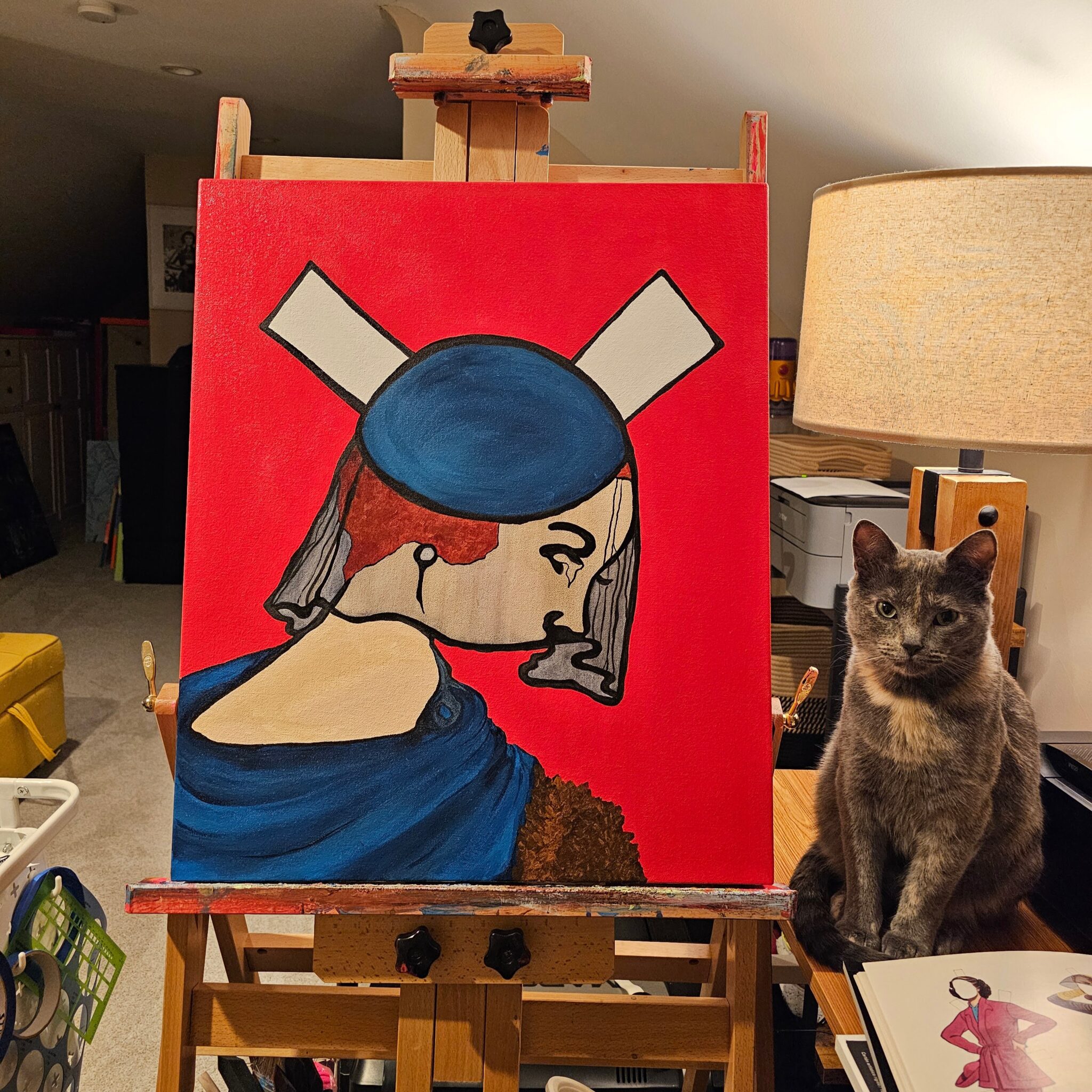
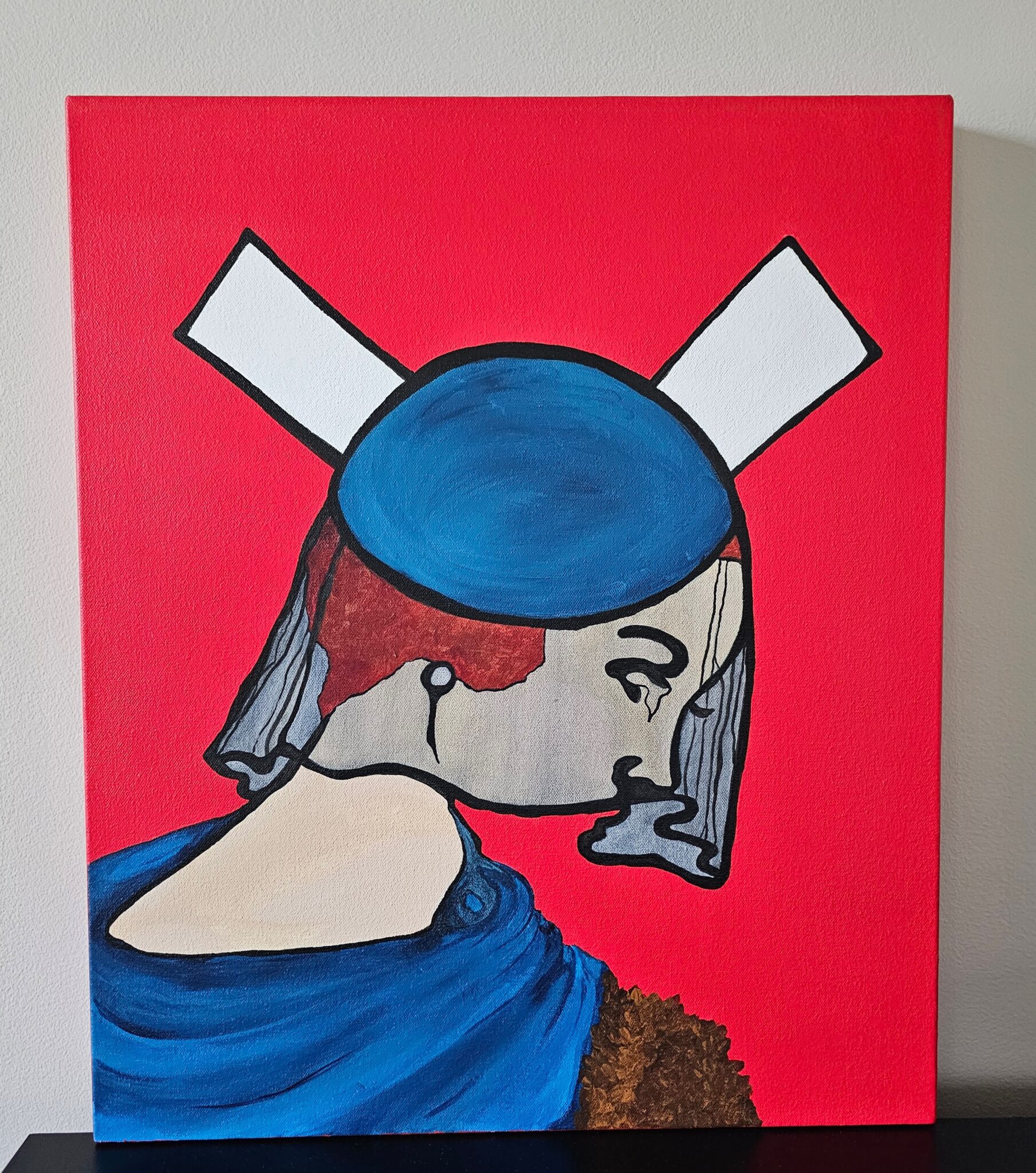
I’ve been up in my attic tinkering away on Promising Mad Woman, a series of paintings in progress — ten works in total, six completed, four underway — that examine fictional women on the brink of being labeled “mad.” These figures, faceless and stylized as paper dolls, inhabit the threshold between power and disposability, selfhood and spectacle.

I’ve been obsessed with painting these gals the last year. Each work starts with a highly intentional color field — a single, saturated background that acts as emotional atmosphere and formal anchor. Over this, I construct the doll figure using acrylic paint, layered textures, and select applications of stitched thread and textile-inspired motifs.

At the heart of this series is a question of acceptability. By painting these dolls at scale, in lush or acidic color fields, I’m reframing materials and imagery long associated with domesticity and so-called low craft. The paper doll, once a tool of gender training and fantasy, becomes an object of confrontation and inquiry. The figures are flattened, stylized.

I love when they look grotesque (no face, no jaw, etc.). The brushwork is assertive, and the heavy body paint surprisingly handles contradiction well: softness meets sharp edges, precision meets disruption, black outlines act as fence holding the doll back *and* a fortress she’s using to keep herself in tact. 

I want each painting to feel like it’s holding something just under the surface. A tension that resists tidy conclusions.

***

Color is a structuring force in Promising Mad Woman. The backgrounds are fields of pressure. Drawing on the visual language of pop art, I use vivid color to grab your attention and keep it there. These fields frame the dolls in heightened psychological space. They vibrate with emotional contradiction. Seductive but unresolved.

This use of color serves a dual purpose. It makes the work visually immediate while complicating its interpretability. Like the figures themselves, the color is too much in a way that has historically been gendered: Too loud, too bright to be serious. That, too, is the point. I want to place things which are easily dismissed — flowers, fashion, beauty, dolls, women, excessive color, quilting, craft — at the center of the canvas. And dare to take them seriously.

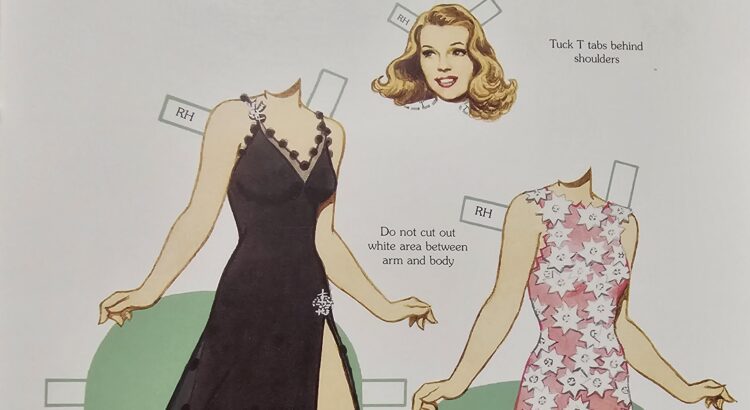
The paper doll format is both visual and conceptual. I first got into this idea when I saw these old paper doll books at my friend Sarah’s apartment. They were captivating, and I wanted to paint them immediately. Paper dolls reflect the historic treatment of women’s identities as interchangeable and ornamental, a dynamic reinforced through design, fashion, and domestic imagery. At the same time, I love design, fashion, domestic imagery. Being a girly girl is fucking cool. It can also be restrictive. The way paper dolls hold all that tension in one dimension is so interesting to me.

In Promising Mad Woman, the dolls refuse to perform. Their facelessness is a balance of loss and refusal of singular authorship, of easy empathy.

***

Each painting is named for a character — fictional, literary, mythic — whose story flirts with the trope of the “madwoman.” Characters like Marguerite (Camille), Makarie (Wilhelm Meister’s Travels), Brandy (from the Looking Glass song you hear on every classic rock channel ad nauseam), and Callisto (Metamorphoses) all exemplify the cultural suspicion of women who deviate from expected roles. As Sandra Gilbert and Susan Gubar write in The Madwoman in the Attic, in their analysis of the Angel of the House, “to be selfless is not only to be noble, it is to be dead.” I want to live my life in a way that redefines what selflessness looks like — on my terms. That’s what this work is helping me explore.

***

The series will (fingers crossed!!!) be completed by the end of the year. My goal is for the ten paintings to be shown together as a single body of work. Their impact is cumulative. Seen individually, each doll suggests a narrative. Seen collectively, they become a haunting chorus of resistance and controlled chaos. The power is in their gathering.

This is a series about how the aesthetics of femininity and “women’s art” have been both celebrated and used to silence.

It is modern woman’s work to find your own interpretation among all that.

All the artwork in baby’s room (so far)

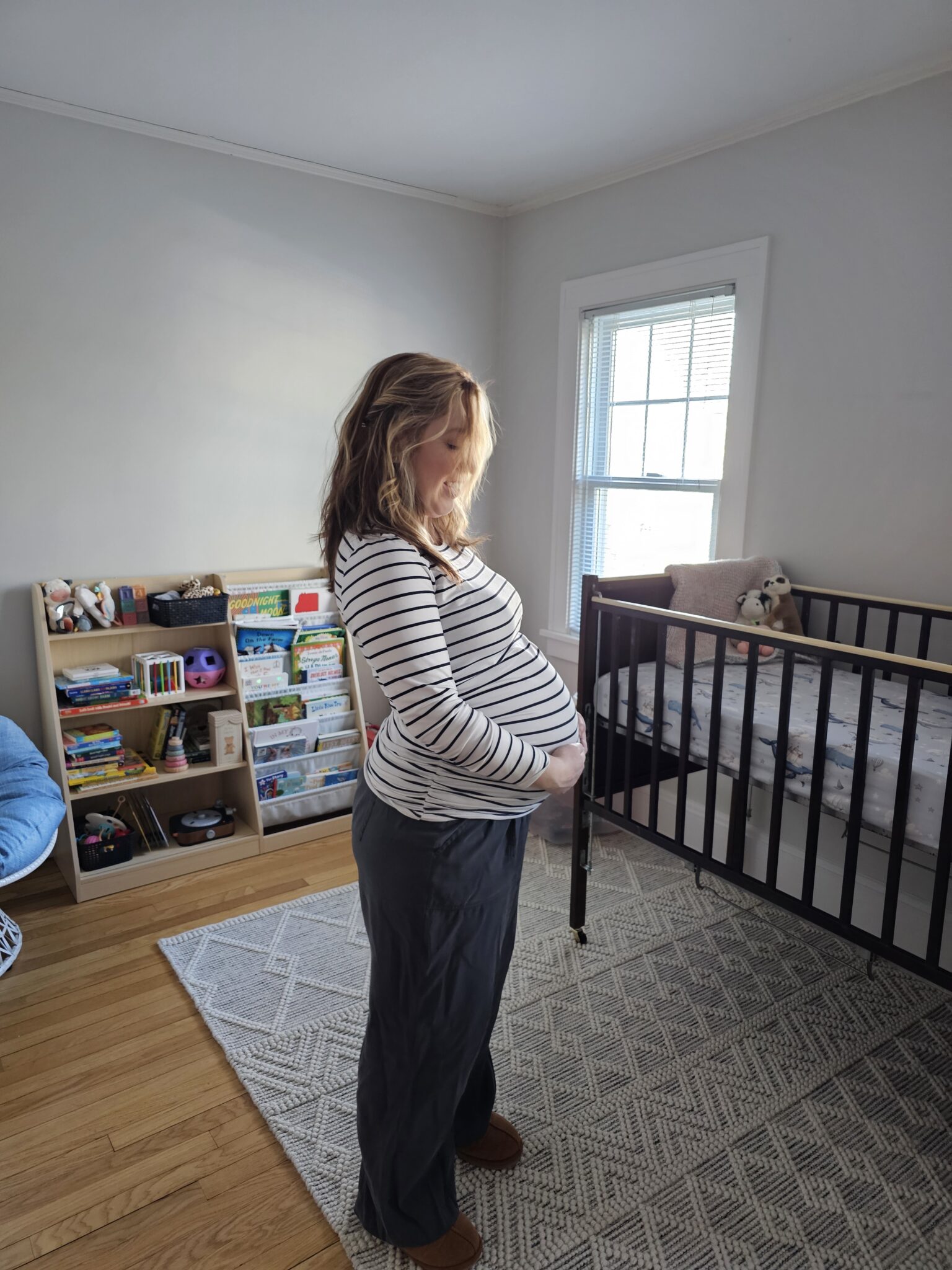
Girlfriend’s not here yet, though she’s certainly making herself (and her strong legs) known in my uterus. We can’t wait to meet her and have spent a ton of time getting everything ready for her arrival.

The most fun part has not been—surprise!—all the “prepared childbirth” classes (helpful, but yikes), but rather decorating her cute little bedroom.

Here’s how it’s going so far, artwork-wise:

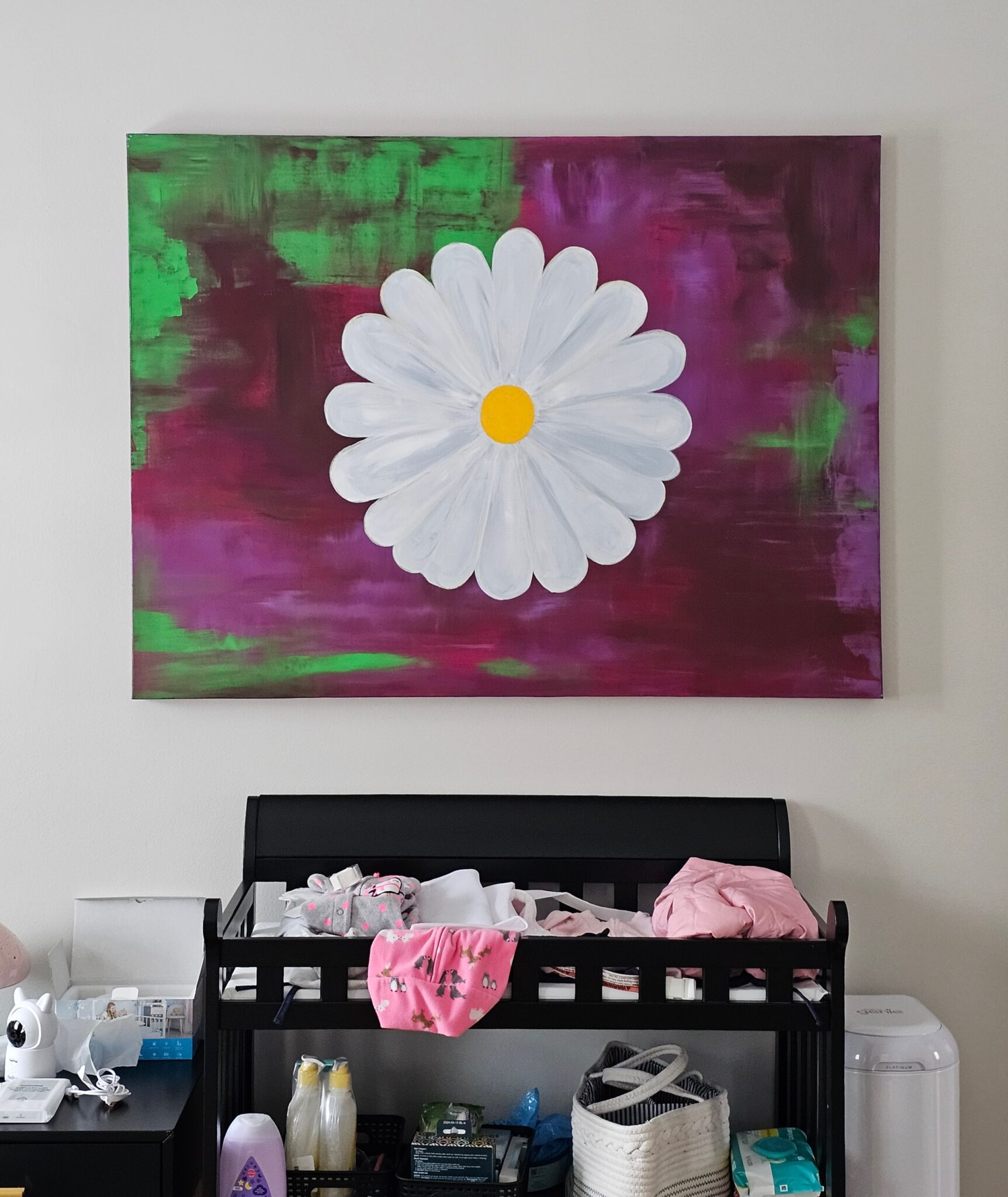
The base of this bad boy, which hangs above her changing table, is from the series of large abstract paintings I made in Chicago right before moving to Cleveland. Back then, I showed the works to my good girlfriend and her toddler-age daughter, who adored this purple and slime green color combo. So, I decided if she loved it, my girl might too. I brought it upstairs and painted the daisy in the middle just to give it something special.

Babies love high-contrast stuff. Newborns in particular are naturally drawn to high-contrast images because their eyesight is still developing.

FUN FACT! The darkening of a mother’s nipples during pregnancy and postpartum is related to this concept. Known as hyperpigmentation, this change is partly nature’s way of making it easier for newborns to locate the nipple for breastfeeding. (Seeee, we were paying attention in those childbirth classes.)

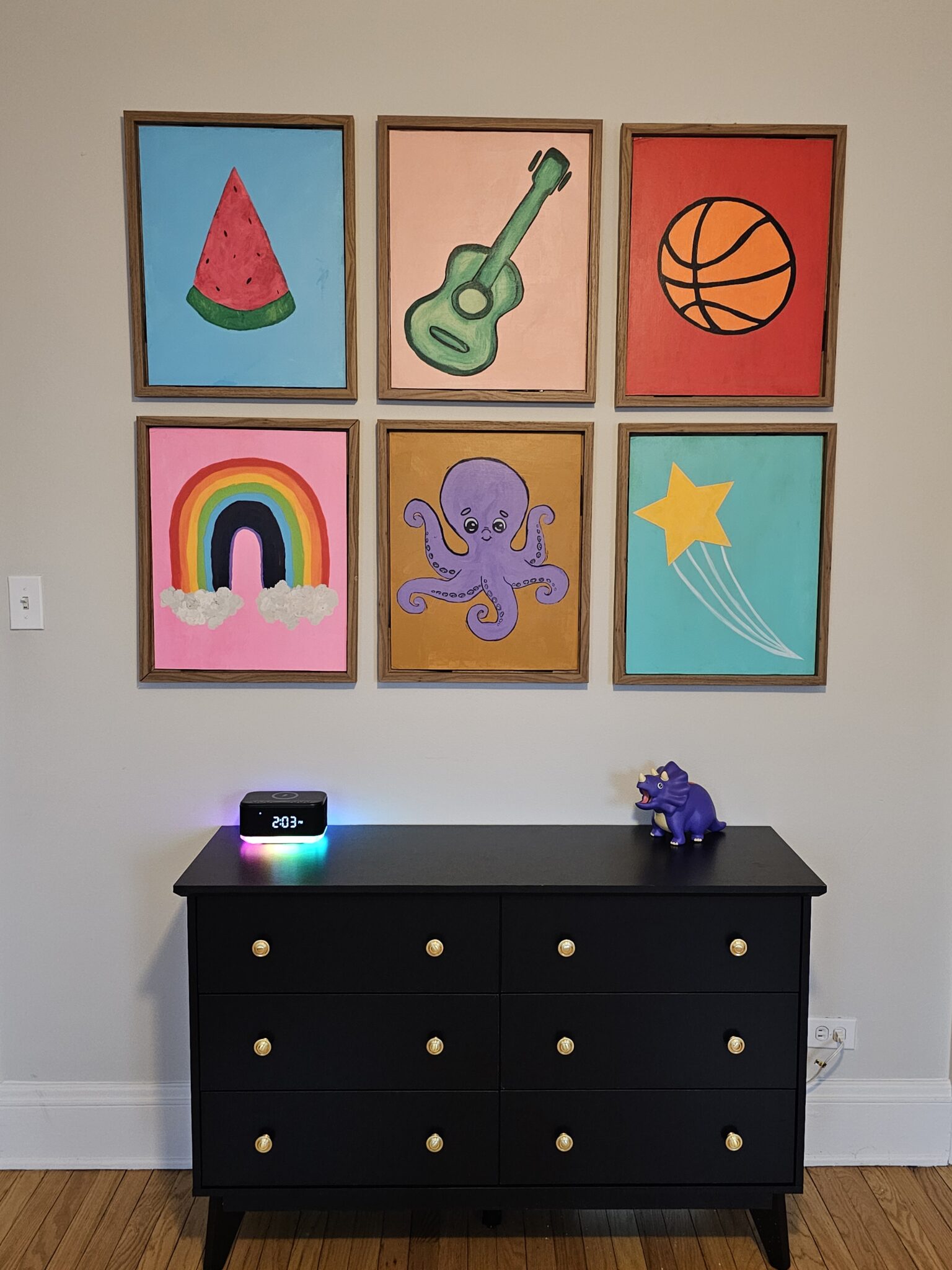
I made this series of six paintings with a bright colored background and single, colorful object foreground with this idea in mind. I want baby to feel excited about all there is to explore in the world. And now we can teach her about things like weather phenomena and Dennis Rodman at an early age!  🌈🏀🐙🎸🍉🌟

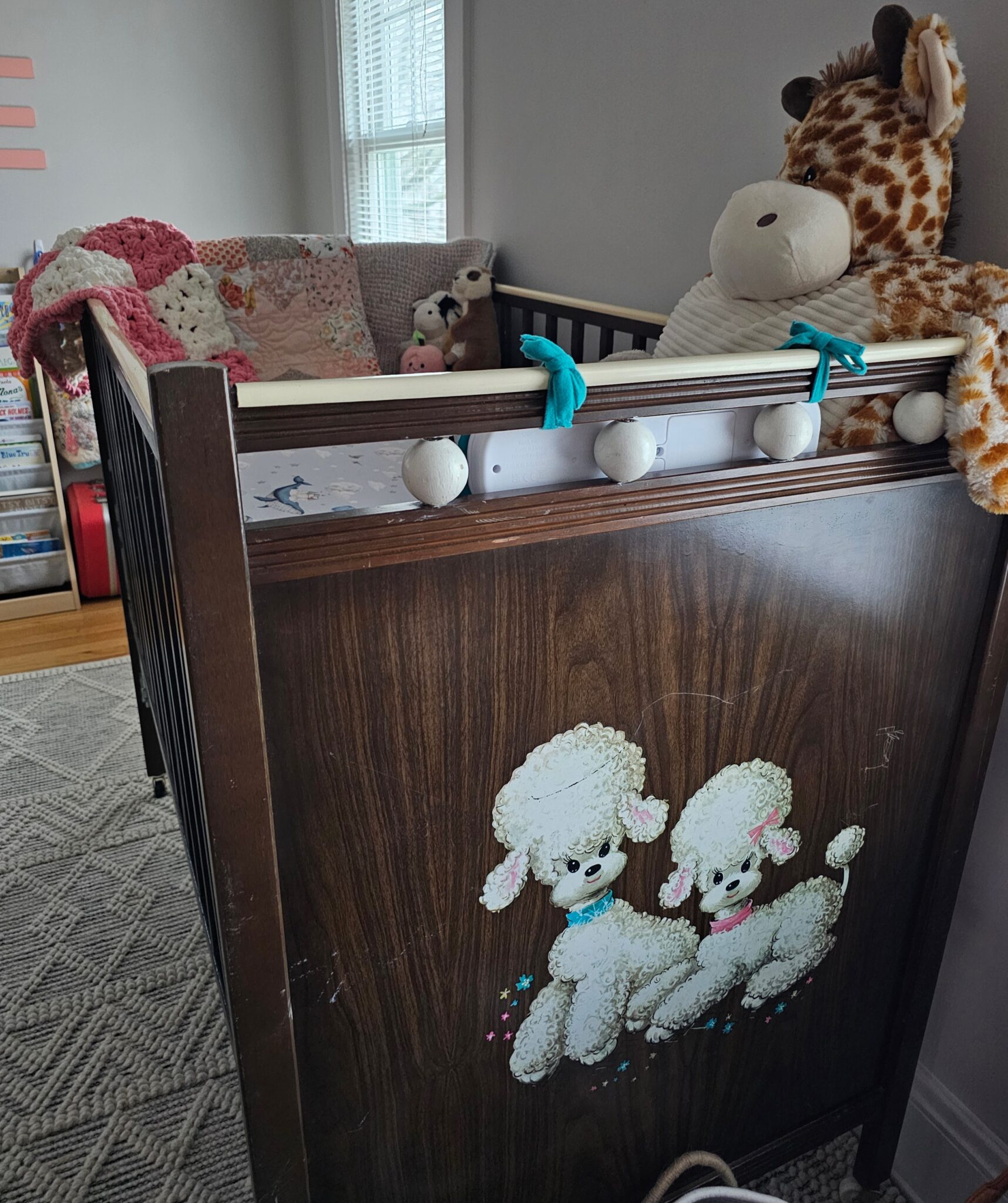
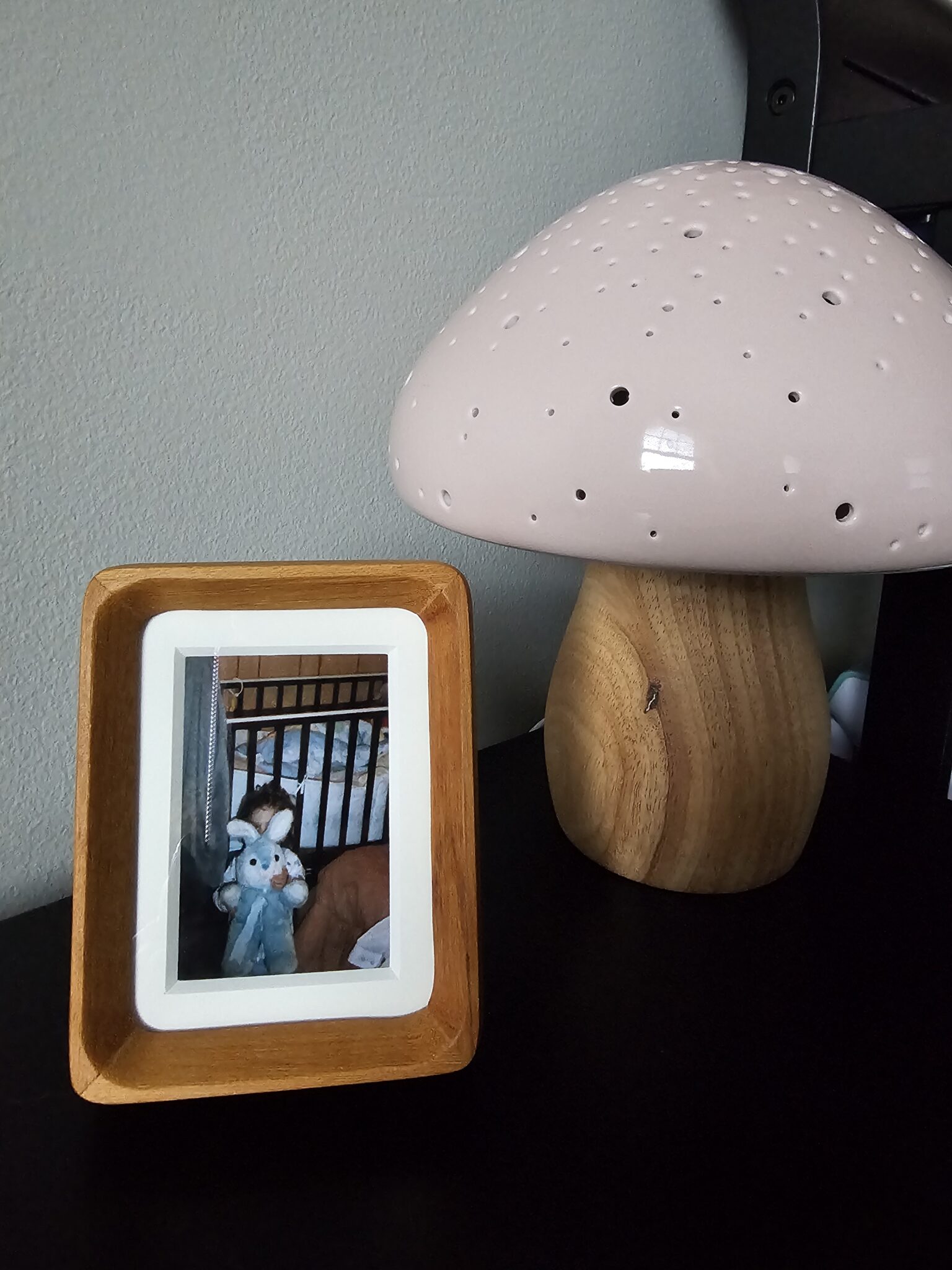
Doug’s parents brought us this crib they’d been saving since the 1980s. It still works and is still safe and is still retro adorable. Look at those fluffy lil poodles. When I found this photo of baby Doug standing in front of the very same crib circa 1989, I knew I had to frame it and place it in the room too.

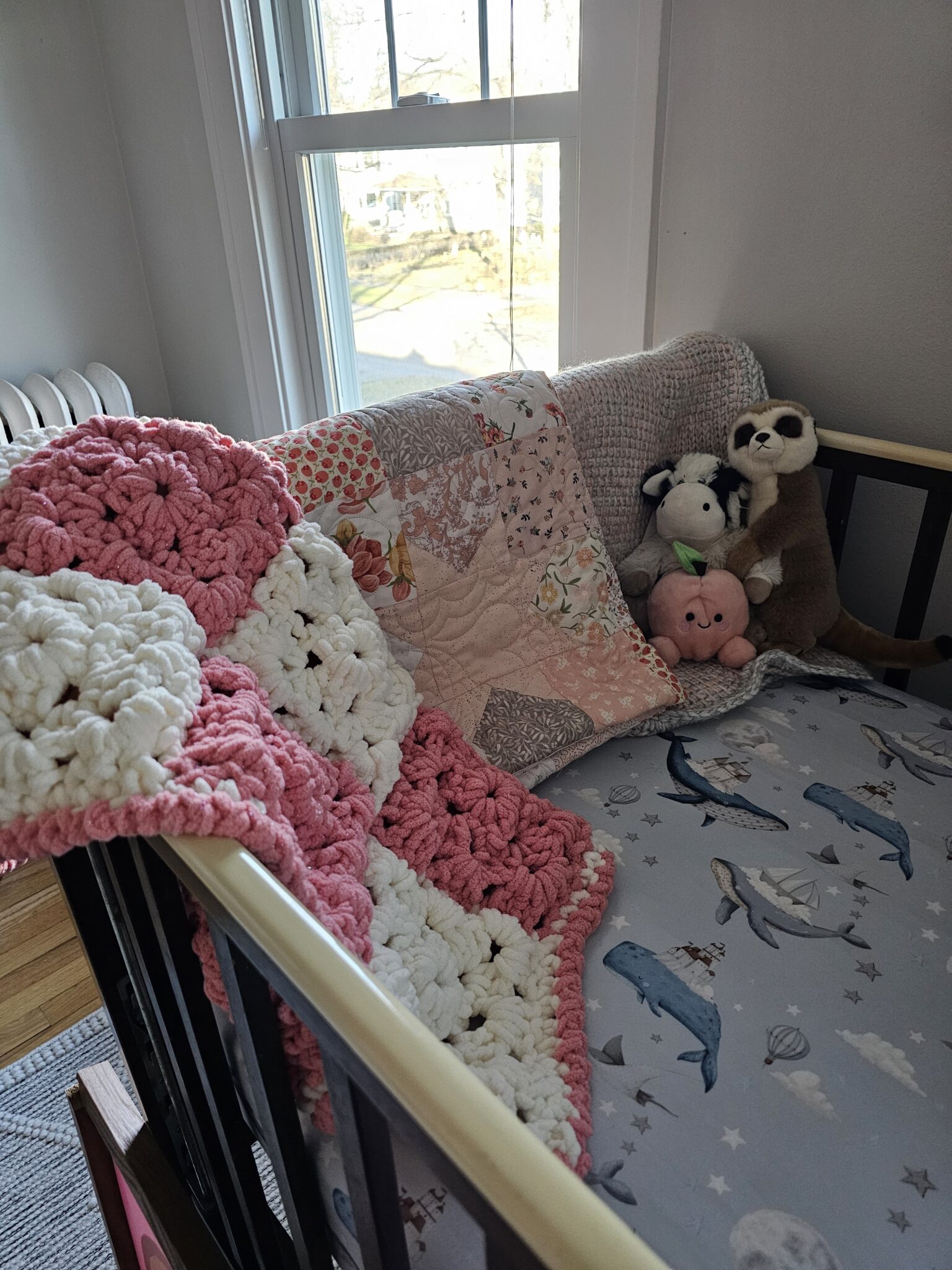
We’re a house rich in handmade gifties! This three-piece peachy powerhouse of knitted, quilted, and crocheted blankets are some of my favorite items we’ve received via the outpouring of love and generosity from our friends and family. I know how much work goes into making these pieces, and I’m forever grateful. Can’t wait to wrap our little one up in all that extended love!

A quick and dirty year in review: 2024

Everyone’s doing those sweet look-backs on social media. Here’s mine.

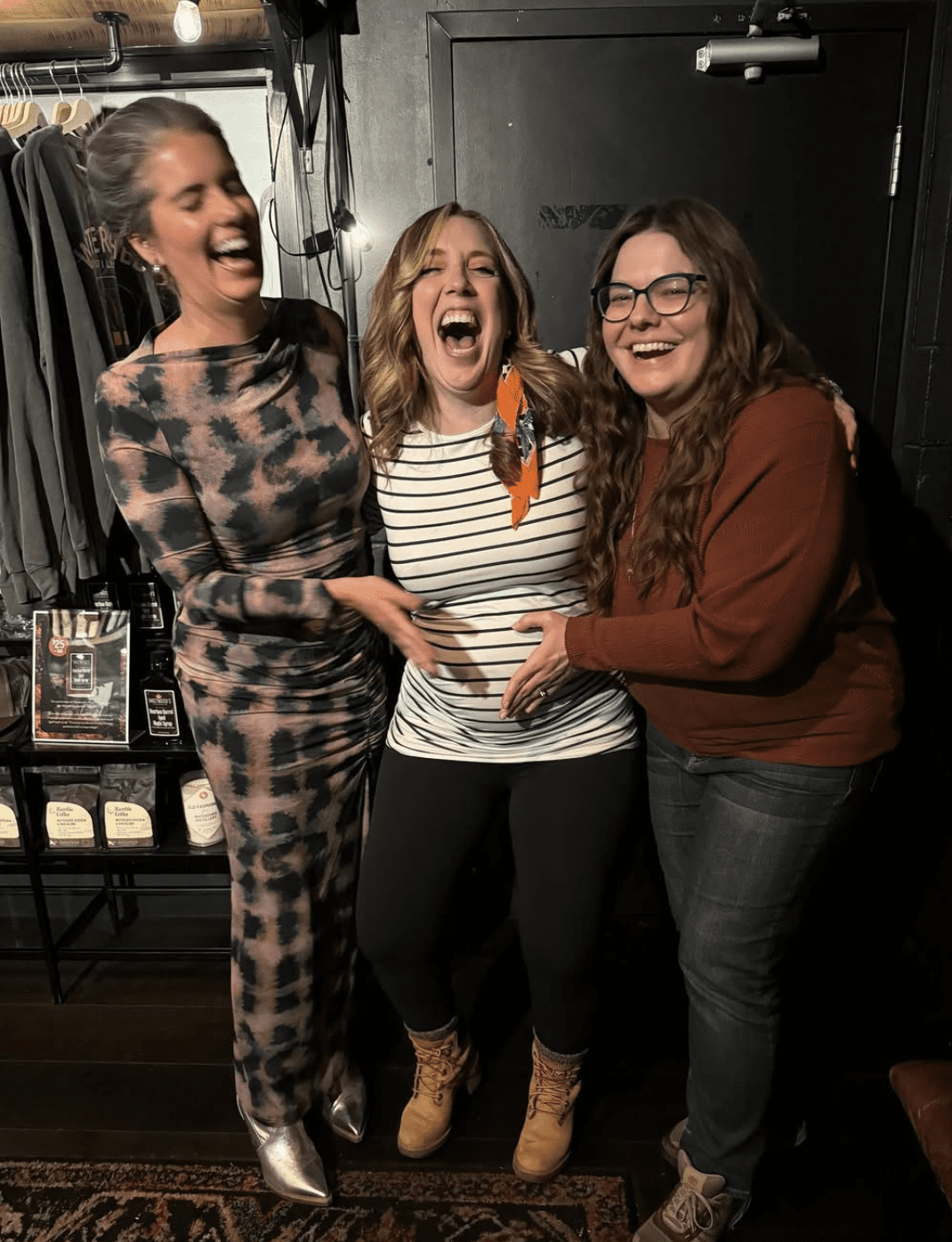
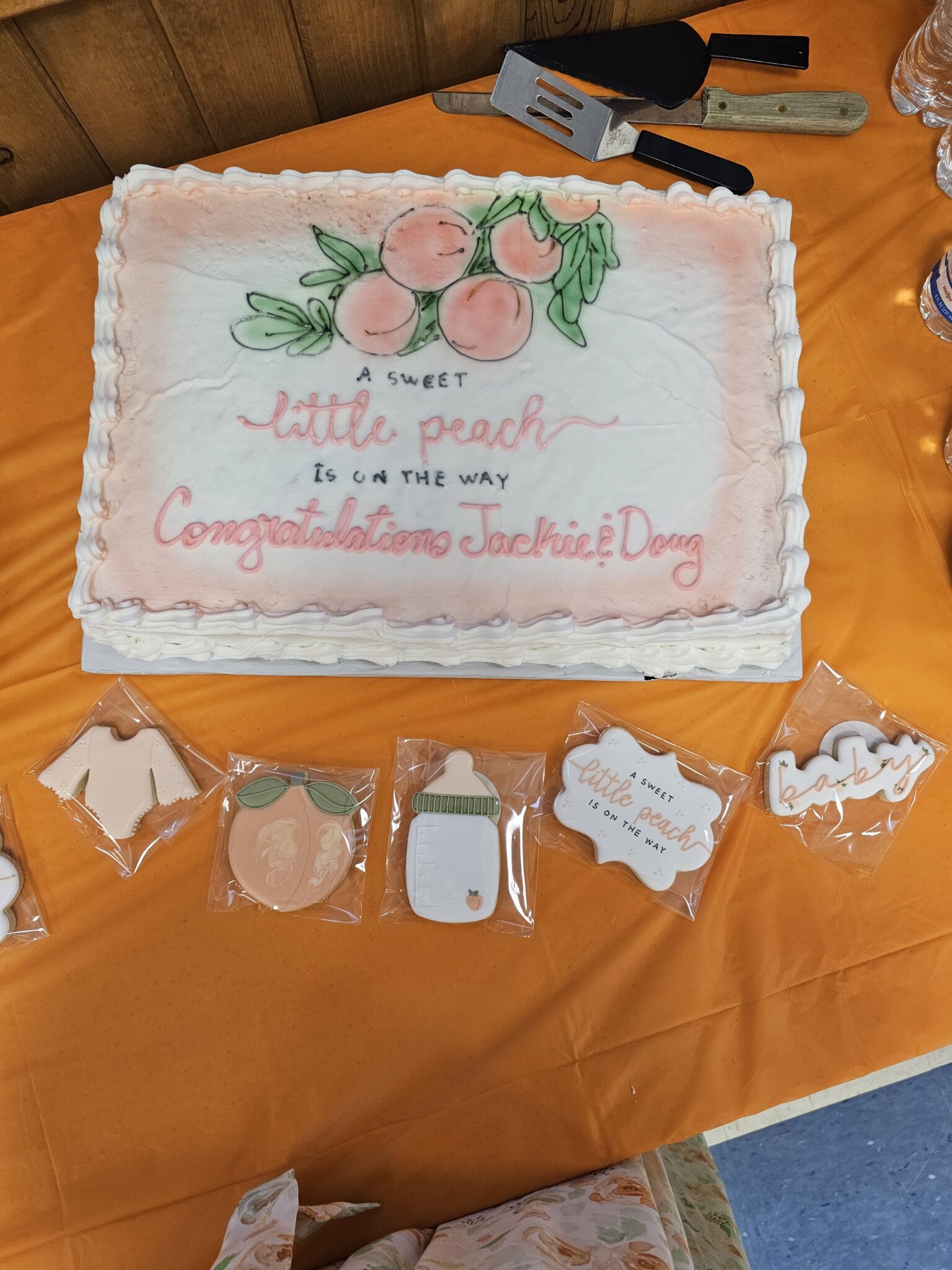
I got knocked up! Yay! Baby’s due January 2025 (aka any day now… gulp).

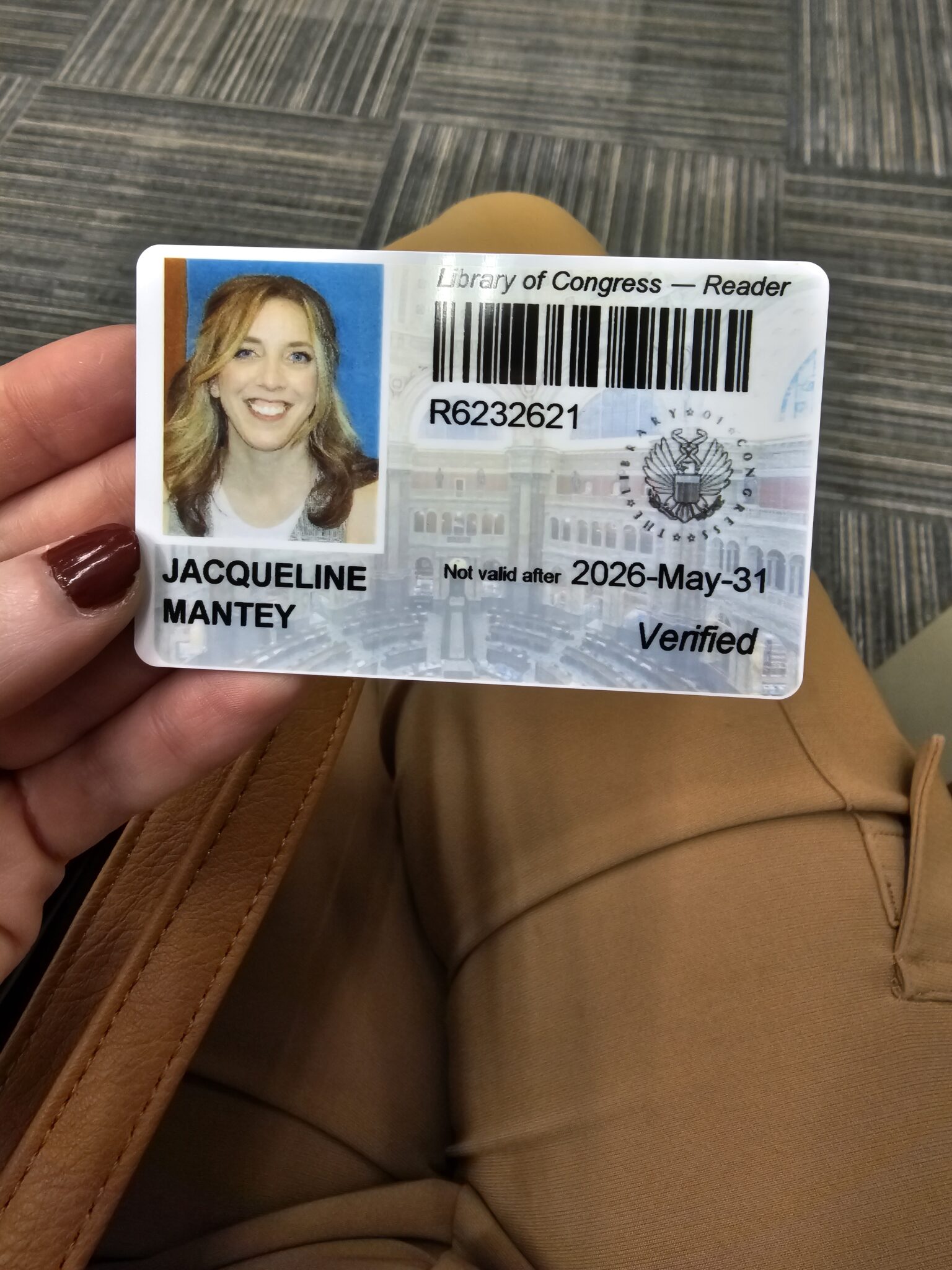
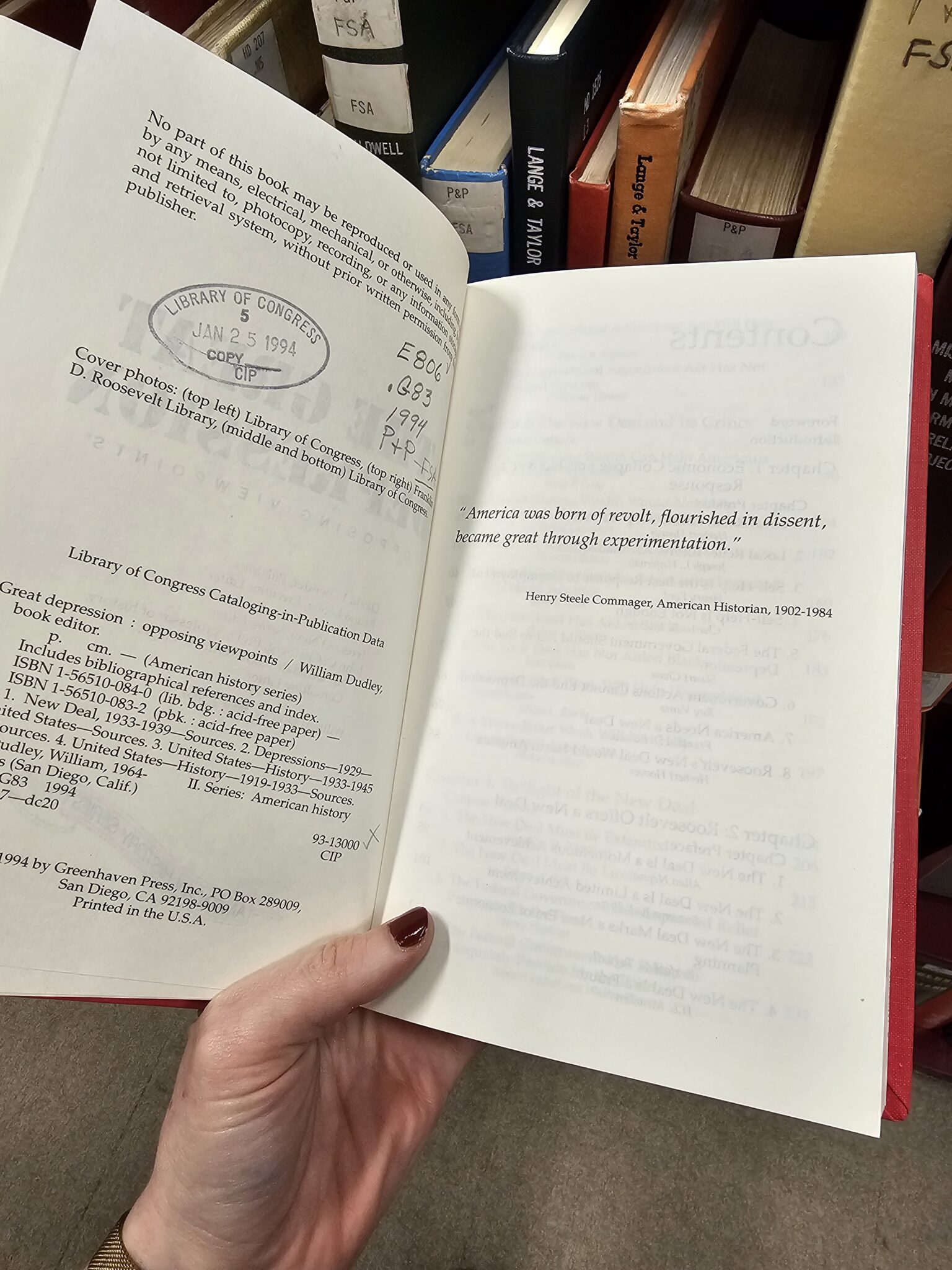
Morning sickness really took root while we were in Washington D.C. to do some research at the Library of Congress. Did you know you can do that?! It’s the People’s Library after all. You even get a library card, which is a way cooler souvenir than anything I bought there.

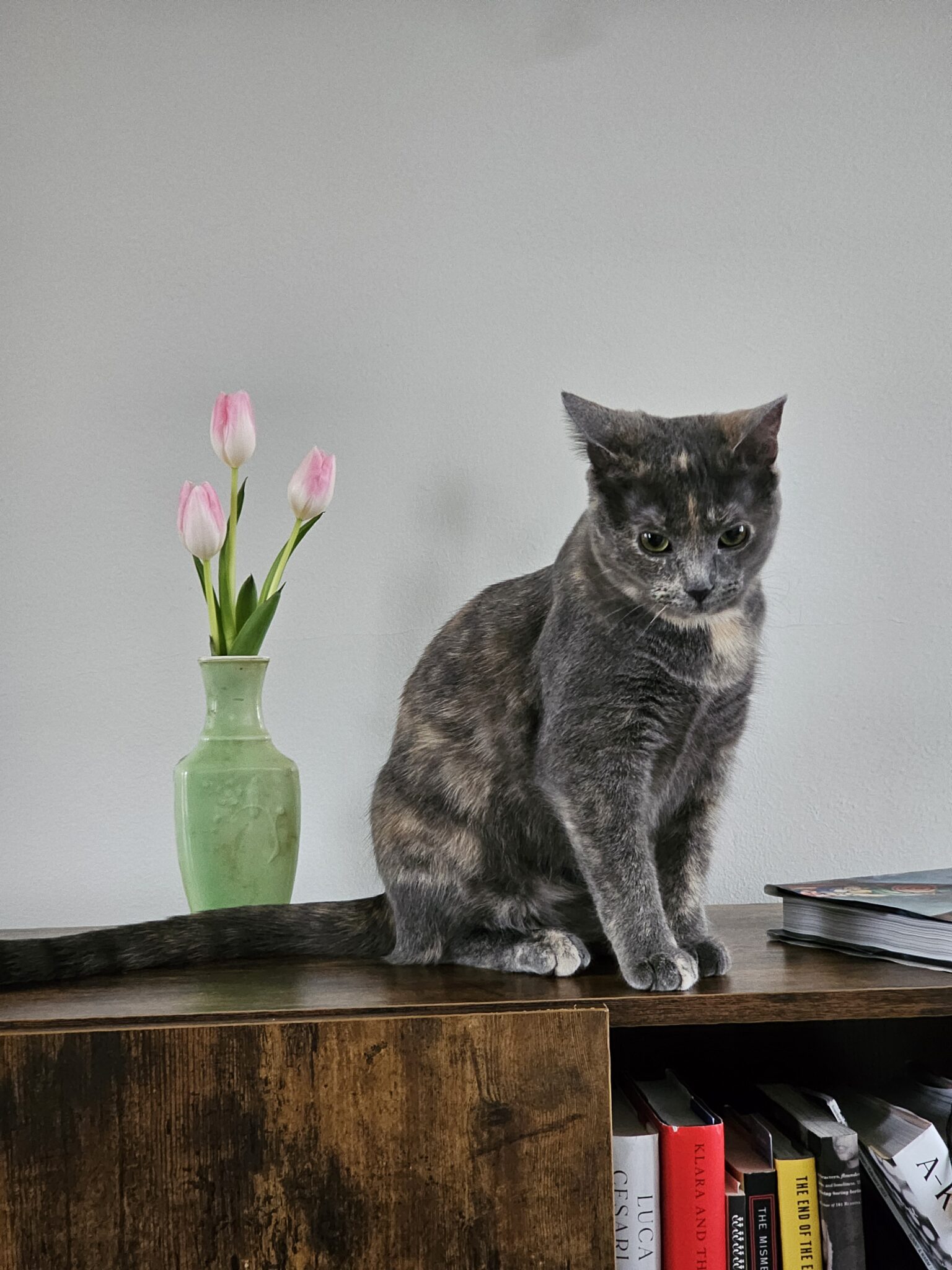
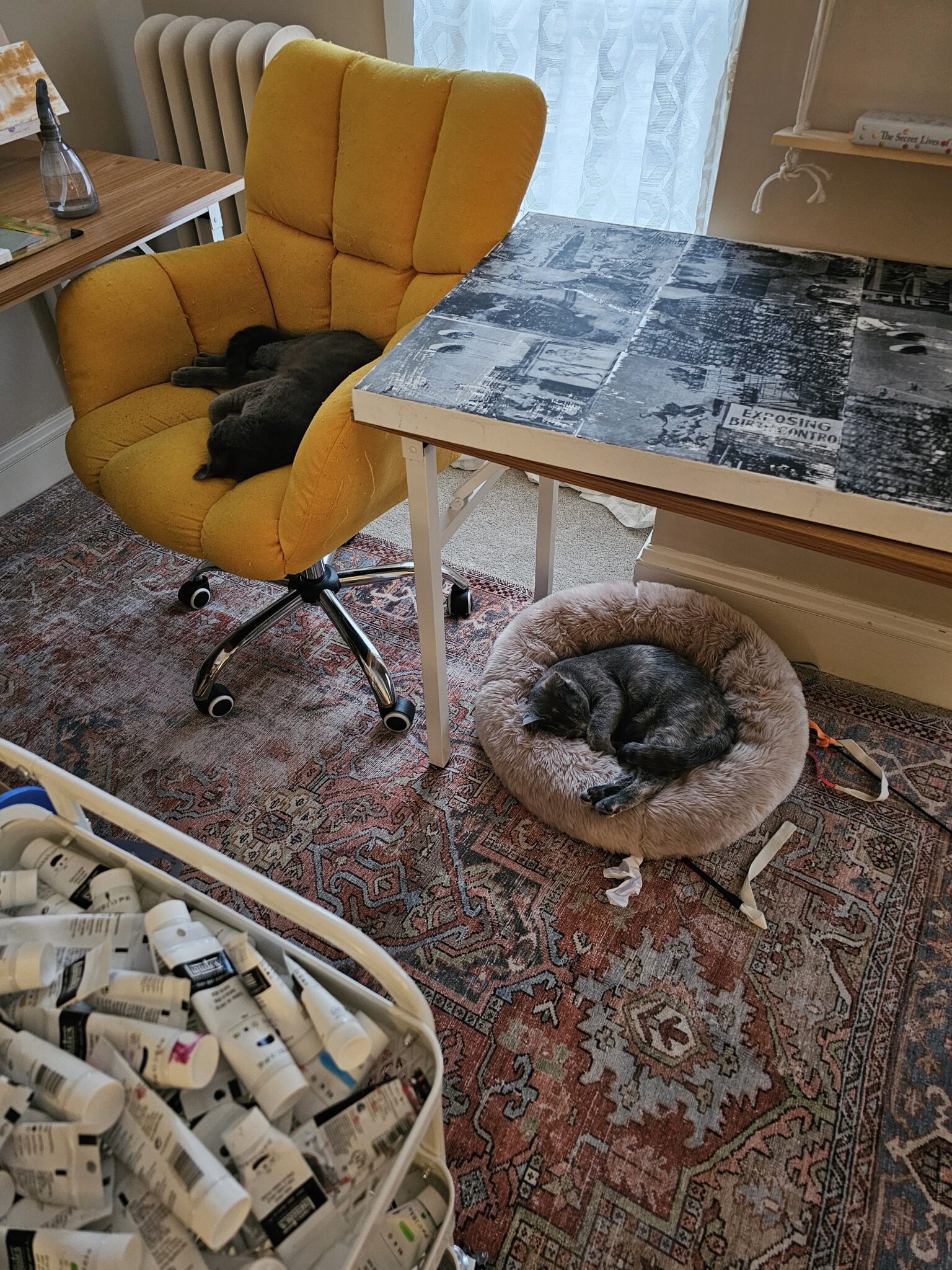
Being pregnant meant I spent a lot of time at home. Not that I was complaining. I think 2024 could basically be called my Year of Nesting… with two cute kitties.

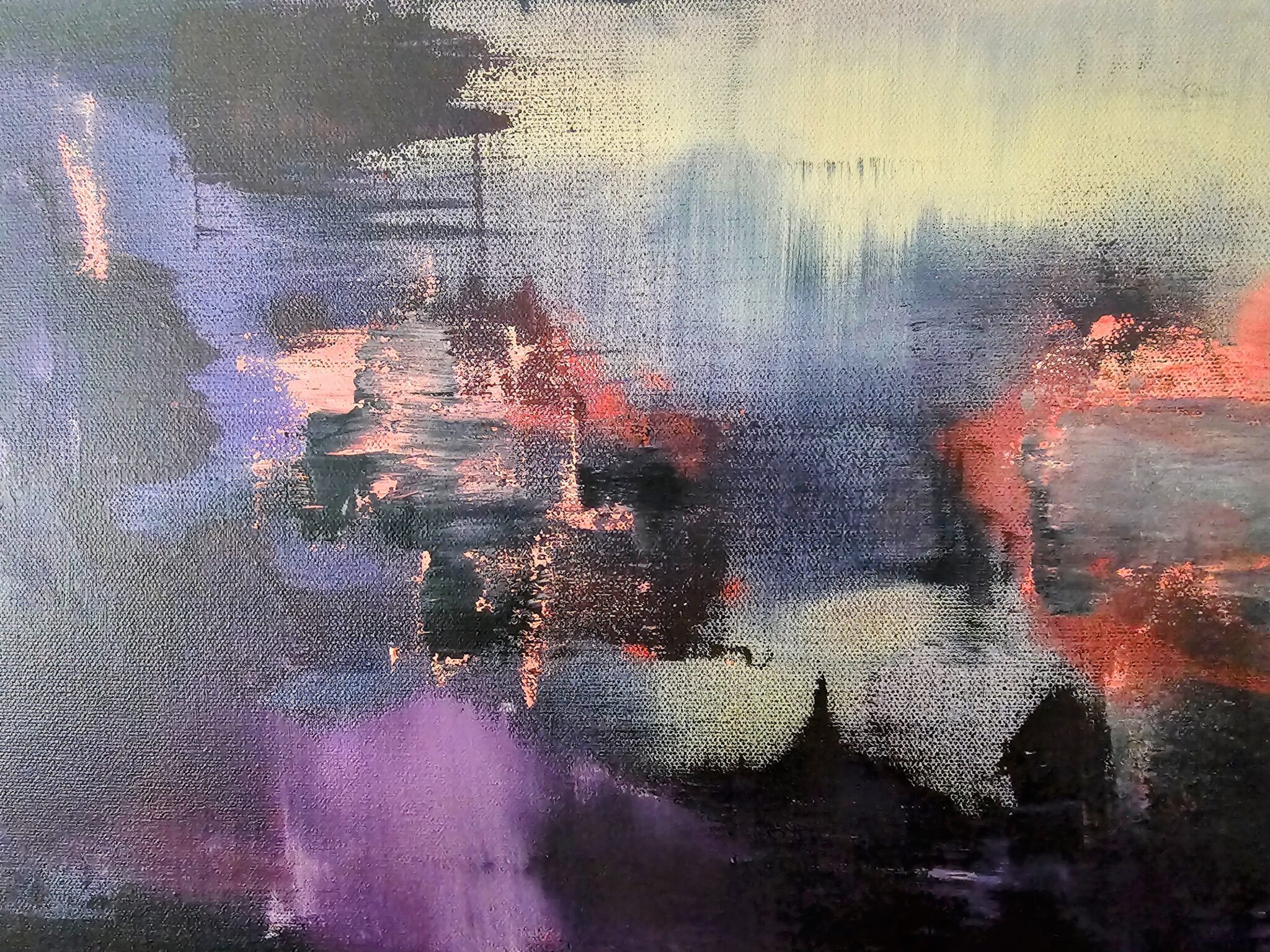
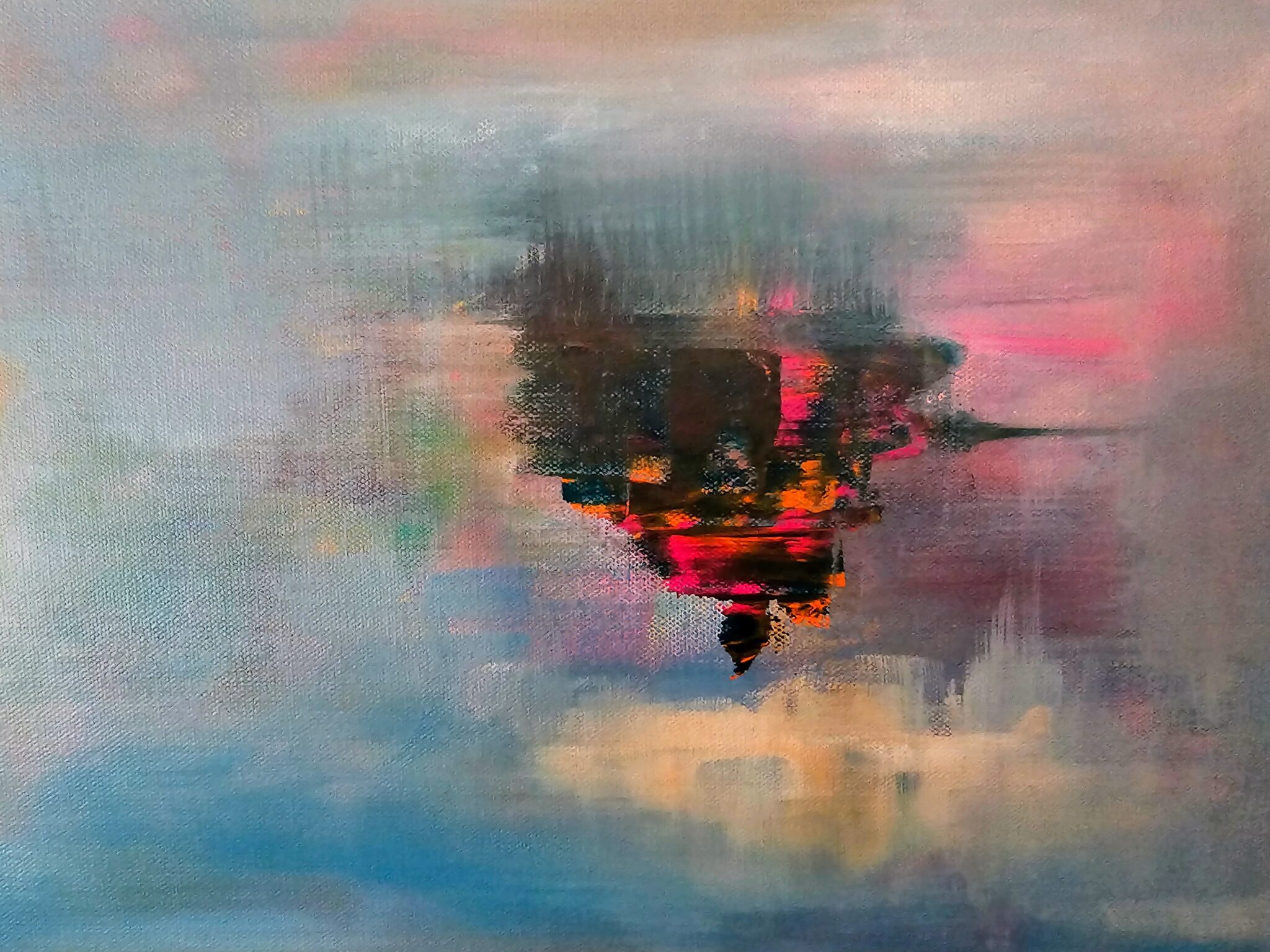
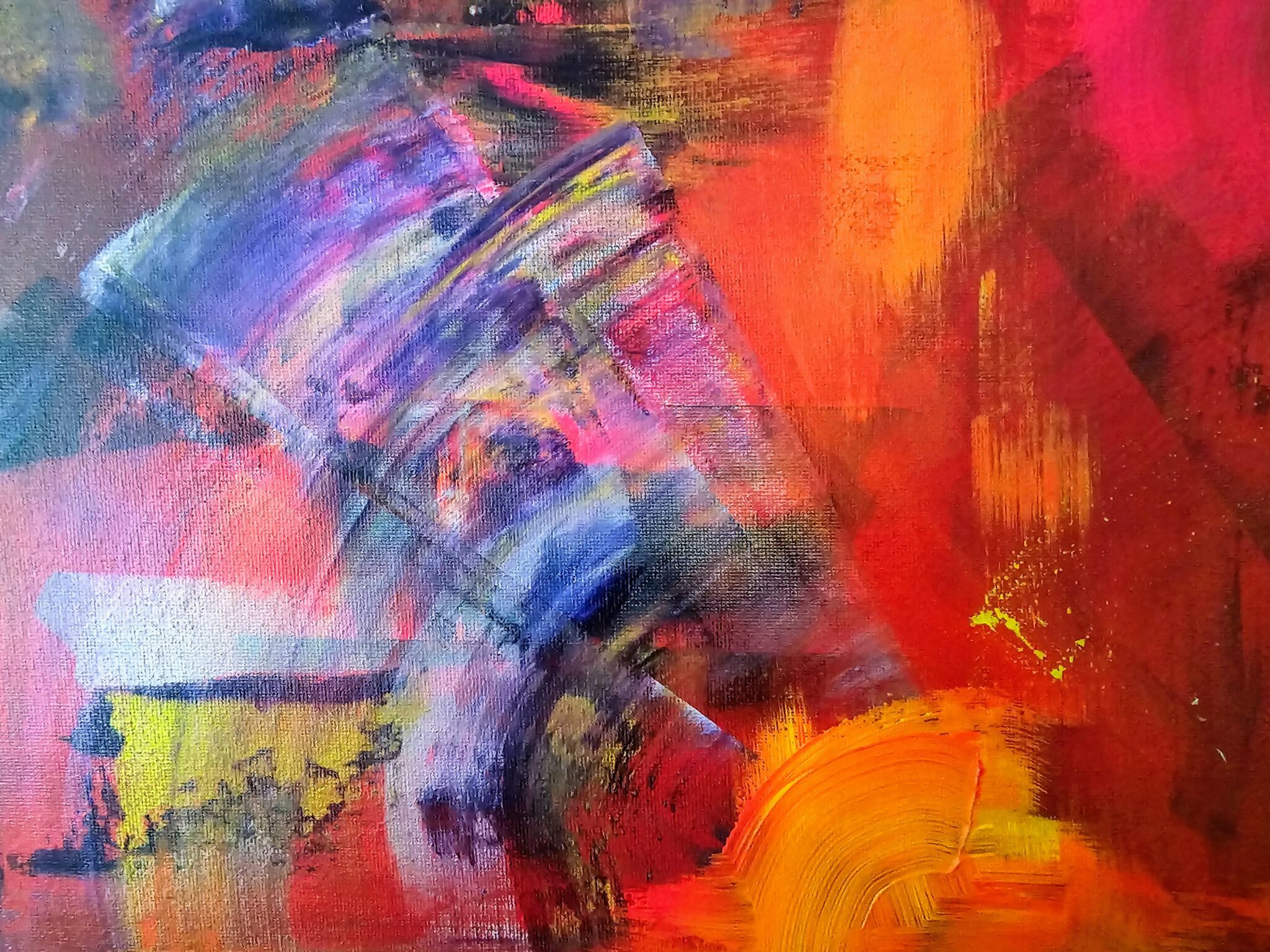
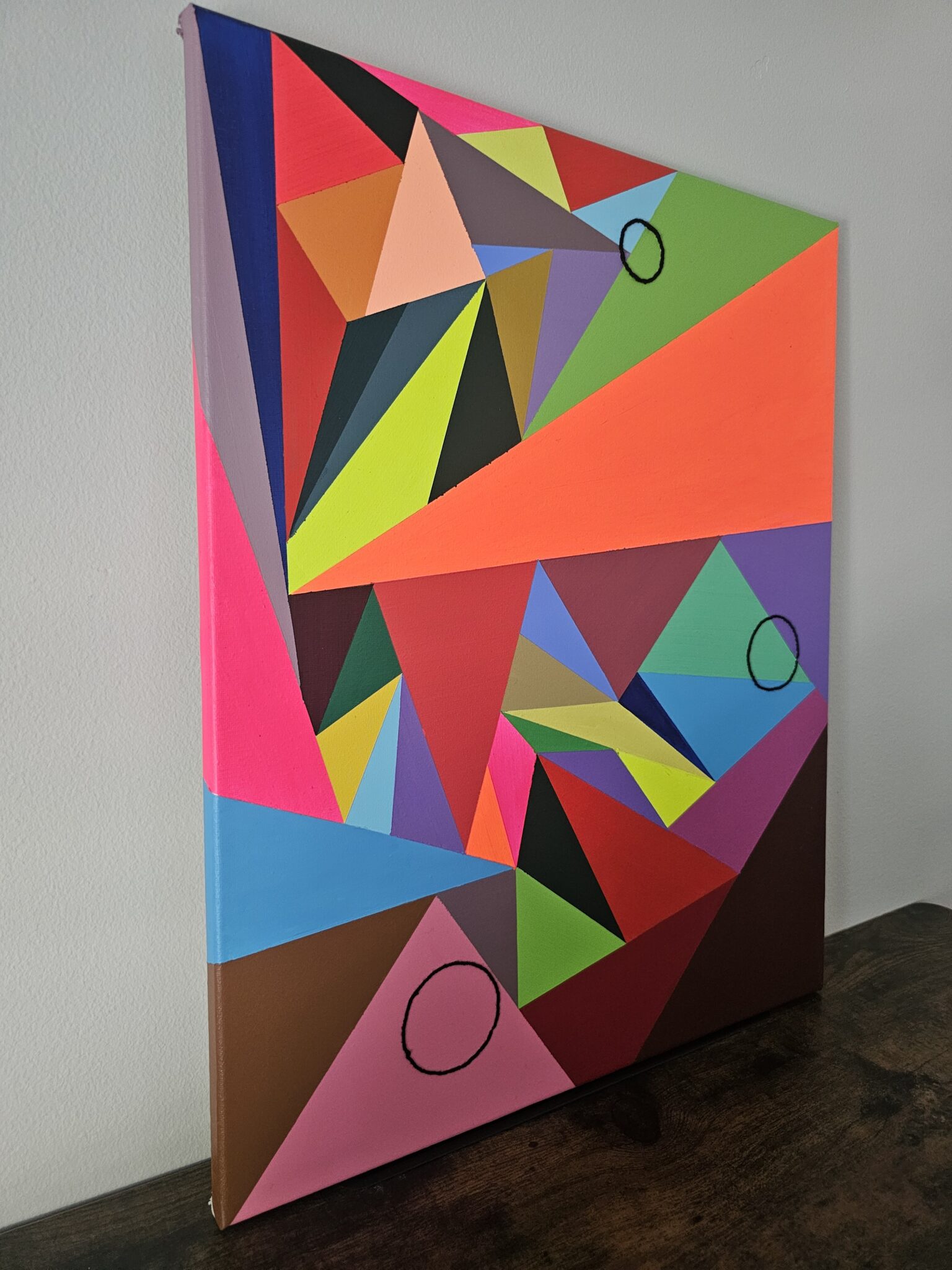
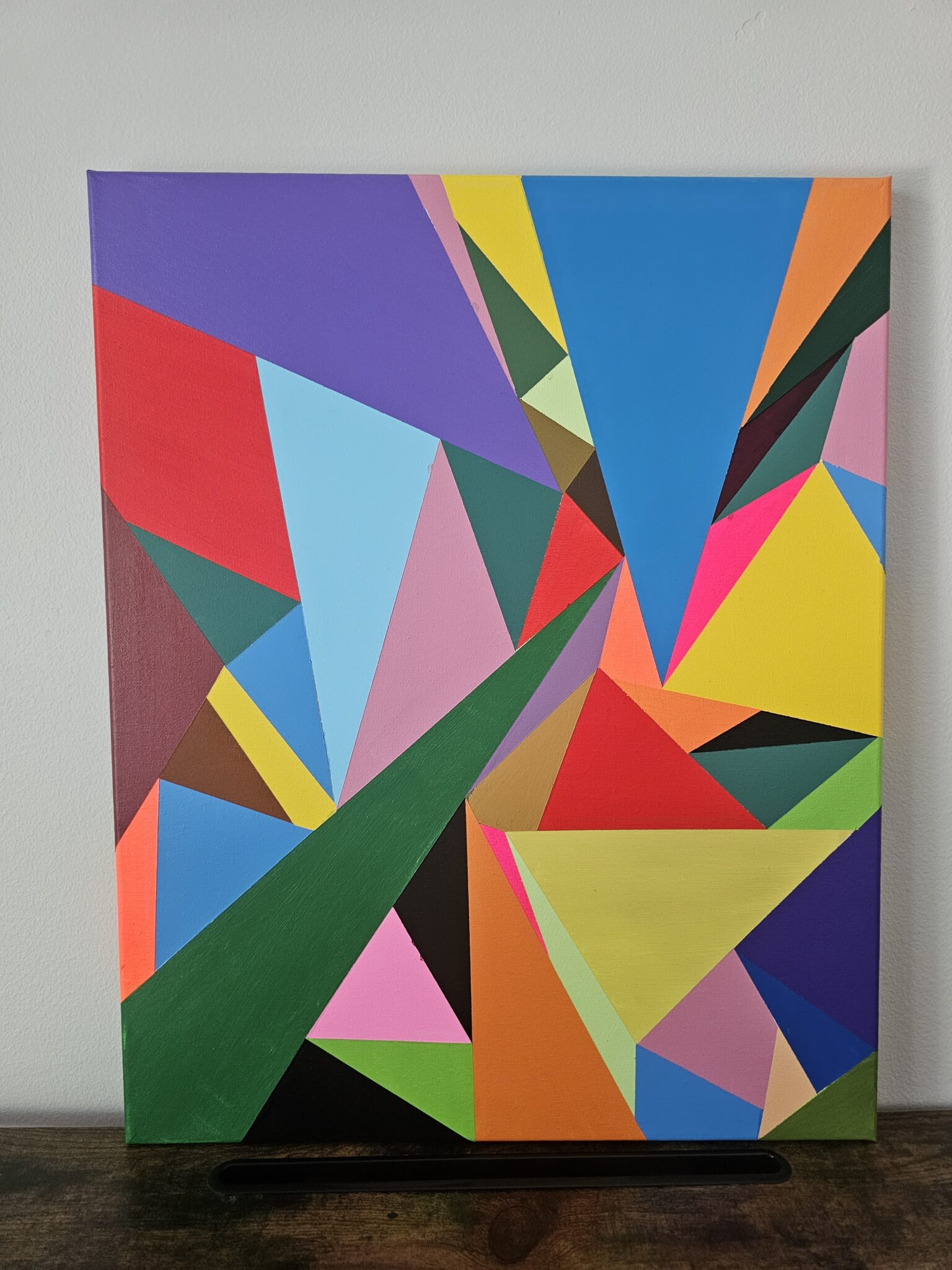
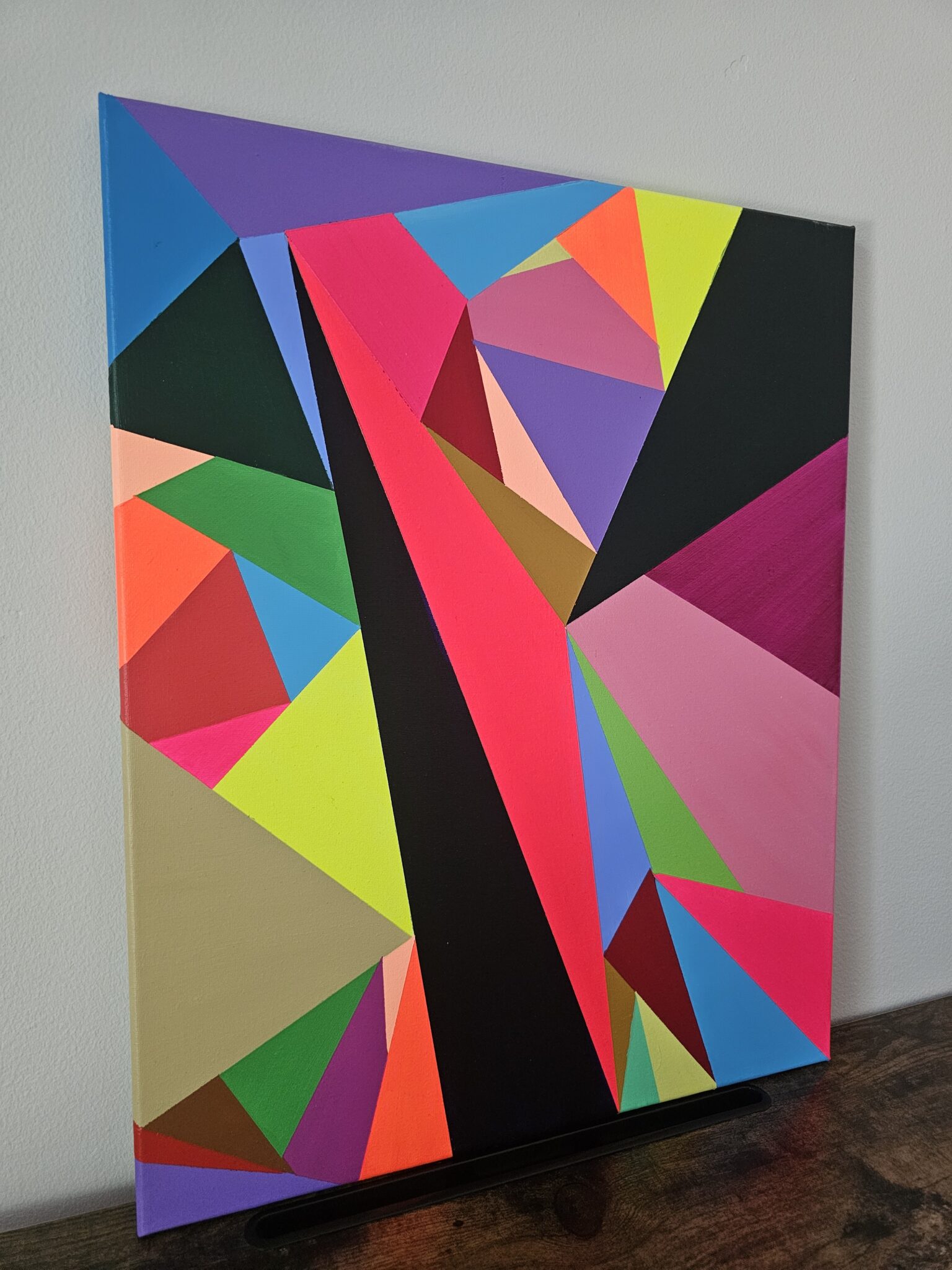
And, while at home feeling baby-nauseous, I painted a bunch of stuff, exploring new ideas that I think will coalesce into something more delicious eventually… 

Doug and I got engaged on Christmas. <3
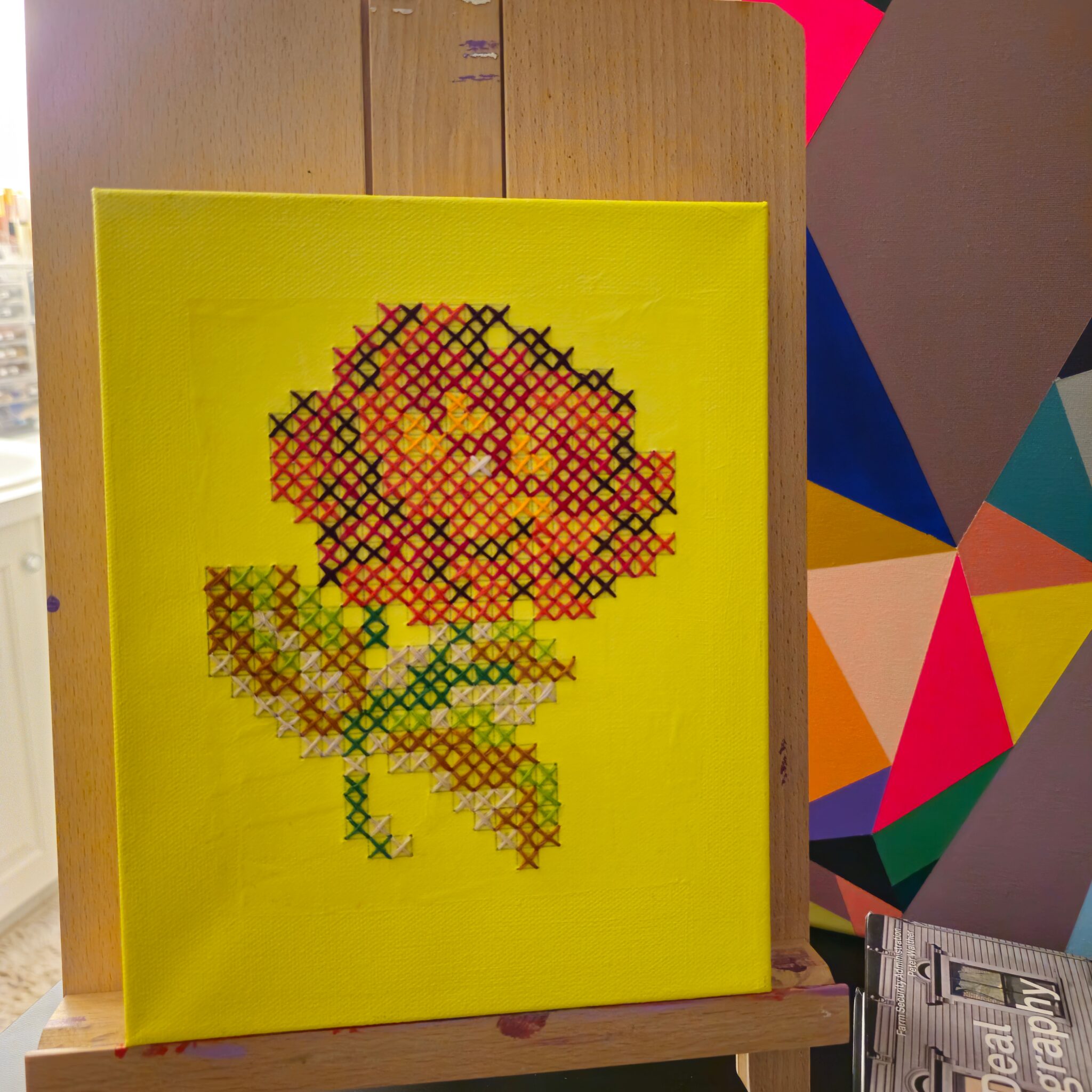
Back when we dated in college, Doug took me on a surprise visit to a neighboring village to walk around and check out the Christmas lights. I’ve always remembered this gesture because:

1) I picked a fight because I thought loving Christmas was kind of lame and I didn’t want to be any kinds of lame, but in the 15-ish years that passed since then, I would sometimes think back on how he recognized this fact about me (loving Christmas) even though I tried to hide it. I regretted picking that fight… and so many others we had simply because it was 2007/2008 and we were 20/21-year-old kids.

2) Doug biffed it on the icy sidewalk because he was wearing cowboy boots. What can I say, we were both stupid in so many ways back then. 

That we found each other again—with more mature hearts, minds, and shoe selections—will forever feel like a miracle to me.

I said yes.

New chapbook recommendation

Hooray! My dear friend Jaclyn, who just happens to also be a super talented writer (and excellent poser for my silly little photographs):

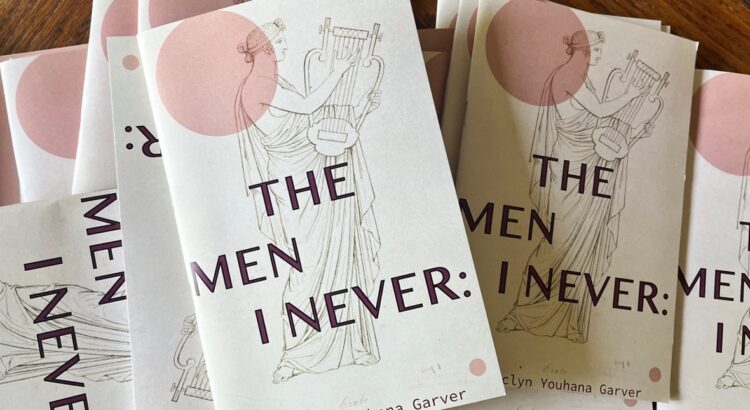
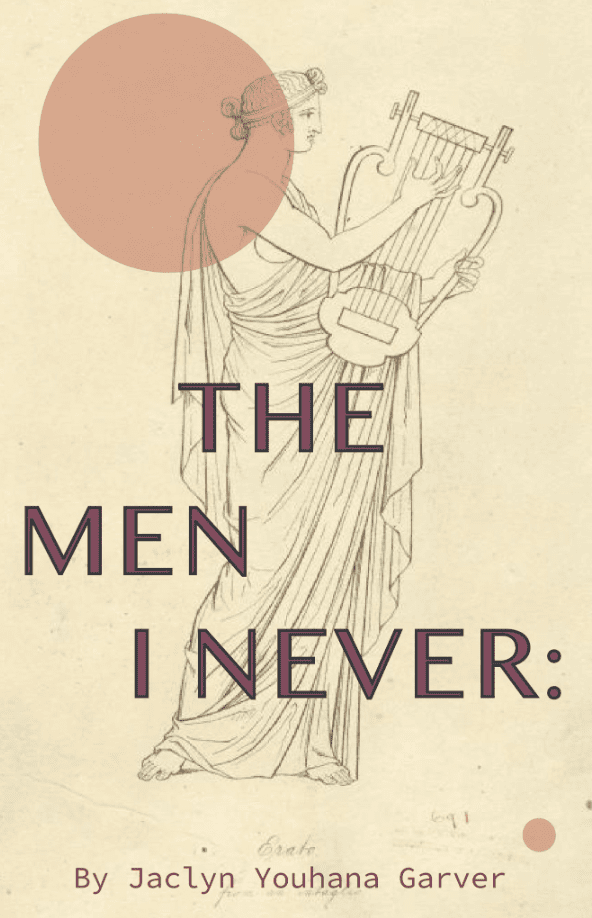
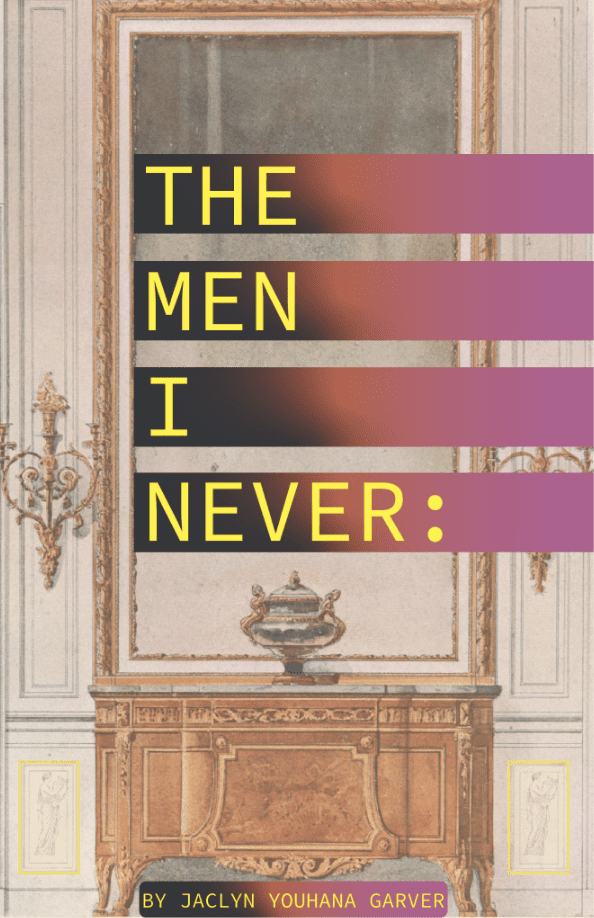
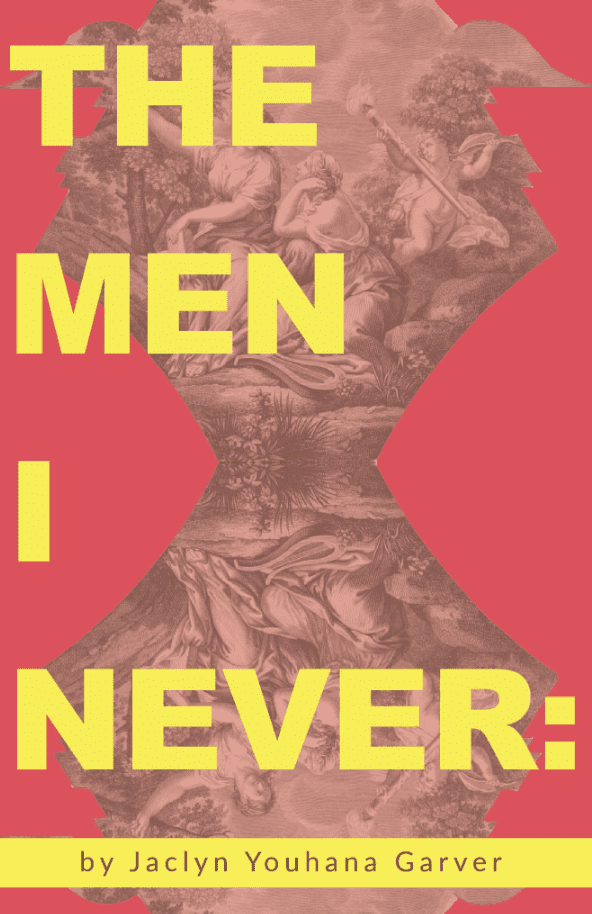
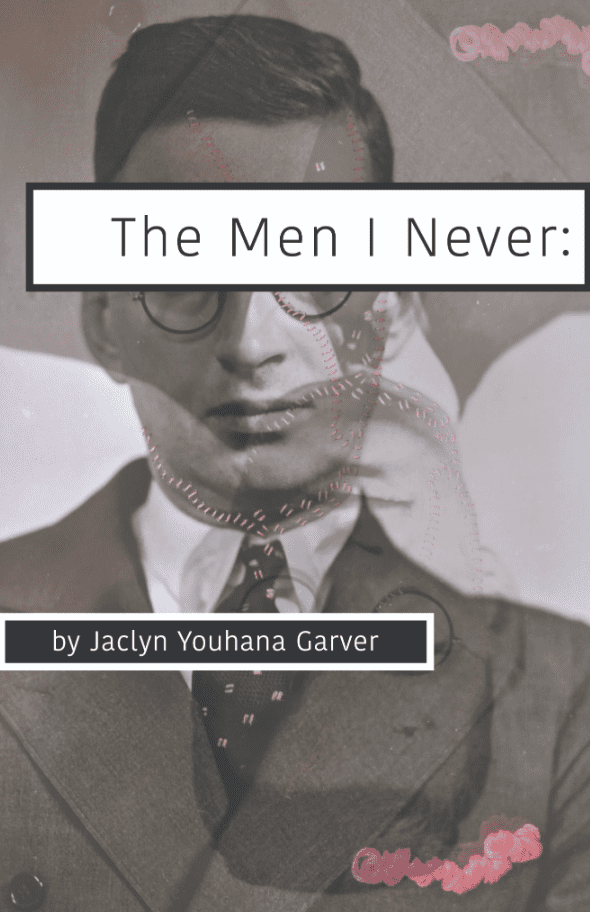
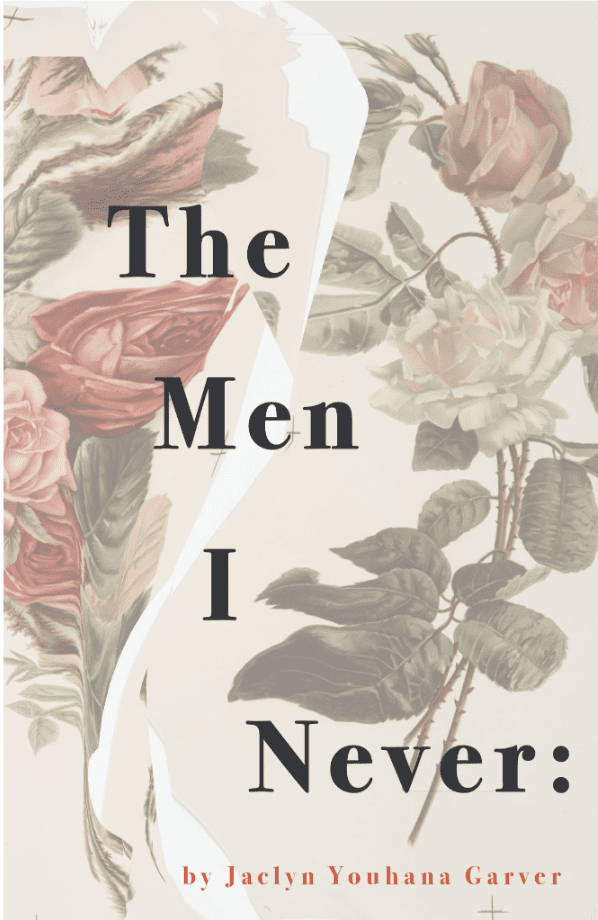
… has a new chapbook of poems out, published by Dancing Girl Press in Chicago. I would recommend you read her work regardless, but this chapbook, titled “The Men I Never:” is extra special to me… because I got to design the cover!

This is Erato, one of the nine Greek muses and the patron of lyric and erotic poetry or hymns.

And listen, no one does sexy, weird, lyric poetry quite like Jaclyn. I love this book.

Check it out? Contact Jaclyn to order a copy and be sure to explore the rest of her work!

Just for fun, here were some of the outtakes as we worked together to finalize the cover concept:

Pretty in purple


Come home soon.

// || // || // || // || // || // ||

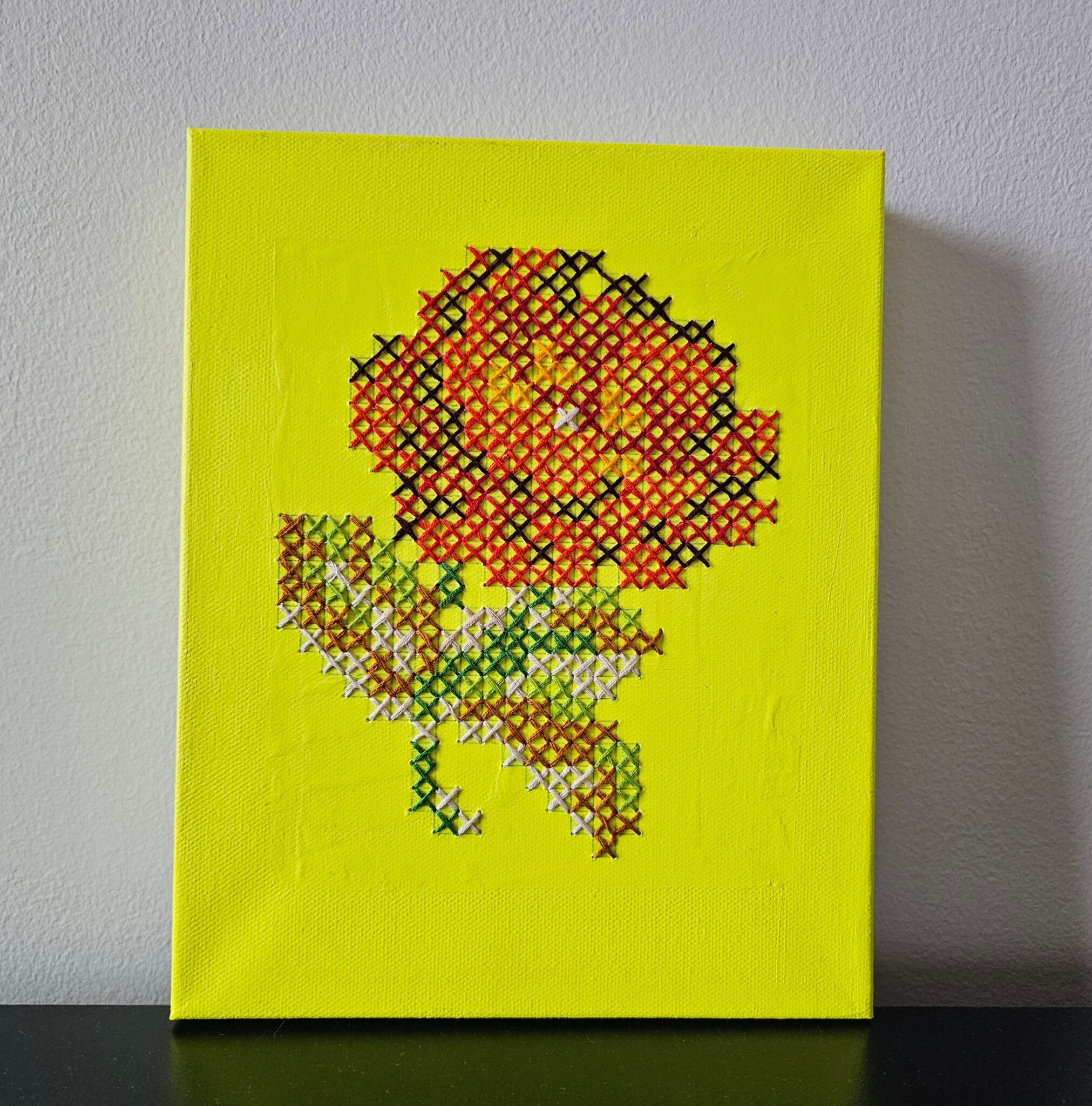
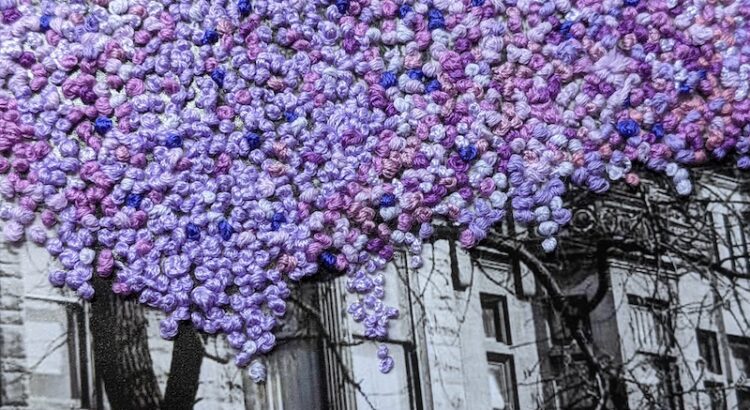
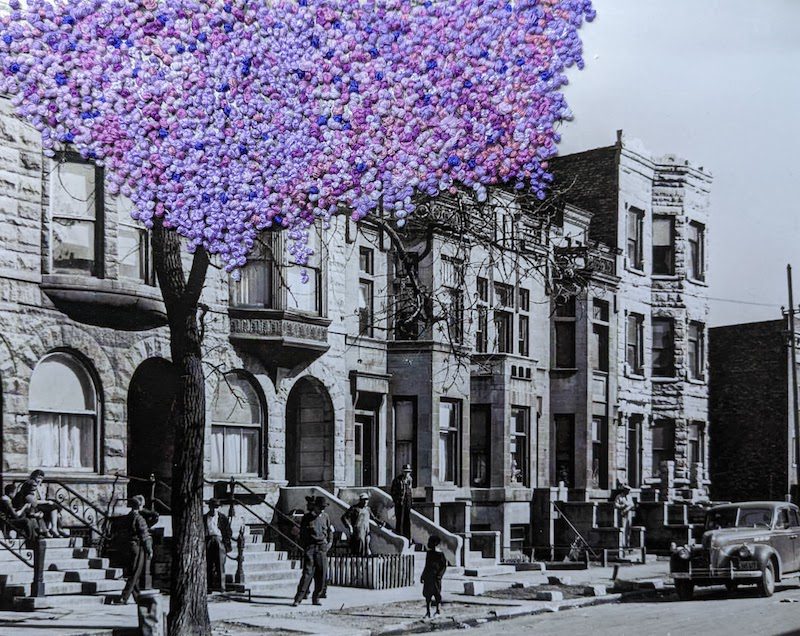
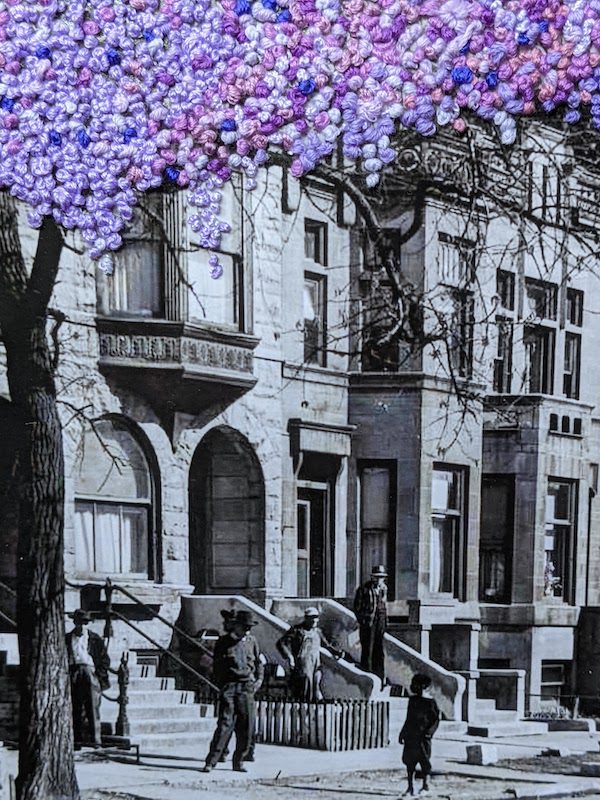
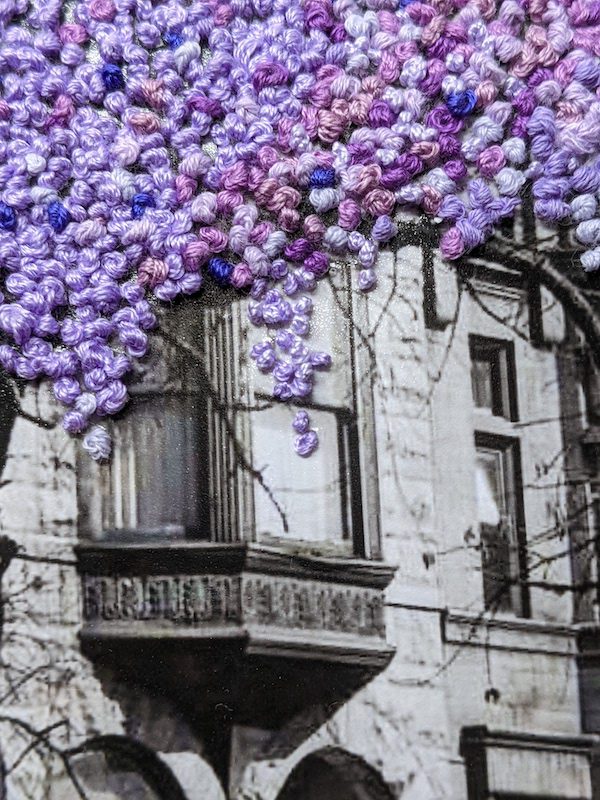
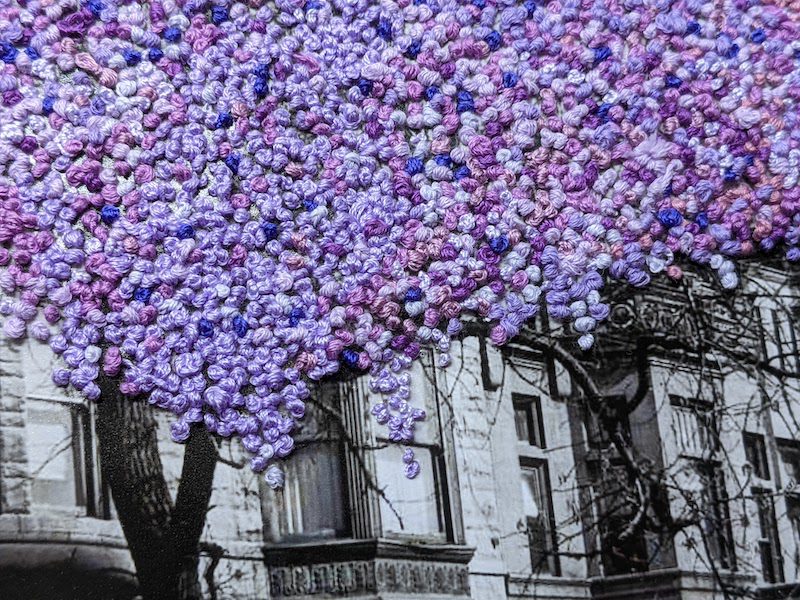
“Under the Lilacs” by Jackie Mantey // Original image info: Russell Lee, 1941, “Old brown stonehouses, Chicago.”

  • Embroidery floss on photo paper
  • Comes in white picture mat with bevel-cut core
  • 11 inches x 14 inches in mat

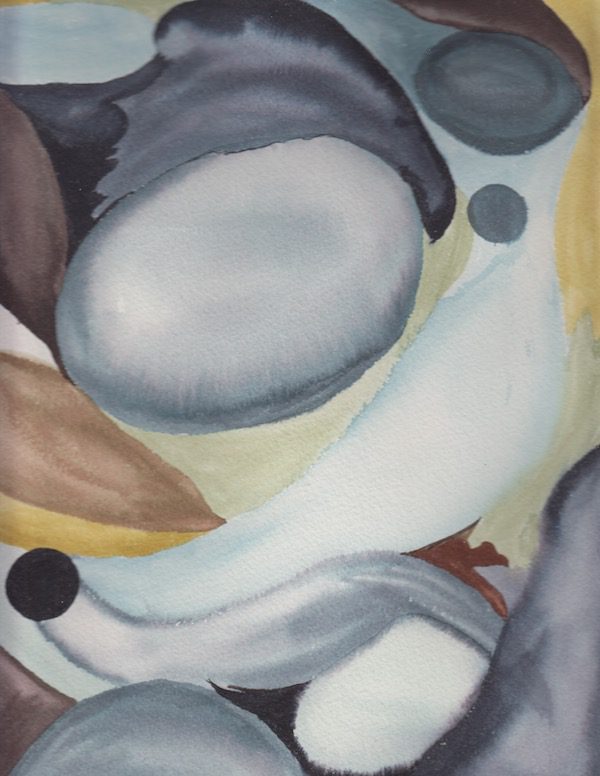
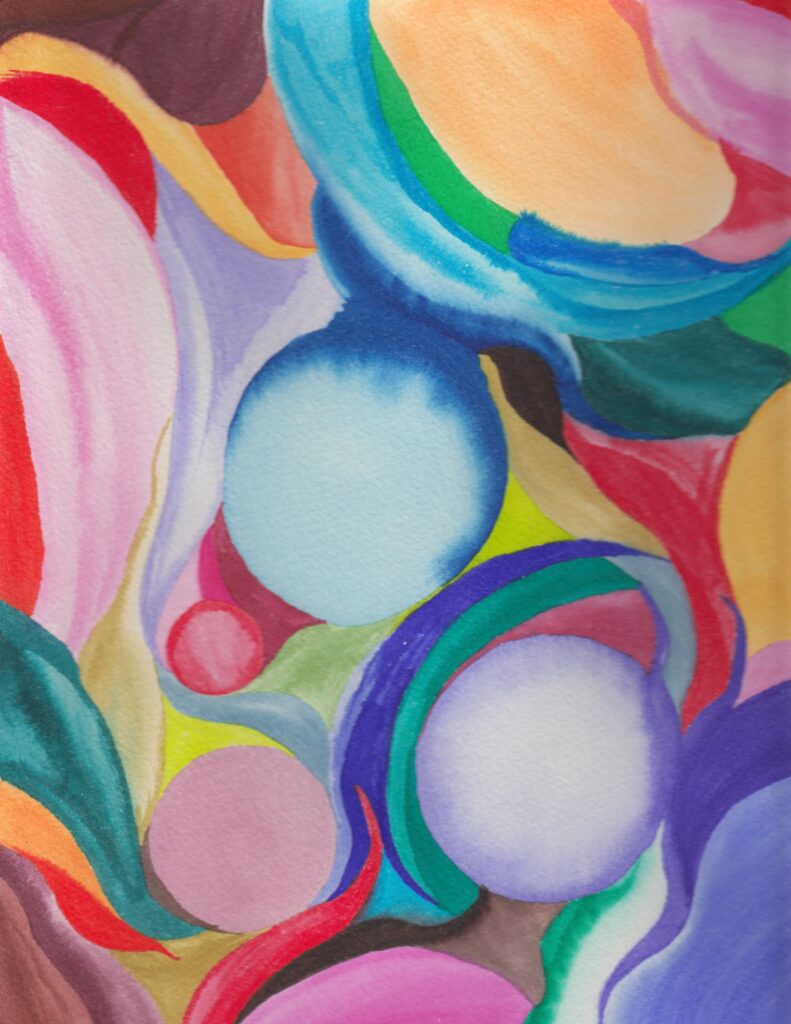
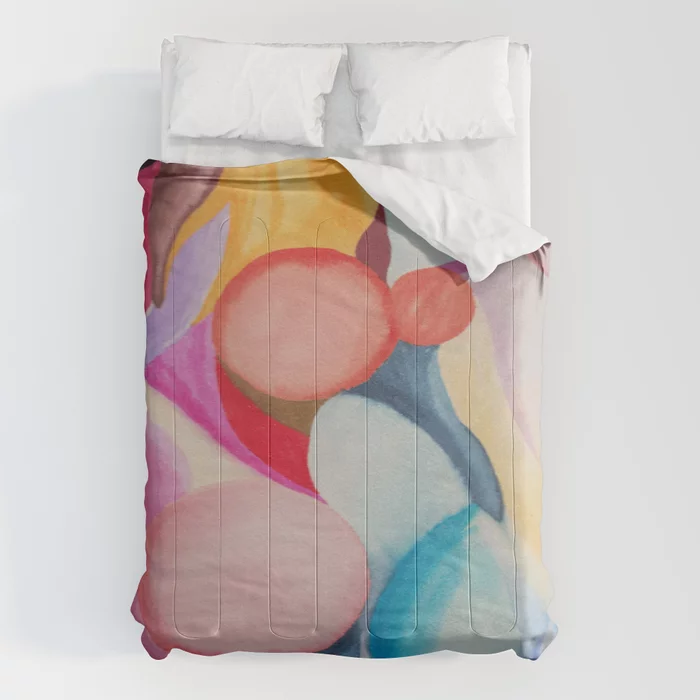
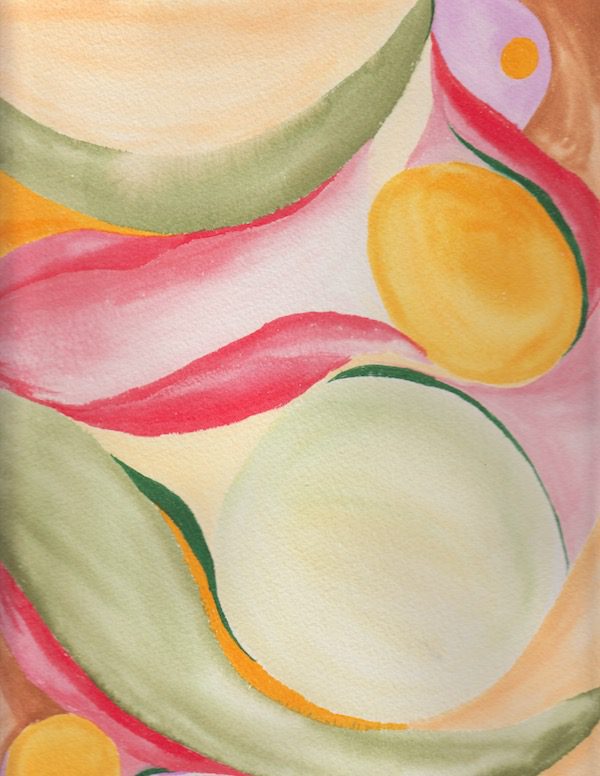
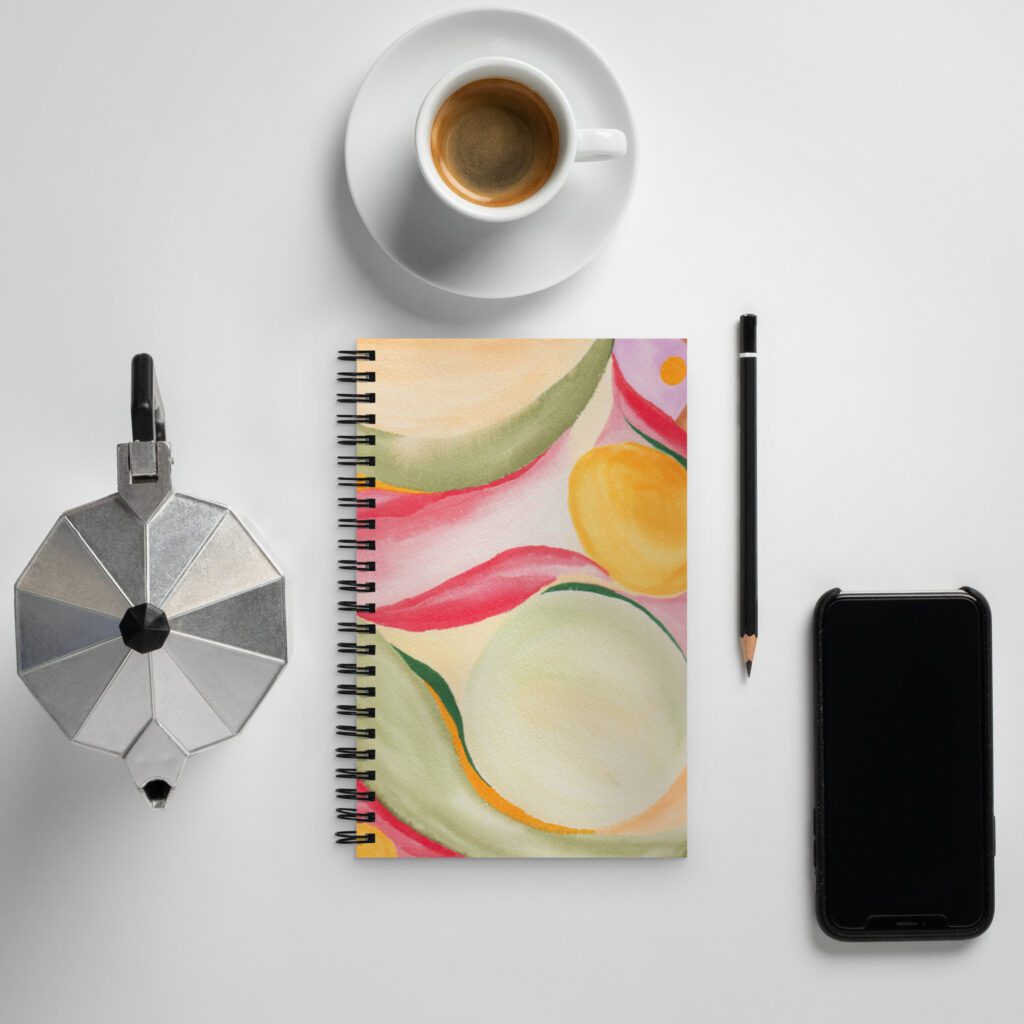
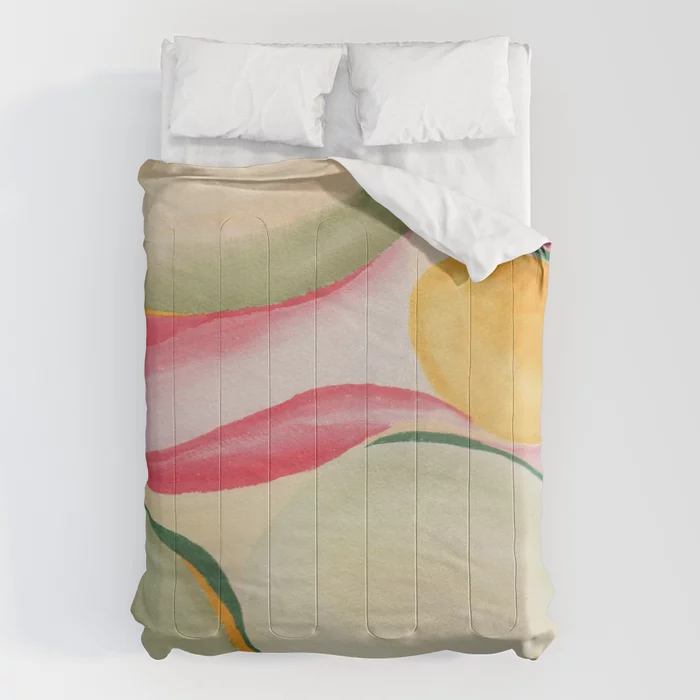
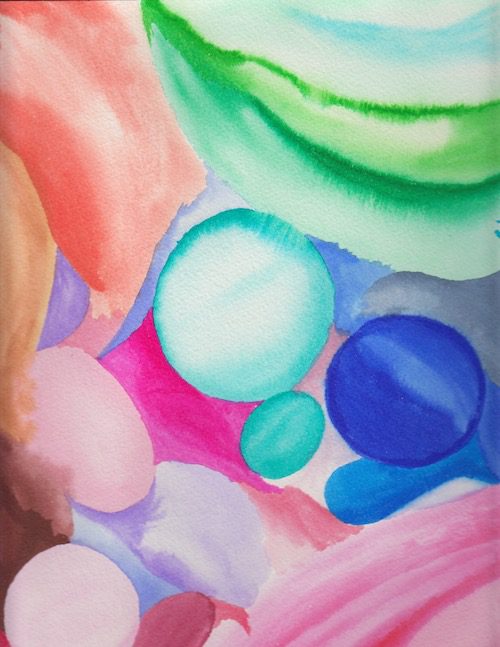
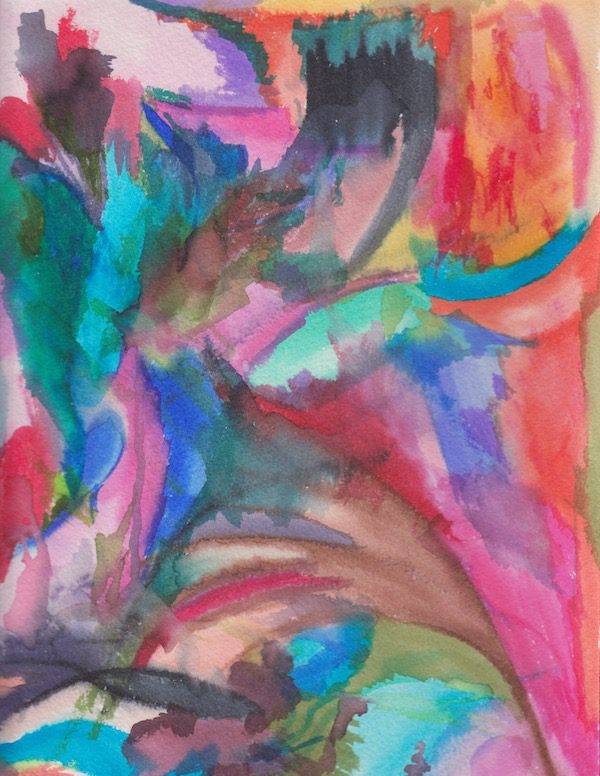
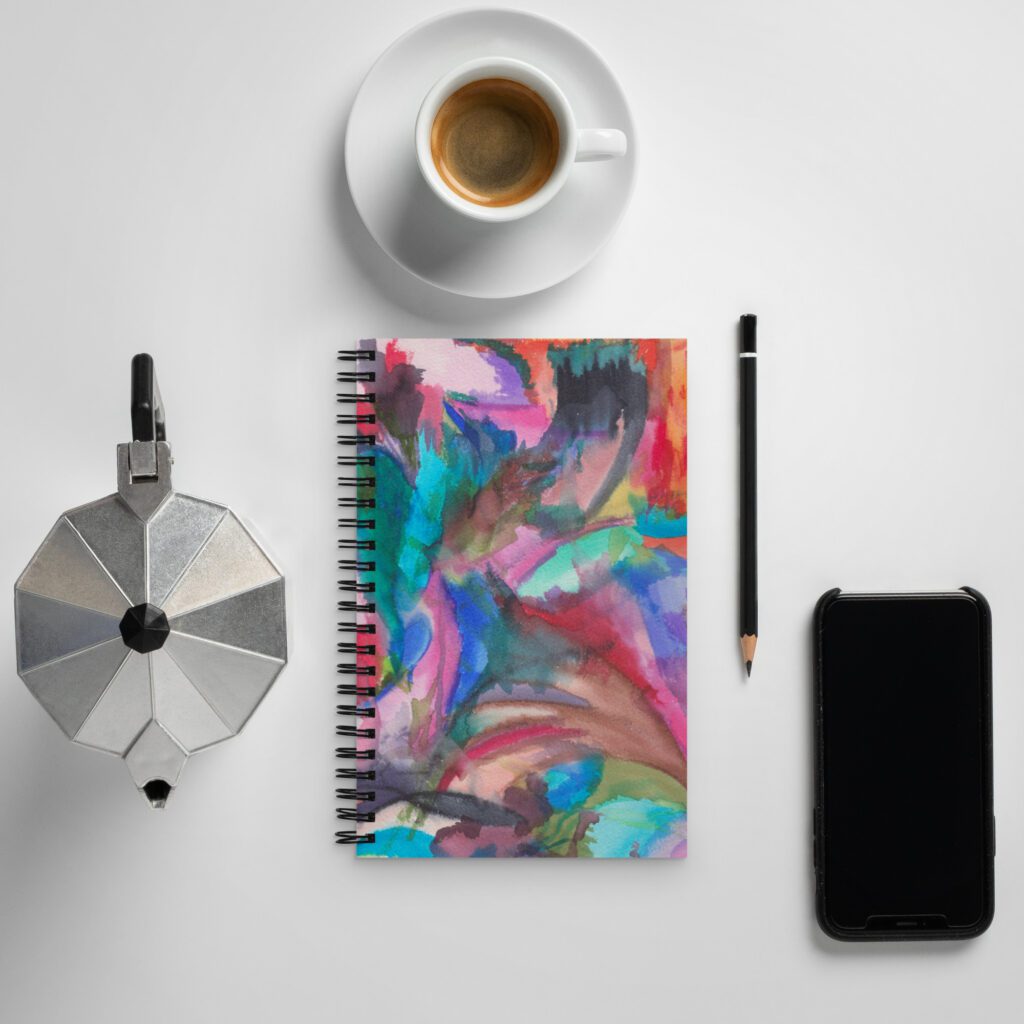
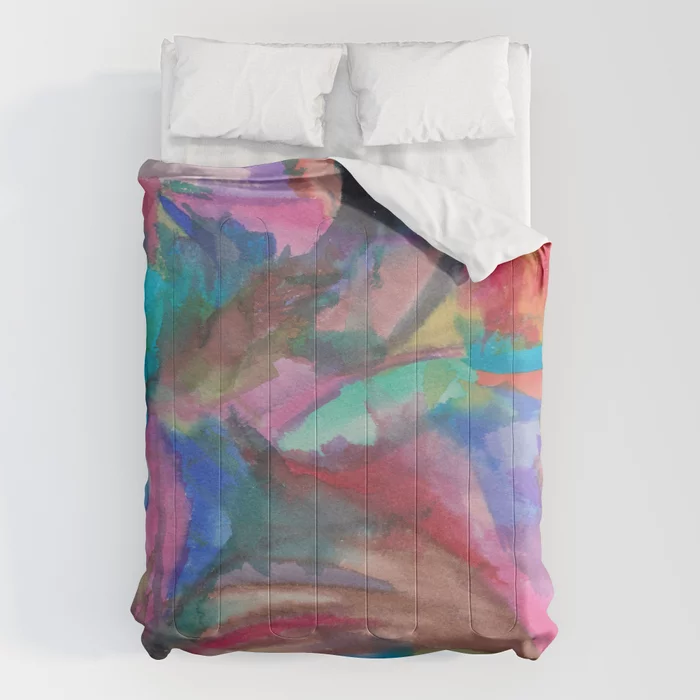
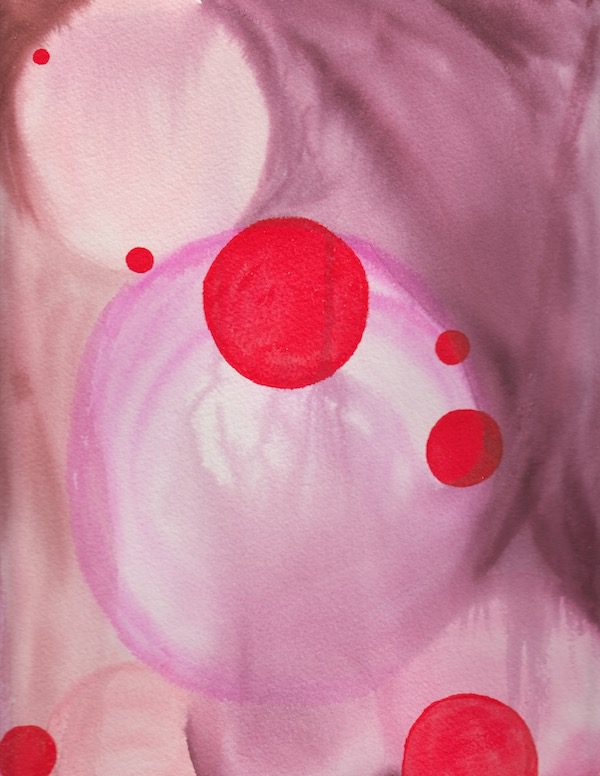
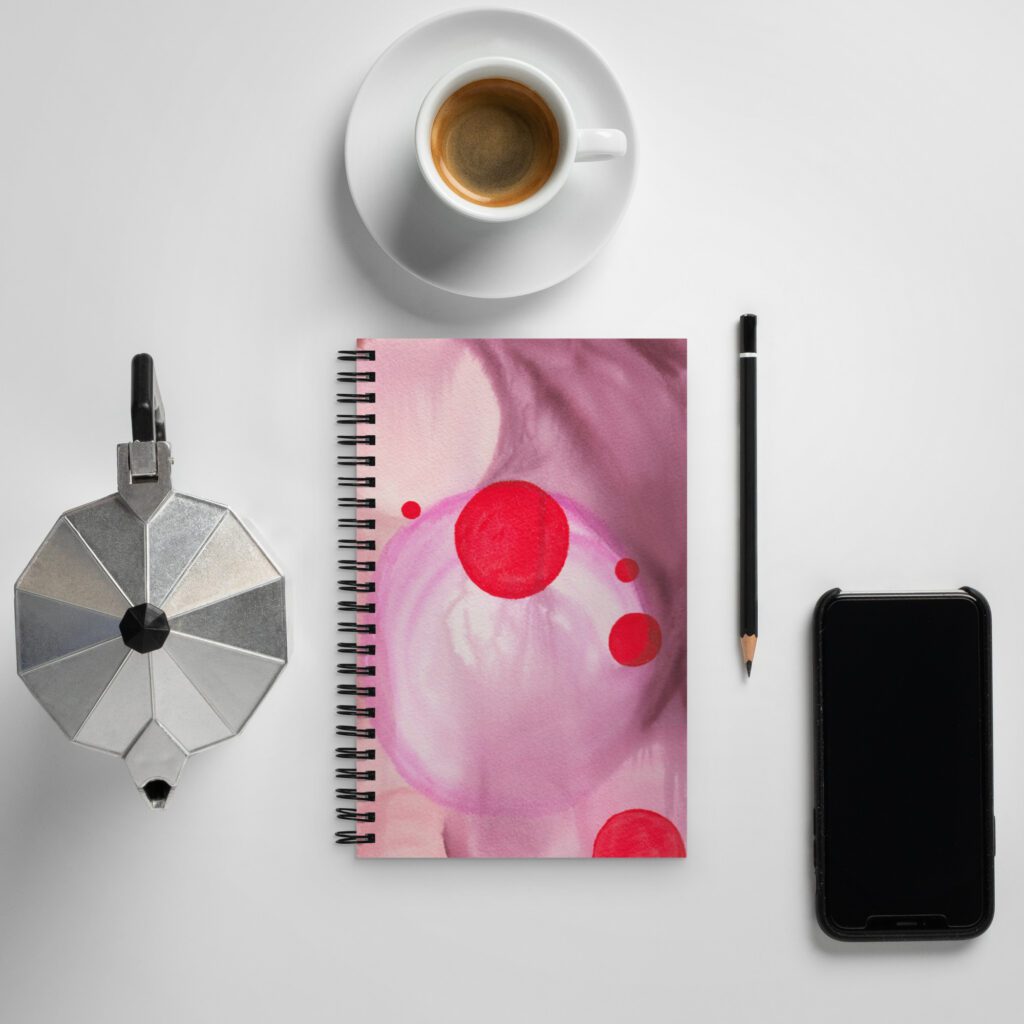
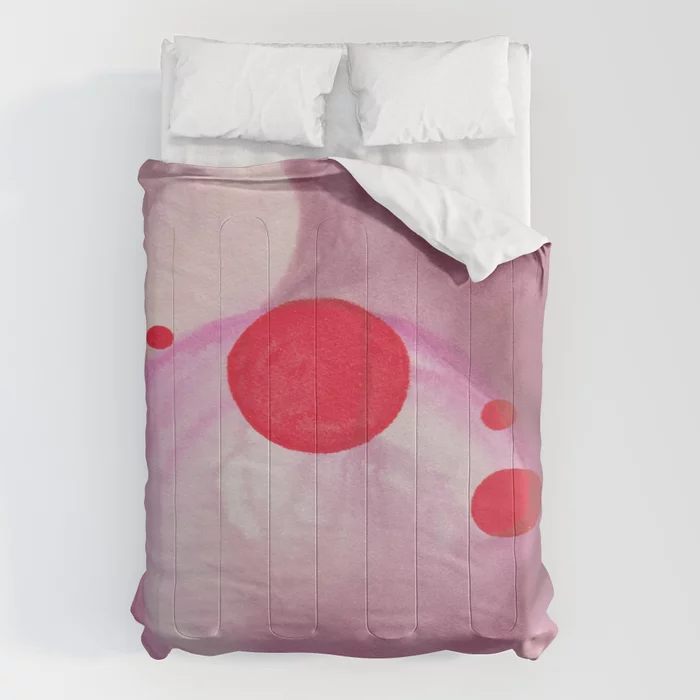
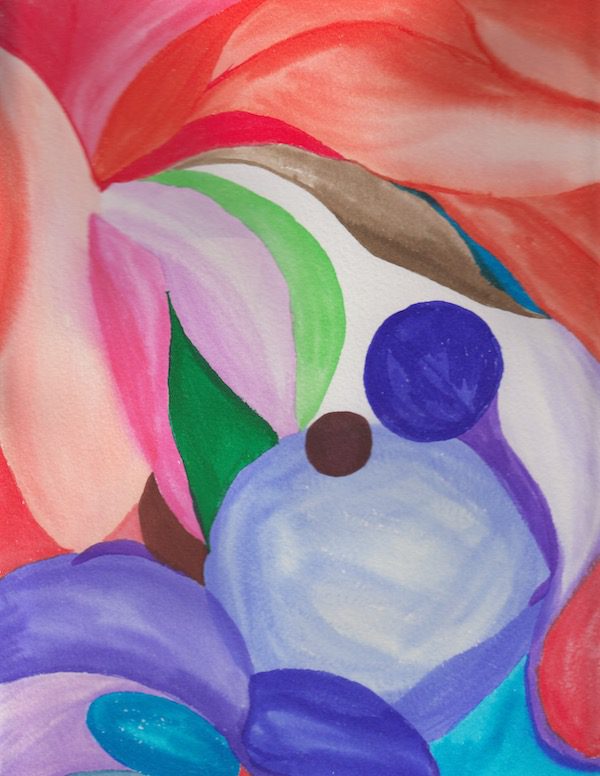
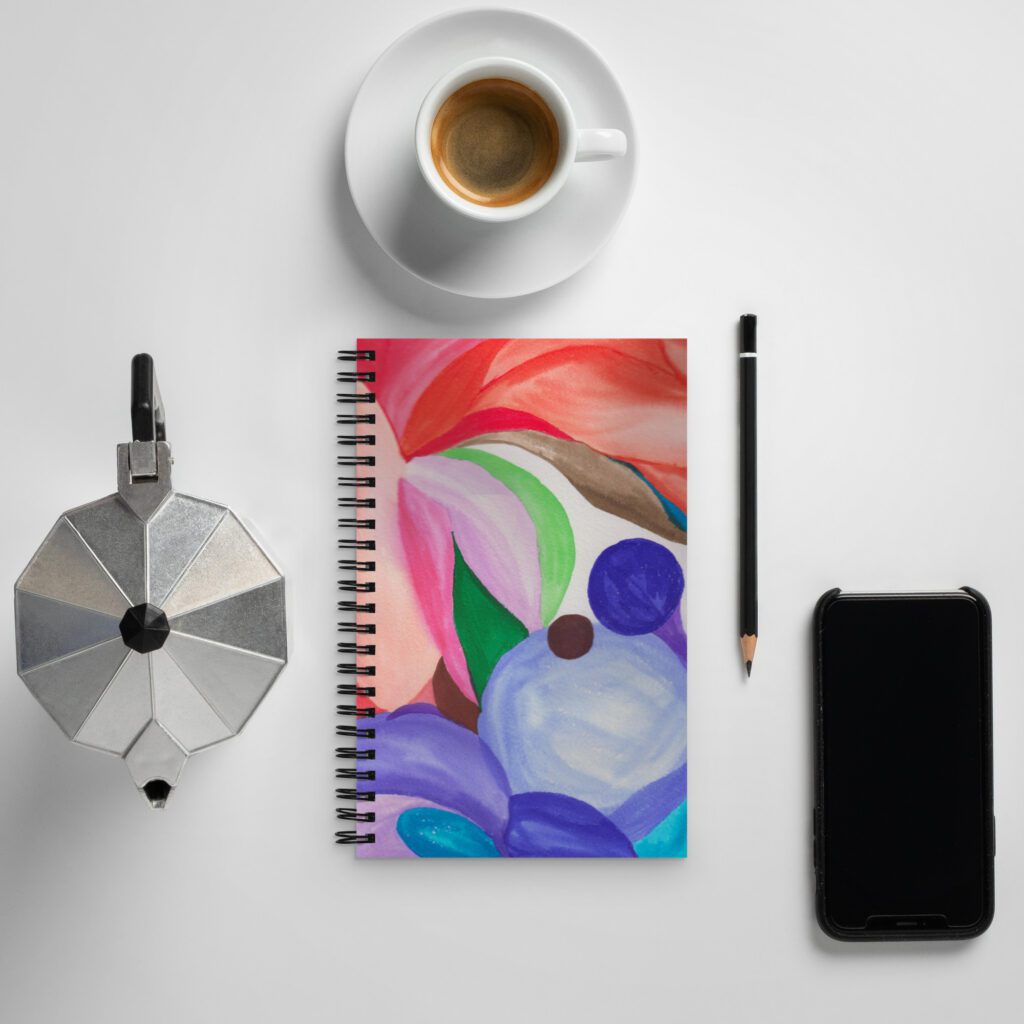
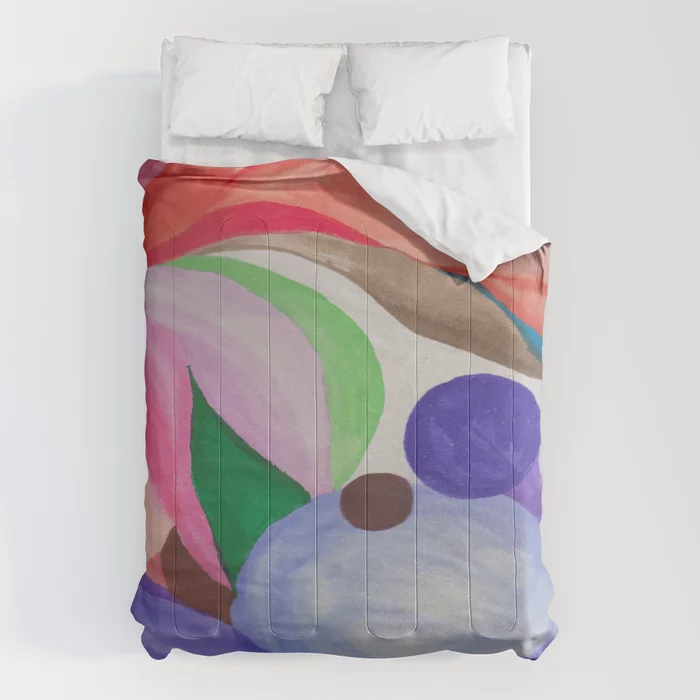
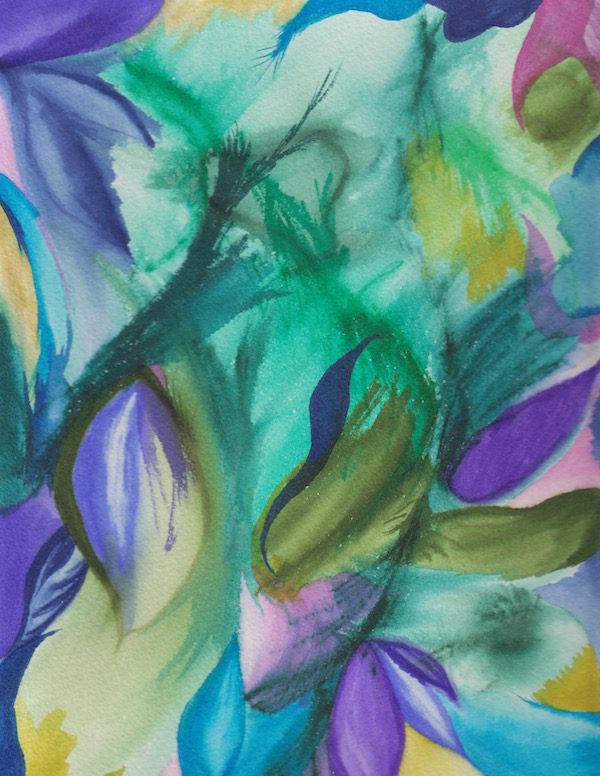
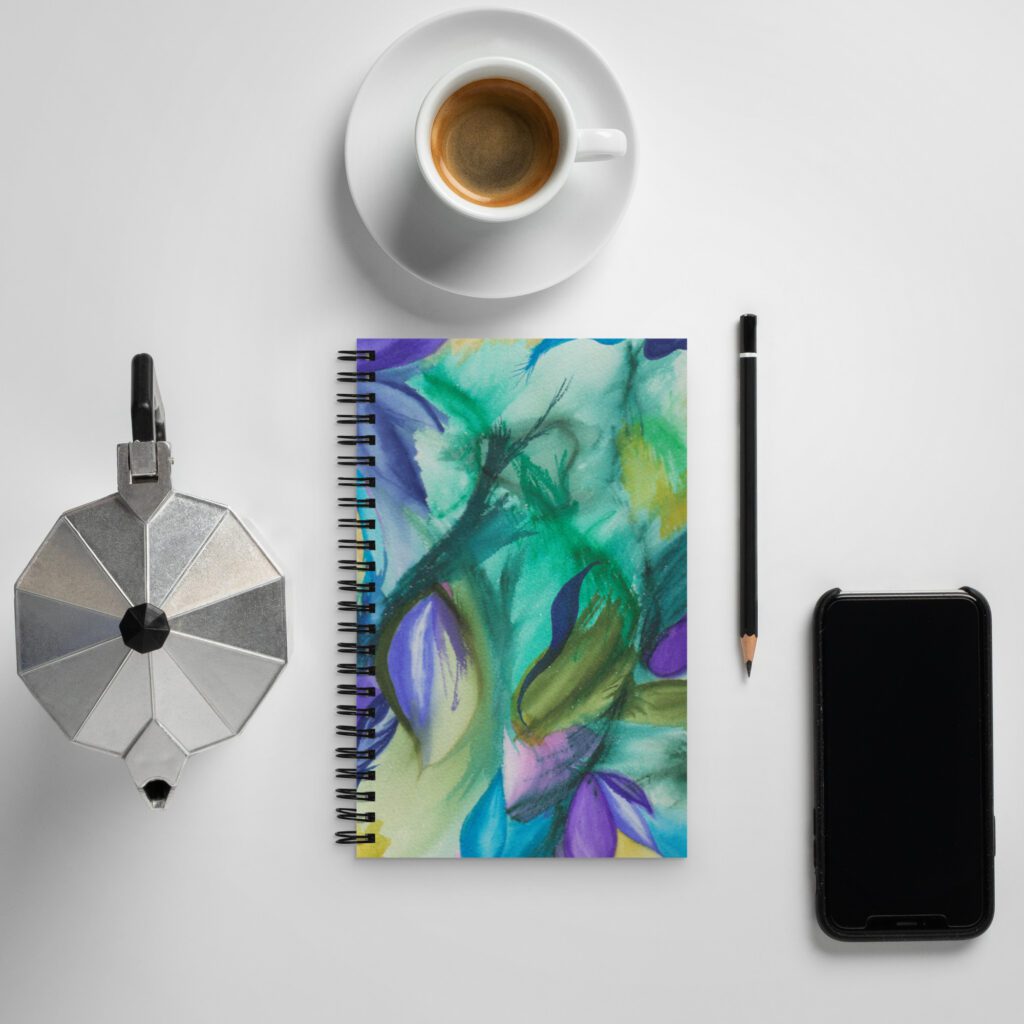
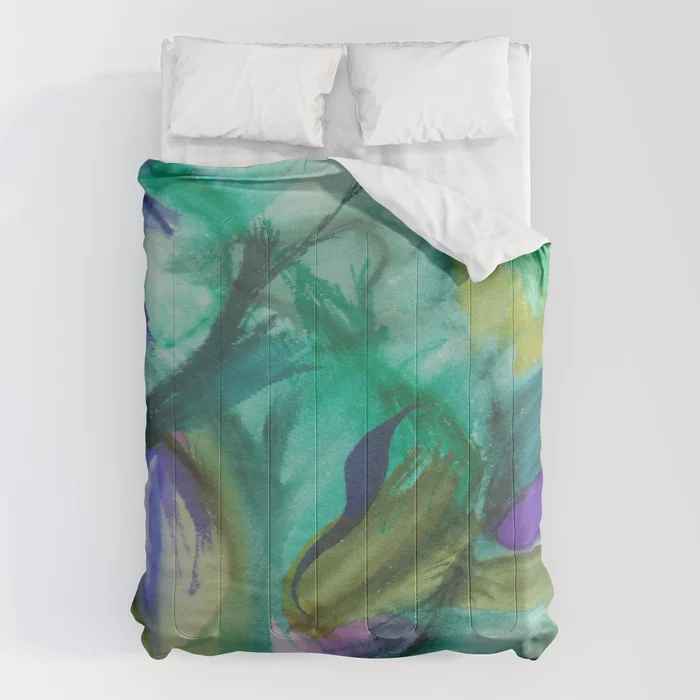
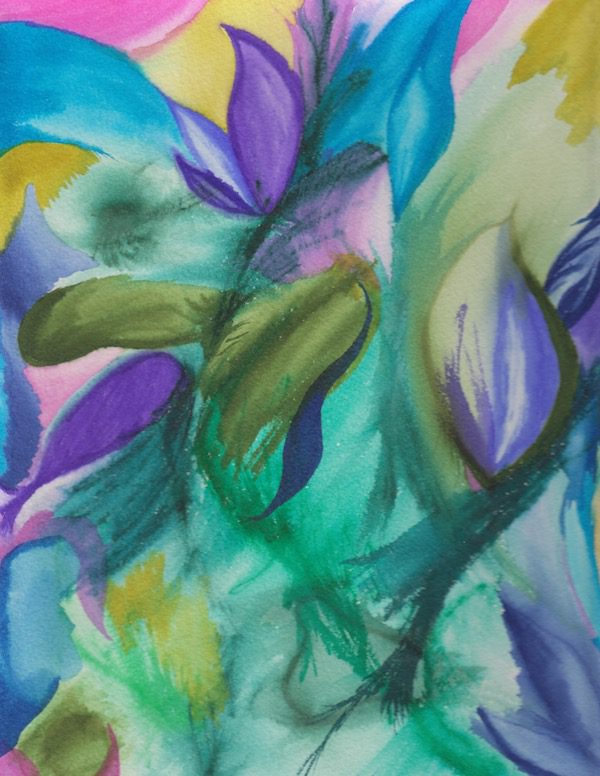
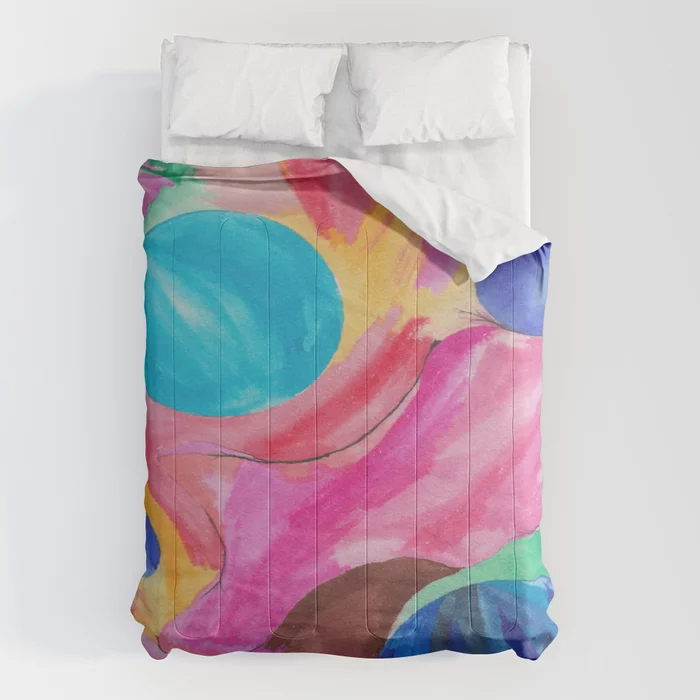
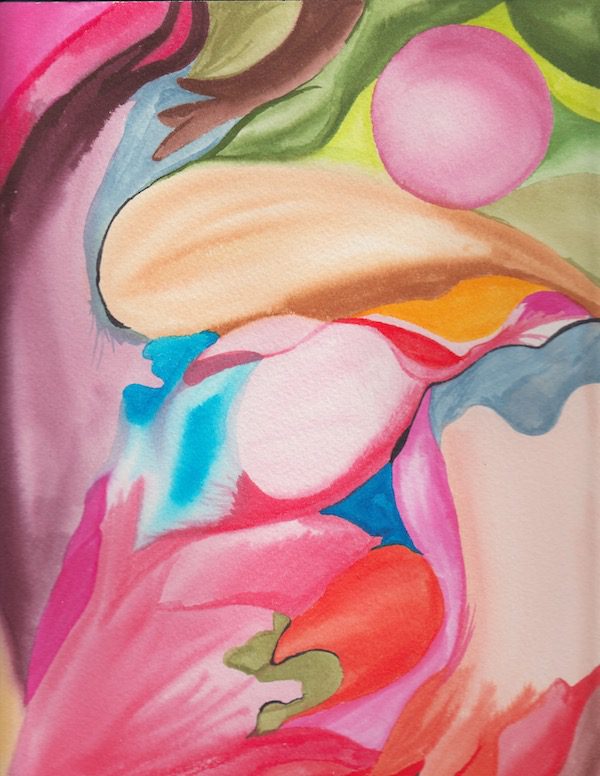
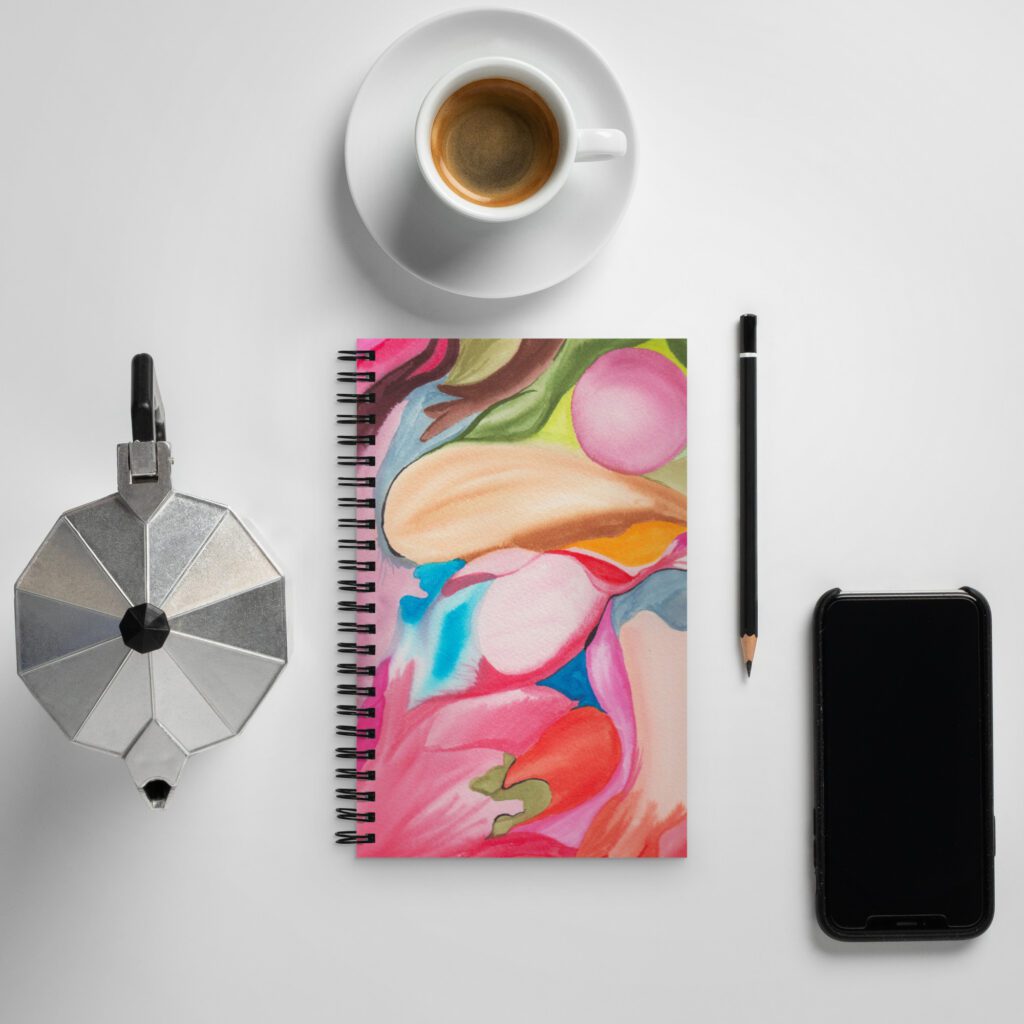
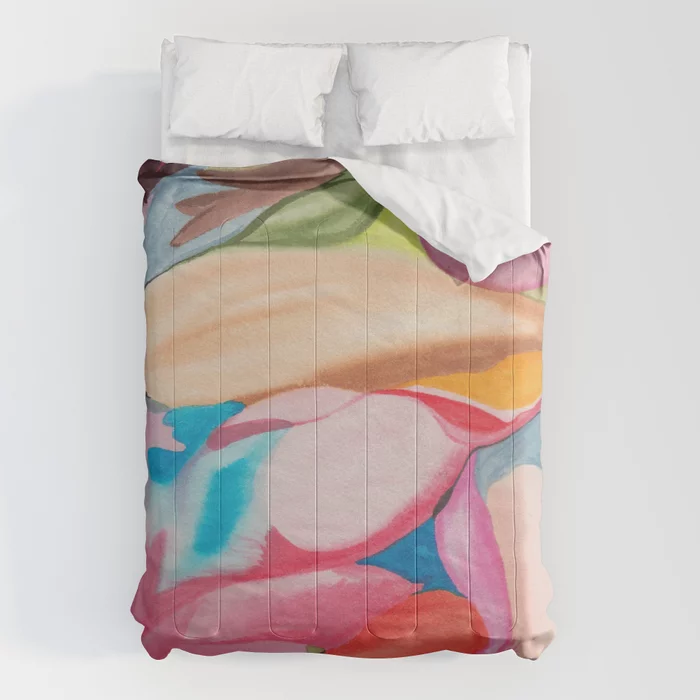
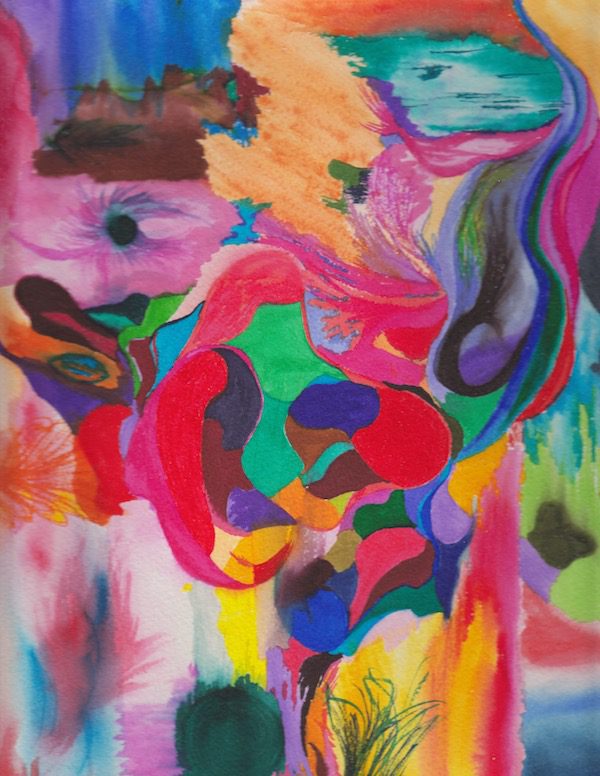
New watercolor works!


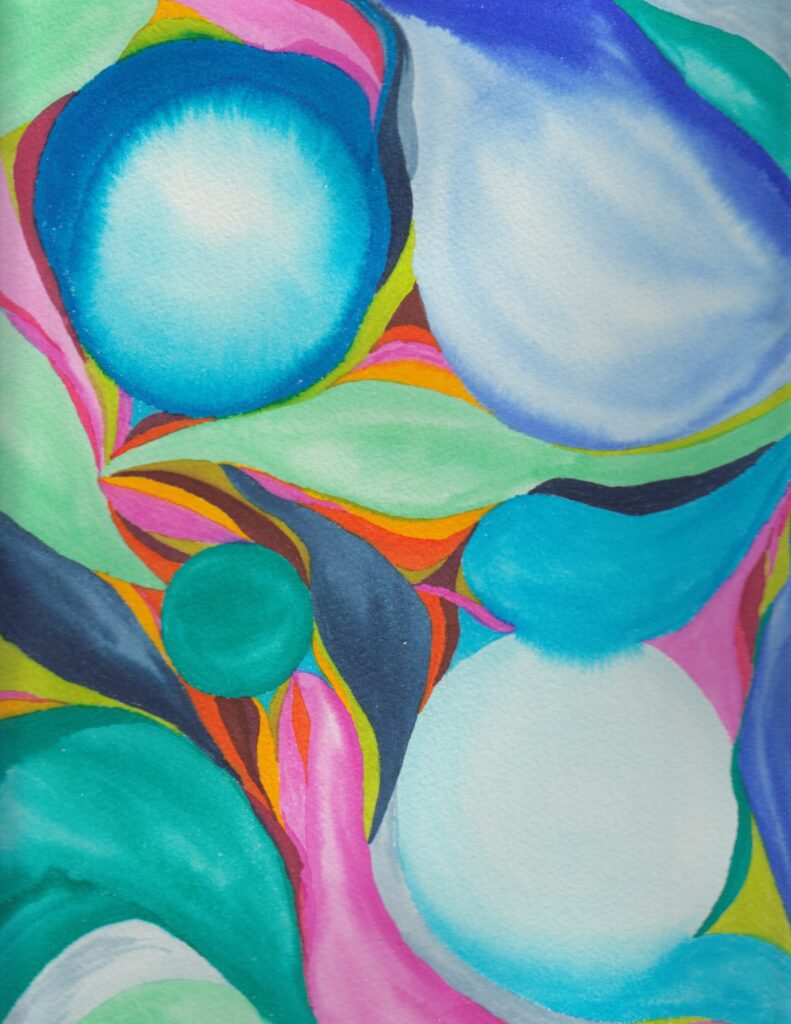
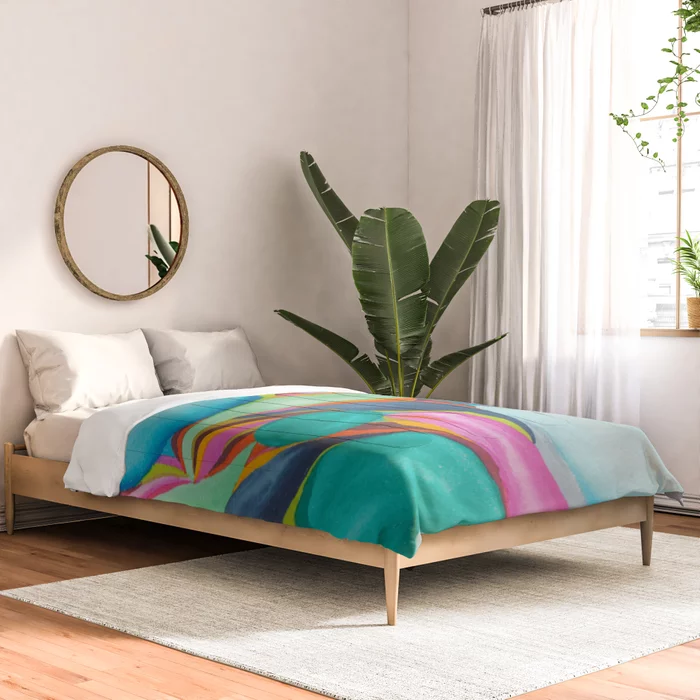
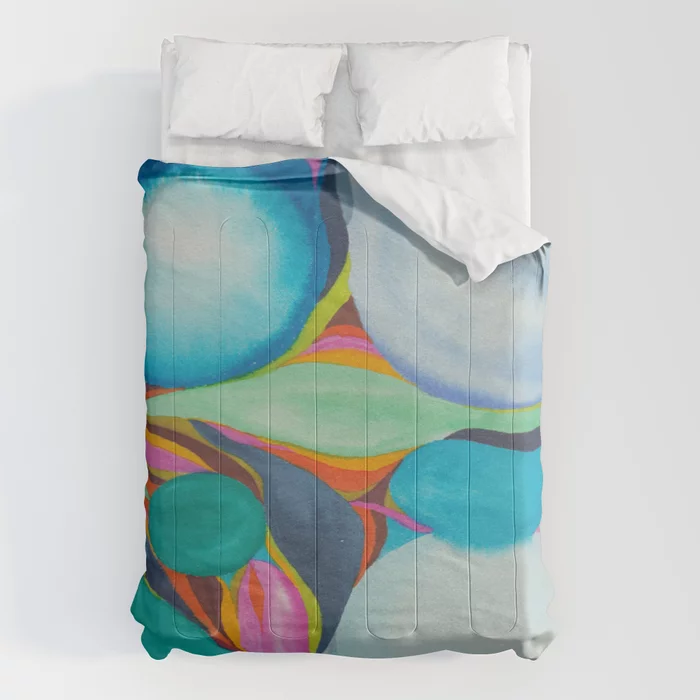
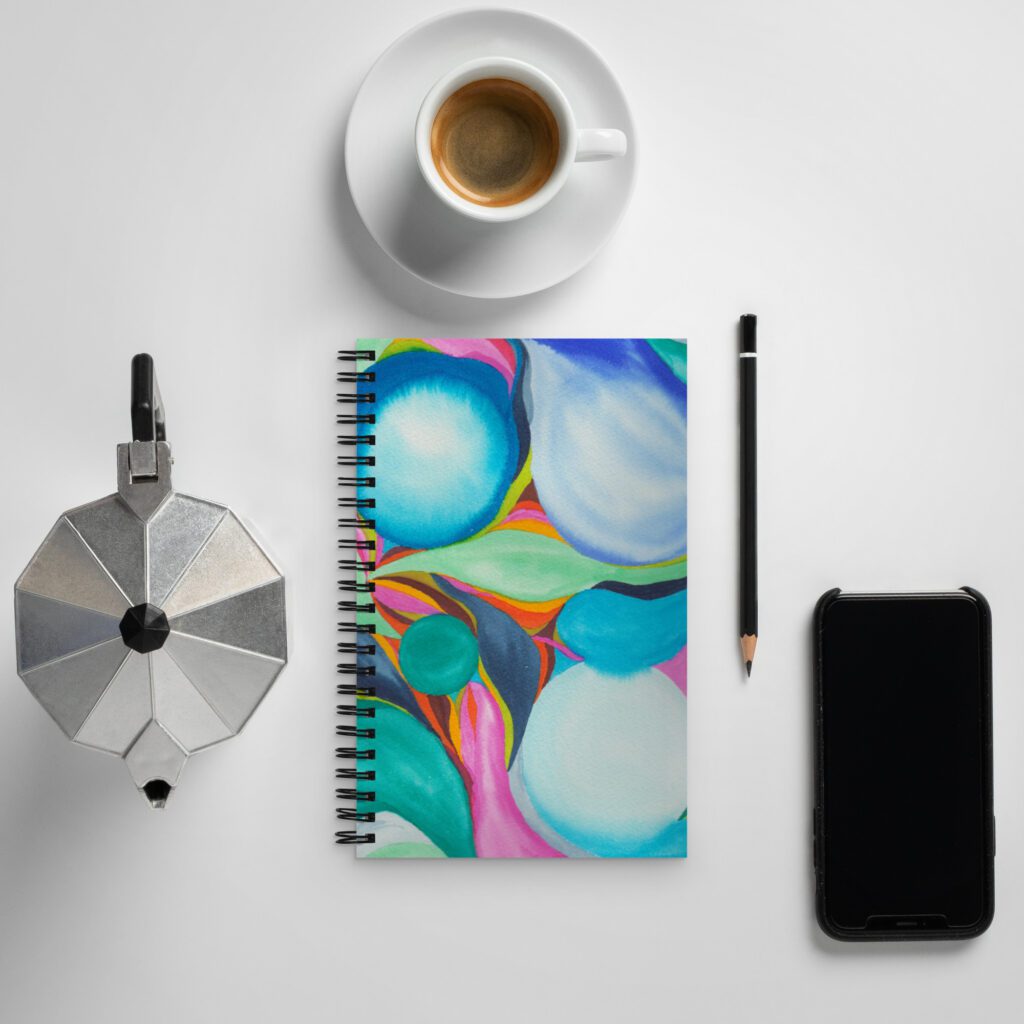
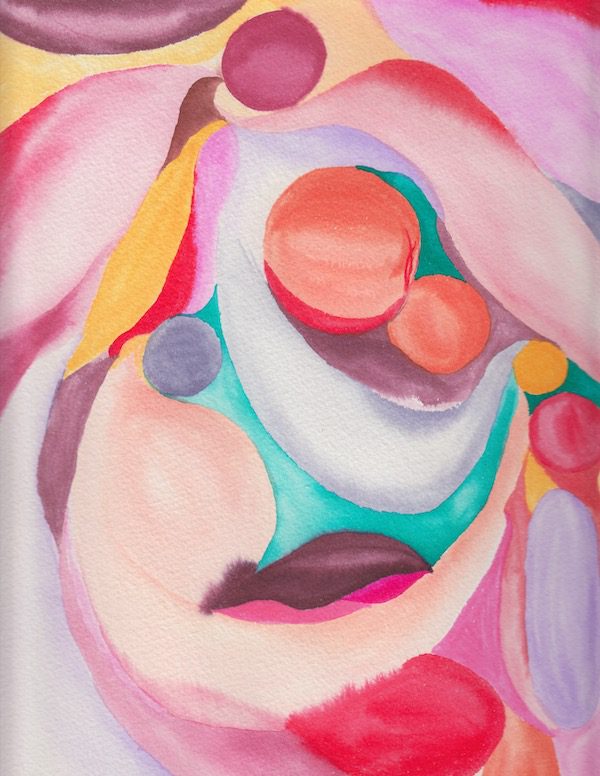
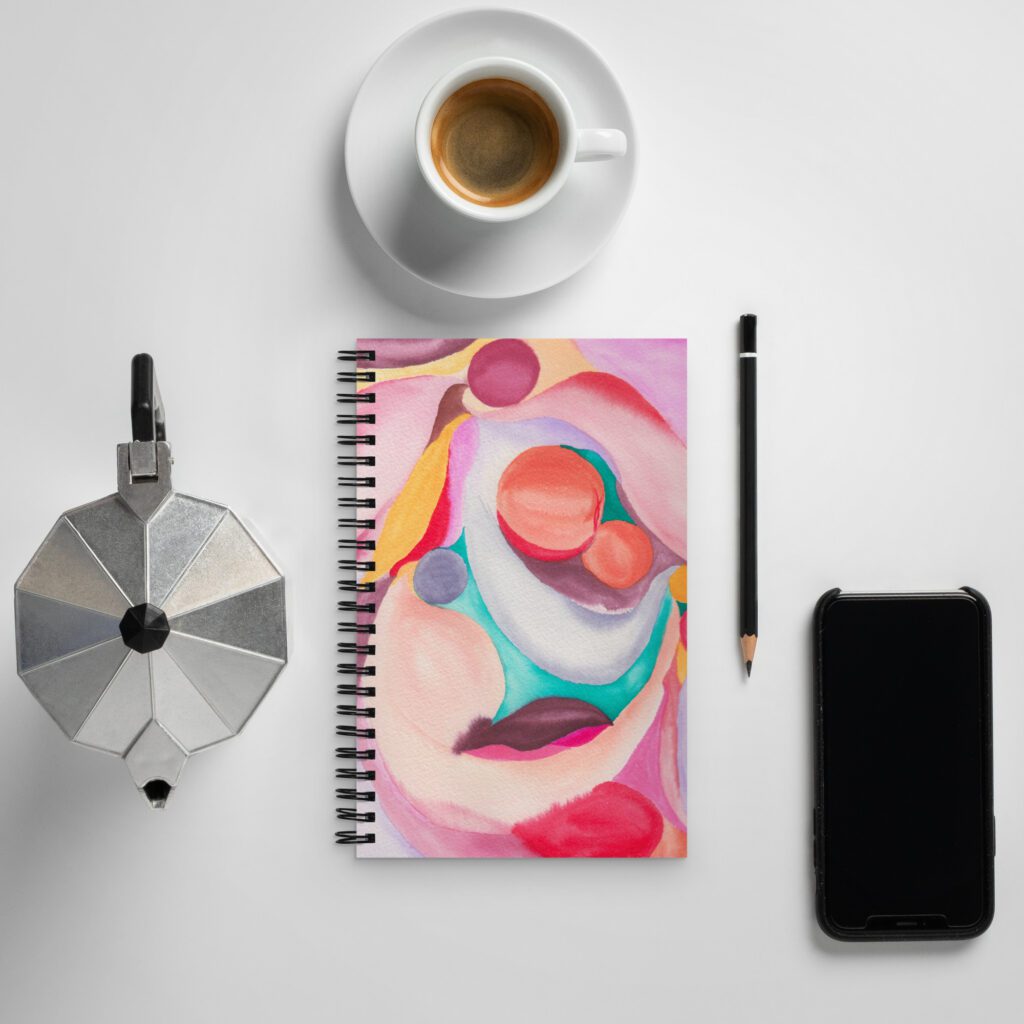
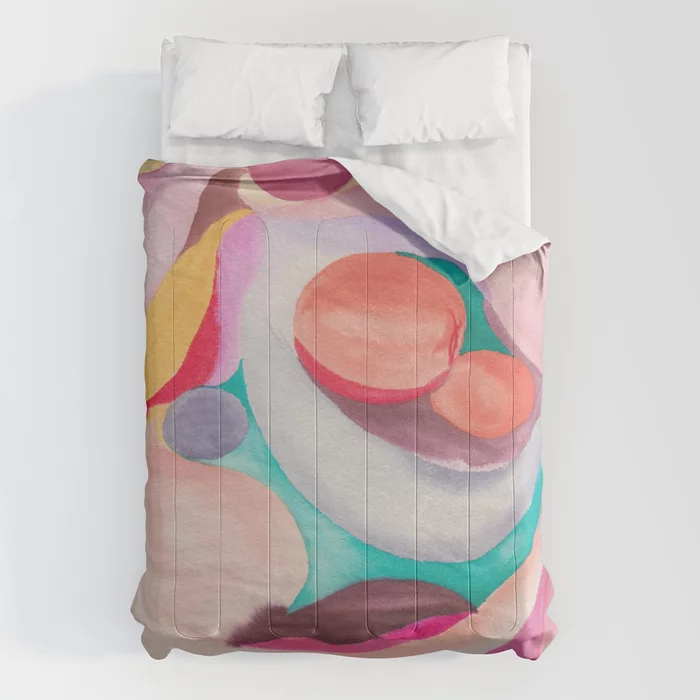
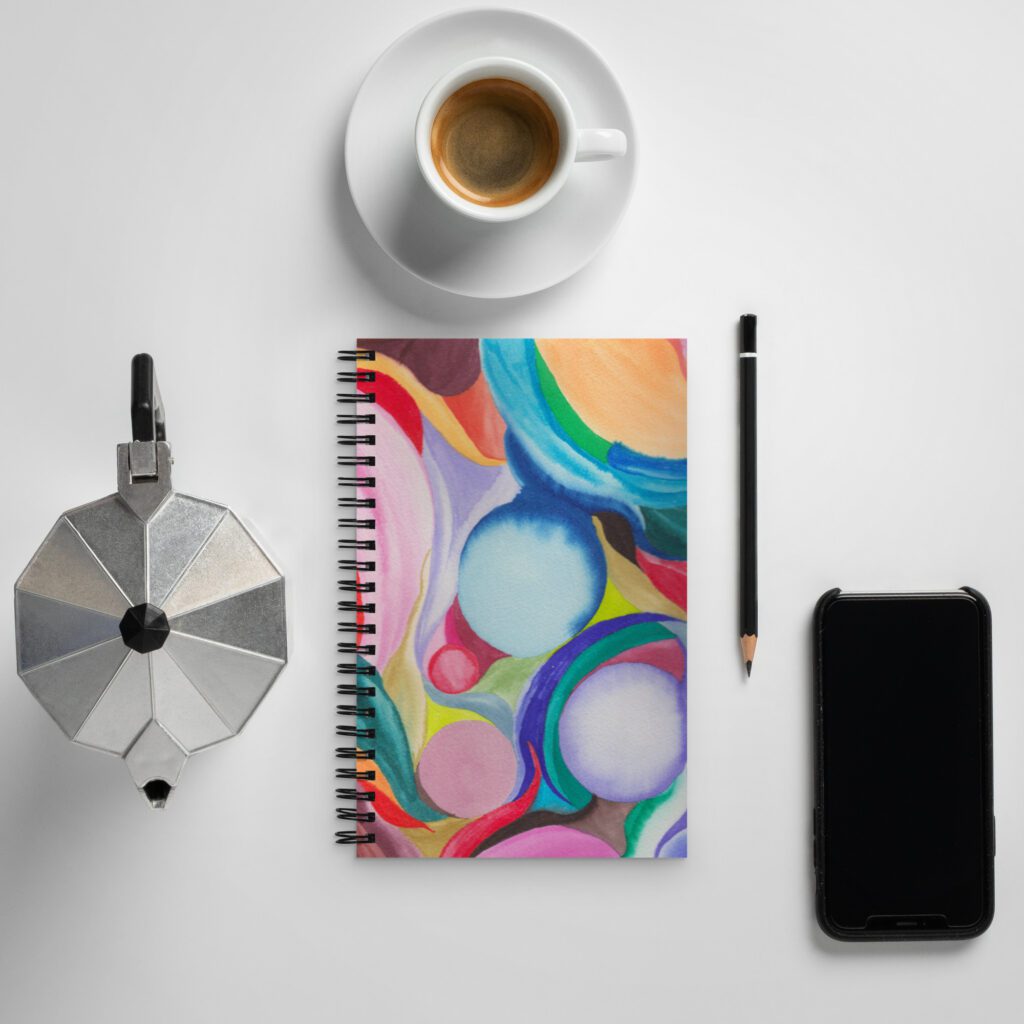
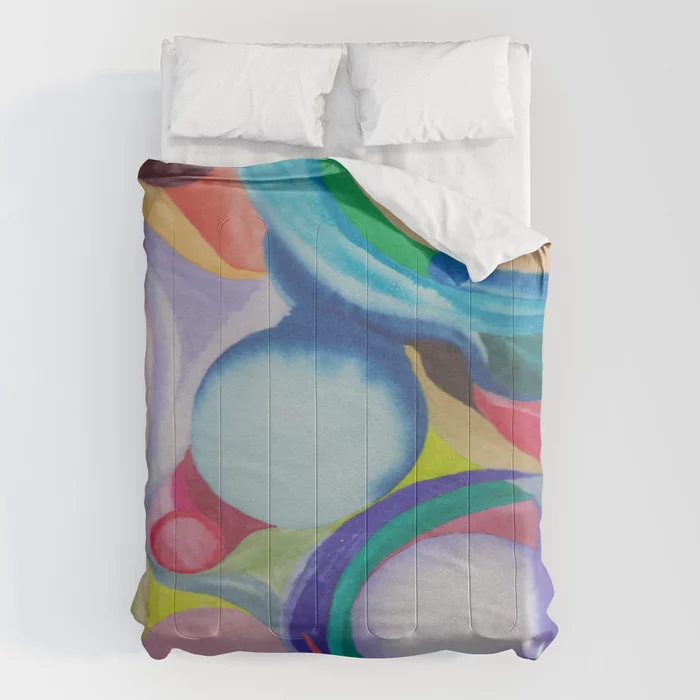
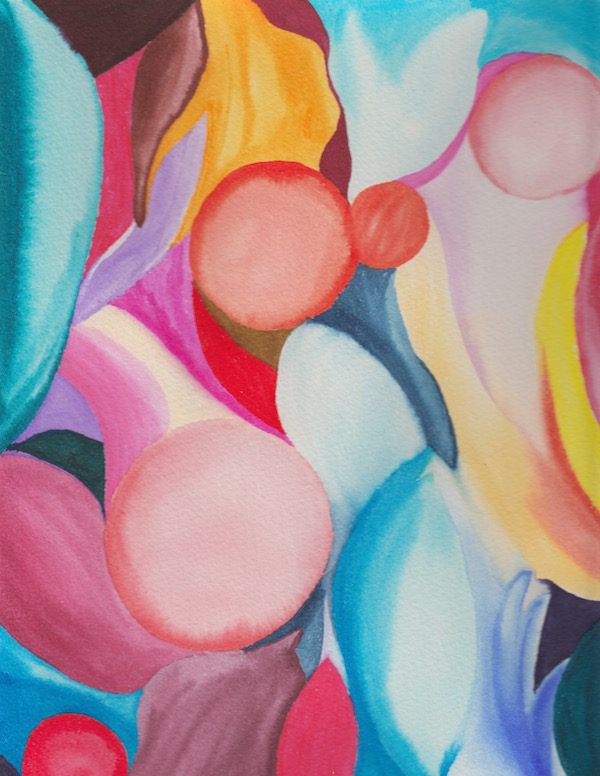
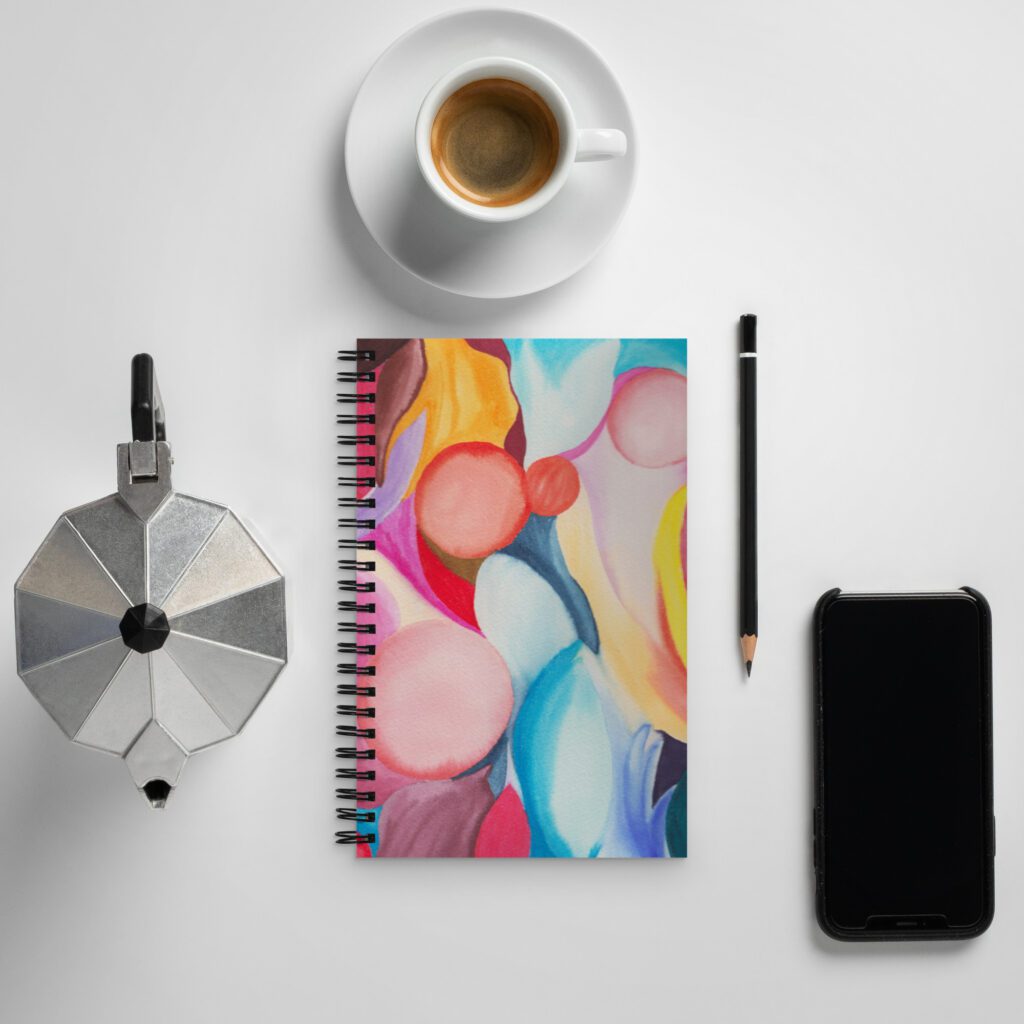
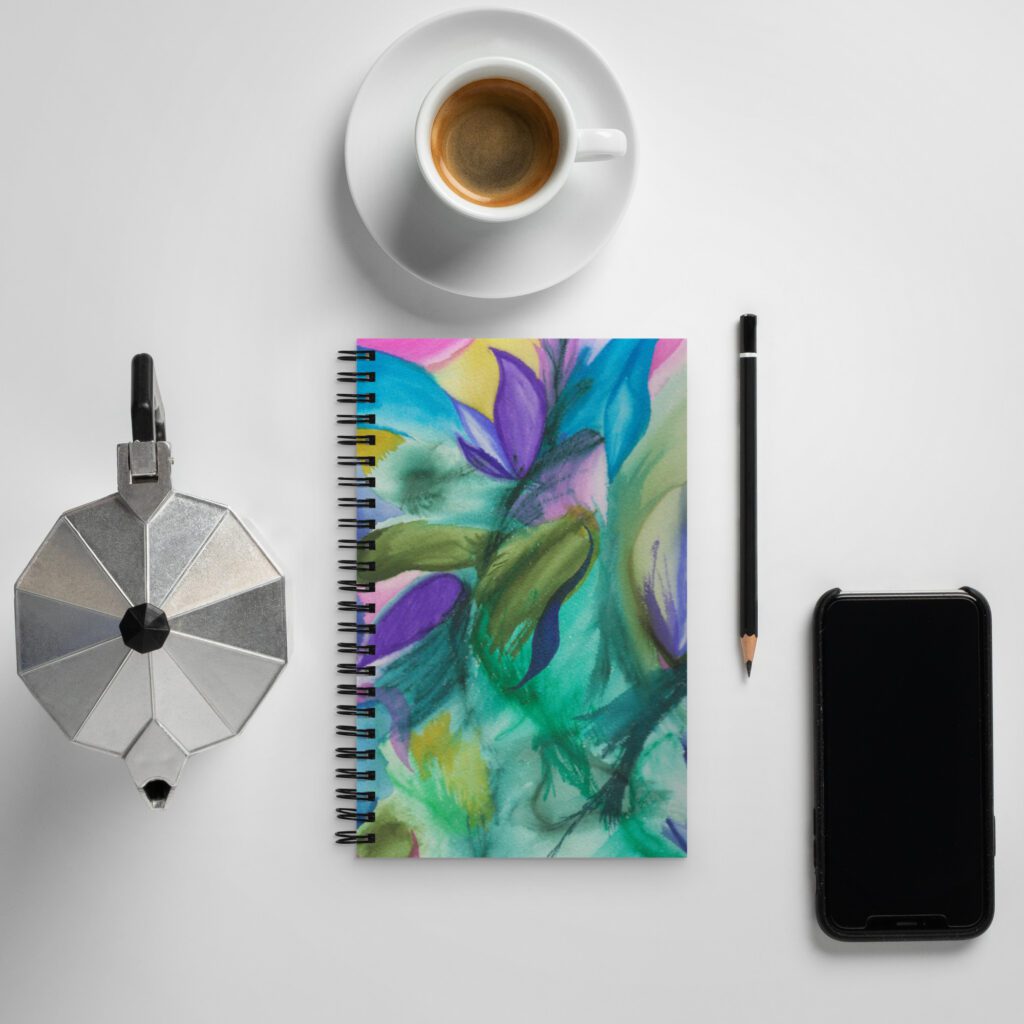
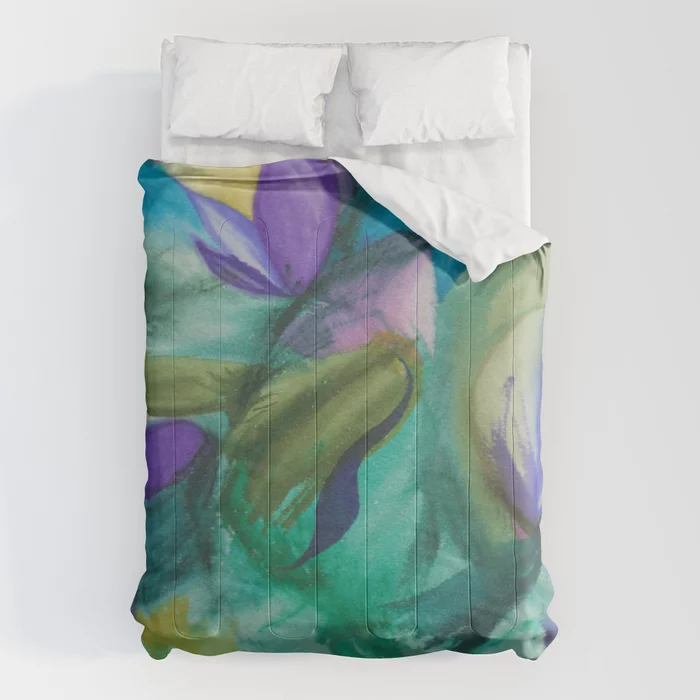
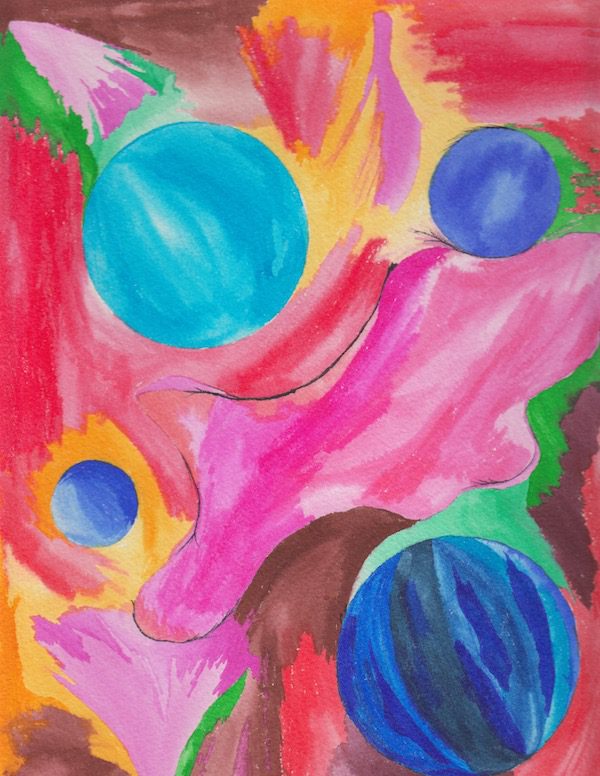
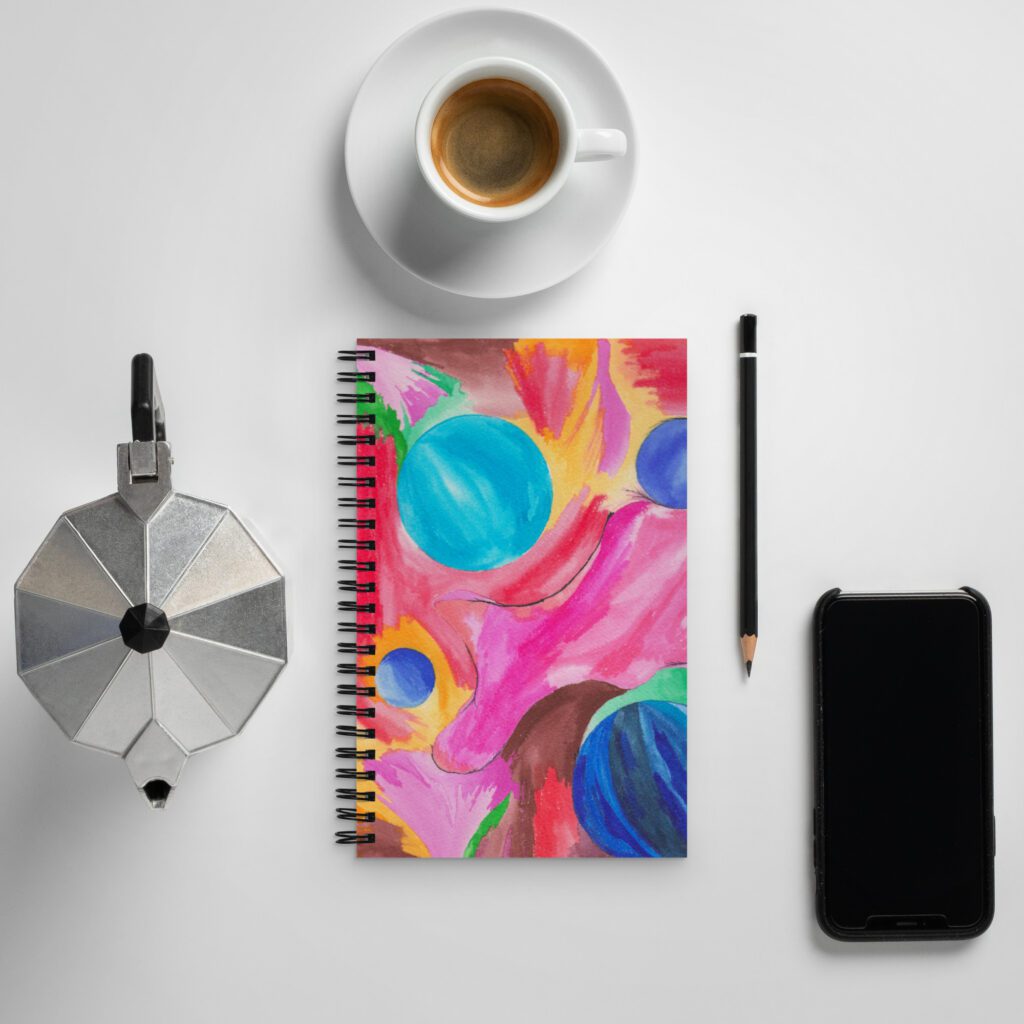
One watercolor painting = two cool new things 💧💧

BLUEBERRY FLAMINGO


APRICOT HONEY


CHARCOAL FOG


GRAPE SODA


PEONY ICE


CROCODILE PEACH


MINT SKY


MAGENTA RUST


BUBBLEGUM WINE


WISTERIA MINT


GREEN TEA PICNIC I & II


ROGUE BLUSH


ORCHID RAIN


PEACOCK SMOKE