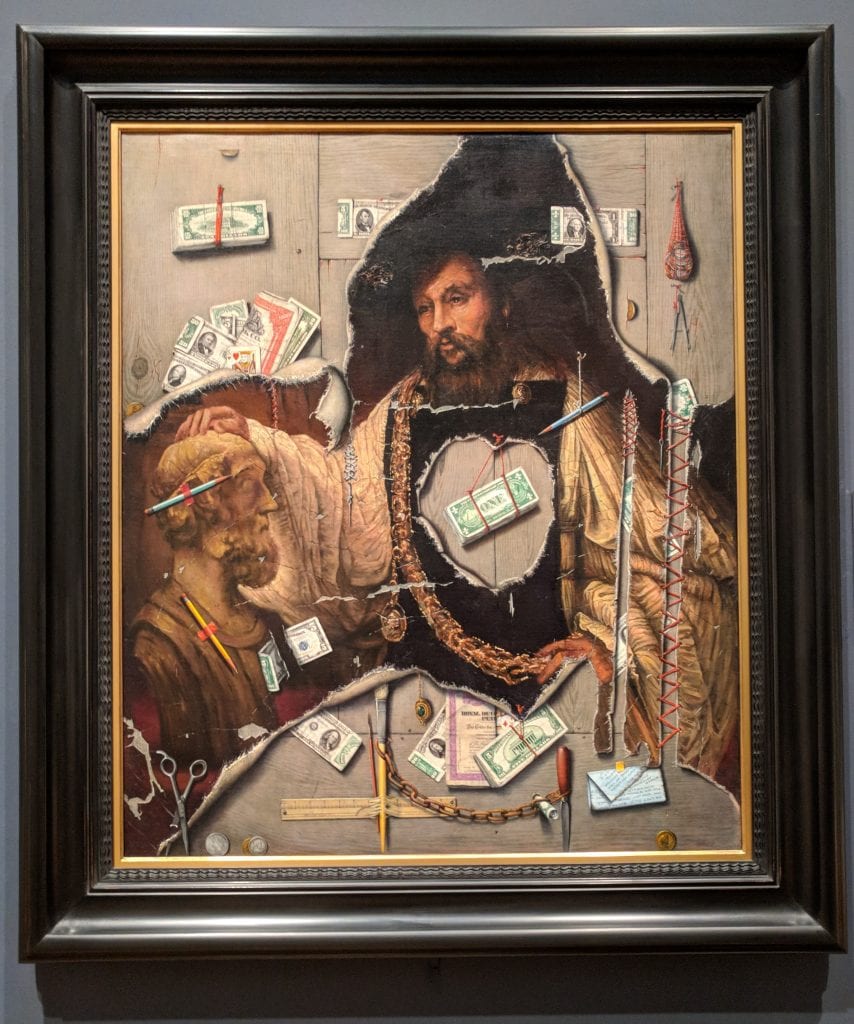
So this guy, Otis Kaye, lost all his savings in the stock market crash of 1929. This loss had to have pissed him off or at least left him a little numb to and/or disillusioned by the financial world’s proclamations of glory, right? Right. He began making more and more forms of currency—coins, bills, etc.—the focus of his incredibly detailed paintings.
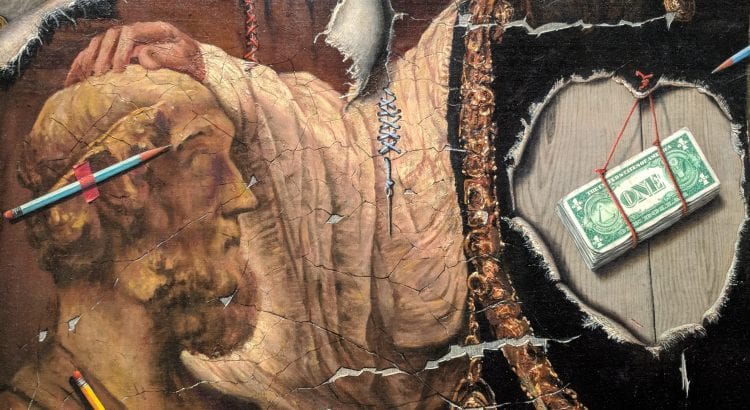
Decades later, in 1963, he created this oil on canvas masterpiece, “Heart of the Matter.” It “represents Rembrandt’s ‘Aristotle with a Bust of Home’ (1653)—which had been purchased two years earlier by the Metropolitan Museum of Art, New York, for a record-breaking price—torn into pieces and surrounded by and even interlaced with money,” according to the Art Institute of Chicago’s placard by the painting. “At the very center appears a suspended stack of bills; the ‘heart of the matter’ is thus the close connection between art and commerce.”
Now, before you go judging the irony of an artwork with these anti-capitalist undertones now living in an art museum itself, consider this: It was given to the AIC as a gift by Anonymous.
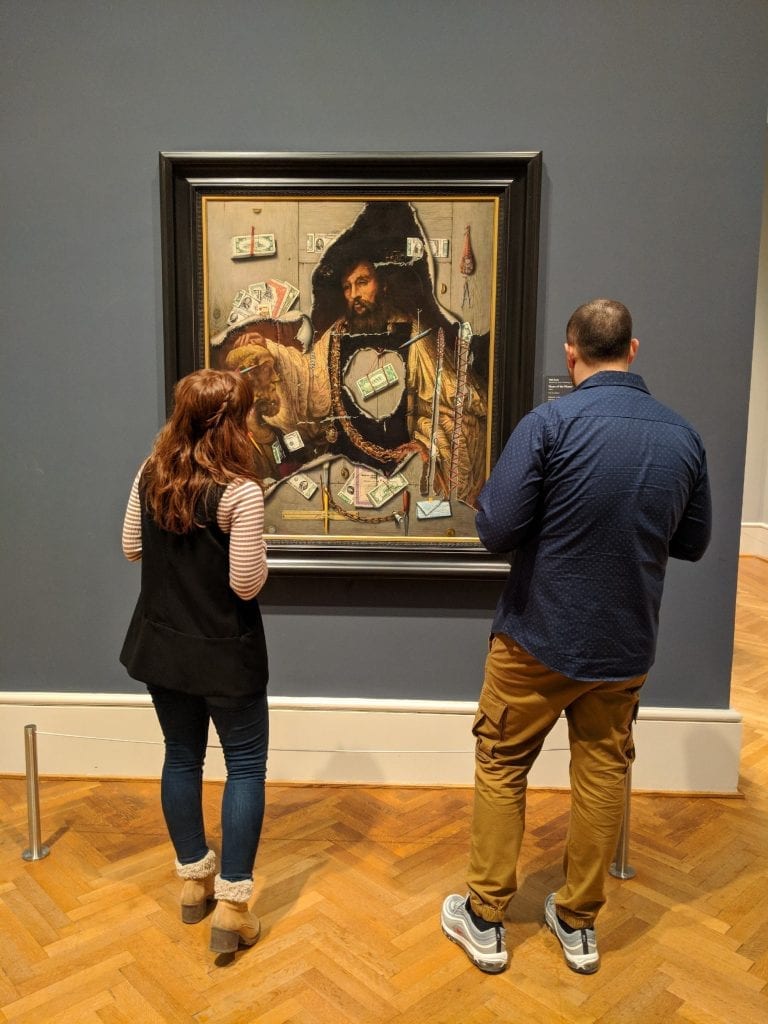
Me + “Heart of the Matter” + my heart… of all matters.
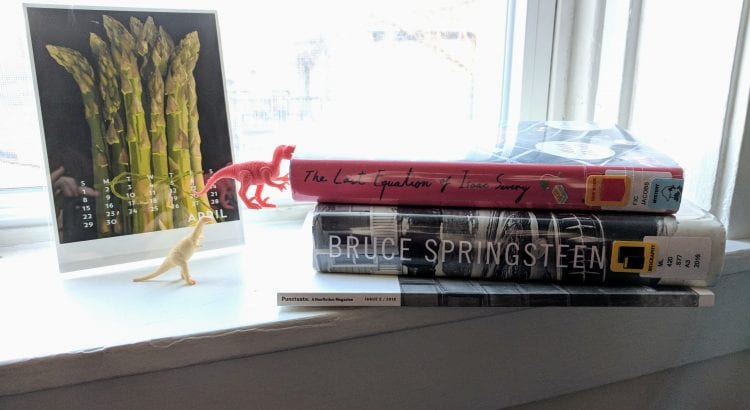
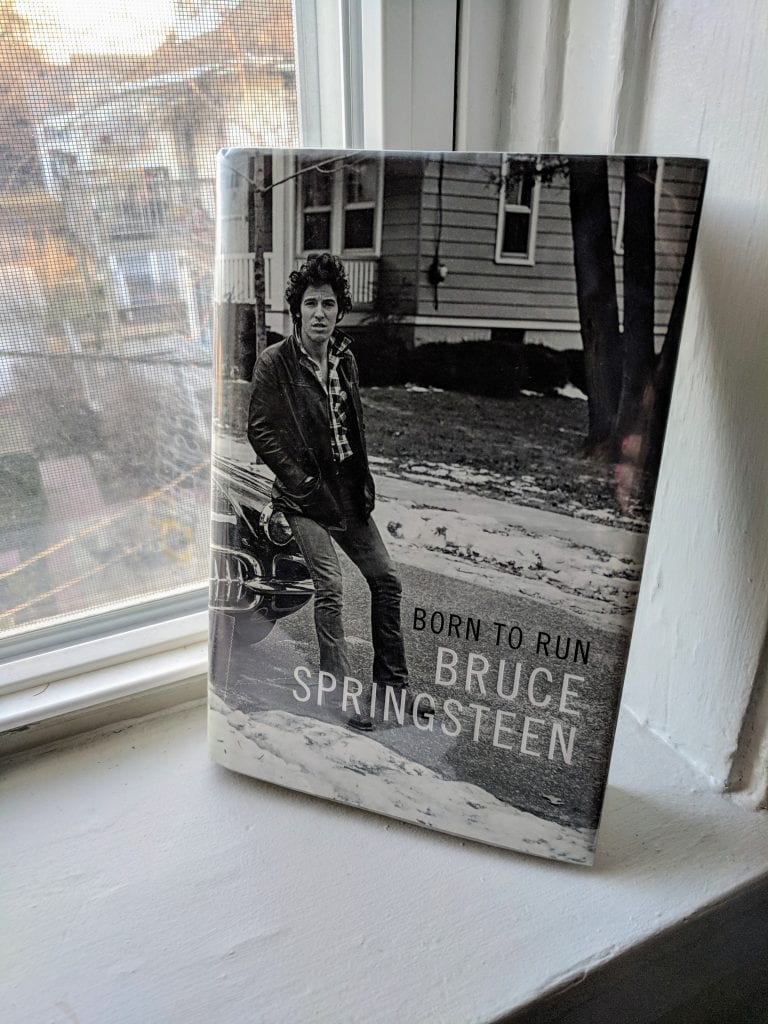
File this under “Books I’ve Been Meaning to Read for a Really Long Time.” Long time meaning 2016, when this autobiography came out. As I write about the song “Born to Run” for a side hustle project, now seemed like the perfect time.
I love Springsteen’s lyrics and it’s no surprise this book has been enjoyable for me, though a lot of the recounting of technical musicianing and craftsmanship is over my head—so over it I skip. Here’s one of my favorite passages thus far (it’s a chunky lil tome… he has had quite a life and quite a story, after all). In this quote, he’s talking about writing the song “Born in the USA,” which he also said “remains one of my greatest and most misunderstood pieces of music”:
“I knew it was one of the best things I’d ever done. It was a GI blues, the verses an accounting, the choruses a declaration of one sure thing that could not be denied… birthplace. Birthplace, and the right to all of the blood, confusion, blessings and grace that come with it. Having paid body and soul, you have earned, many times over, the right to claim and shape your piece of home ground.”
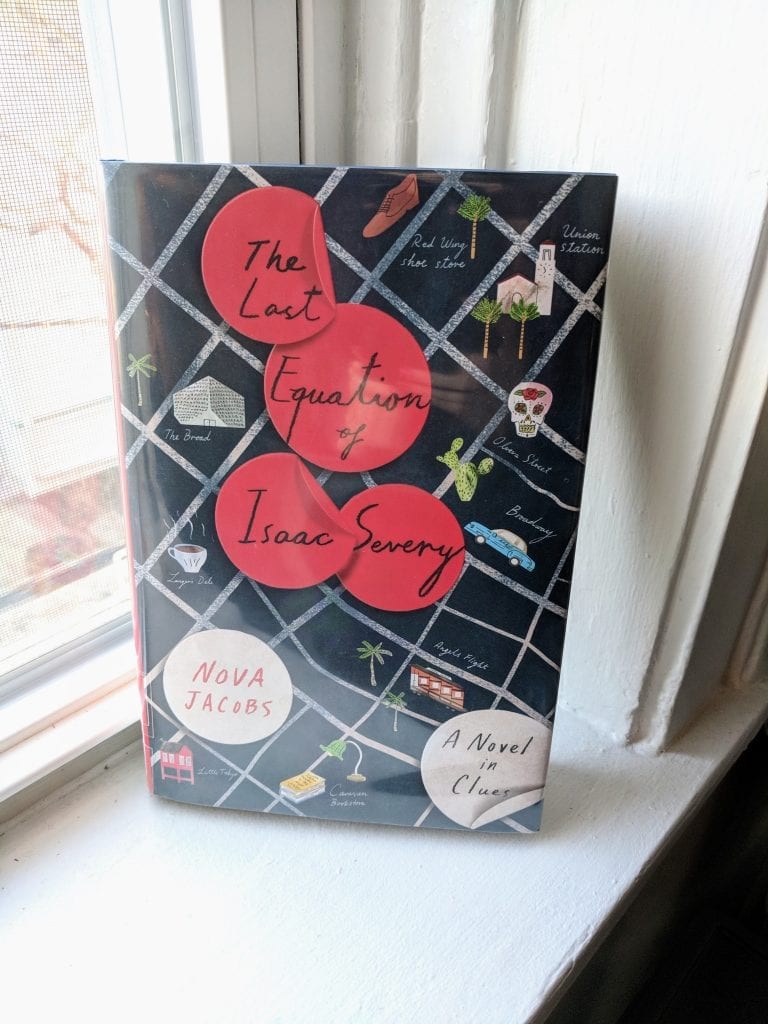
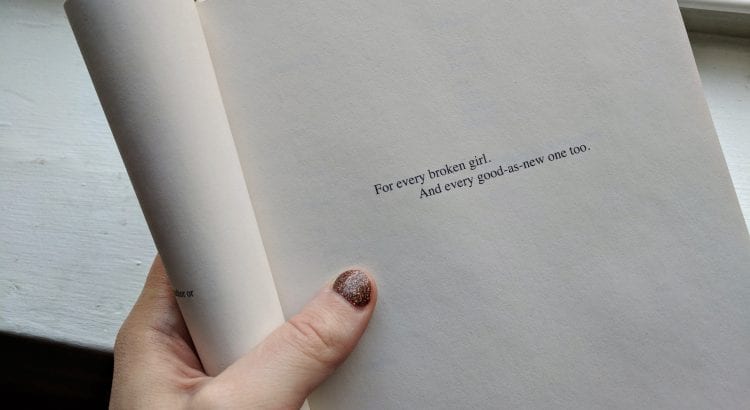
Oh la la! A novel that’s billed as “a novel in clues”!
The Severys are a family of genius mathematicians and a few normies, like Hazel, our main protagonist and the adopted granddaughter of the title’s Isaac. After his mysterious death, Hazel gets a letter in the mail from him, with a message that he was murdered and the directive that he’s counting on her, of all people, to destroy the last of his work.
This book is turning out to be more about family drama and the brokenness inherent in the bonds of love more than a murder mystery. But it has its pros, despite, I think, its brain-teasey marketing pitch: Nova Jacobs writes lovely descriptions and there are bits of wisdom—non-mathematical, praise be—woven throughout. As the estranged, bitter Aunt Paige says:
“Your generation could stand to live in the pursuit a bit more. You’re all rushed to get to the end. To succeed. … It’s an empty way to live, in constant pursuit of the trophy.”
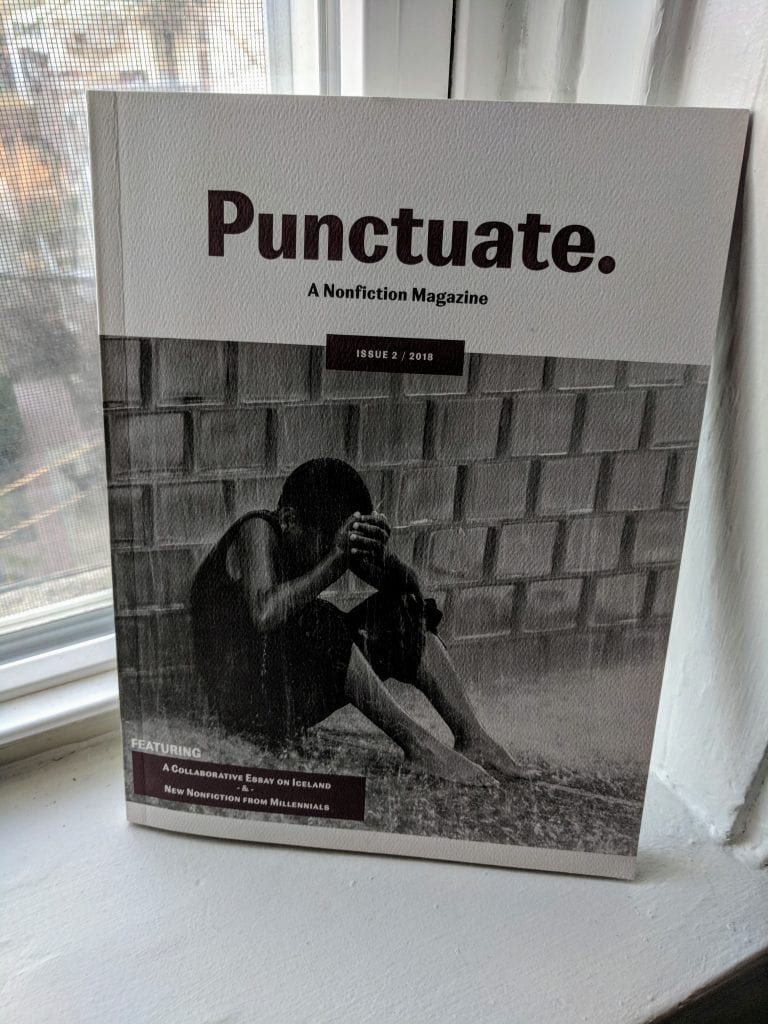
I picked this up at the Chicago Women in Publishing conference at the end of March. Columbia College Chicago was there recruiting for its MFA in writing program. You can read Punctuate. (as well as author interviews, book reviews, and other writerly goodies) here.
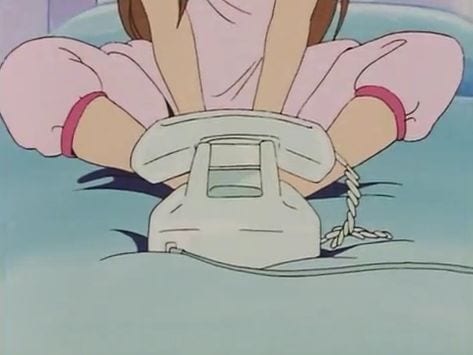
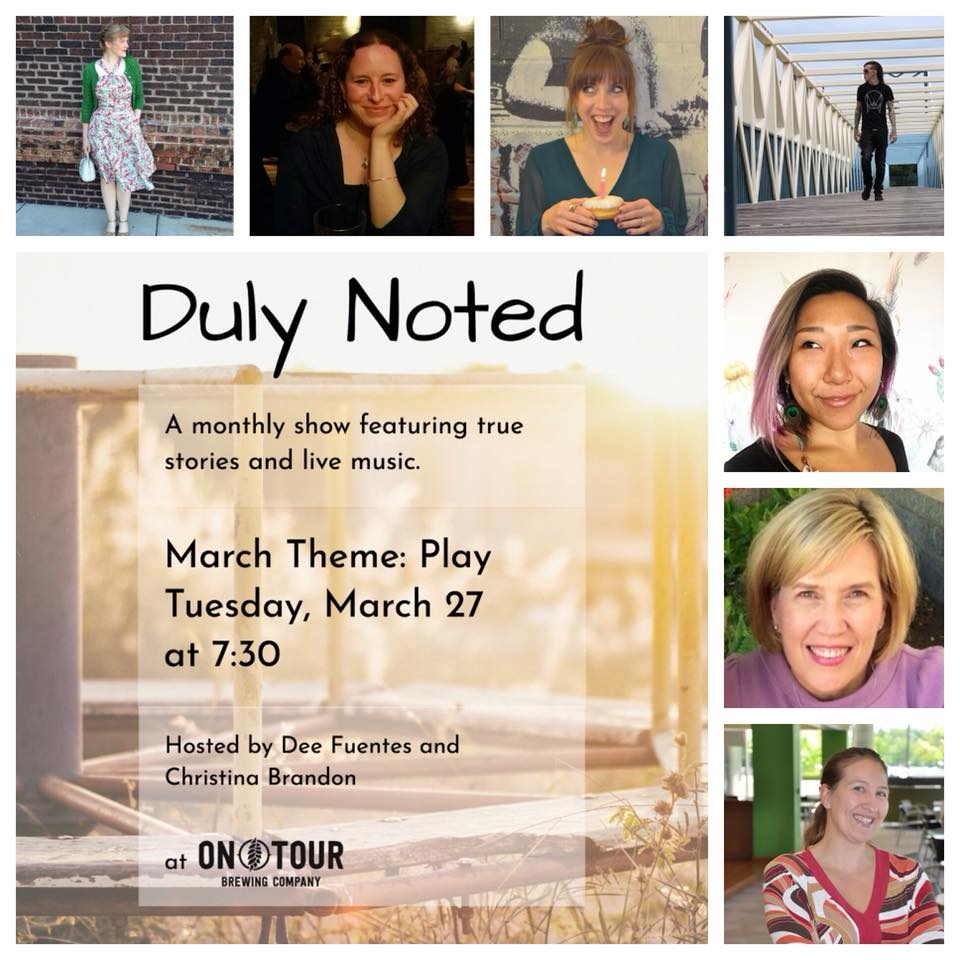
I’m performing a live lit piece tomorrow at Duly Noted! Come listen to music and storytelling (including my tale of a prank call gone wrong… or deliciously right, depending on how you look at it). The event is freeeeee but we’re taking donations for the Boys & Girls Club of Chicago. Bonus: You can bring your own food or get dinner delivered. All the deets are here. See you soon!
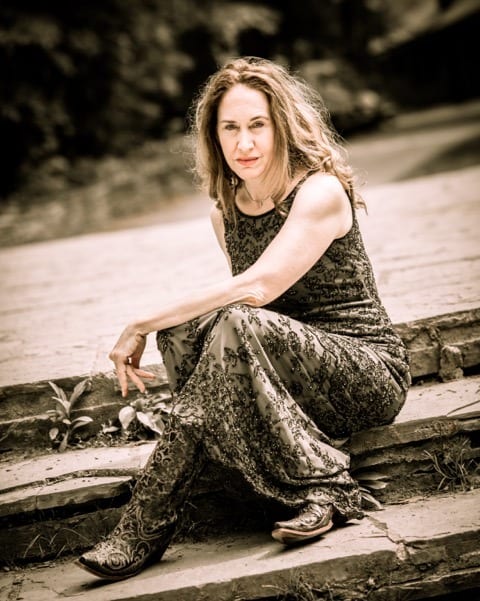
By day, Cynthia Robinson is an art historian based in Ithaca, New York, and the Mary Donlon Alger Professor of Medieval and Islamic Art at Cornell University.
That is, new to me. Cynthia’s been writing for some time, and her short fiction has been published in The Arkansas Review, Epoch, The Missouri Review, Slice and others.
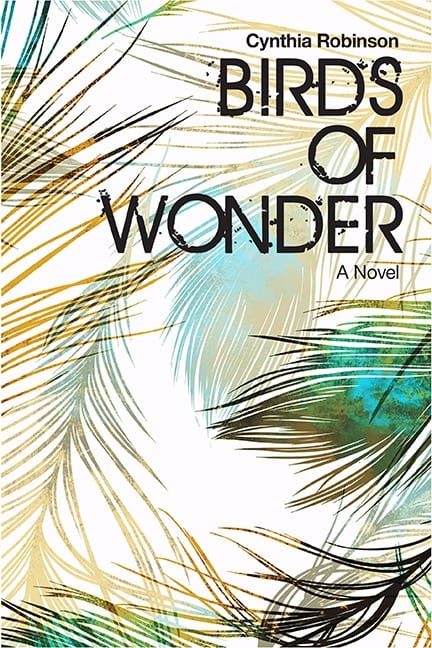
Her new novel Birds of Wonder, released March 2 and published by Standing Stone Books, is her triumphant return to writing fiction following a long spell unraveling the magic of art history — buried in other people’s books.
I, for one, am glad she’s back to writing her own fictional tales.
“One August morning while walking her dog, high-school English teacher Beatrice Ousterhout stumbles over the dead body of a student, Amber Inglin, who was to play the lead in Beatrice’s production of John Webster’s Jacobean tragedy, The Duchess of Malfi. Barely able to speak, Beatrice calls the police. That is to say, she calls her daughter.
Jes is a detective with two years of experience under her belt and a personal life composed primarily of a string of one-night-stands, including the owner of the field in which Beatrice has found Amber. In addition to a house and a field, Child Services lawyer Liam Walsh owns a vineyard, where Amber Inglin, along with a handful of other teens who’ve had difficulty negotiating the foster system, was an intern.
Set among the hills and lakes of upstate New York and told in six vibrantly distinct voices, this complex and original narrative chronicles the rippling effects of a young girl’s death through a densely intertwined community.”
This is a murder mystery, sure, but it’s also a study of family ties — what bonds them, builds them and can potentially break them. With sprinkles of humor and strokes of darkness, the book is lovely lyrically. I enjoy Cynthia’s ability to turn a basic everyday something-or-another into such a scene that I find myself doing something-or-another inspired by it in my real life later.
Like pick forgotten flowers from the side of the highway and lovingly restore them as a dinner centerpiece (ie: this passage about Beatrice considering a walk to the farmers’ market with that beloved dog Geneva):
“True, the humidity had been stifling, the stretch closest to the highway lined with jiffy-lubes and chain drugstores, and the rushing traffic had made Geneva skittish. But she’d spied wild salvia growing along the roadside, pushing bravely through the gravel. The bright blue blossoms were a bit bedraggled now, but a drink of water would fix that. They’d be a charming centerpiece for tonight’s dinner table.”
Birds of Wonder is juicy escapism with a literary garnish perched on the rim. It’s just what the book-doctor ordered as we fog up our windows searching to see if the birds and the sun have come out yet to play.
Get your copy of Birds of Wonder here, and don’t miss my interview below with Cynthia below!
She offers great insights for writers about the writing process, including the best tip she’s ever been taught for developing characters for a multi-voiced piece of fiction. And I love reading about how and why she struggled with writing Jes — it will add a depth of understanding and appreciation to your reading that you won’t regret.
Happy reading!
***
What brought you back to writing after your hiatus from fiction? Why write a novel?
I have a dear friend in Spain who pestered me for, literally, years after she read a novel of mine that never got properly published — long story, from way back in the ‘90s.
In the meantime, I had taken a deep dive down the scholarly black hole and didn’t want to hear it. But still, as they say, she persisted… And, funnily, in 2011 or so, via reconnecting with an old friend who, most unfortunately, has gone back to being no longer a friend — another long story — the opportunity to sort-of publish that one came about.
It went spectacularly south, nothing about it went right, we had no idea what we were doing, B U T: That near-miss awoke the Writing Beast once more — the genesis of Birds of Wonder. That ex-friend was actually a big part of its early inspiration and brainstorming. There’s a line in the acknowledgements thanking him. Wherever he is.
I conceived a novel because at that time I had yet to meet the person who would suggest, long about 2013, that I try my hand at short fiction, and I am very glad that she did!
Birds of Wonder is told in six distinct characters’ voices. Did you do any specific kinds of character work to distinguish these voices from one another?
Lots and lots and lots. Pages and pages of backstory for each that never made it into the novel, nor should they have. I did all sorts of down-the-rabbit hole research for each one of them (yay for the internet), which maybe generated a page of text. But I’m kind of used to that, being a medievalist in my day job. I’m used to wasting time in the archives.
Perhaps the most useful ‘trick,’ if it can be called that, is one I learned from the wonderful Gill Dennis, in his ‘Finding the Story’ workshop that he taught for years and years at the Squaw Valley Community of Writers (highly, highly recommend their summer workshops, btw): For each and every character, a writer should know (and know well enough to write, tho’ these may not be things you actually use) the moments of greatest terror, joy and shame in that character’s life. Those are harder than you might think to nail down (in a plausible way), but once you have them (and, of course, all the background research), then you have your character and you can go from there.
Were there challenges to drawing upon stories and experiences from your own life when writing Birds of Wonder or was that helpful for developing the story? Both?
Both, for sure. Though all of the characters have something of me in them, likely more of a something than I know, the closest to me is Jes. There are a number of pieces of my own baggage that I gave her to haul (the sorts of relationships she establishes, and eschews, with men, for instance, or some of her more traumatic experiences — I’d spoil the plot if I elaborated further on those), that brought her so close to me that I was beginning to find her difficult to write.
I had to go back to the drawing board on her character quite a number of times, though her moment of greatest terror did end up looking a lot like my own. And it was only very late in the writing process that I was able to give her that. Once she’d been made into enough of her own character that I could clearly see she wasn’t me.
What was the most difficult point in completing this novel? Was it getting started, the middle build, completing it, or something else entirely?
The low point for me was when my long-suffering agent took one, or two, or three — I lose count — earlier drafts to editors and no one bought. That was absolutely excruciating, because everything about regaining the Writing Thing up to that point had been scandalously easy for me. Getting short fiction published, finding just the right trusted readers, getting into Squaw not once but twice, getting a wonderful agent (actually I had my pick from a number of wonderful agents)… then, slam.
Once I picked myself up off the floor that first time, I saw I needed to kill off a character and give voice to another who was more central to the story. So I did that.
Which took me about a year.
And then that one didn’t sell either.
We were just about to put it into a drawer and go forward with the new one I am working on, when I was presented with the opportunity to work with Bob Colley at Standing Stone Books, an upstate-NY based, indie press. It was during revisions with him that I finally excavated to the rock bottom of Jes (I’d been protecting her, as one often does with characters one likes or identifies with). I stopped doing that, and everything fell into place, including a new ending that rang much truer to the story and its characters.
This is a long process! Much longer than anyone ever wants it to be, but there it is.
Do you have any advice for writers doing factual research for a fiction novel?
Really, with the internet the sky is the limit. Or, as I discovered, the absolute rock bottom of the sexual tourism business in Thailand. Absolutely everything is on the internet. So you start there. Even if you will eventually wind up in libraries an archives, you start there, and then follow the leads where they take you — to a vineyard, in my case, or to another country, or just another county, to the courthouse archives.
I do recommend always resisting the temptation to do an information dump on your readers. Once you have become a temporary world expert in Topic A or B, you will want to share your newfound knowledge, all of it, with the world. Don’t.
But you are now able to supply — or quickly find — that one bit of data that, inside your character’s head or coming from her mouth, will be convincing and hook readers/editors/agents, whoever you’re trying to hook.
What do you listen to or watch or read to get pumped up to write?
I watch almost no television (except select political shows, MSNBC on speed dial), almost no movies. I don’t binge-watch. I don’t own a subscription to Netflix, and I’m not even sure whether Netflix is a subscription service!
I have two jobs, in essence — my teaching and research etc., and my writing — and I just plain don’t have time. Maybe I am depriving my subconscious and my psyche of all sorts of great stimuli, but too bad. Not enough hours in the day. I do have a bunch of books going at once — always a couple of literary journals (I subscribe to several; I don’t always like everything they publish, but I try to read the stuff I don’t like too, because I think it’s good for me, and they must have chosen it for a reason).
I always have at least one collection of short stories going — right now it’s one by Molly Giles. I try to read each year’s O.Henry and Pushcart prize collections as well. I always have at least one thing going in Spanish — right now it’s Javier Marias’ BERTA ISLA.
At least a small daily dose of poetry, sometimes medieval sometimes not, and a couple novels that bear on things that interest me that usually have to do with the current novel project. It’s almost never the latest or most trendy best-seller. I read other people’s reviews of those for a while, usually a year or two, before I decide whether to bite or not.
I love to listen to classical music, pretty much all of it, and I have grown spoiled and lazy because our local station is so good that I can always count on them to supply my Muzak. I am also a huge fan of opera and never miss at Saturday Live at the Met broadcast if I can possibly help it.
When it’s time to actually _write_, tho’, I turn all the sound off.
Do you have a daily writing routine or schedule when you’re working on a novel? If so, what is it and how does this help you get the work done?
I have to balance the two jobs — the one that keeps the lights on and the one that truly inspires me — which tends to make my writing time a late afternoon-early evening thing. I start off by reading for about half an hour, generally rather randomly from among the selection I listed above. Then I open the computer.
Gulp.
Each novel or short story generally goes through several pre-drafts in note-card and white-board form, with these notes often being written down first in Spanish — I seem to free-form best in some language that is not my own but almost is — and when it’s time to really get serious, I switch to English. If I am having trouble with a scene, I will often stop and note-card that particular scene… it’s very control-freak-y and nerdy and scholarly but when you consider my day job, maybe that isn’t very shocking.
What has been inspiring you lately?
The #metoo movement, for reasons both personal and universal.
Pablo Neruda en español.
My upcoming spring break to London, to hopefully finish a fourth draft of my new novel in and around the very hotel that inspired its setting.
If you could invite three people, living or dead, to a dinner party, who would they be and why?
My mother, because she died of melanoma when I was 25 and I never knew her as an adult.
My brilliant, multilingual and disgustingly talented friend Mark (we were inseparable in grad school)—he died of AIDS a year after my mother passed away. They would have adored one another. In another life my mother would have been a fashion designer (in this one she was a Southern housewife).
And Louisa May Alcott, because they both loved Little Women.
If we could maybe have a fourth, I’d invite my librarian aunt, who died a victim of gun violence when I was five. She was the first to put a book in my hands. She was a divorcee down south back when no nice ladies in the south were divorcees.
I think we would all have a fine time.
*NB: I didn’t name all the amazingly brilliant states-persons, writers, poets, etc., that might come to mind, because I’m quite sure I would be totally and completely tongue-tied in the presence, say, of Virginia Woolf.
In honor of International Women’s Day on March 8, The New York Times unveiled a pretty genius idea: A series of obituaries for influential women who had been overlooked by history and the iconic paper, which called itself out as follows:
Since 1851, The New York Times has published thousands of obituaries: of heads of state, opera singers, the inventor of Stove Top stuffing and the namer of the Slinky. The vast majority chronicled the lives of men, mostly white ones; even in the last two years, just over one in five of our subjects were female.
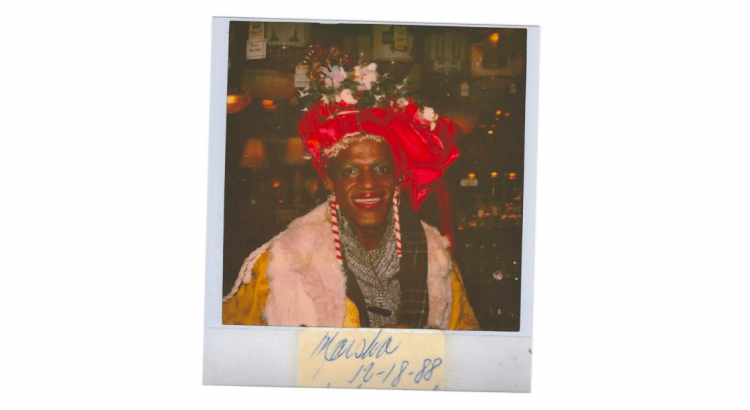
Included in the series, called Overlooked, are obits for names you’ll know, like Ida B. Wells and Charlotte Bronte, as well as little known women who deserve their due, like transgender and LGBT rights pioneer Marsha P. Johnson; Emily Warren Roebling, who oversaw the construction of the Brooklyn Bridge after her engineer husband fell ill; and the first computer programmer, Ada Lovelace.
The Daily Brief is the email roundup of the “most important and interesting news from the global economy.” Quartz always makes this kind of news interesting with a unique voice, and The Daily Brief is the curation of both that you didn’t know you’ve been looking for. I’ve learned about everything from international trade to emo Japanese teens and why they matter to the tea market. Subscribe here.
Kinder beauty products
Oy. Plastic. Human cruelty. Animal cruelty. Etc.
I’m trying to be more conscious about my consumption, and I’m happy to report on two beauty products you can buy at your local drug store (read: they’re accessible and inexpensive) that are sensitive to all of the above AND actually work. Because that’s important too…
Love Beauty and Planet is a new-to-me brand of skin and hair products that are packaged in 100% recycled bottles, sourced from sustainable growers who provide fair wage jobs, and vegan/ not tested on animals. The bottles save 900 tons of CO2 per year, and for every ton of of carbon it emits, the company donates to clean-air organizations. That’s cool.
I’ve been using the coconut oil and ylang ylang shampoo and conditioner and I love the smell. They work as well as any other shampoo or conditioner I’ve ever bought.
All the alarming news reports of plastic in our oceans and the sick, sad tale of the exfoliating microbead, which I’d long unknowingly relied upon, has had me searching for a facial exfoliating scrub that is naturally derived but still feels effective. Found one!
Comedian Roy Wood Jr.’s special “Father Figure”
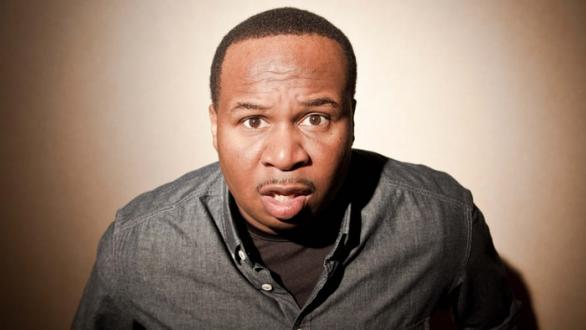
Roy Wood Jr.’s joke about the difference between white patriotic songs (about America) and black patriotic songs (about American cities that are safe for black people) is one of the funniest, most astute observations I’ve heard in a long time. Watch the full special here.
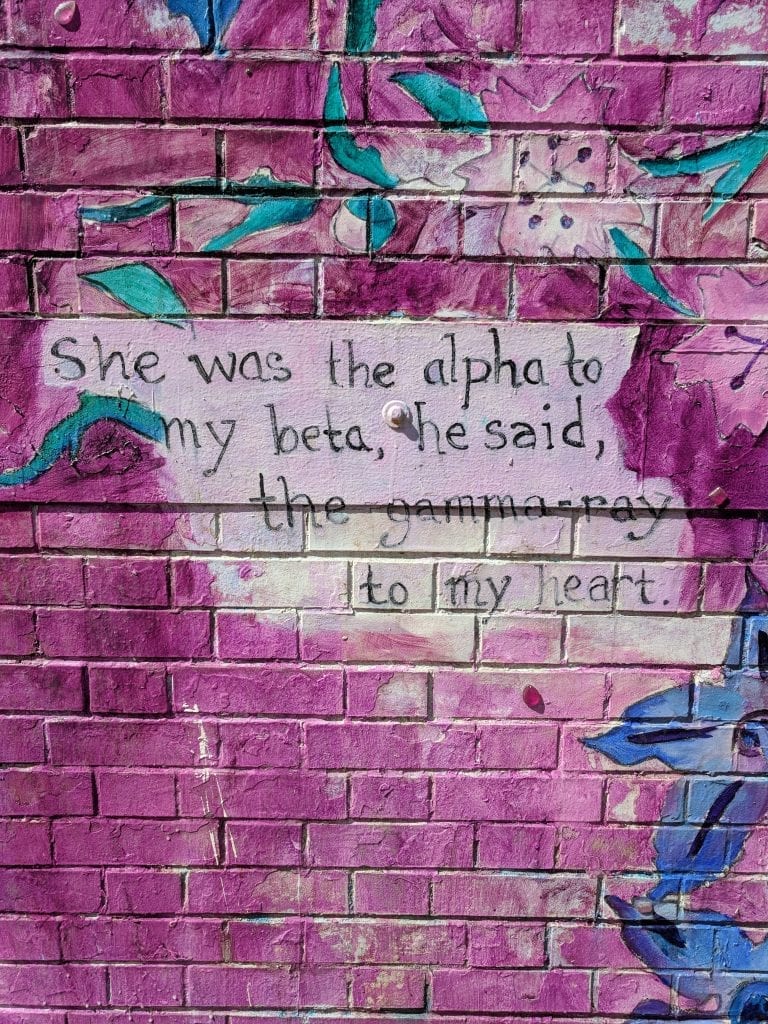
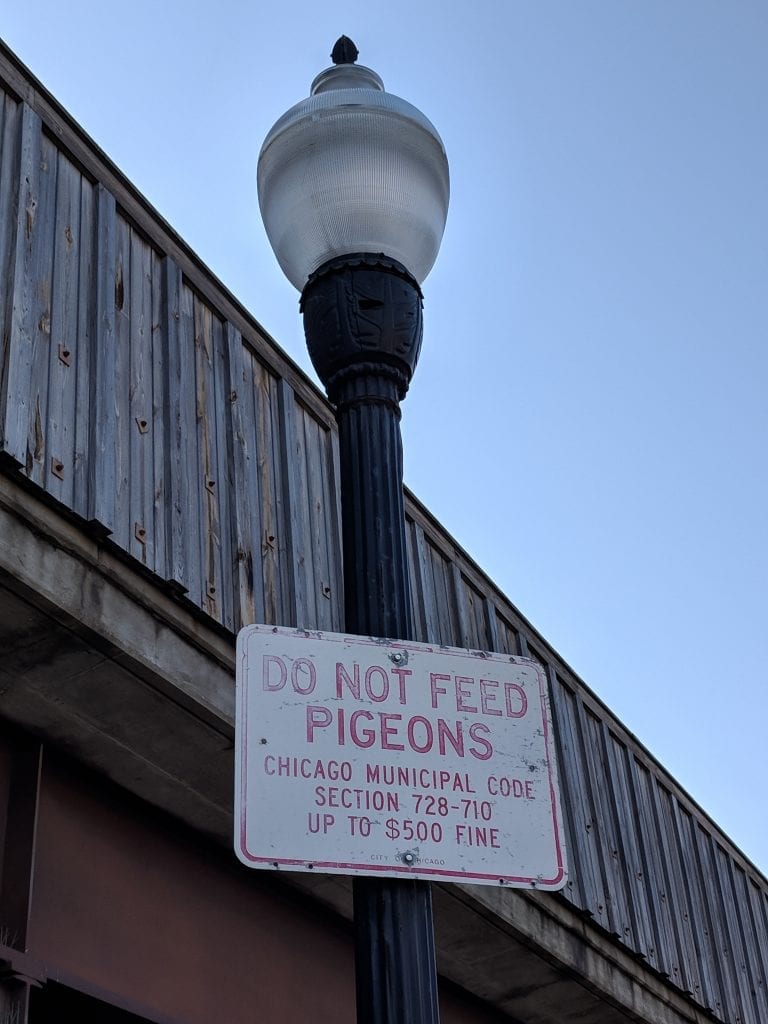
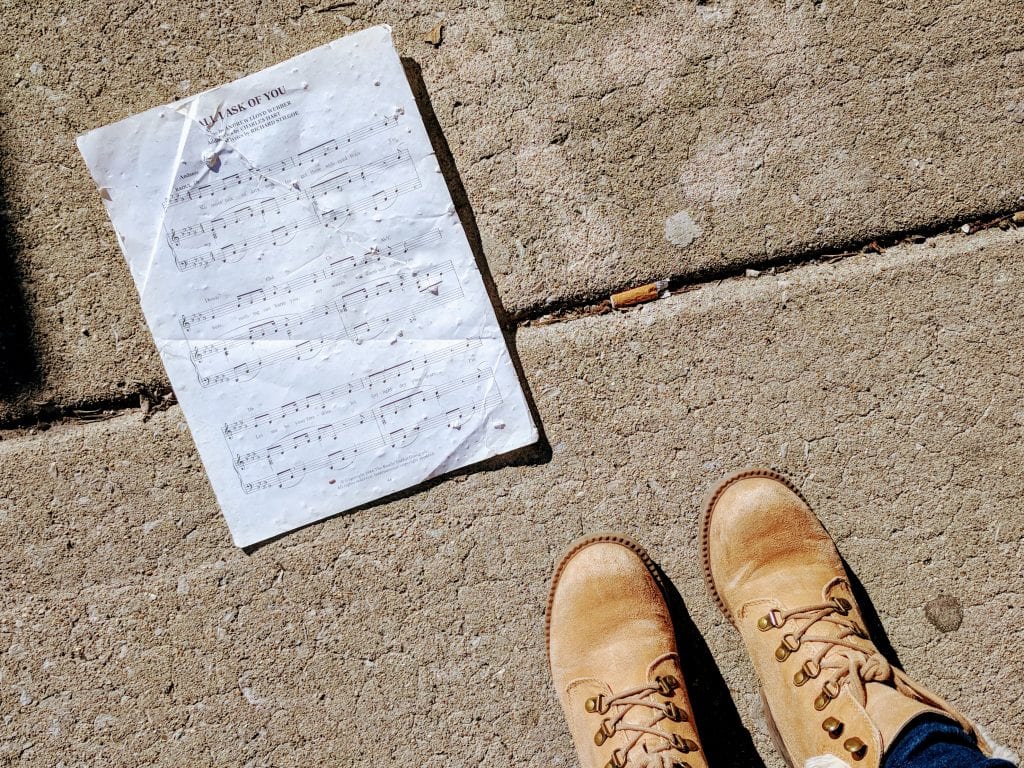
“All I Ask Of You” is to throw out your trash. Also, it’s surprisingly sad to see sheet music lost on the street. 🙁
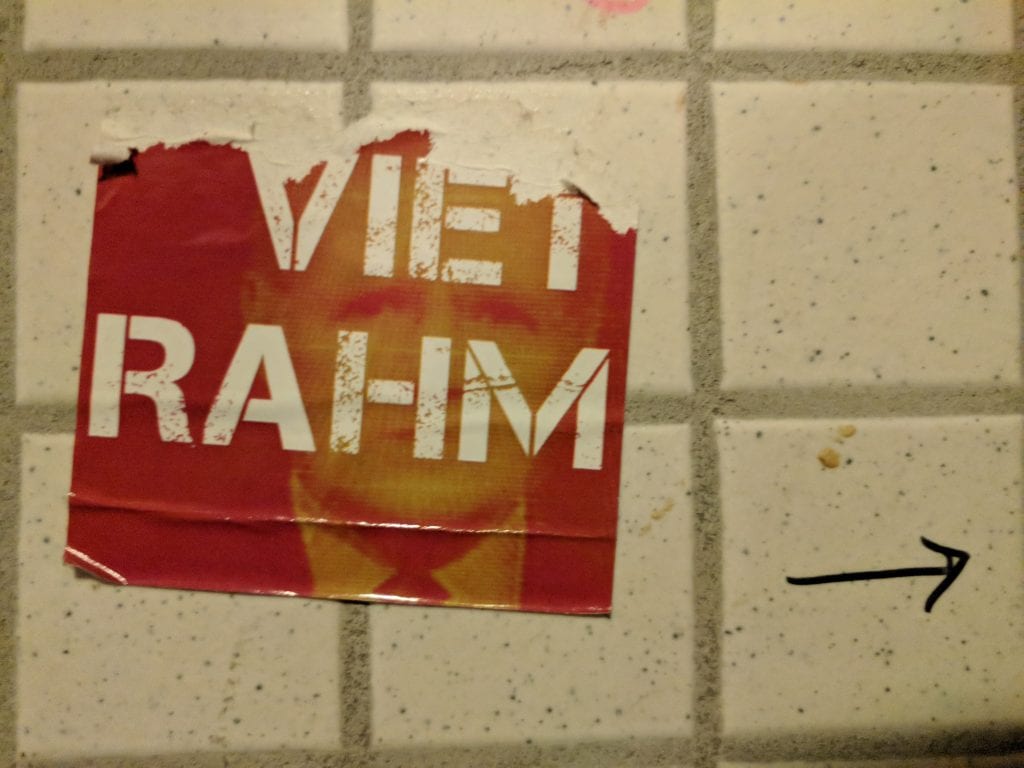
Sick burn.
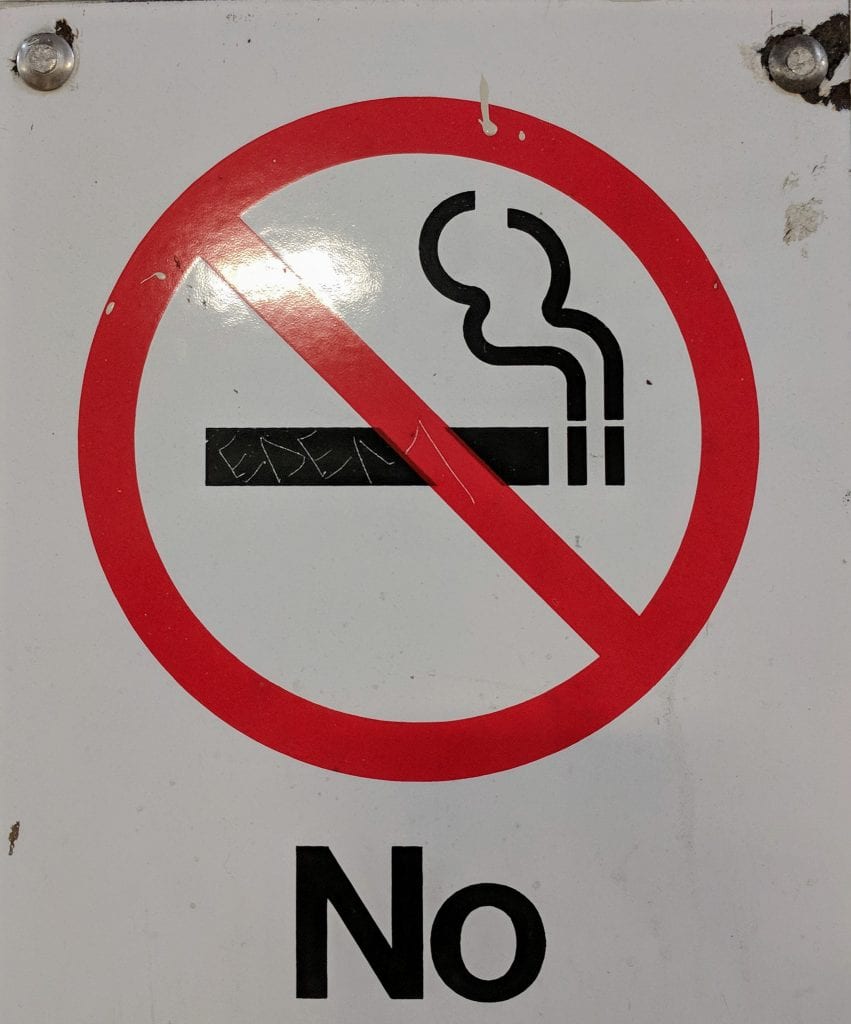
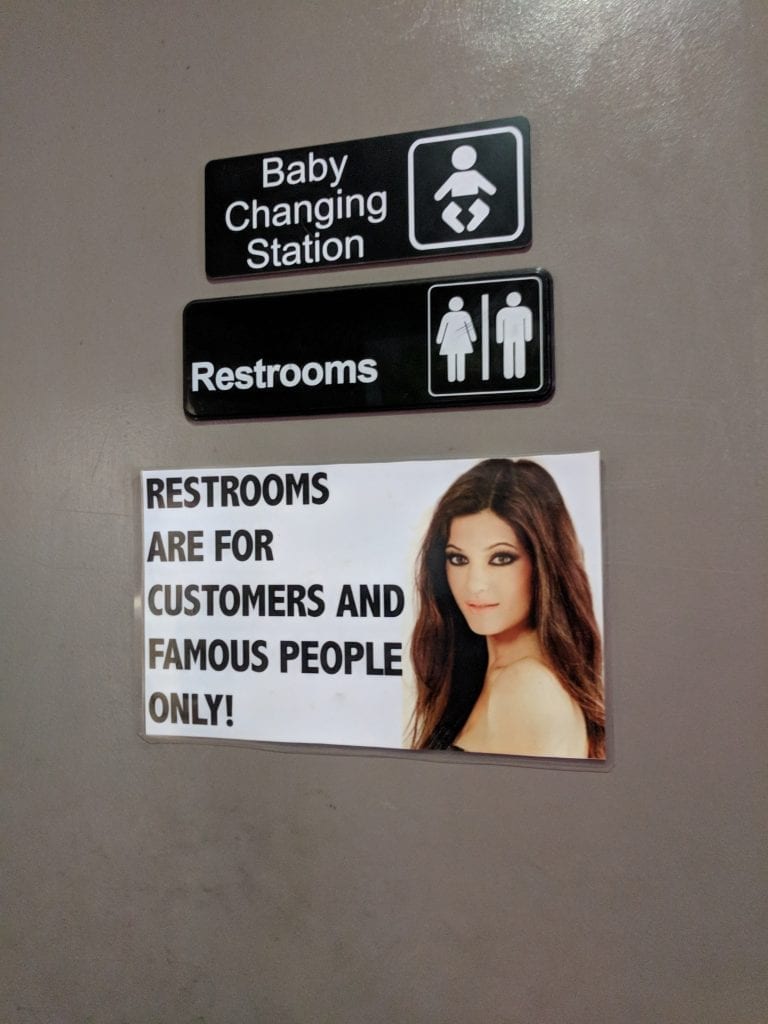
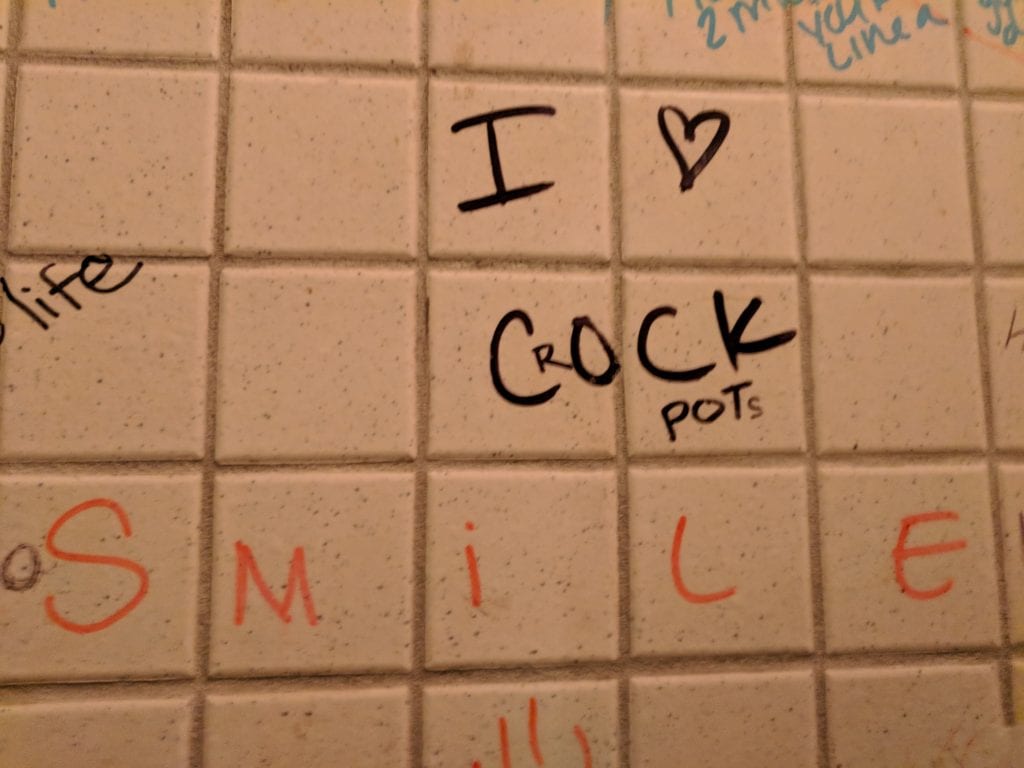
Though “I heart cock” is a regular staple of bathroom graffiti, this helpful Crock Pot edit is new to me! Great work, team. Plus, we all know Crock Pot could use as much re-branding help as possible.
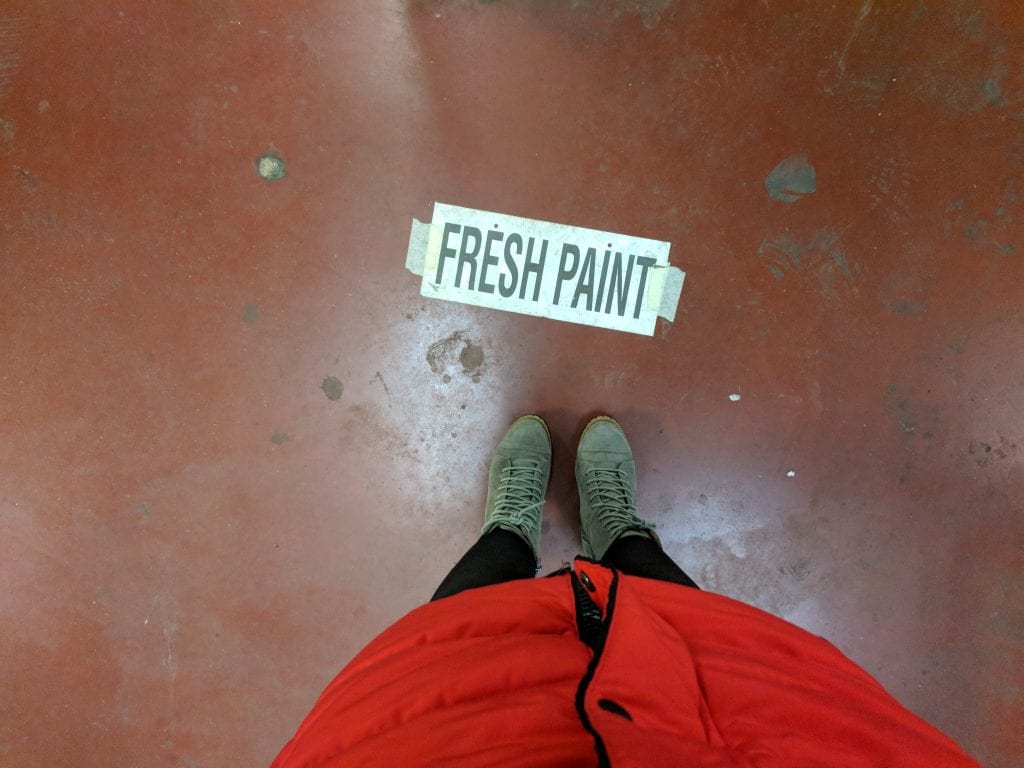
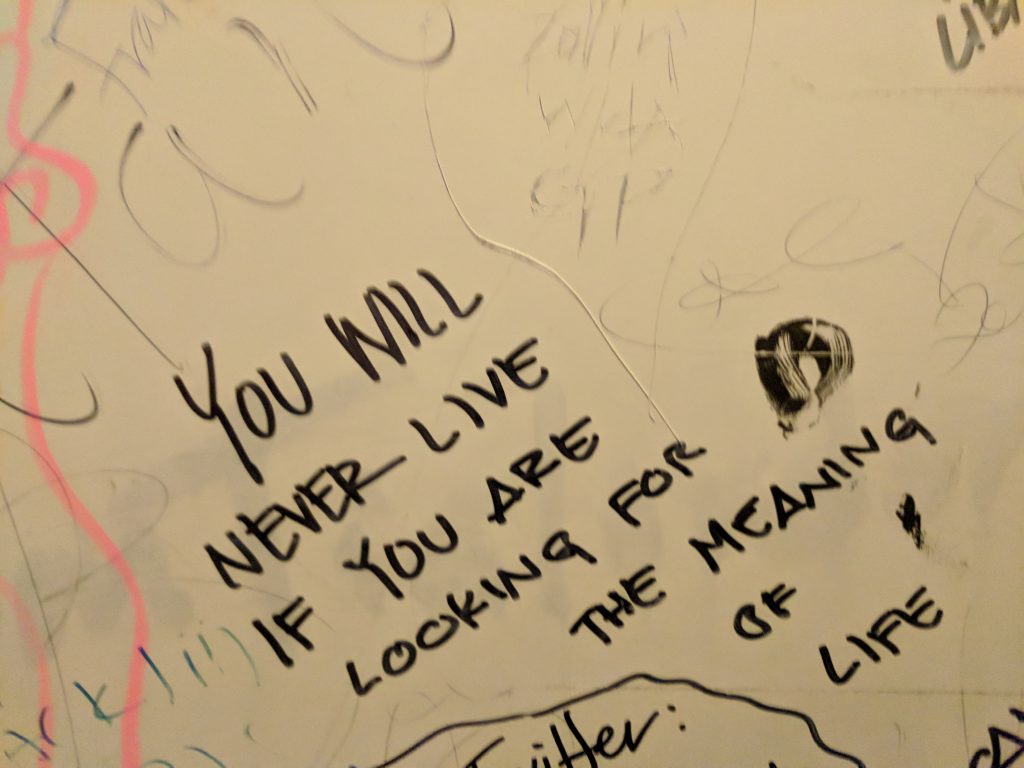
Well, you’ll live. You just might not enjoy it as much as if you weren’t so worried about it all.
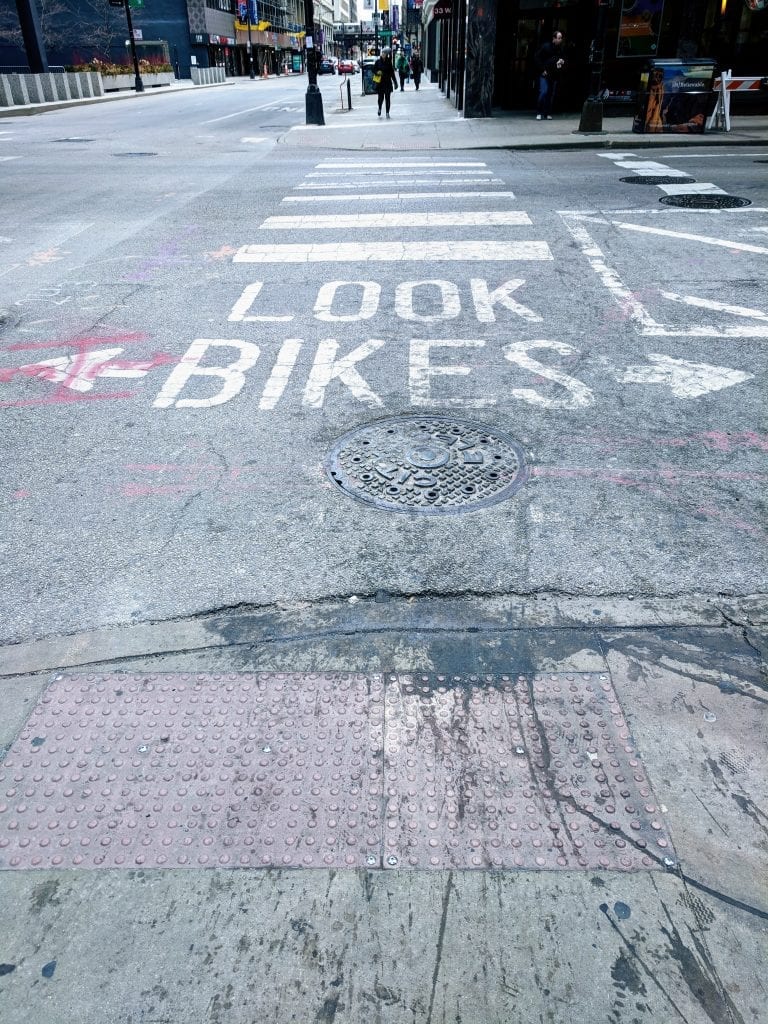
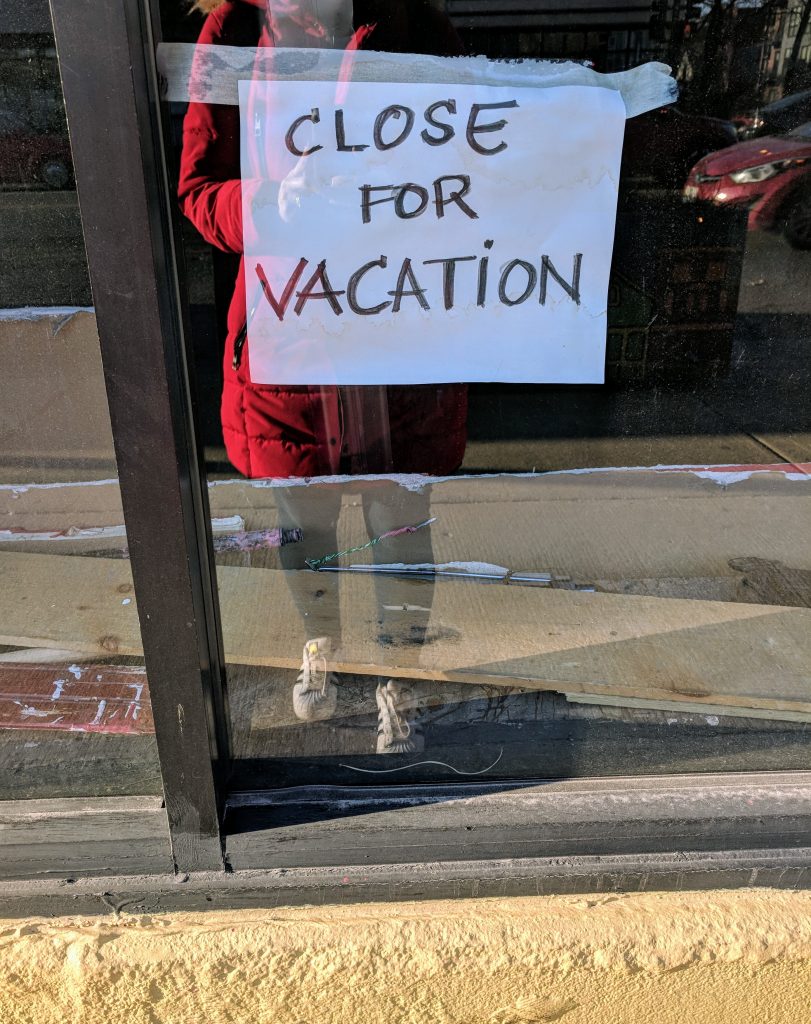
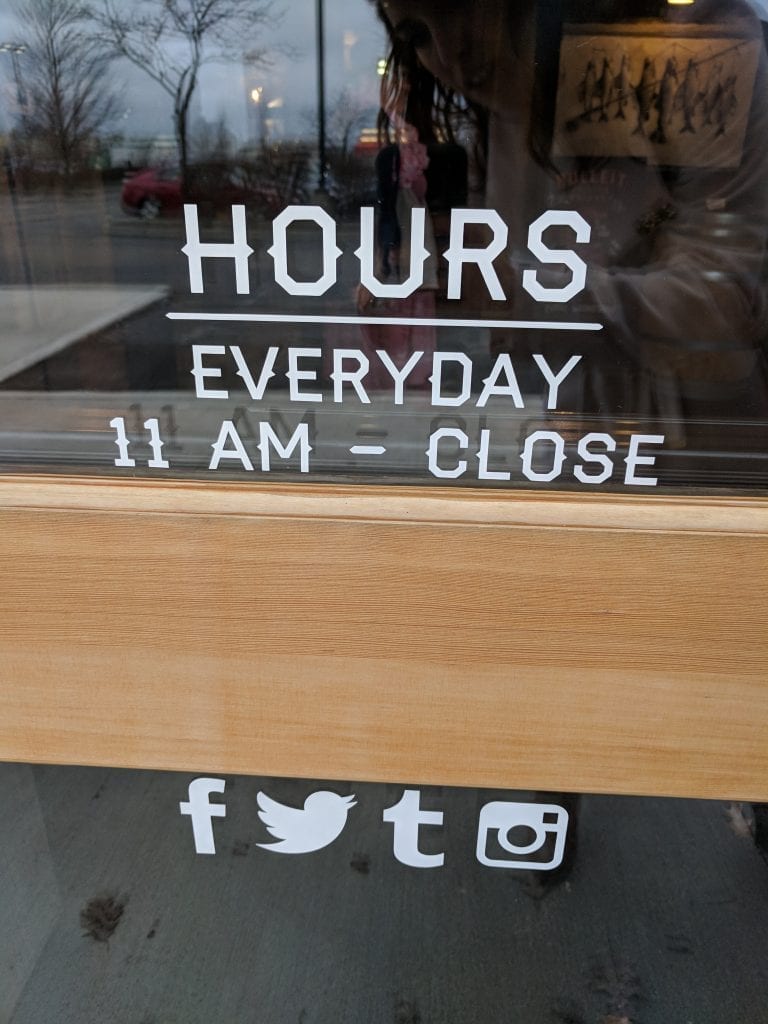
Um, OK, but when is “close”? File under “super unhelpful.”
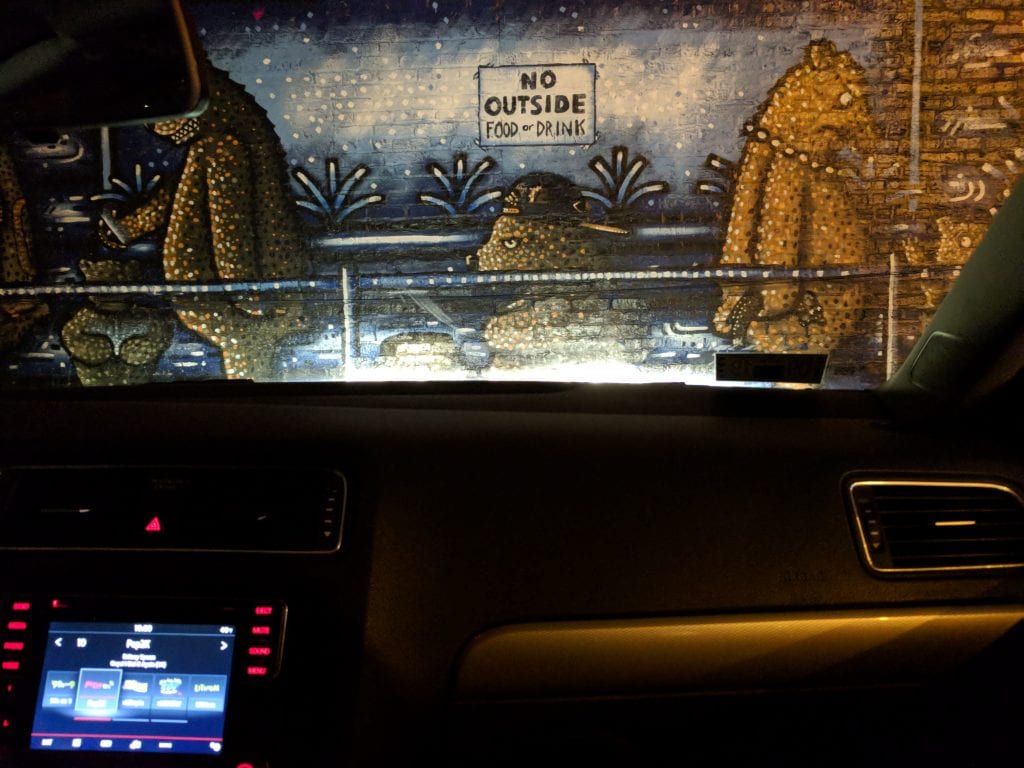
And these bears look pissed about it. No picnics in da club, lil buds!
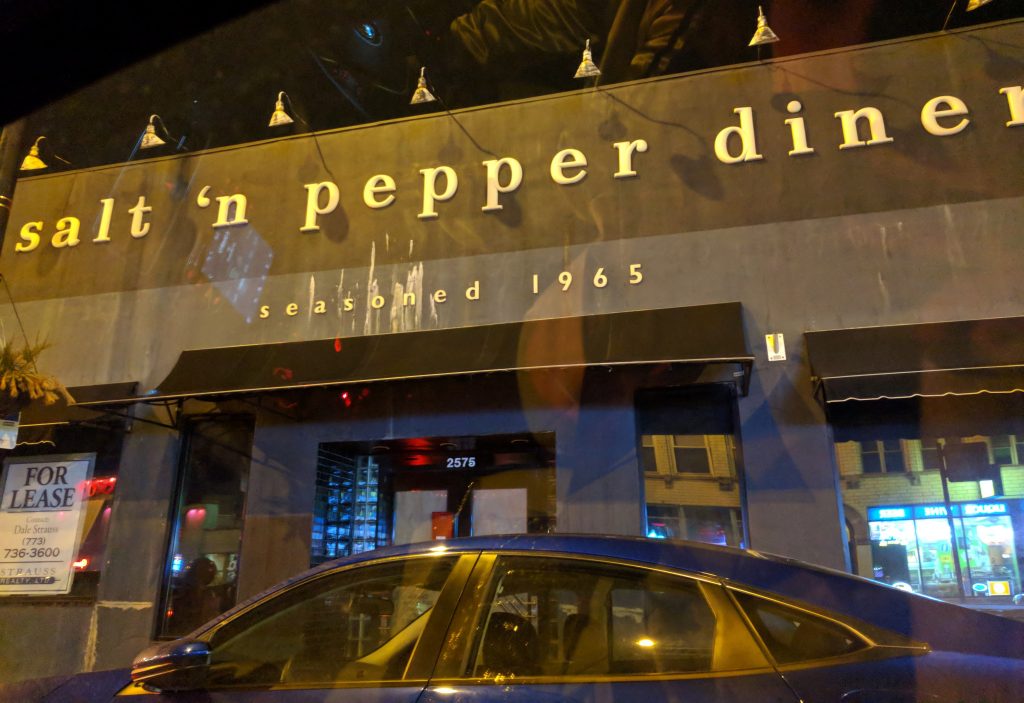
I’m sad this place is closed. Not only is Salt ‘n Pepper Diner, like, the cutest diner name, but “Seasoned 1965”? Spicy word choices all around!
William Faulkner’s advice to writers that “you must kill your darlings” is so true it hurts.
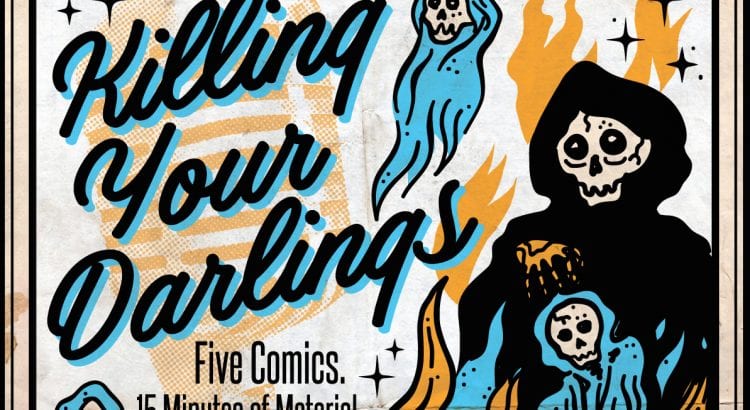
Come watch comedians share in our misery at the new monthly Den Theatre showcase named after this famous Faulkner truism. At this stand-up comedy series, once a comedian has told a joke on the Killing Your Darlings stage, they can never tell that joke on the stage again.
It guarantees you’ll never see the same show twice! And it challenges the comedians to flex their writing muscles. (And I’m running sound!)
Come check out the first installment on Friday. See you soon. B-Y-O-Red-Pen.