Art you should know: Robert Frank’s The Americans


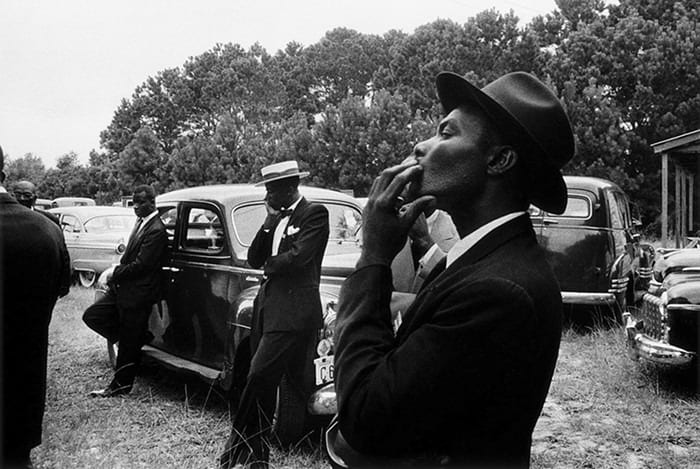
Capturing America’s inconsistencies and contrasts is practically a pastime now for the average artist. We owe a tip of our baseball hats, emblazoned in racist symbology, to those who developed this aesthetic with such originality that their historical influence is practically cliché. I’m thinking the hard-nosed, coked in empathy narratives of Dorothea Lange; the searingly lonely dream-scaping of Edward Hopper (#1 all-time fave). An artist who deserves to be part of this lineup of artists that the gen pop rattles off when considering Great American Artists Who America-ed America is Robert Frank.

Actually, Frank, a photographer, was Swiss-American, and his new-citizen status gave his work a non-sentimentality surrounding American Life. In the 1950s, this translated to an incredibly unique source of truth for what was happening behind the technicolor and catchy slogans of the post-war pop culture.

I am always looking outside, trying to say something that is true. But maybe nothing is really true. Except what’s out there. And what’s out there is constantly changing.

Robert Frank

In 1955, Frank got a fellowship from the Guggenheim Foundation. For the assignment, he spent two years traveling the States with his family and taking photographs of everyday life in places like Detroit, Savannah, Miami Beach, LA, Salt Lake City, Butte (Montana), and (of course) Chicago. In those two years he took more than 25,000 photographs and 83 of them became The Americans, a book of images that “changed the nature of photography. What it could say and how it could say it,” wrote art critic Sean O’Hagan nearly six decades after the book’s publication in 1958. The Americans, he says, “remains perhaps the most influential photography book of the 20th century.”
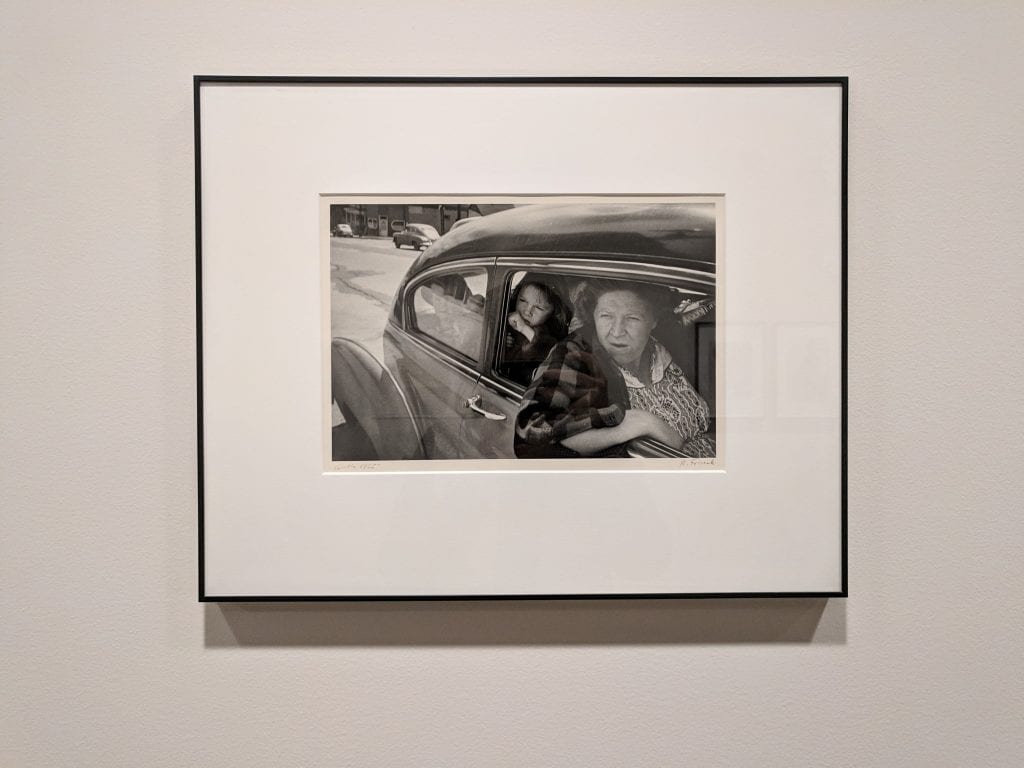
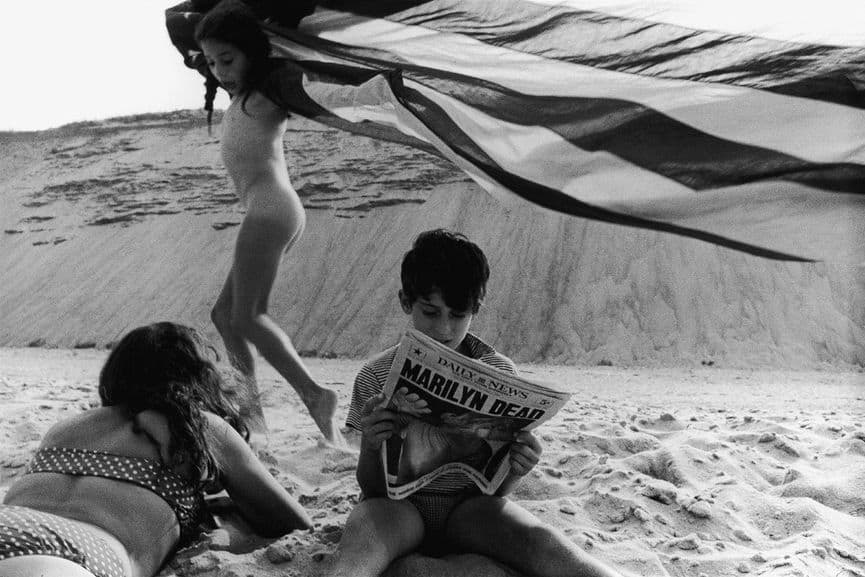
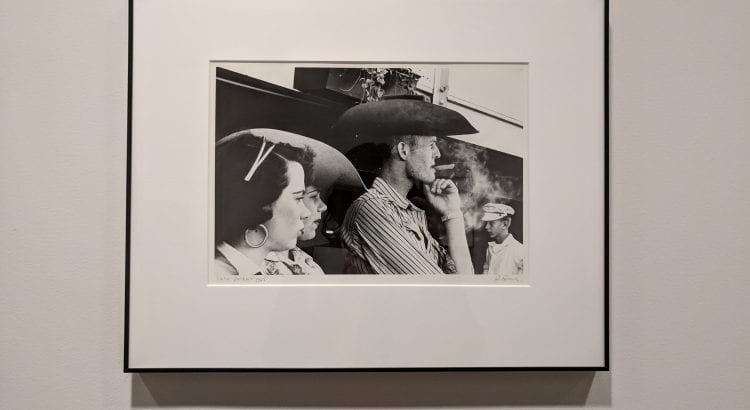
Selections from The Americans was recently on view at the Art Institute of Chicago’s exhibition “Out of the Retina, Into the Brain: The Art Library of Aaron and Barbara Levine.”

Frank’s imagery was subtle but impactful because grandiosity took a backseat to themes of boredom, toil, and blind patriotism. These are everyday Americans who live under the spell of American lore with a sort of dumbfounded despair. (It feels achingly familiar to our social media age—ie. if I’m supposed to be happy here, why am I so sad/mad?)

Frank’s compositions depicting race in America are particularly powerful. Prescient, even, considering hindsight of social photography and the incredible civil and human rights upheavals on the country’s horizon. This theme is, again, where Frank’s individual experiences and characteristics gave him a honed eye for making these observations about our country’s racial cruelty. As a Jewish man, he experienced profiling while photographing in the South. He was put in jail in Arkansas. Told he had an hour to leave town by a deep-South sheriff. This racism indelibly shaped his view of the country, which indelibly shaped everyone else’s view of it too. Moreover, he gave brutalized communities a chance to show their strengths, despite all they faced in 1950s America.
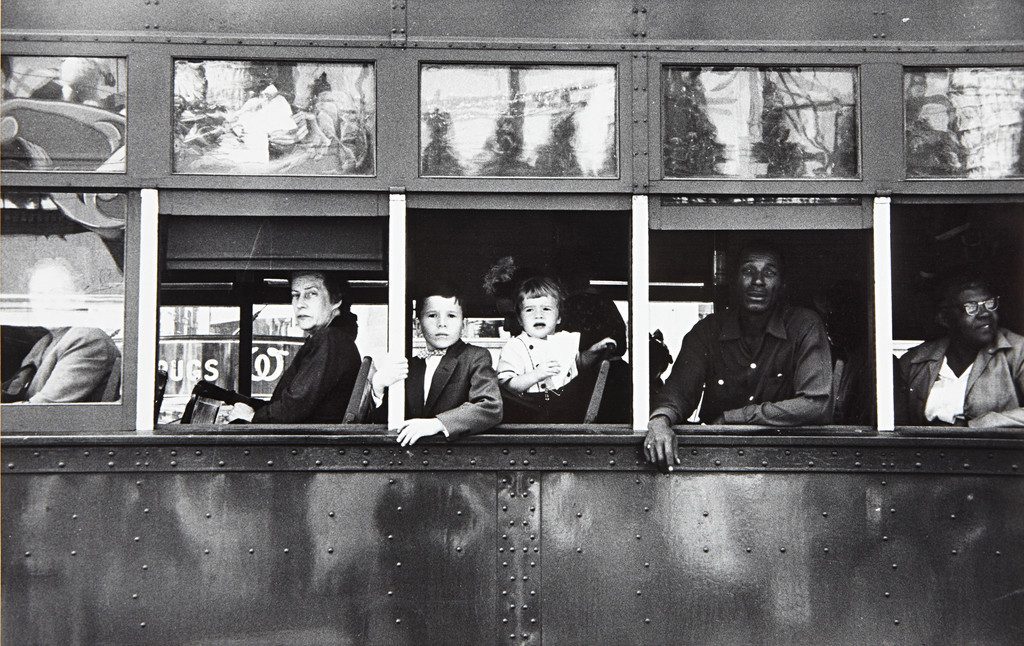
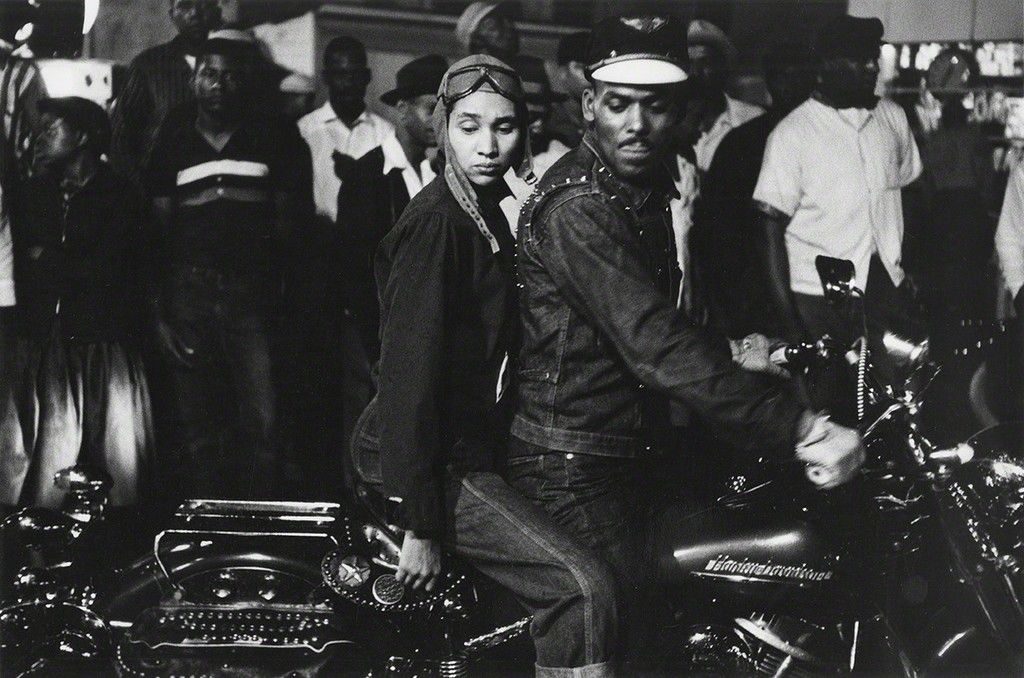
There are too many images, too many cameras now. We’re all being watched. It gets sillier and sillier. As if all action is meaningful. Nothing is really all that special. It’s just life. If all moments are recorded, then nothing is beautiful and maybe photography isn’t an art anymore. Maybe it never was.

Robert Frank (in 2008)

Suggested reading:

#SundaySentence: Fake lyrics


For David Abrams’ Sunday Sentence project, readers share the best sentence they’ve read during the past week, “out of context and without commentary.”


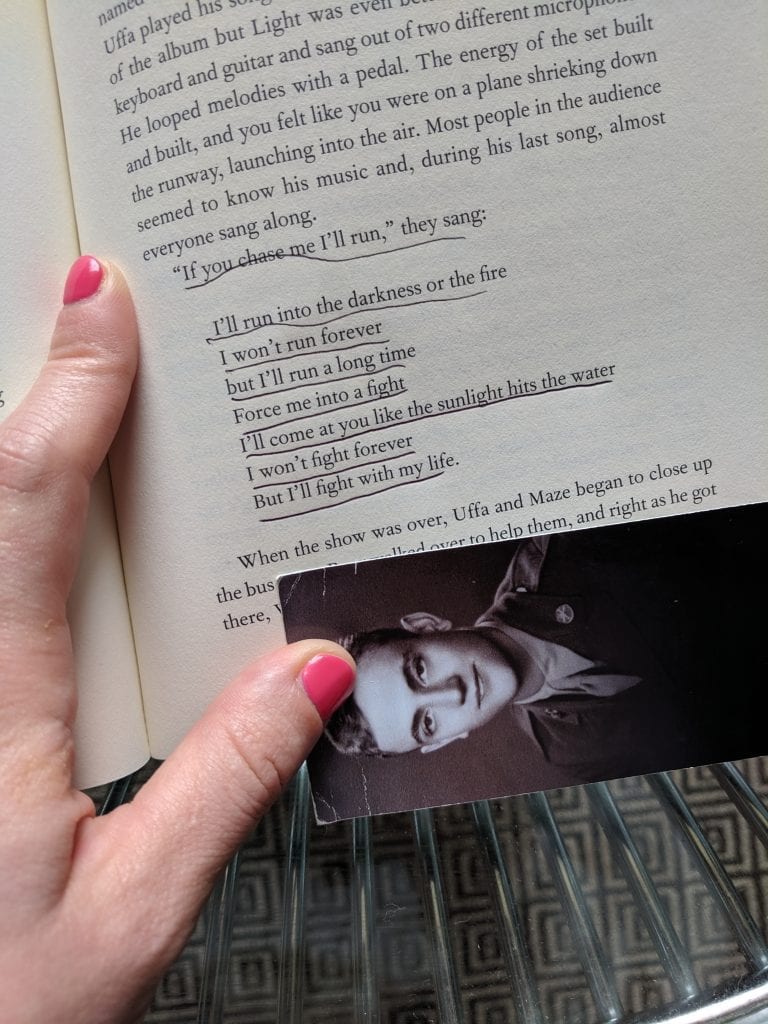
(Bookmark of baby Kurt Vonnegut courtesy the American Writers Museum!)

I’ll run into the darkness or the fire/ I won’t run forever/ but I’ll run a long time/ Force me into a fight/ I’ll come at you like the sunlight hits the water/ I won’t fight forever/ but I’ll fight with my life

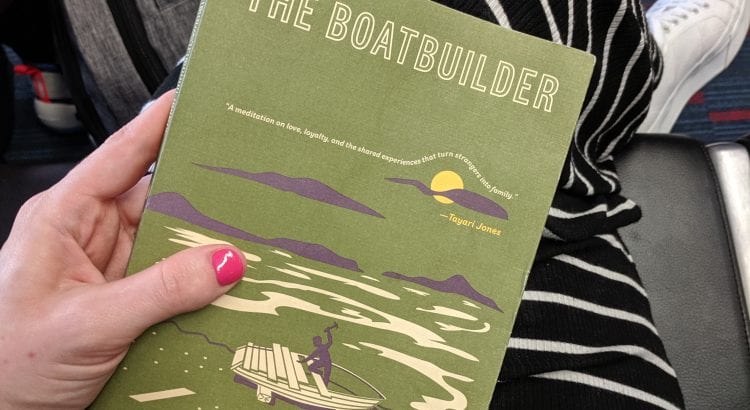
From The Boatbuilder, a novel by Daniel Gumbiner

Zero Proof: The Gifts of Imperfection


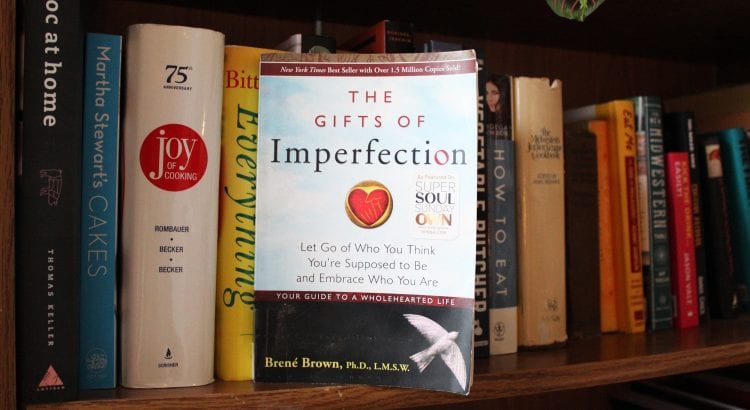
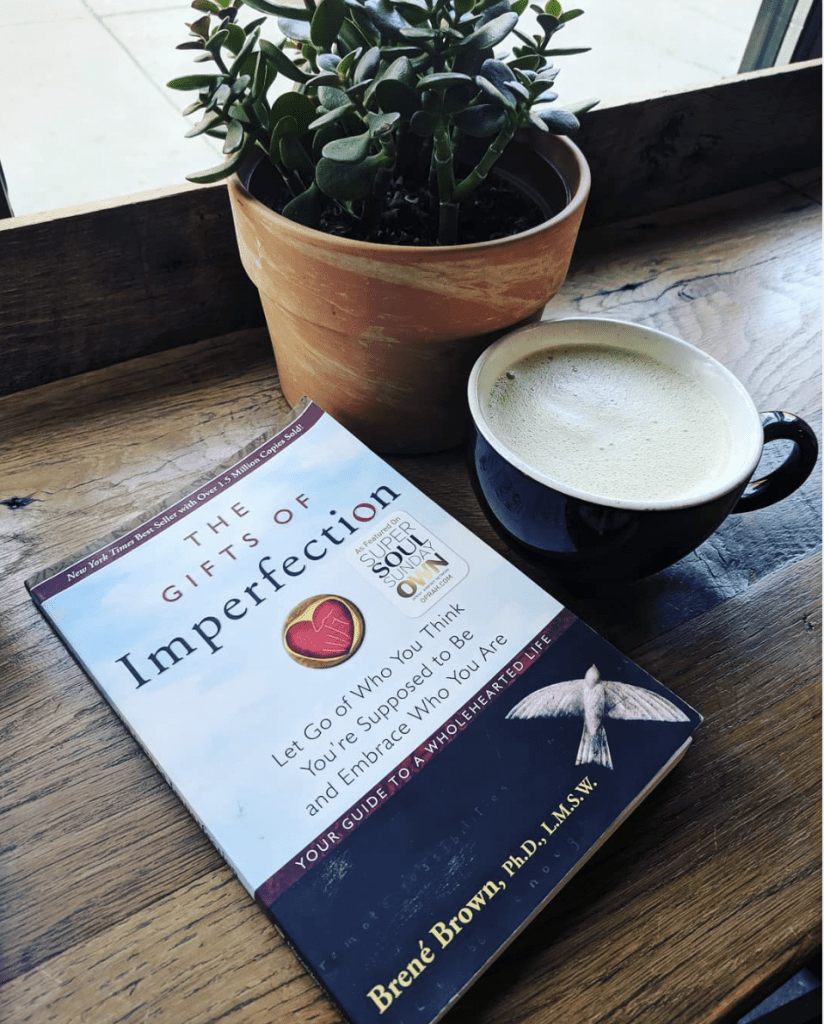
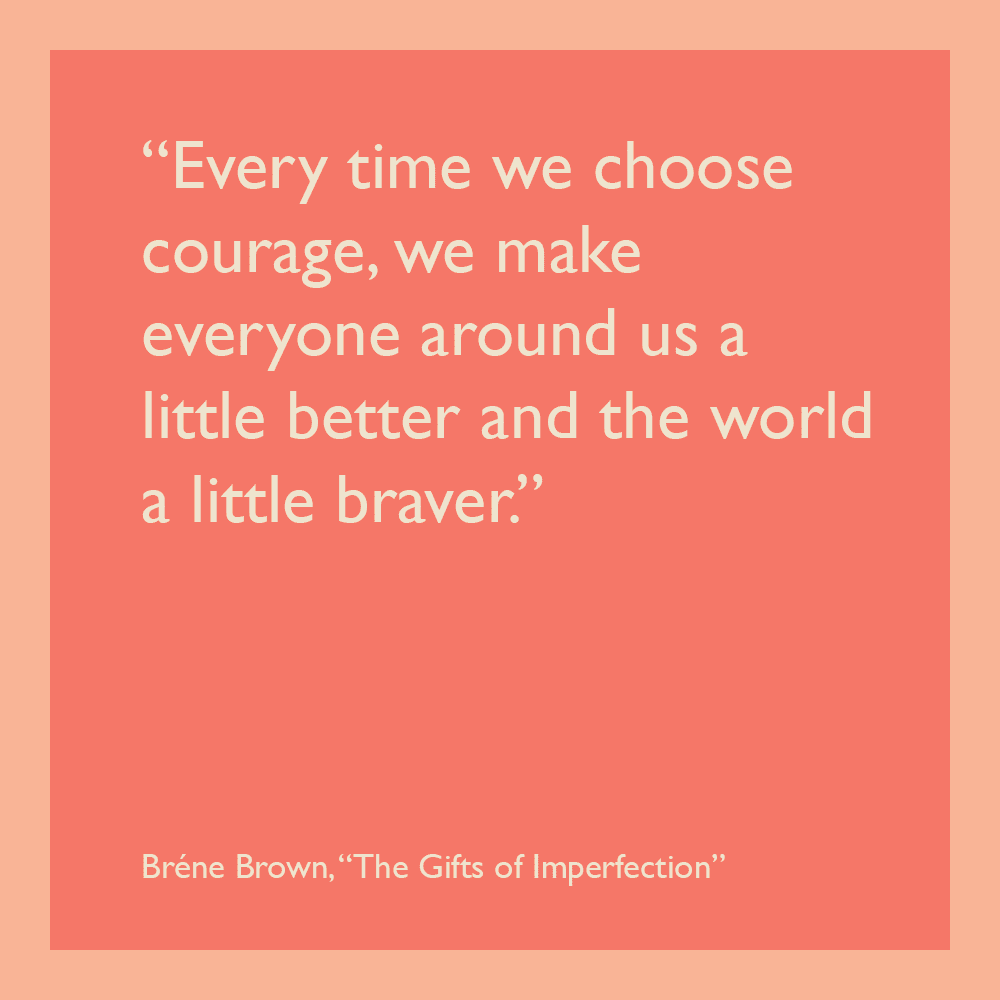
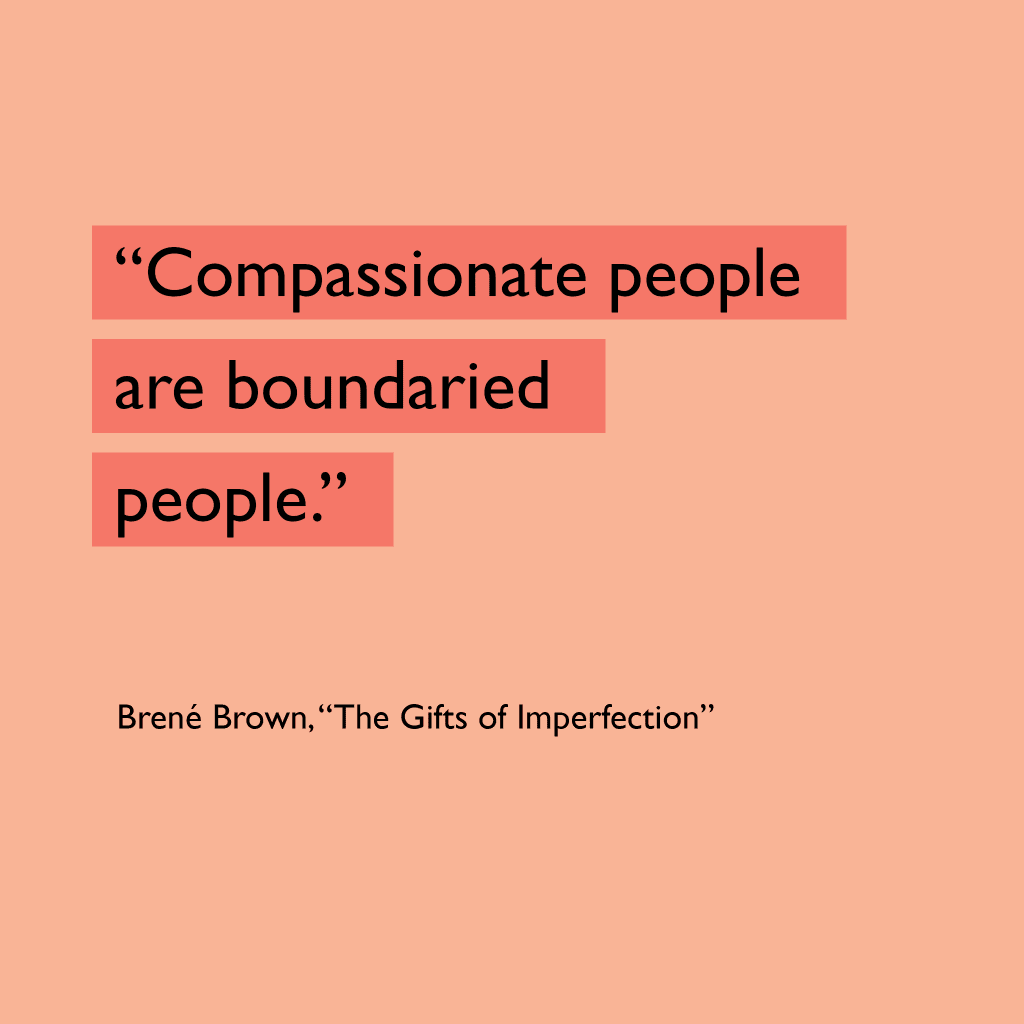
In the latest episode of Zero Proof Book Club, Shelley and I discuss Brené Brown’s book “The Gifts of Imperfection.” We share our own struggles with perfectionism, I talk authenticity, and Shelley shares how her perfectionism manifests itself in the form of birthday cakes and many unfinished essays. 

Listen to the new episode here, at ZeroProofBookClub.com, and follow us on Instagram at @zeroproofbookclub.


Pairs well with…

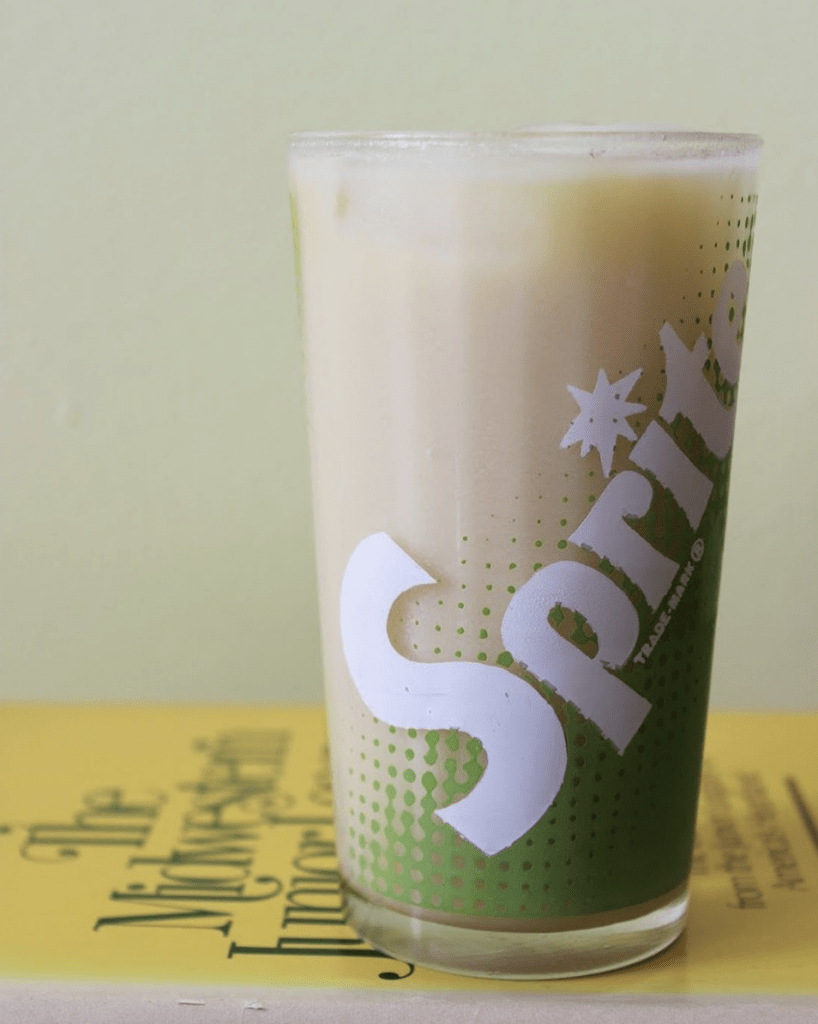
  • Zero Proof Pina Colada

The inspiration for these Pina Colada-ish cocktails came from a trip Shelley took to Puerto Rico, where her Airbnb rentals came stocked with tiny cans of pineapple juice and cream of coconut. Stir equal parts pineapple juice with cream of coconut and pour over ice. Can you tell we’re ~so~ ready for this cold rain to stop?


About The Gifts of Imperfection

What to expect: Rather than your average self-help book, a motivational and inspiring guide to wholehearted living, as explored by today’s chief expert in the power of vulnerability

From the book jacket:

“When our embarrassments and fears lie, we often listen to them anyway. They thwart our gratitude, acceptance, and compassion—our goodness. They insist, ‘I am not worthy.’ But we are worthy—of self-discovery, personal growth, and boundless love. With Brené Brown’s game-changing New York Times bestseller The Gifts of Imperfection—which has sold more than two million copies in more than 30 different languages, and Forbes recently named one of the ‘Five Books That Will Actually Change Your Outlook On Life’—we find courage to overcome paralyzing fear and self-consciousness, strengthening our connection to the world.

With this groundbreaking work, Brené Brown, Ph.D., bolsters the self-esteem and personal development process through her characteristic heartfelt, honest storytelling. With original research and plenty of encouragement, she explores the psychology of releasing our definitions of an ‘imperfect’ life and embracing living authentically. Brown’s ‘ten guideposts’  are benchmarks for authenticity that can help anyone establish a practice for a life of honest beauty—a perfectly imperfect life.

Now, more than ever, we all need to cultivate feelings of self-worth, as well as acceptance and love for ourselves. In a world where insults, criticisms, and fears are spread too generously alongside messages of unrealistic beauty, attainment, and expectation, we look for ways to ‘dig deep’ and find truth and gratitude in our lives. A new way forward means we can’t hold on too tightly to our own self-defeating thoughts or the displaced pain in our world. Instead, we can embrace the imperfection.”

— The Gifts of Imperfection: Let Go of Who You Think You’re Supposed to Be and Embrace Who You Are
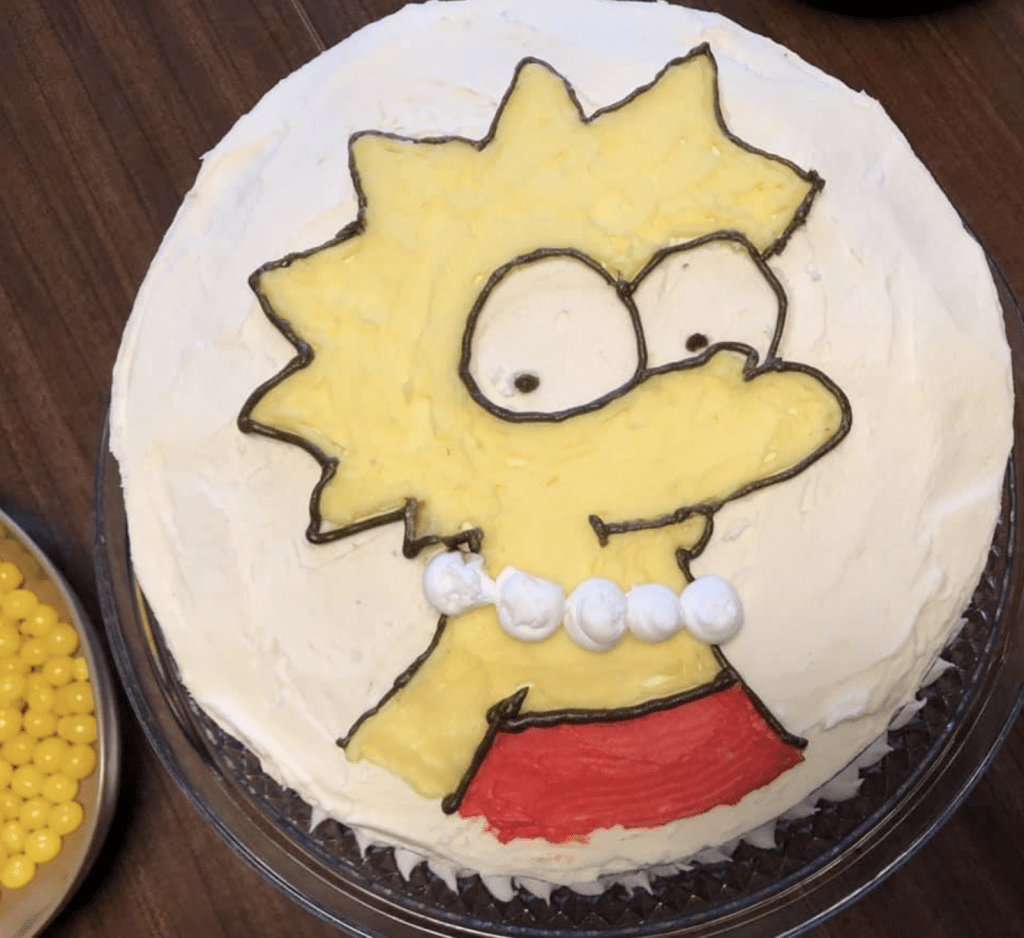
Shelley talks about this cake on the episode. I love it. And her. And Lisa.

Published: Meet My Neighborhood


Don’t miss my latest dive into home sweet home Irving Park for Neighborhoods.com. I wrote about seven of my favorite spots in my neighborhood, including Independence Park and the best new cafe this side of the Blue Line.

Best window seat in the house.

P.S. Right after I filed this story with my editor, I read about Mirabella Cuisine & Bar in Bon Appetit magazine. The Italian steakhouse is owned by an Ecuadoran immigrant who is carrying on the red sauce legacy of Chicago. I didn’t even know Chicago had a red sauce legacy… or that Mirabella was a hidden gem in my neighborhood that I pass almost every week on my Irving Park runs. Can’t wait to try it!

That’s my favorite thing about living in a city as big as Chicago. There’s an infinite amount of restaurants, art, people, culture, events, drag shows, book stores, et al, to discover here.

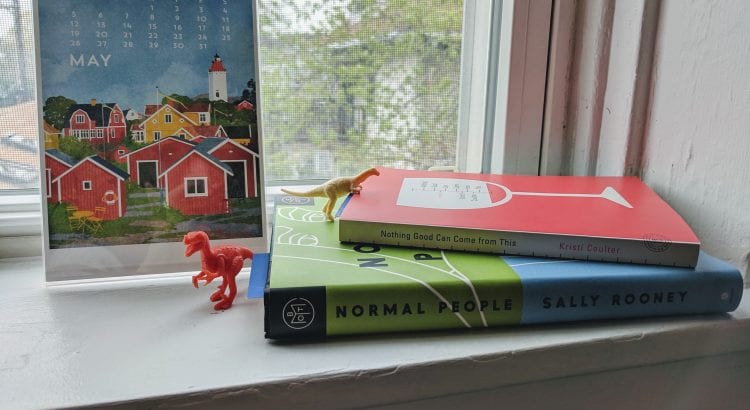
My list of books to read this month


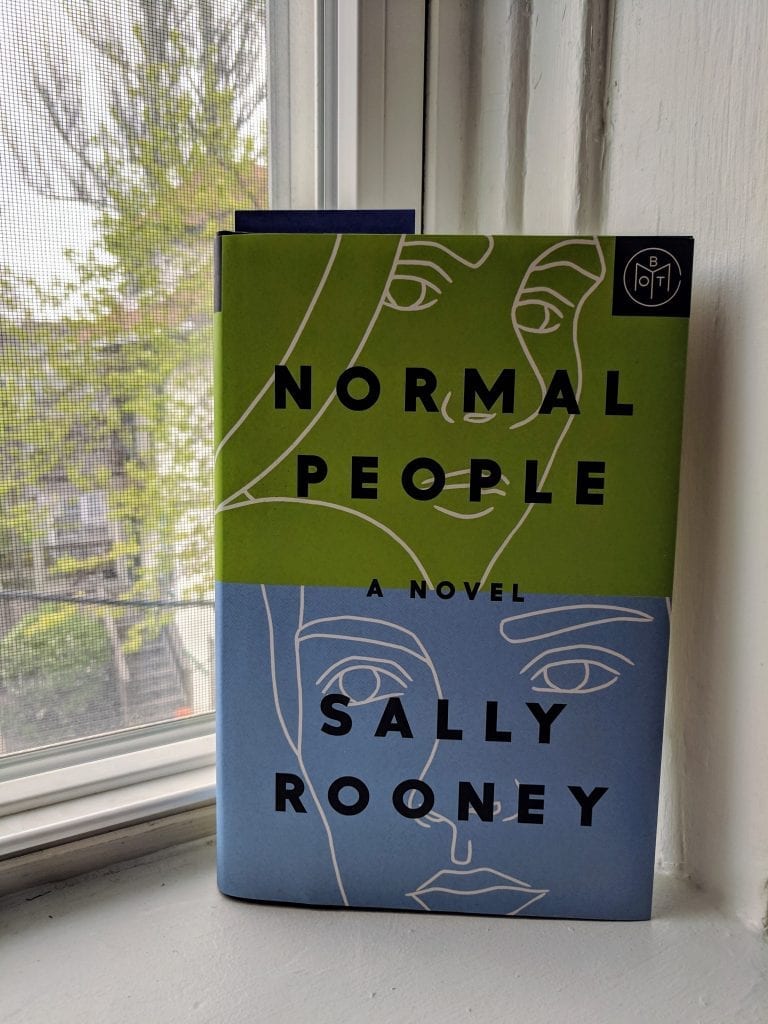
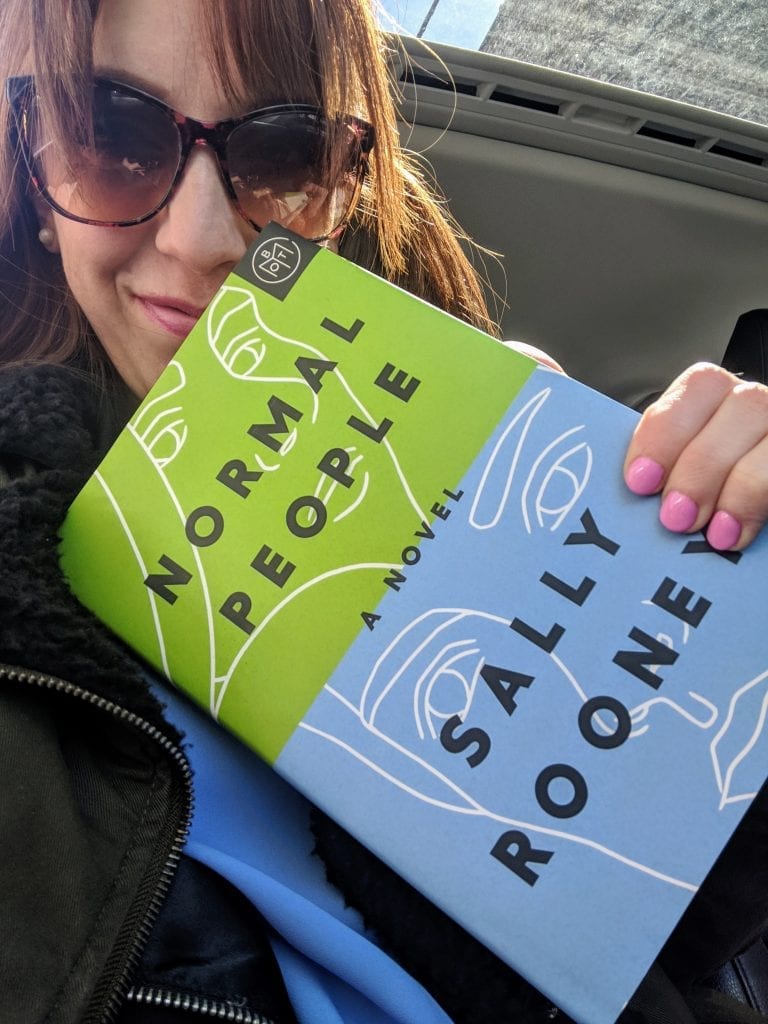
Normal People by Sally Rooney

“Normal People” is a not normal, very good book of literary fiction by author Sally Rooney. The story of back-and-forth lovers Connell and Marianne unfolds over the course of 2011, when the two are in their senior year of high school, and 2015, when college graduation looms.

Rooney is a maestro of character explorations and she’s at the top of her game with this one (and the top of the writing field, according to the British Book Awards, which recently awarded “Normal People” its coveted Book of the Year accolade). Rooney’s writing is mostly very subtle, purposefully juvenile, practically meditative to read in its simplicity, but that belies all the masterful skill she’s deftly weaving underneath.

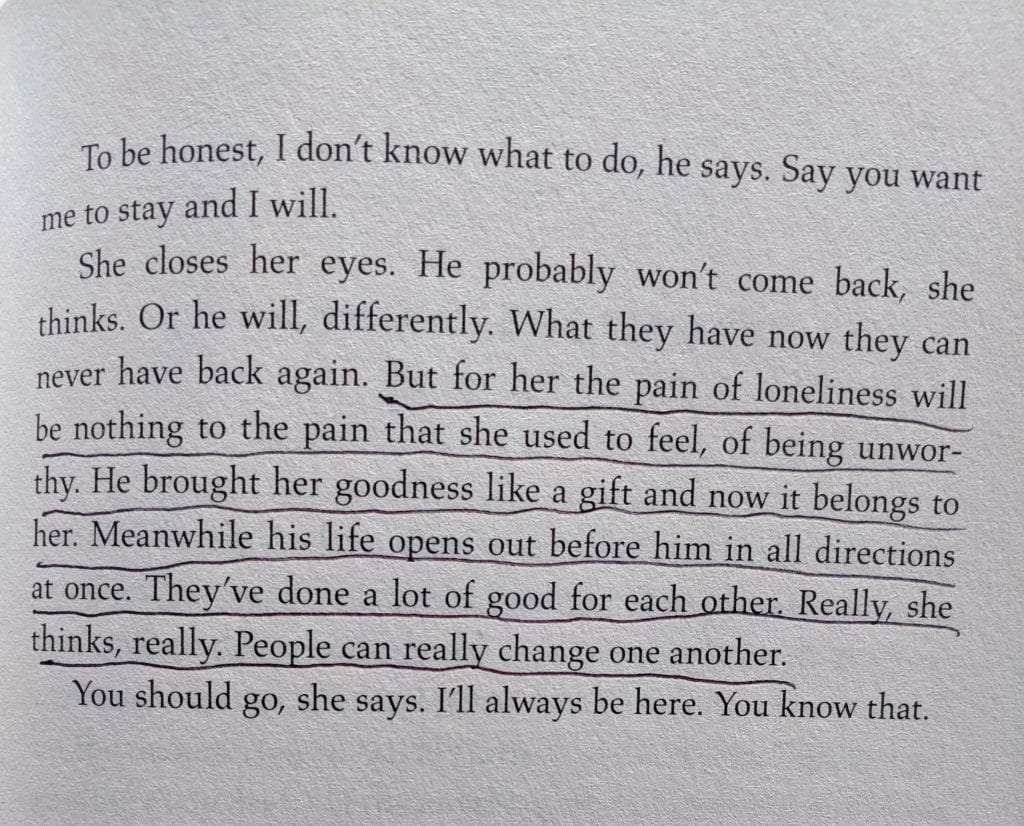
“But for her the pain of loneliness will be nothing to the pain that she used to feel, of being unworthy. He brought her goodness like a gift and now it belongs to her. Meanwhile his life opens out before him in all directions at once. They’ve done a lot of good for each other. Really, she thinks, really. People can really change one another.”

And then she’ll body slam you with a perfectly astute description of depression or fleeting moments of joy or the spiritually injurious albatross of abusive relationships (between lovers, families, social classes) and the damage that results—damage that can be, if not erased, at least lifted by an irregular kind of love.

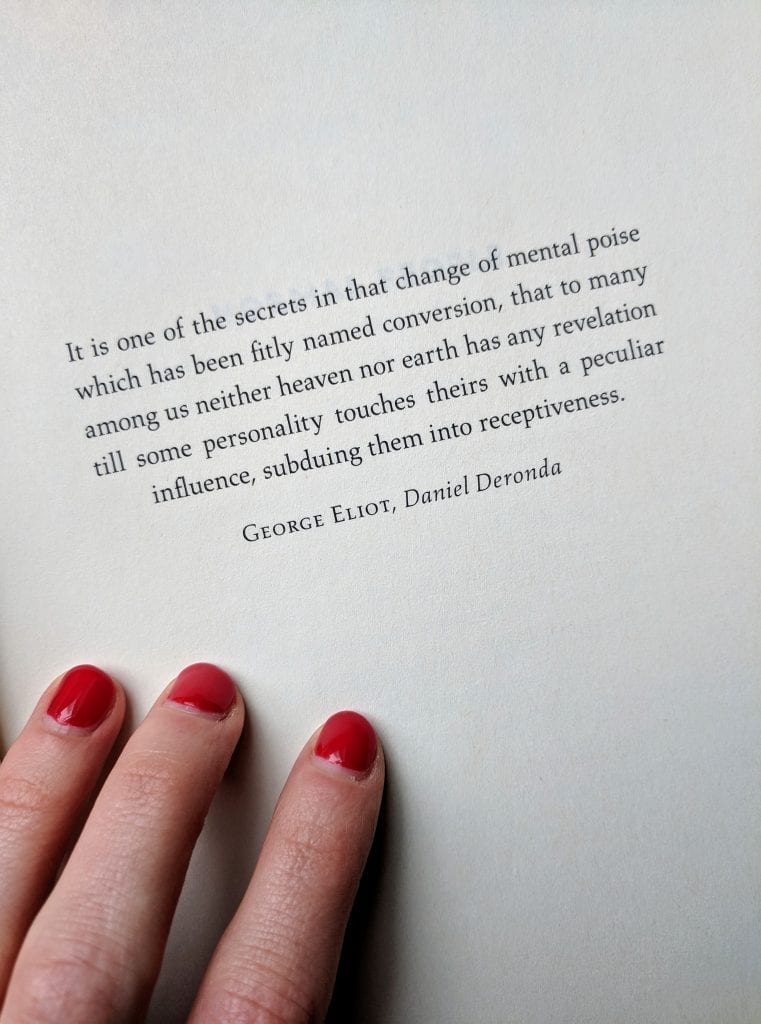
The George Eliot epigraph in “Normal People.”

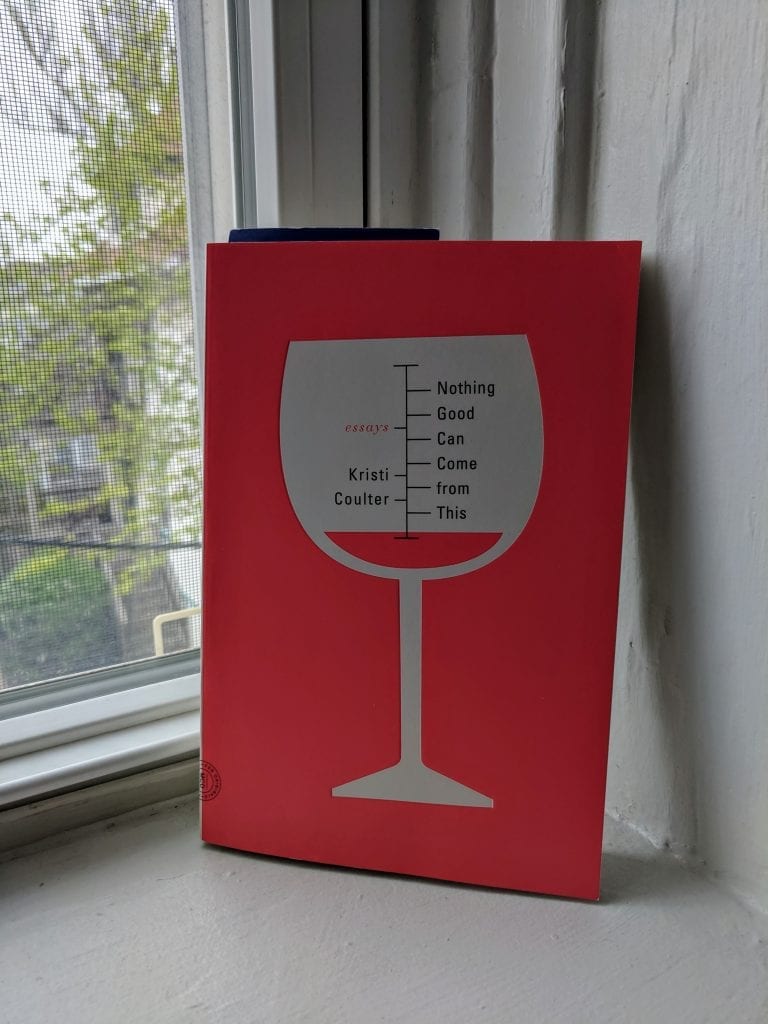
Nothing Good Can Come from This by Kristi Coulter

I’m reading this for a future episode of Zero Proof Book Club. I don’t usually include those books in my monthly blog roundups, but I think this series of essays by Kristi Coulter is something anyone could enjoy, not just sober or sober-curious somebodies.

Frank, feminist, fucking funny. All the most delicious f-words apply to Coulter’s trash talk about being trashed and life before, during, and after the fact. Hermit crab essays, narrative essays, and other smart takes on the form abound. It’s interesting to read work on a theme and learning the writer’s story that way, rather than through a traditional memoir format. That Coulter’s life feels eerily familiar to women of a certain headstrong, willful ilk by emotionally chaotic childhood design is a bonus.

#SundaySentence: Fleeting moments of joy, despite everything


For David Abrams’ Sunday Sentence project, readers share the best sentence they’ve read during the past week, “out of context and without commentary.”


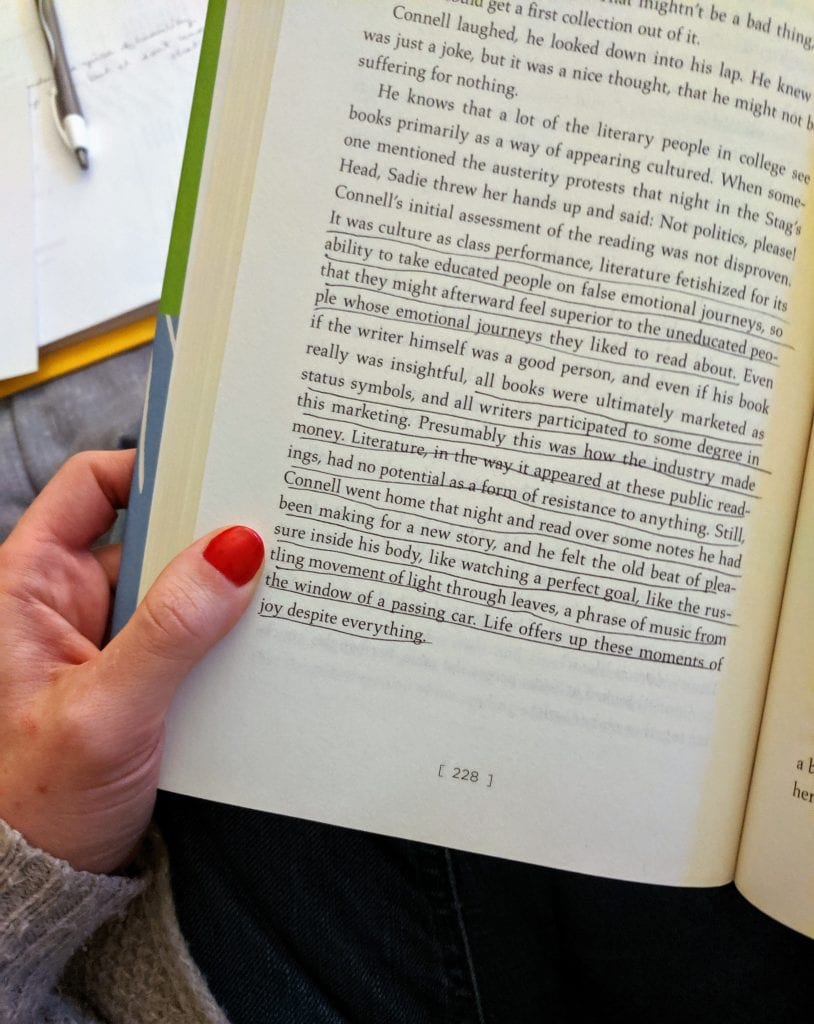
“Still, Connell went home that night and read over some notes he had been making for a new story, and he felt the old beat of pleasure inside his body, like watching a perfect goal, like the rustling movement of light through leaves, a phrase of music from the window of a passing car.“

From Normal People, a new novel by Sally Rooney

Published: Art and writing in Crowded zine

I’m jazzed (jazz-handed?) to have embroidery artwork and creative writing in the newest issue of CROWDED zine, a quarterly multimedia zine affiliated with The Crowd Theater, featuring written and visual work of Chicago artists.

The Issue #3 release party is tonight, May 11, at 8 p.m. in The Crowd Theater near Lakeview! Admission for tonight’s show is free, and you can purchase a zine there for $6. They’ll be taking cash, card, or Venmo exchanges @CrowdedZine. If you can’t make the show but would like a copy, Venmo $8 to @CrowdedZine with your address in the description and they’ll mail you your copy!

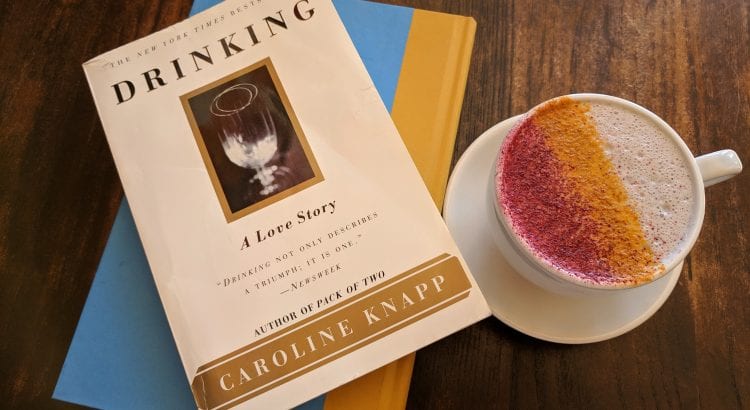
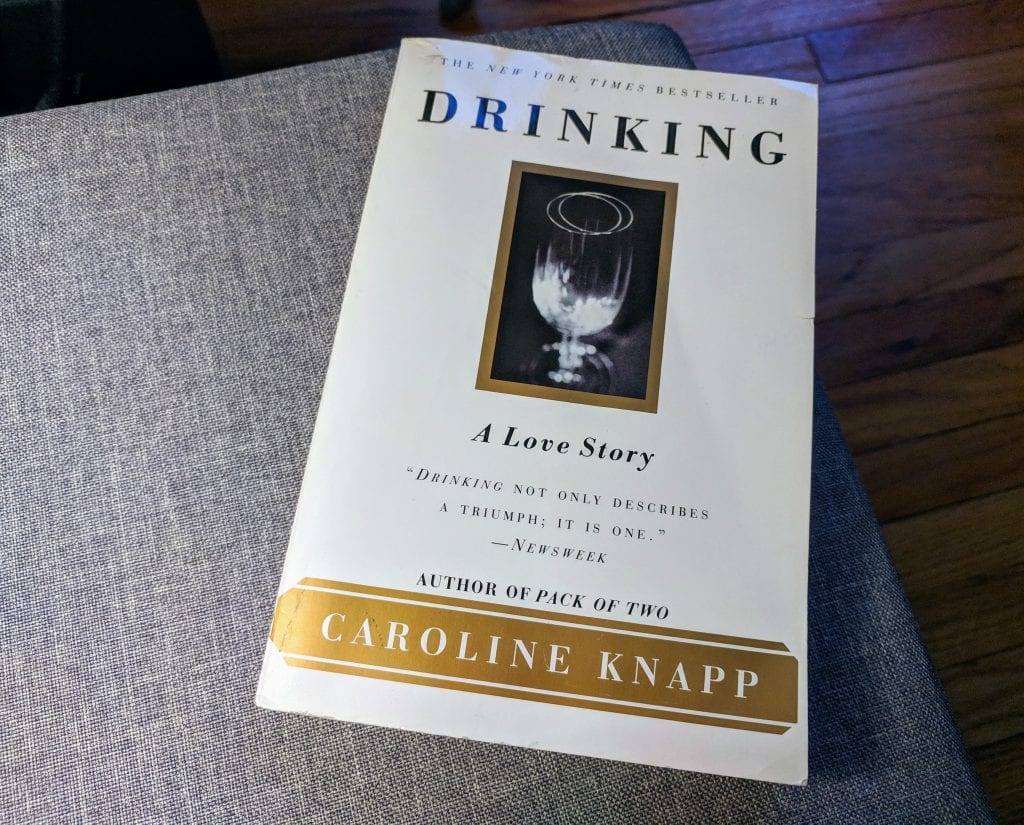
Zero Proof: Drinking, A Love Story


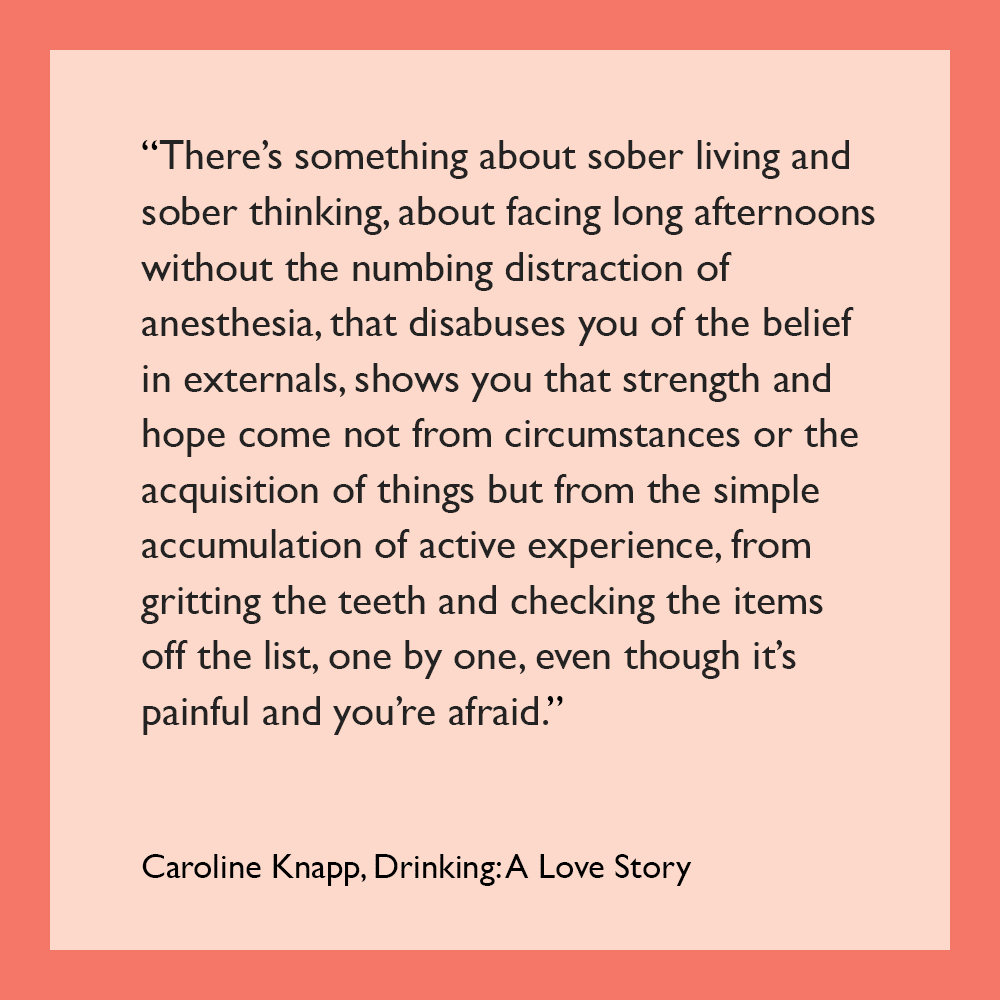
In the latest episode of Zero Proof Book Club, Shelley and I discuss Caroline Knapp’s memoir “Drinking: A Love Story.” We gush about Knapp and her writing and talk about our sometimes complicated relationships with our own families, friends, and more.

Listen to the new episode here, at ZeroProofBookClub.com, and follow us on Instagram at @zeroproofbookclub.


Pairs well with…

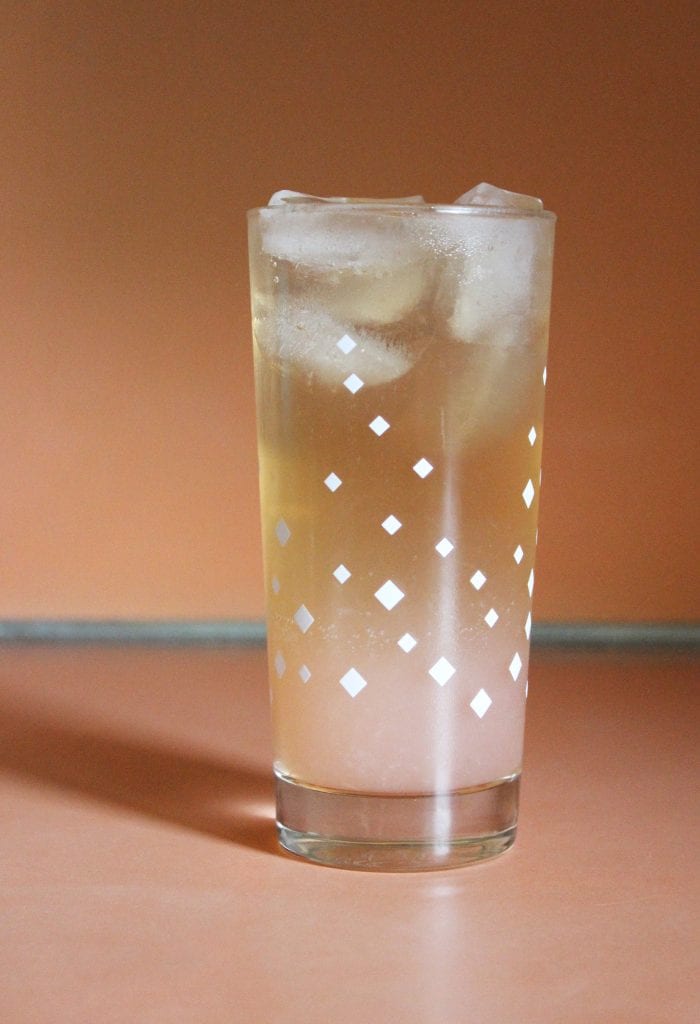
  • Bubbly strawberry lemonade

To pair with this week’s podcast episode, we’re drinking strawberry lemonade (we love Simply Lemonade with Strawberry) mixed with ginger ale. Super simple. Simply refreshing. Just in time for spring! 🍓❤️


About Drinking: A Love Story

What to expect: An extraordinarily candid memoir published in 1997 that changed the quit lit genre for good.

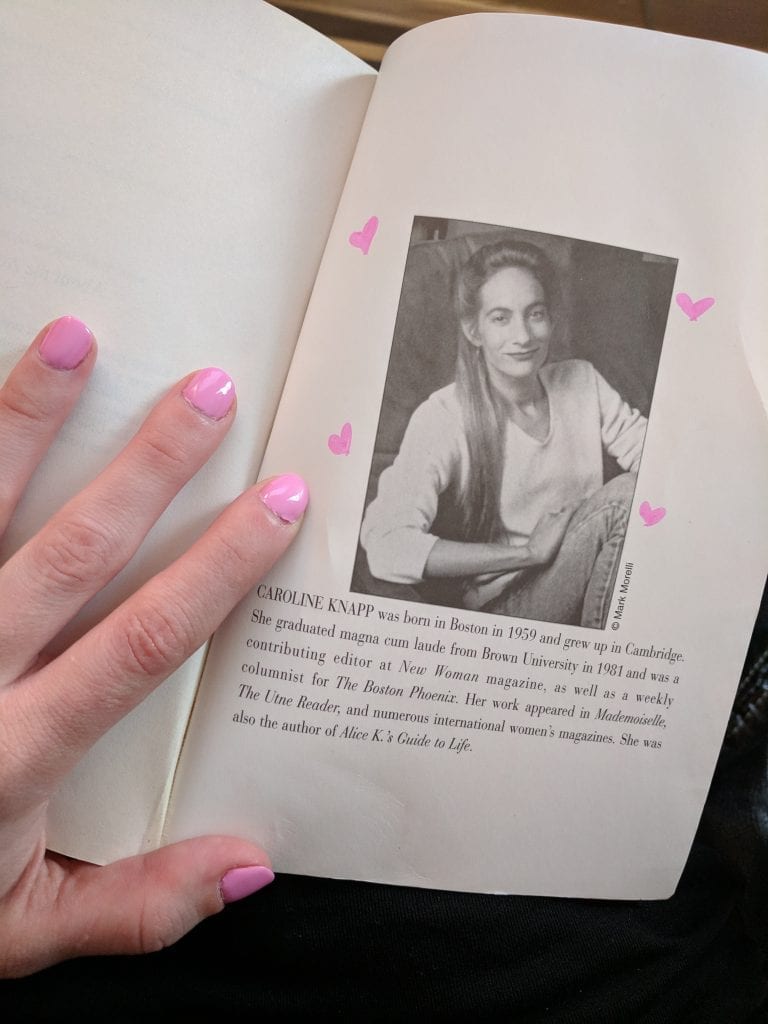
I drew these hearts around author Caroline Knapp before I Googled her and learned she died of lung cancer in 2002, just six years after “Drinking: A Love Story” was published. She was 42 years old. Her work changed the way we think, write about, and discuss addiction. Especially in terms of women and addiction. What an inspiring human.

From the book jacket:

“Fifteen million Americans a year are plagued with alcoholism. Five million of them are women. Many of them, like Caroline Knapp, started in their early teens and began to use alcohol as ‘liquid armor,’ a way to protect themselves against the difficult realities of life. In this extraordinarily candid and revealing memoir, Knapp offers important insights not only about alcoholism, but about life itself and how we learn to cope with it.

It was love at first sight. The beads of moisture on a chilled bottle. The way the glasses clinked and the conversation flowed. Then it became obsession. The way she hid her bottles behind her lover’s refrigerator. The way she slipped from the dinner table to the bathroom, from work to the bar. And then, like so many love stories, it fell apart. Drinking is Caroline Kapp’s harrowing chronicle of her twenty-year love affair with alcohol.

Caroline had her first drink at 14. She drank through her years at an Ivy League college, and through an award-winning career as an editor and columnist. Publicly she was a dutiful daughter, a sophisticated professional. Privately she was drinking herself into oblivion. This startlingly honest memoir lays bare the secrecy, family myths, and destructive relationships that go hand in hand with drinking. And it is, above all, a love story for our times—full of passion and heartbreak, betrayal and desire—a triumph over the pain and deception that mark an alcoholic life.”

— Drinking: A Love Story

Published: Essay in Chicago Neighborhood Guidebook


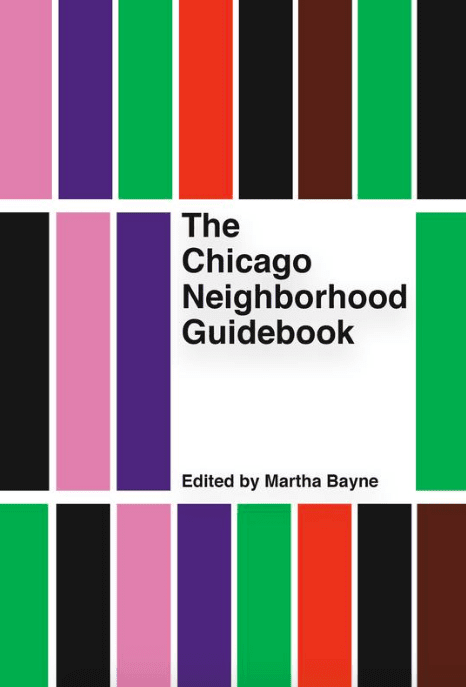
Technically, this book of essays from Rustbelt Publishing won’t be out until September 10, but you can pre-order your copy today for $20 here! I’m really excited to have my work included and can’t wait to get my hands (well, mostly my eyes) on it. Following, a description of the book from the publisher:

Chicago is famously a city of neighborhoods. Seventy-seven of them, formally; more than 200 in subjective, ever-changing fact. But what does that actually mean? The Chicago Neighborhood Guidebook, the latest in Belt’s series of idiosyncratic city guides (after Cleveland and Detroit), aims to explore community history and identity in a global city through essays, poems, photo essays, and art articulating the lived experience of its residents.

Edited by Belt senior editor Martha Bayne, the book builds on 2017’s critically acclaimed Rust Belt Chicago: An Anthology. What did one pizzeria mean to a boy growing up in Ashburn? How can South Shore encompass so much beauty and so much pain?  What’s it like to live in the Loop? Who’s got a handle on the ever-shifting identity of West Ridge? All this and more in this lyrical, subjective, completely non-comprehensive guide to Chicago. Featuring work by Megan Stielstra, Audrey Petty, Alex V. Hernandez, Sebastián Hidalgo, Dmitry Samarov, Ed Marszewski, Lily Be, Jonathan Foiles, and many more.