Blog

Everything I know I learned from a kindergartener


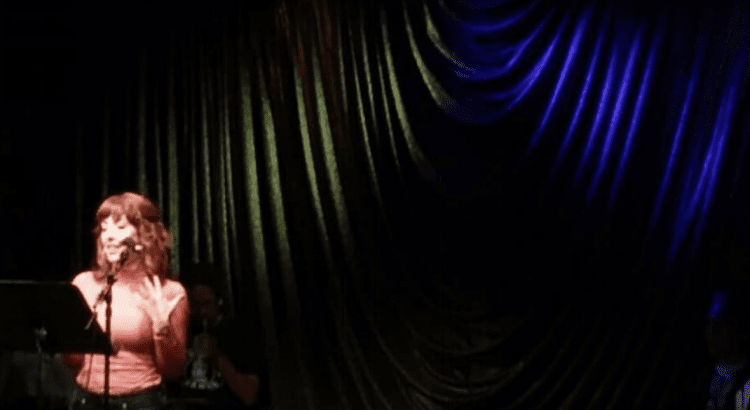
I’m on stage before the show. Nerves threaten to drown me if these sweat rings (spreading like an oil spill in my armpits) don’t first. What if no one likes my story? What if no one understands what I’m trying to say?

The theater’s free sparkling water nips my nose and snaps me from my trance long enough to think about one of my nephews hundreds of miles away. The memory seems random at first.

On my last trip to Ohio, I’d visited him and his siblings at their house, giving myself extra time to play with the kids on their family’s brand new trampoline. Following a few standard edition games that kids seem born knowing how to play (ie., monster chase, jump contest [children edition, aunt as judge], duck duck goose), the oldest boy announced that it was time to play “Shhrrrs.”

<silence>

What? I said, gently, my mind frantically trying to connect his consonants.

Shhrrrs. He responded.

Shirts?

Shhrrs! Slower now, eye roll impending.

<I call for his translator [his mom] to come over.>

Can you describe it? She asked.

The things in water. Shhhhhhrrrrrrssss.

I don’t know what you’re saying, baby.

I am getting anxious, worried this child I desperately want to feel wholly capable is going to feel so frustrated that no one can understand him that he won’t want to play the game anymore—maybe not even jump on the trampoline with me, maybe forever feel insecure about saying what he wants or what he thinks because we cannot decipher the intended enunciations of this toddler speak! Disaster! Catastrophe! A message lost in a bottle at sea!

He looked at me. Then his mom. I waited for tears. That’s what I would have done probably. Right? Cry? Or change the subject, avoid confrontation, make a joke at my own expense, make sure everyone felt comfortable, doubt myself, ask someone else what they wanted to play instead?

I grew itchy, ready to jump in and suggest another game so he didn’t feel bad or embarrassed. But then…

Shhrrs. He said again, with such matter-of-fact, unwavering assurance and non-self-judgement, ready to sit there and keep speaking his truth until we all figured it out with him, I did almost start to cry but not because I was sad or worried.

SHELLS! My sister yelled from the porch deck. Also matter of factly.

Oooooooh! His mom and I said in unison. Sheeelllllsss!

Yeah. He said, excited. Shhrrs!

To play Shhrrs (aka Shells), the children lay in the middle of the trampoline with knees hugged to their faces and arms wrapped around themselves tight. Giggling optional, but likely. Aunt has to jump around these “shells” until they can hug themselves no longer and must open to the world—vulnerable, losers in an un-winnable game, but surging with the thrill of change without warning or control.

I jump around them and get the two smallest ones laughing and un-shelled in no time. The game’s mastermind, however, held on longer. A tough shell that’s all heart.

A few more hops… Boom. Open this shining little seashell popped, arms and legs now splayed open like a starfish, eyes still closed, cheeks I want to kiss salty with sweat, tiny body spinning in the air, dangerous, a smile given without question to the sun, unencumbered, his truth, having fun.

A 45-pound pearl of wisdom.

Back on a Chicago stage, I breathe again.
Six things I’m loving this month


@misfithistory

For fellow fans of the immensely popular Instagram account @historycoolkids, don’t miss the newest cool in old stuff: @misfithistory. This account serves up stories and photographs you definitely missed in history class, because they definitely weren’t in the syllabus.

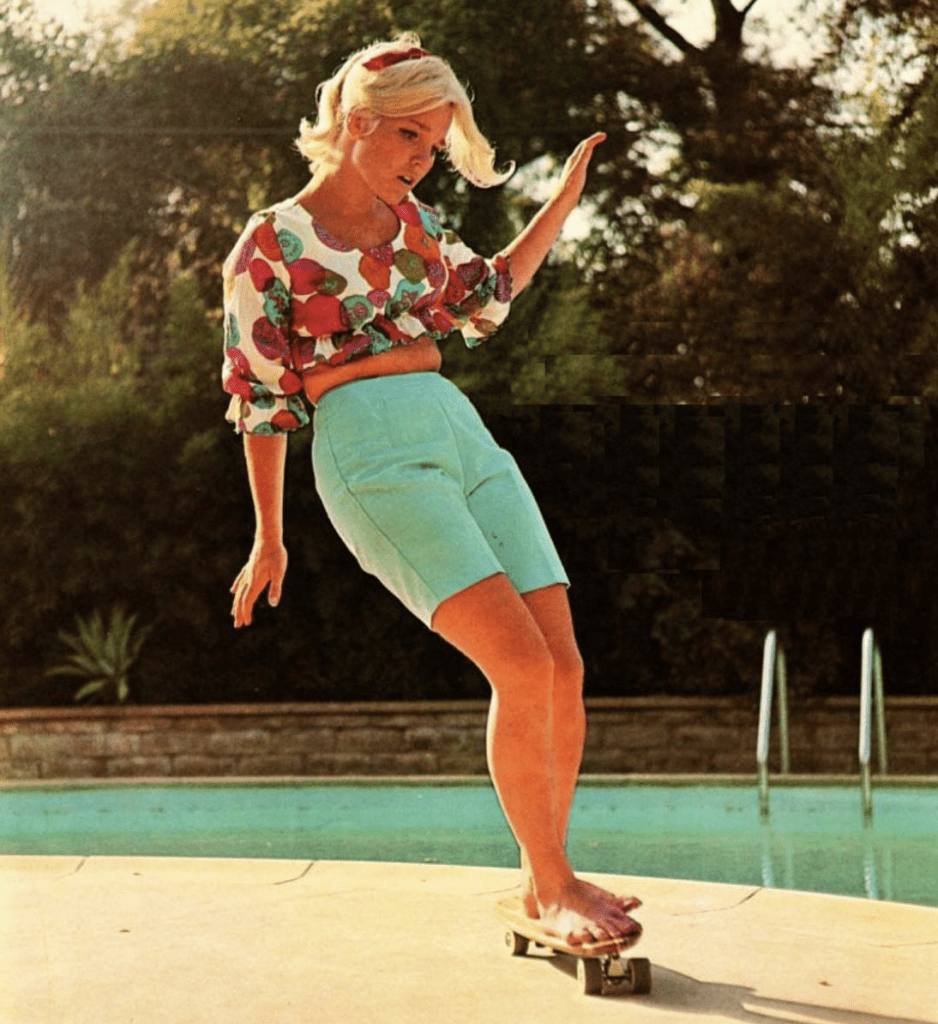
“Meet Patti McGee the first female professional skateboarder. “My first board was one my brother Jack made in wood shop. He had swiped the wheels off my rink skates to make it and hollered to me to come and try this!” — Patti McGee. After a hiatus from professional skateboarding to raise a family, she returned to the fold, forming The Original Betty Skateboard Company with her daughter Hailey Villa — to support the next generation of female skaters.” @misfithistory on Instagram

The Tennessee Kid

A killer with cadence, stand-up comedian Nate Bargatze’s recent special on Netflix, “The Tennessee Kid,” is a 10 ya gotta see.


No B.S. Skincare

As a world-famous celebrity, I’m very interested in keeping my face flake-free and have invested mightily in creams, lotions, and potions since flipping over to the other side of 30 (I like it much better over here, but I also know gravity’s coming for me). I first heard of No B.S. Skincare at a sobriety conference I attended in Chicago a few months ago; they were a supporting sponsor and giving away free handouts.

The benefits: responsibly made in the U.S., no animal testing, “no shady shit” (ie. parabens, phthalates, sulfates, and synthetic fragrances), and a whole page dedicated to how to recycle your No B.S. bottles. Bonus: The products that I’ve tried (below) actually do work, no bs. I’m particularly a big fan of the Vitamin C+E Serum, which I use each morning. It keeps this face o’ mine as bright as a paparazzi flash. 😉

The Treat Me Trio, $99

This vegan shepherd’s pie recipe

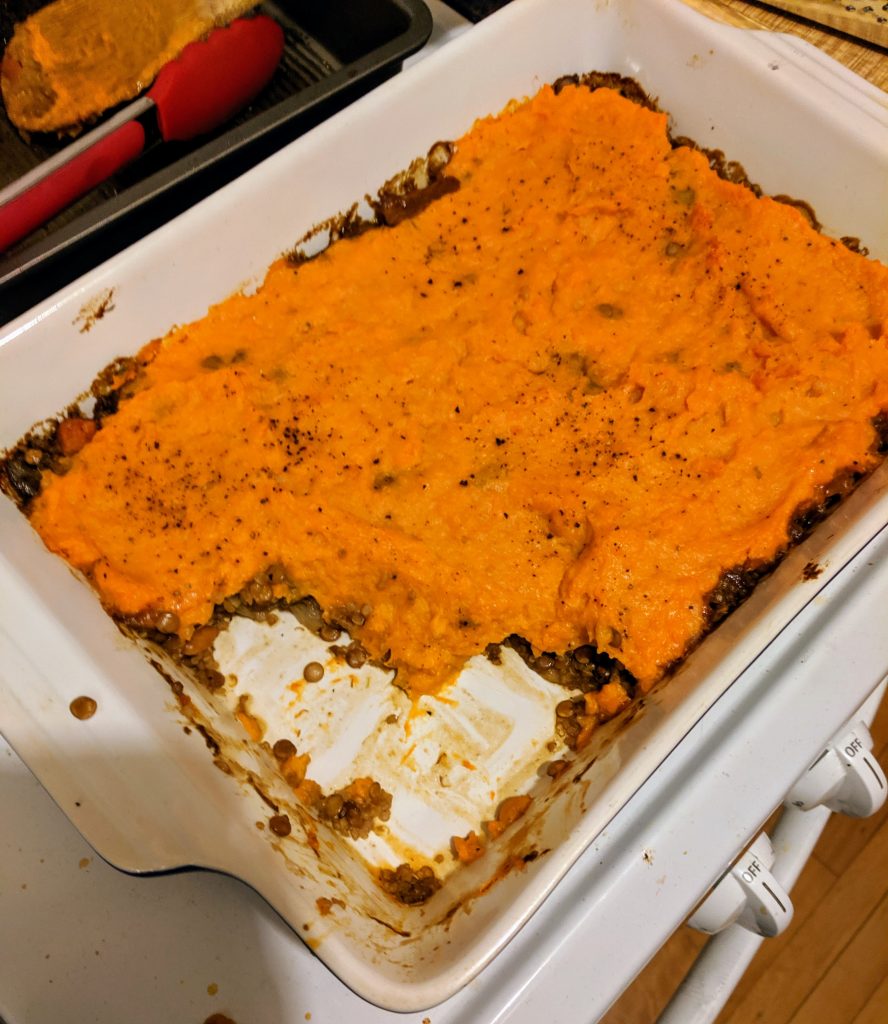
Its official title: Vegan Shepherd’s Pie with Whipped Sweet Potatoes from the Simply Quinoa blog. The photo I took of my finished product is startlingly bad, but I’ll share it because we’re all friends here. This dish was so delish. I’m convinced cooking the lentils and quinoa base in veggie broth, fresh thyme, and bay leaf and then adding a balsamic vinegar and veggie broth to the mixture before throwing it in the oven were the key taste-elevating moves.

This photo is misleading. Far from a Pinterest fail, this recipe is a must try for vegans and carnivores alike.

The triumph of Andy Ruiz

While we’re on the subject of packing a surprisingly yummy punch, did you see the recent boxing bout between heavyweight champ Anthony Joshua and the 11-1 underdog Andy Ruiz Jr.? It was an upset for the ages!


American Experience: Stonewall

Happy Pride month! Here’s a brand new must watch by my best boo, PBS American Experience (I just got Amazon Prime and I CAN WATCH ALL THE SEASONS WITH MY MEMBERSHIP). Love is love, but sometimes you must fight for it. Stonewall changed everything. Thank god. Thank these brave humans.

“Once Stonewall happened, the whole house of cards that was the system of oppression of gay people started to crumble.”

“When police raided the Stonewall Inn, a popular gay bar in the Greenwich Village section of New York City on June 28, 1969, the street erupted into violent protests that lasted for the next six days. The Stonewall riots, as they came to be known, marked a major turning point in the modern gay civil rights movement in the United States and around the world.”

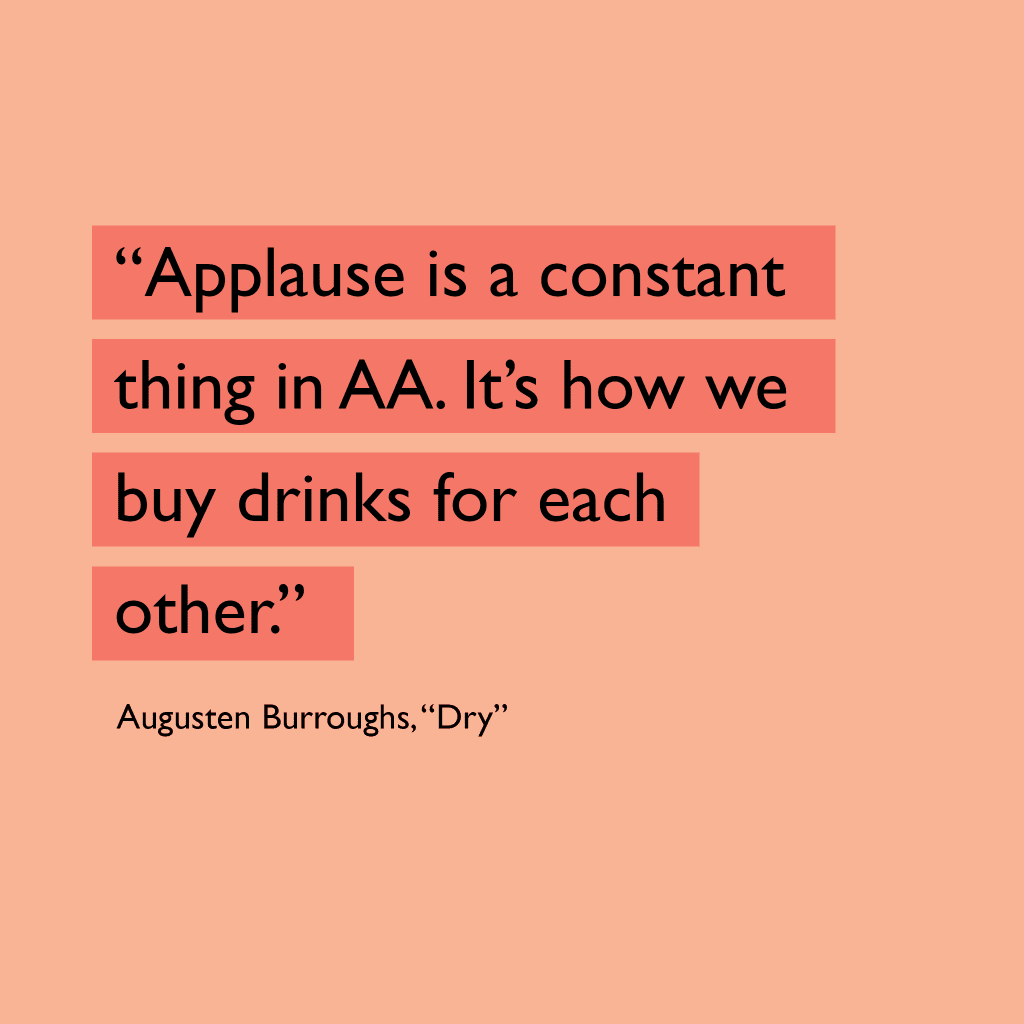
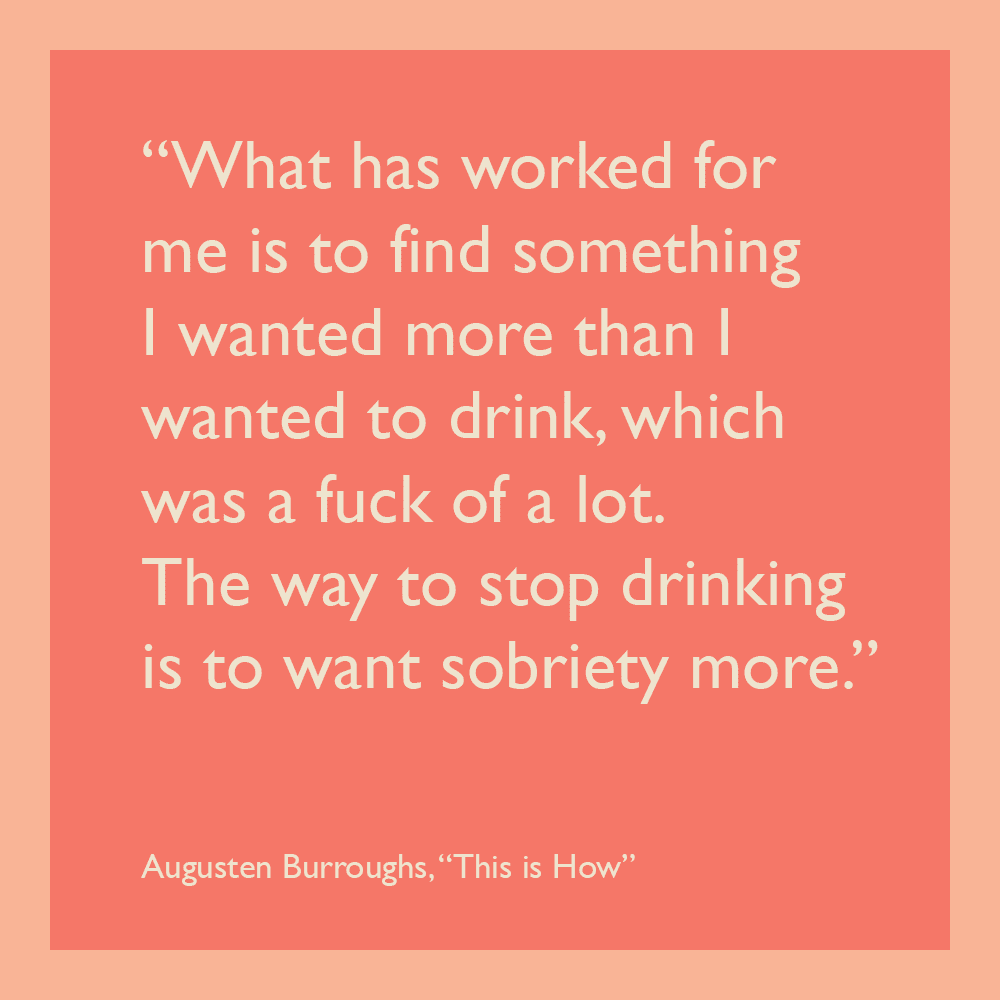
Zero Proof: Dry


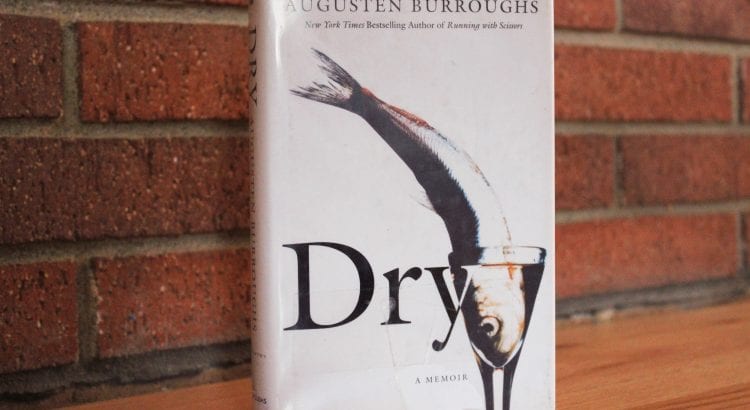
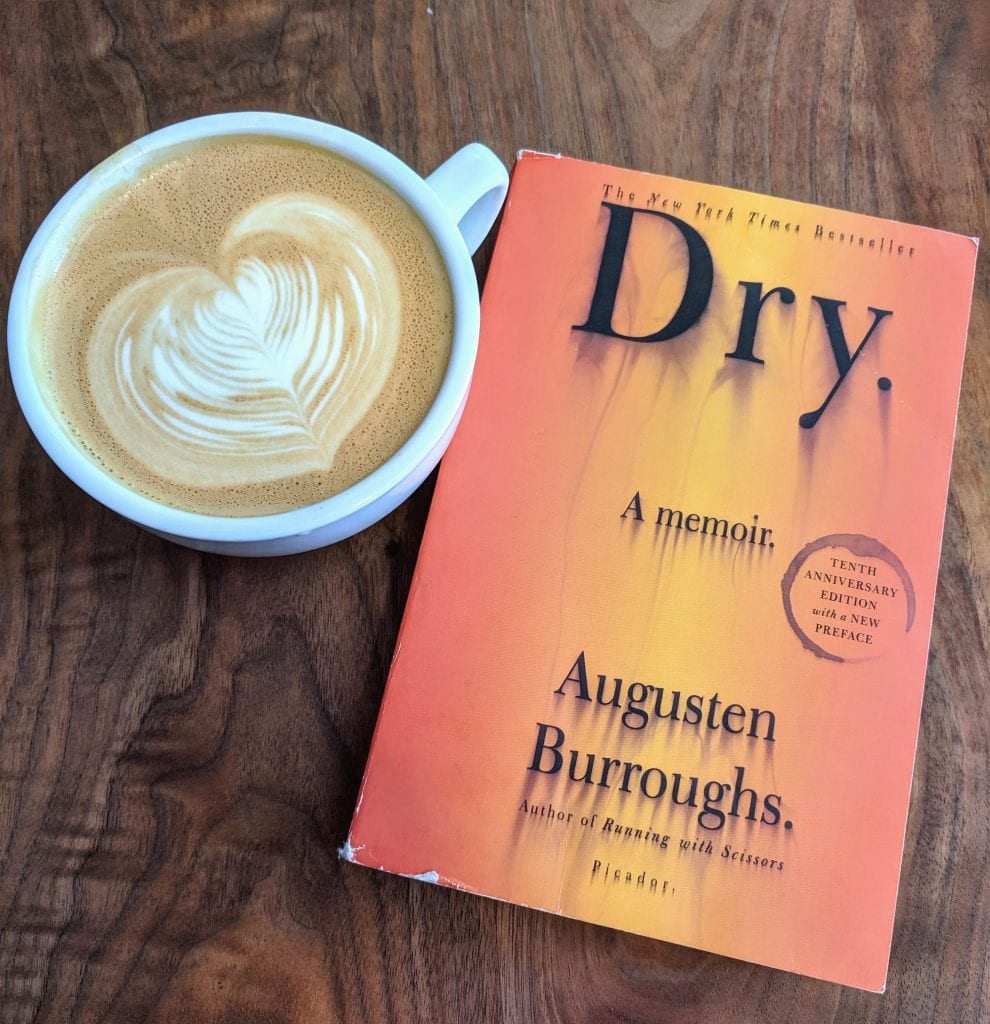
In the latest episode of Zero Proof Book Club, Shelley and I discuss the famous #quitlit memoir Dry by Augusten Burroughs (who you might recognize from “Running With Scissors” fame/ hilarity/ tragedy).

Our book club convo covers rehab, 12 step programs, relapse, and, most importantly, the notion of being a “dry drunk,” a term that Shelley balks at but that I found particularly helpful when trying to understand why I was struggling with similarly impulsive behavior patterns after the pink cloud of early sobriety lifted. See also: using humor in addiction writing, how men talk about addiction compared to how women talk about it, and how hard it must have been to seek recovery before the internet (yikes, hello, embarrassing hotlines).

Listen to the new episode here, at ZeroProofBookClub.com, and follow us on Instagram at @zeroproofbookclub.


Pairs well with…

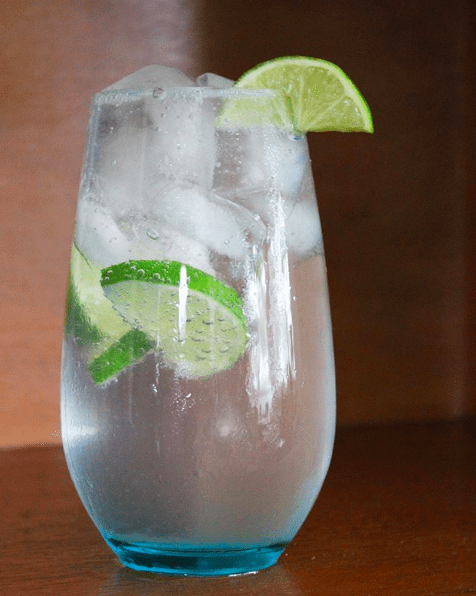
In “Dry,” Burroughs has a bit about ordering a seltzer and lime soon after leaving rehab. As he waits for it to arrive, he reflects, “Suddenly I can feel how depressing alcoholism really is. Basements and prayers. It lacks the swank factor.” We happen to disagree, and we happen to love drinking seltzer and lime. To pair with our podcast discussion of “Dry,” we’re drinking seltzer water, lime, and a splash of Seedlip Herbal nonalcoholic spirit to up the swank factor. 


About Dry

What to expect: A hilarious, heartbreaking tale of recovery after rehab by one of the best in the memoir biz

From the book jacket:

“You may not know it, but you’ve met Augusten Burroughs. You’ve seen him on the street, in bars, on the subway, at restaurants: a twenty-something guy, nice suit, works in advertising. Regular. Ordinary.

But when the ordinary person had two drinks, Augusten was circling the drain by having twelve; when the ordinary person went home at midnight, Augusten never went home at all. Loud, distracting ties, automated wake-up calls and cologne on the tongue could only hide so much for so long. At the request (well, it wasn’t really a request) of his employers, Augusten lands in rehab, where his dreams of group therapy with Robert Downey Jr. are immediately dashed by grim reality of fluorescent lighting and paper hospital slippers.

But when Augusten is forced to examine himself, something actually starts to click and that’s when he finds himself in the worst trouble of all. Because when his thirty days are up, he has to return to his same drunken Manhattan life―and live it sober. What follows is a memoir that’s as moving as it is funny, as heartbreaking as it is true. Dry is the story of love, loss, and Starbucks as a Higher Power.”

— Dry: A Memoir

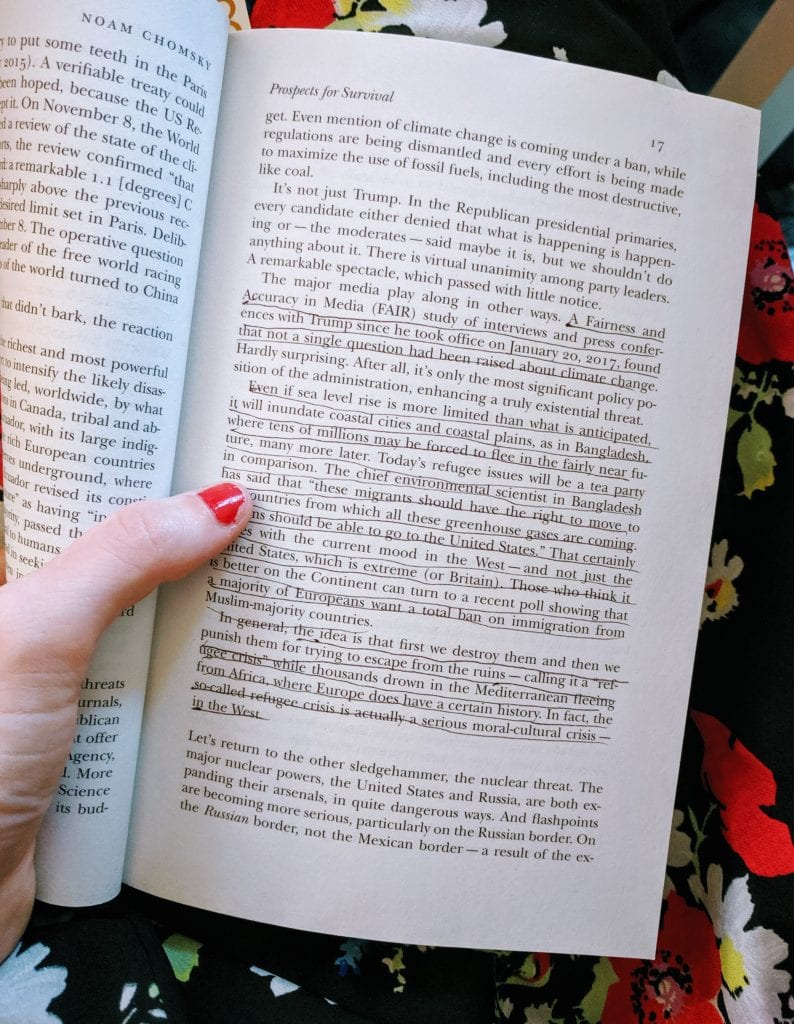
#SundaySentence: A tea party in comparison


For David Abrams’ Sunday Sentence project, readers share the best sentence they’ve read during the past week, “out of context and without commentary.”


“Even if sea level rise is more limited than what is anticipated, it will inundate coastal cities and coastal plains, as in Bangladesh, where tens of millions may be forced to flee in the fairly near future, many more later. Today’s refugee issue will be a tea party in comparison.
From Prospects for Survival, an essay by Noam Chomsky, as read in Best American Essays 2018

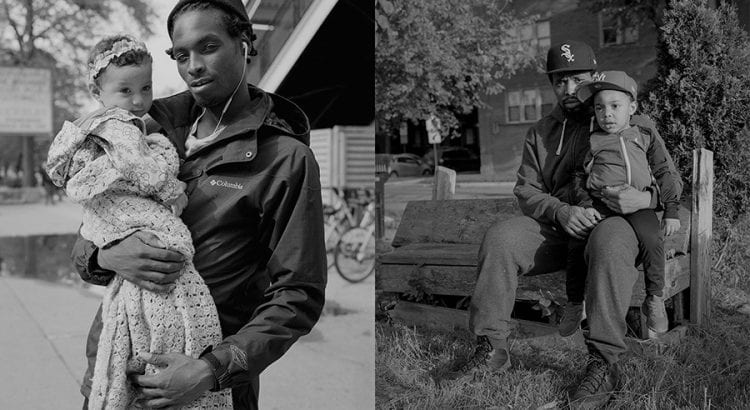
Art you should know: Chicago Reader’s Father’s Day series


Happy Father’s Day weekend to all the dads out there! I suggest checking out Chicago Reader newspaper’s feature of W.D. Floyd photographs of fathers from the south and west sides of Chicago. The series focuses on African American fathers, who society often holds an inaccurate view of. You can read the whole story and see the series at Chicago Reader here.
“Within our society there is an underlying belief that fatherhood is a role Black males struggle to fill. But every day I see Black men engaging in acts of care. Most are not making a political statement but fulfilling their basic human instinct. According to a 2013 study published by the Centers for Disease Control and Prevention, Black men are more involved with their children than other demographics.”

Photographer W.D. Floyd

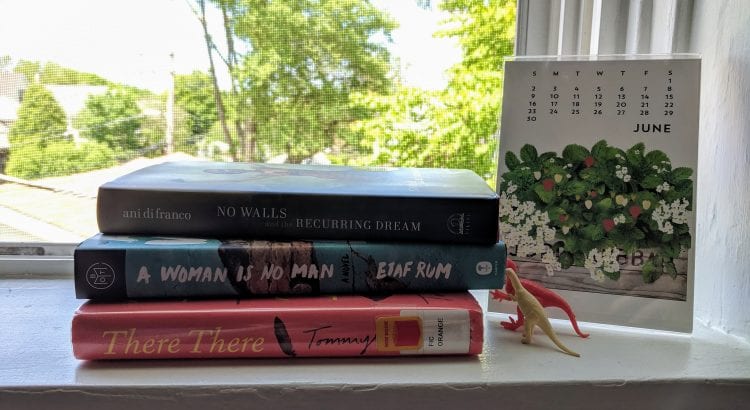
My list of books to read this month


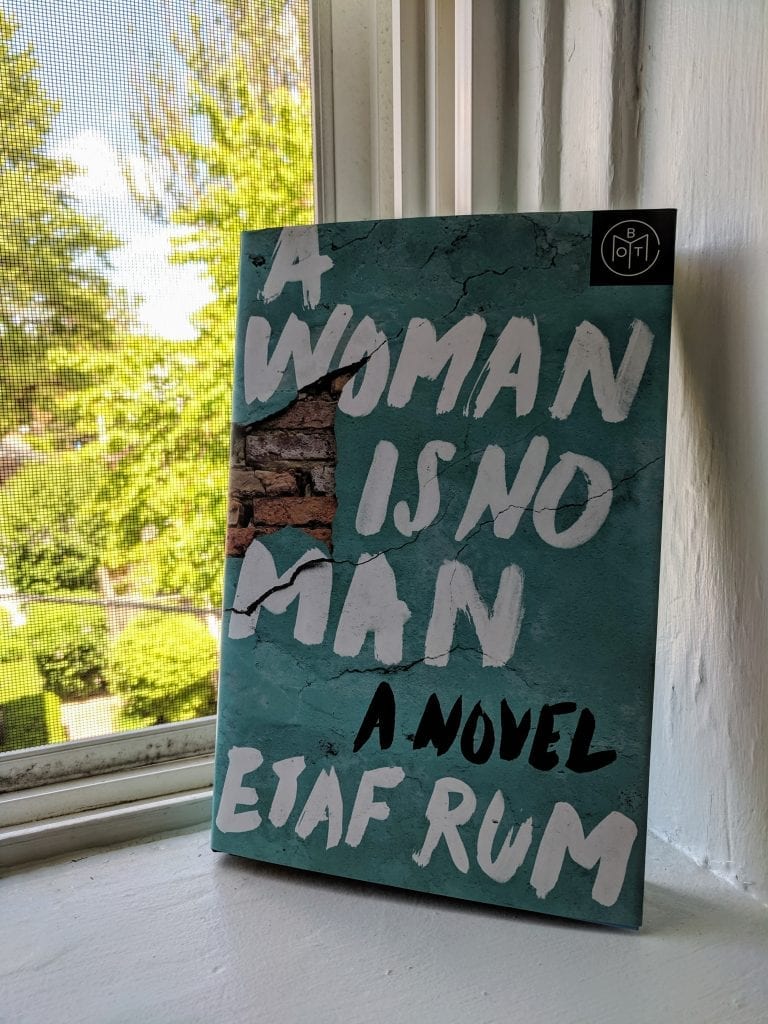
A Woman is No Man by Etaf Rum

Reading about the lives of conservative Arab women living in America does not sound like an entertaining time to me (the conservative descriptor is what feels most like a snooze, to be clear). However, I’ve read nothing but good things about this new, debut novel by Etaf Rum—part addictive page-turner, part family portrait with secrets waiting in the shadows.

Deya is a Brooklyn gal who is 18 and being pursued by suitors selected by her grandparents. Yikes enough as is, certainly, but the situation is underlined by a black line that traces back to the story of Deya’s mother, Isra, who left Palestine as a teen to marry her heart’s desire, not her parents’. Isra supposedly died in a car accident. A secret note, mysterious woman, and gut feeling say otherwise.


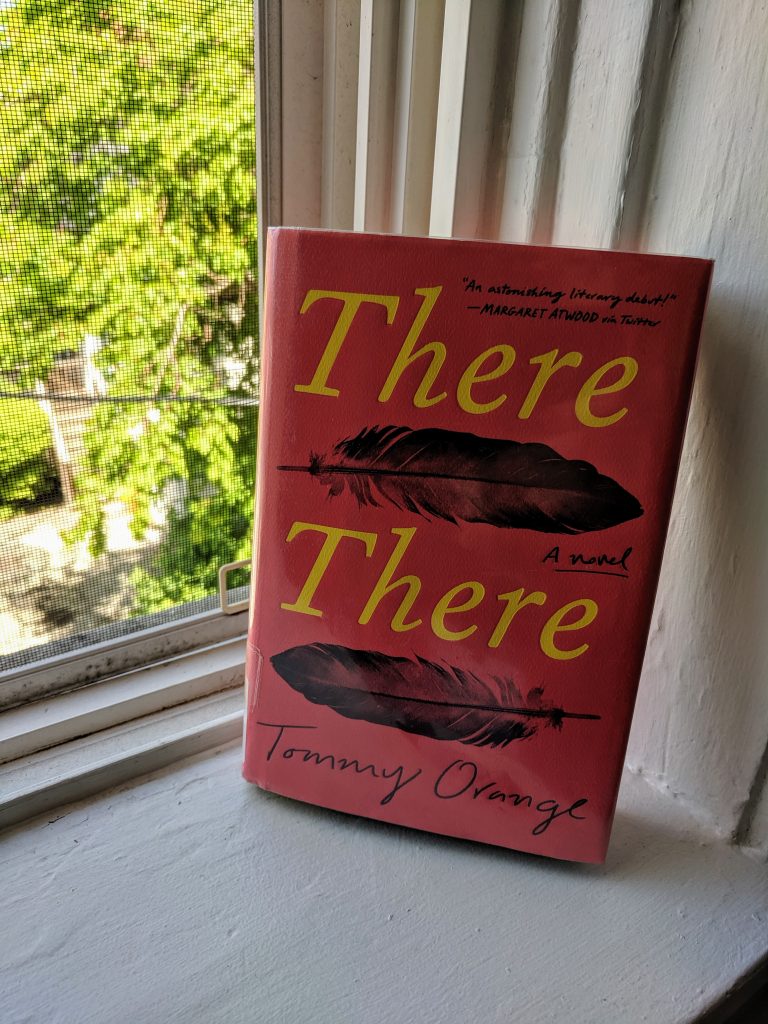
There There by Tommy Orange

This book was published last year and the Chicago literati looooved it. Devoted Chicago literati follower that I am, I put this on my to-read list. They’ve never led me astray with a bad book recco yet, and There There has further confirmed my faith in their Book Gods status (see also: “Yes, Tommy Orange’s New Novel Really Is That Good” by the New York Times).

Each chapter follows a different character in a very large cast of Native Americans in Oakland, all of whom are making their way to a fateful powwow that ends in a ~very American~ tragedy. The story wields language, grief, and first-person narrative like a knife sharpened on the too-long-ignored, unquiet bones of a true-life genocide.

The title is a reference to a misunderstood (whitewashed) Gertrude Stein quote about Oakland that Orange brilliantly weaves into one character’s scene. The phrase also comes up in another place, referencing the Radiohead song by the same name, demonstrating how contemporary and historically intertwined this novel is, symbolic of Native American experience and life in Oakland. Those cross-generational twines can continue to choke a whole community, or the rest of us can help them become untangled and pull everyone up with the rope.

I would like Tommy Orange to publish a new book immediately.


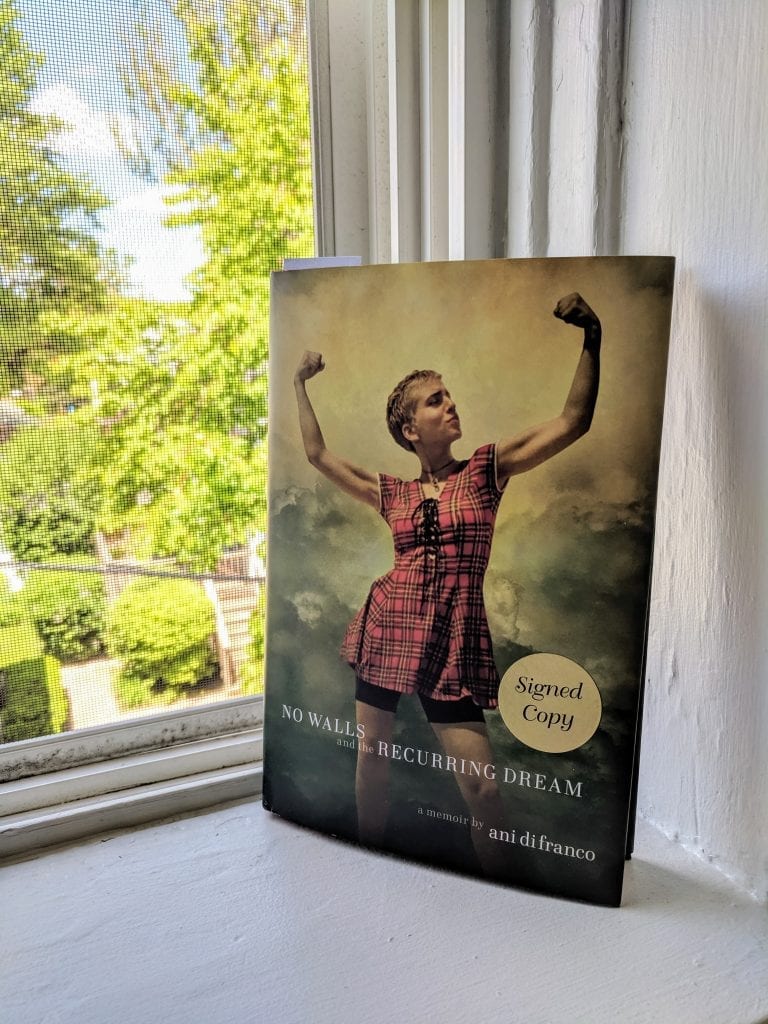
No Walls and the Recurring Dream by Ani DiFranco

My bff in college loved the singer-songwriter Ani DiFranco. She played me Ani’s “Not A Pretty Girl” one day our freshmen year, likely when it was spring and I was sweaty and sitting on the floor of her dorm room and licking cheese fry sauce off my fingers. And feeling righteous in the pit of my stomach or something similarly ravenous somewhere that no food hall cheese fry could ever satisfy.

Ani’s songs made sense to me, and they made me feel better. Not, like, better in the moment of listening, but holistically, lifelong, better. Finding her (along with Fiona Apple and The Distillers) was like finding the handle for the pressure valve release of my confused spirit. I never knew I needed someone to voice what Ani does until I heard Ani do it.

I am not a pretty girl
I don’t really want to be a pretty girl
I wanna be more than a pretty girl

I am not an angry girl
But it seems like I’ve got everyone fooled
Every time I say something they find hard to hear
They chalk it up to my anger
And never to their own fear

Imagine you’re a girl, just trying to finally come clean
Knowing full well they’d prefer you were dirty
And smiling, and I am sorry

But I am not a maiden fair
And I am not a kitten
Stuck up a tree somewhere

Ani’s music helped inform my understanding of the world, of myself, and of the experience of being and becoming a woman. When her voice cracks but she keeps singing her truth, she told the rest of us we could and should do the same.

I’m really excited to read her debut memoir, in which she tracks her totally underrated journey to DIY superstardom (she released her first album at 18, rejected the mainstream recording industry and created her own successful label, Righteous Babe Records), navigating the music industry in the 1990s and 2000s, getting an abortion, becoming a mother, speaking as a social activist, being a creative entrepreneur, and so much more.

Ani in Chicago at a discussion to celebrate the launch of her new book, presented by Women and Children First Book Store.
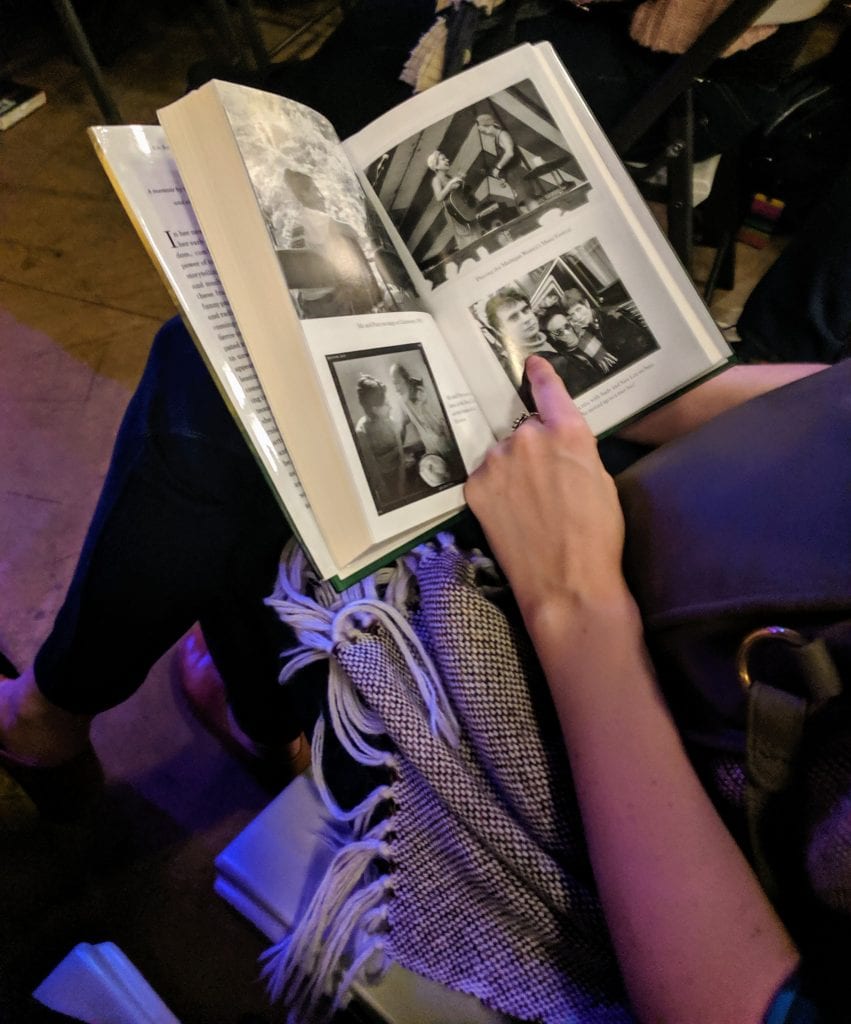
My superfan friend and companion for the evening doing the homework early.
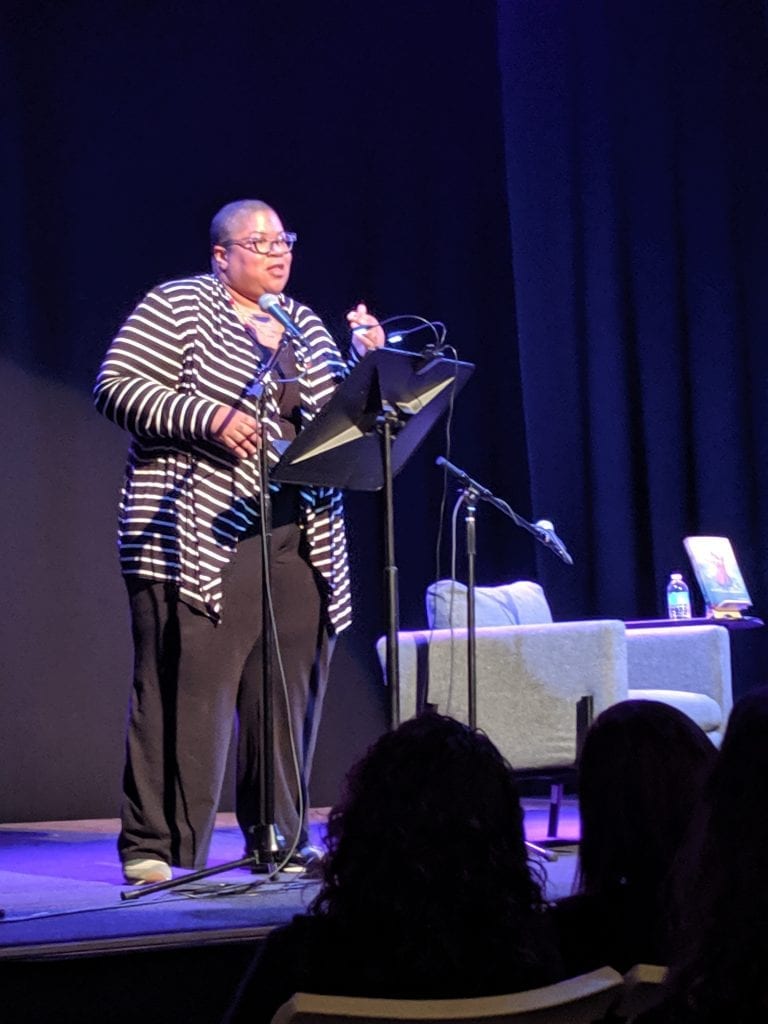
Samantha Irby (of Bitches Gotta Eat and Shrill fame)!!! She was there as an audience member, but, of course, as soon as she was spotted, she was asked to intro Ani and it was perfect and hilarious, just like her.

Get your tickets for You’re Being Ridiculous PRIDE edition


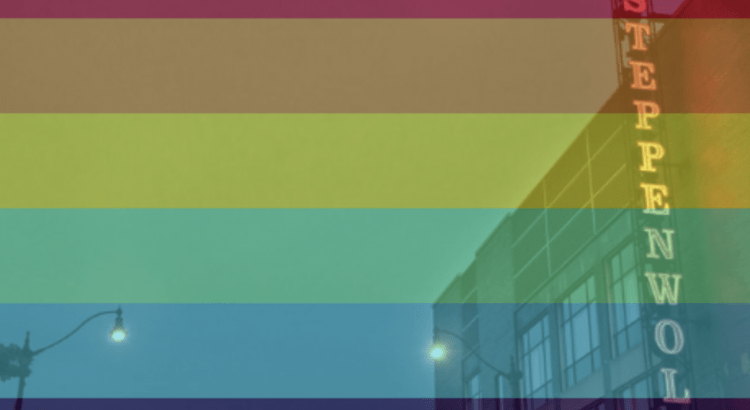
Chicago’s awesome storytelling show You’re Being Ridiculous is celebrating PRIDE at Steppenwolf’s 1700 Theatre on June 20, 21, and 22 at 8 p.m. each night. The show is part of Lookout Series, an event that presents the work of artists and companies across genre and form. And I’m one of them!

I’ll be reading a new story at the Thursday, June 20, edition of You’re Being Ridiculous at Steppenwolf.

Join us to hear true stories from a stellar line-up of some of Chicago’s very best writers and storytellers. Tickets can be purchased here. Seating is limited, so be sure to reserve your seats today before it sells out! There’s a new group of readers every night (and YBR never disappoints), so maybe make a whole weekend of it, OK?


More info here.

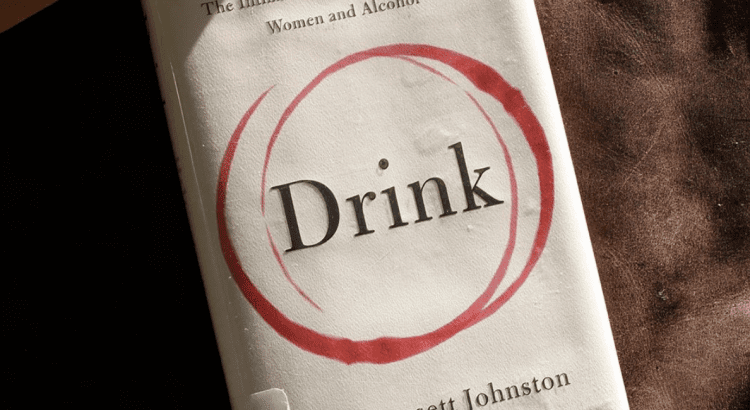
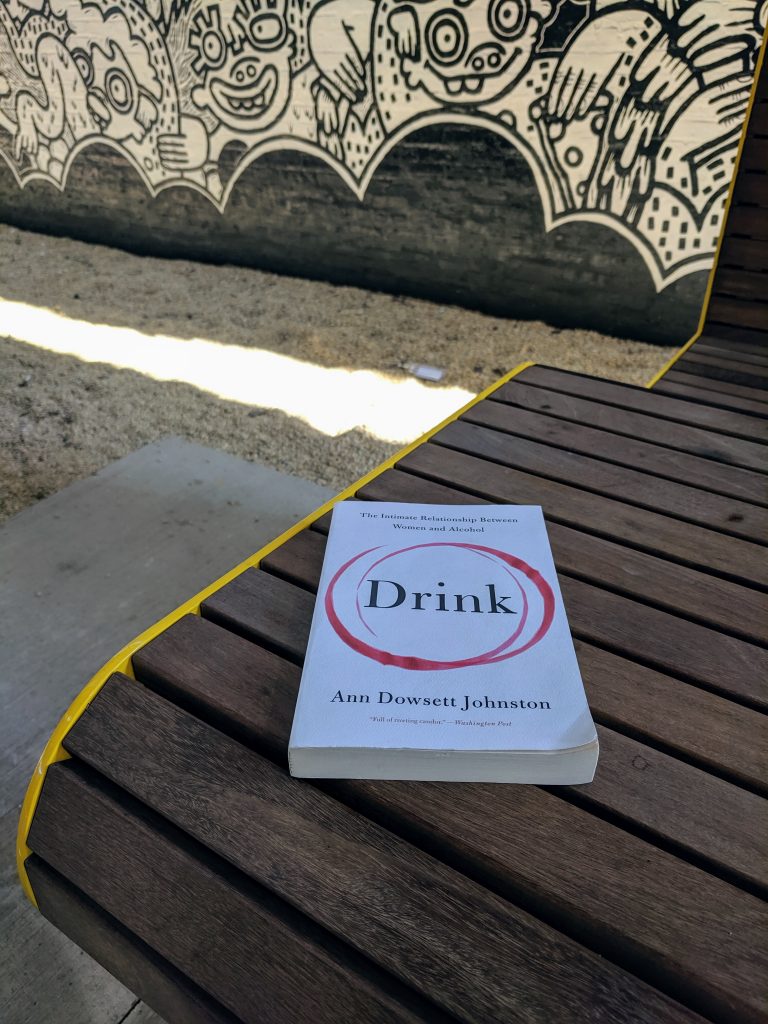
Zero Proof: Drink


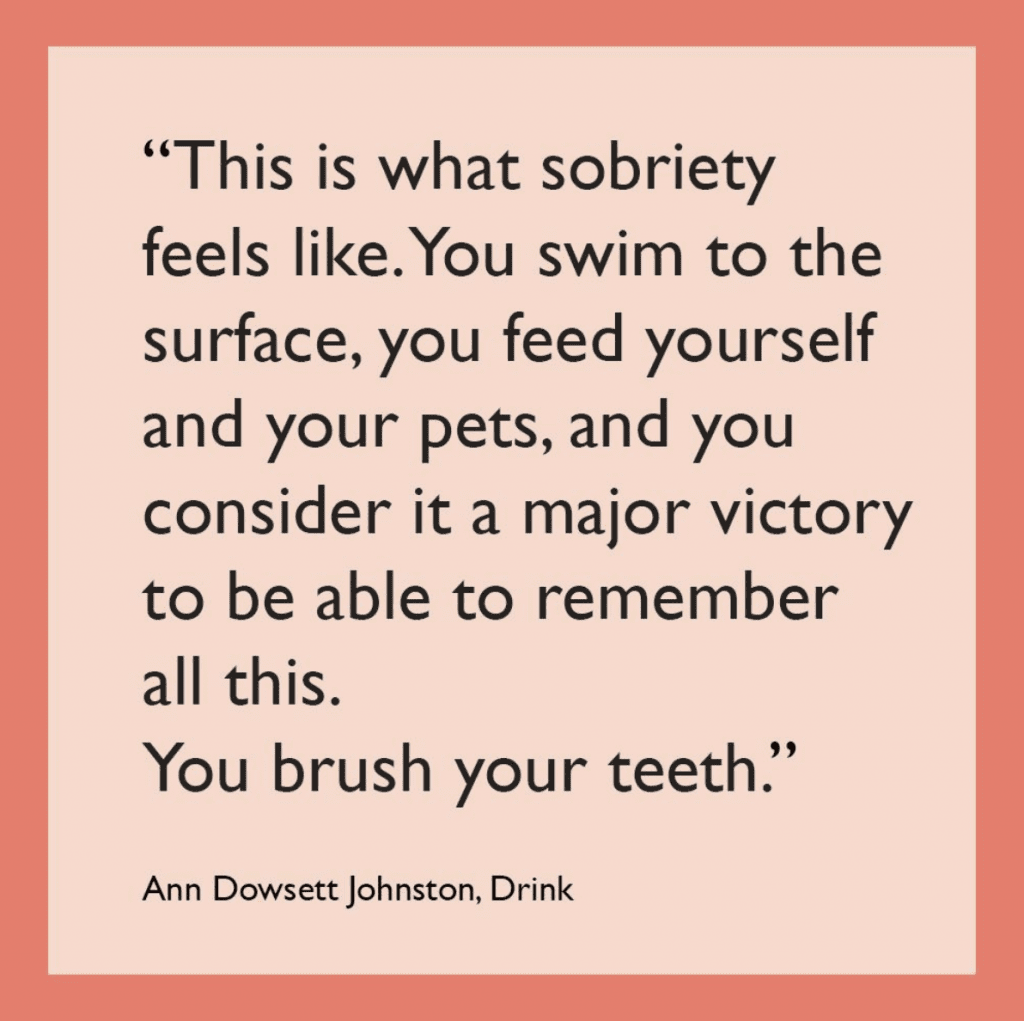
In the latest episode of Zero Proof Book Club, Shelley and I discuss Ann Dowsett Johnston’s “Drink: The Intimate Relationship Between Women and Alcohol.” Spoiler alert: Not our favorite book. Johnston gives us plenty to talk about, though, and we chat about how drinking is a feminist issue, how alcohol is marketed to women, and the extra burdens carried by moms who drink.

Listen to the new episode here, at ZeroProofBookClub.com, and follow us on Instagram at @zeroproofbookclub.


Pairs well with…

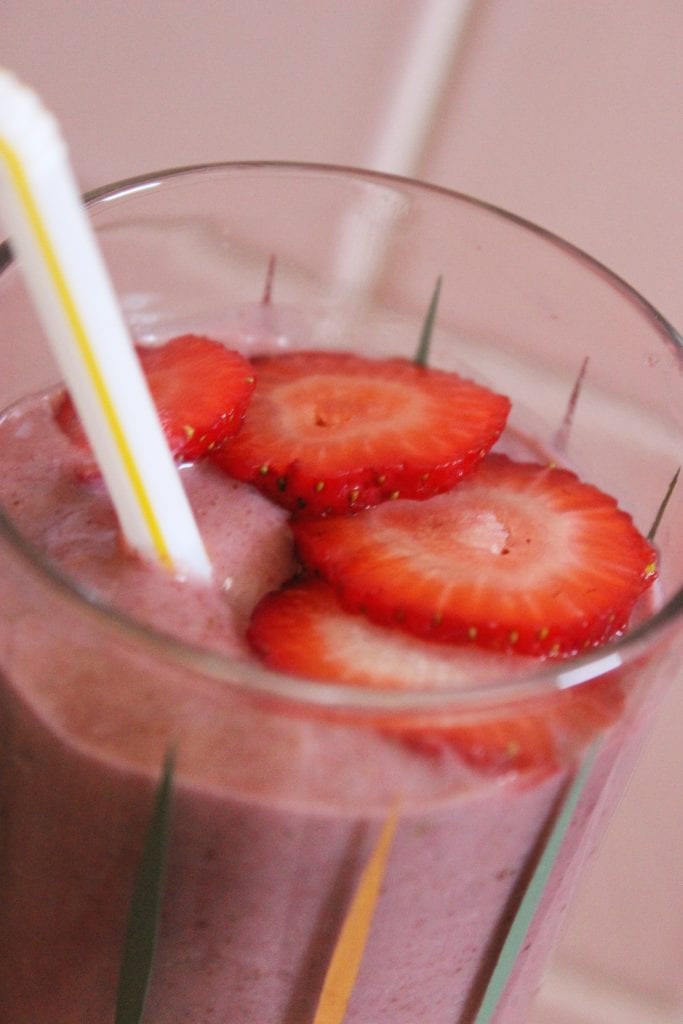
  • Berry + banana smoothie

Give these babies a whirl in your blender: One frozen banana, a handful of blackberries, a bunch of strawberries, some almond butter, and a drizzle of honey. 🍓🍌

About Drink

What to expect: A compilation of narrative journalism articles about how and why alcohol negatively affects women today

From the book jacket:

“In Drink: The Intimate Relationship Between Women and Alcohol, award-winning journalist Ann Dowsett Johnston combines in-depth research with her own personal story of recovery and delivers a groundbreaking examination of a shocking yet little recognized epidemic threatening society today: the precipitous rise in risky drinking among women and girls.

With the feminist revolution, women have closed the gender gap in their professional and educational lives. They have also achieved equality with men in more troubling areas as well. In the U.S. alone, the rates of alcohol abuse among women have skyrocketed in the past decade. DUIs, ‘drunkorexia’ (choosing to limit eating to consume greater quantities of alcohol), and health problems connected to drinking are all rising—a problem exacerbated by the alcohol industry itself.

Battling for women’s dollars and leisure time, corporations have developed marketing strategies and products targeted exclusively to women. Equally alarming is a recent CDC report showing a sharp rise in binge drinking, putting women and girls at further risk.

As she brilliantly weaves in-depth research, interviews with leading researchers, and the moving story of her own struggle with alcohol abuse, Johnston illuminates this startling epidemic, dissecting the psychological, social, and industry factors that have contributed to its rise, and exploring its long-lasting impact on our society and individual lives.”

— Drink: The Intimate Relationship Between Women and Alcohol

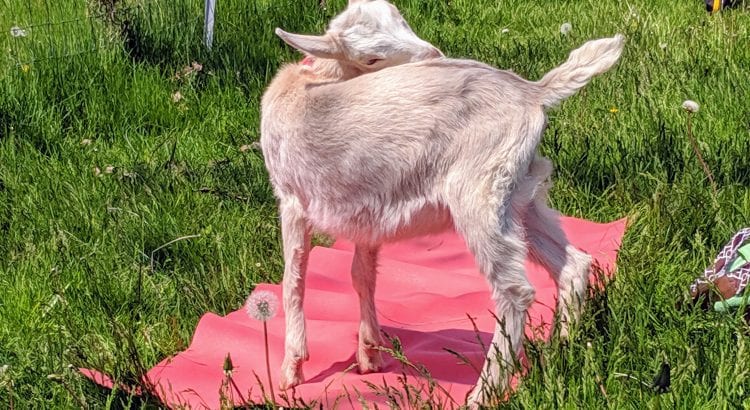
To do: Goat yoga


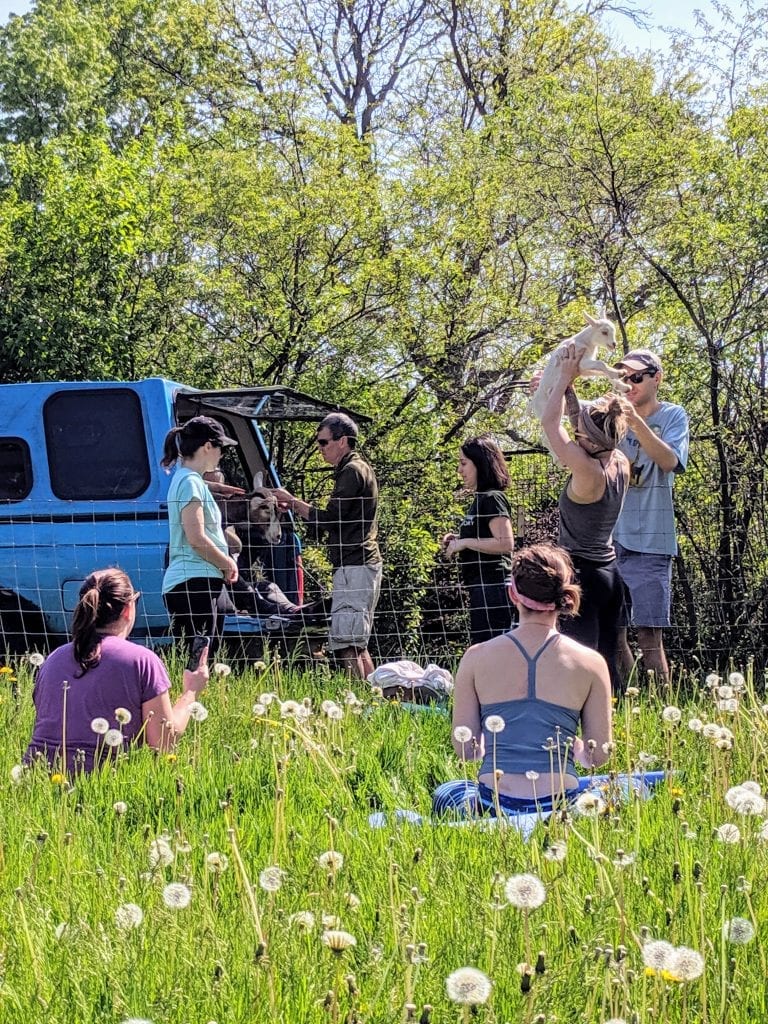
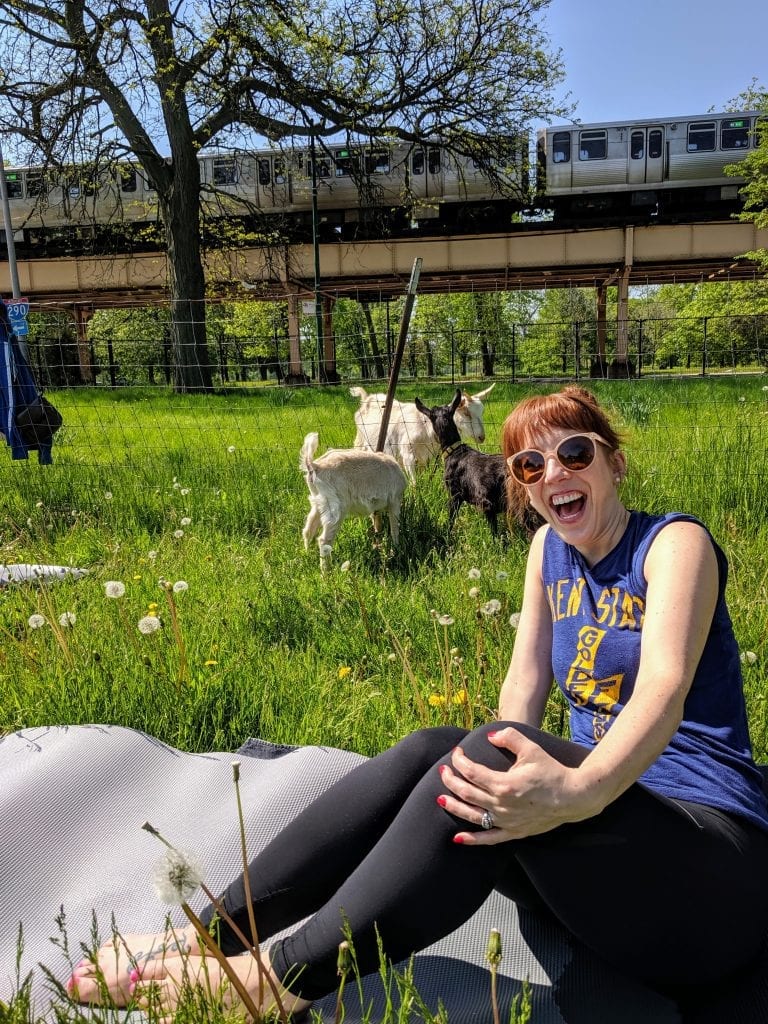
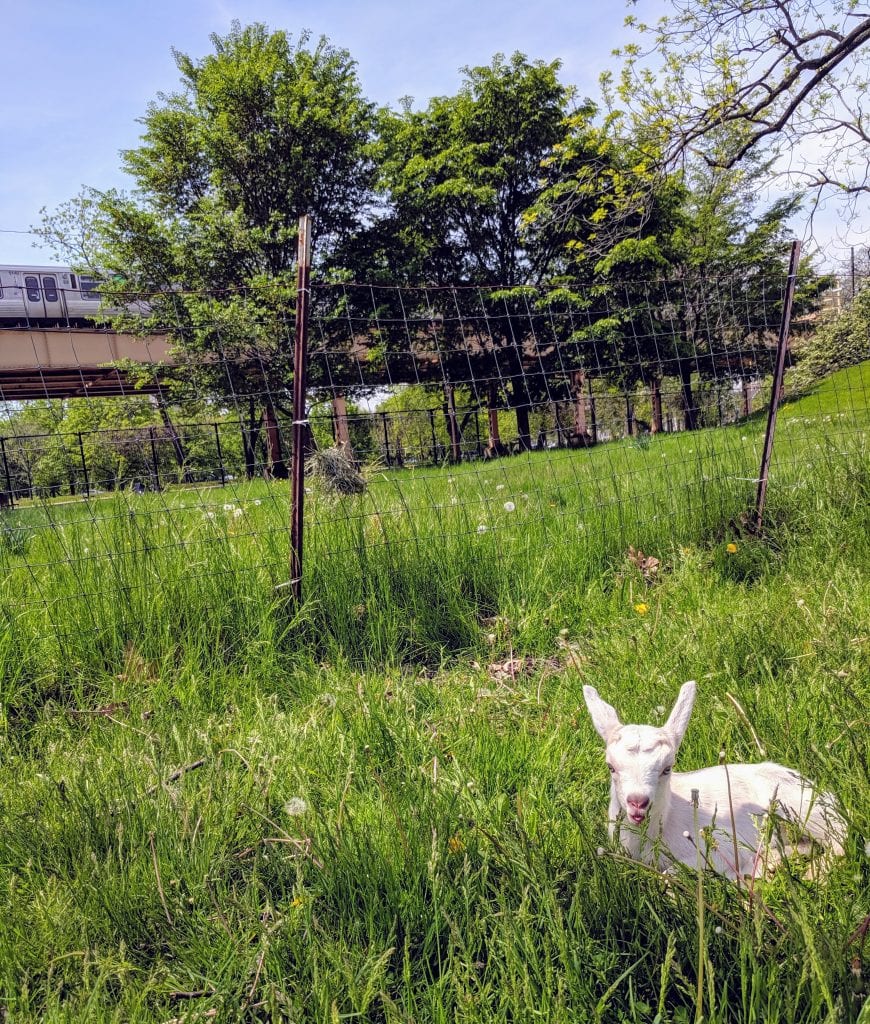
You agree to goat yoga at the Garfield Park Conservatory because you could use a break. A stretch break. And if baby goats are available for the whole process, why not include that little bonus of zoological Zen? Like fury parkour experts, these newborns. Or so you’ve assumed from YouTube videos of parkour and of baby goats.

When you arrive, you’re amazed at the conservatory’s calm and wonder why you have never been here before? Because you’re busy. You’re worried. You’re reading the news and staying up to date and even Story Corps advertisements are promising to “restore your faith in humanity,” which in-and-of-itself kinda does the trick because at least someone—even just a lonely NPR advertisement copywriter locked in a basement somewhere—is admitting people like you are getting nervous and feeling a little hopeless and climate change is real and ecoanxiety is also real (as of 2017, according to the American Psychological Association) and holy goats can we fix this or is it too late?

Regardless, all of this makes you grateful for the conservatory’s sheltered plants and the gated teeny triangle of prairie grass dotted with dandelions, which you’re now unfurling your brand new yoga mat onto, puffs of glittering seeds rise up to the morning sun. The L train zips by sporadically, charmingly. You begin to relax. You take some deep breaths. Stretch. Break.

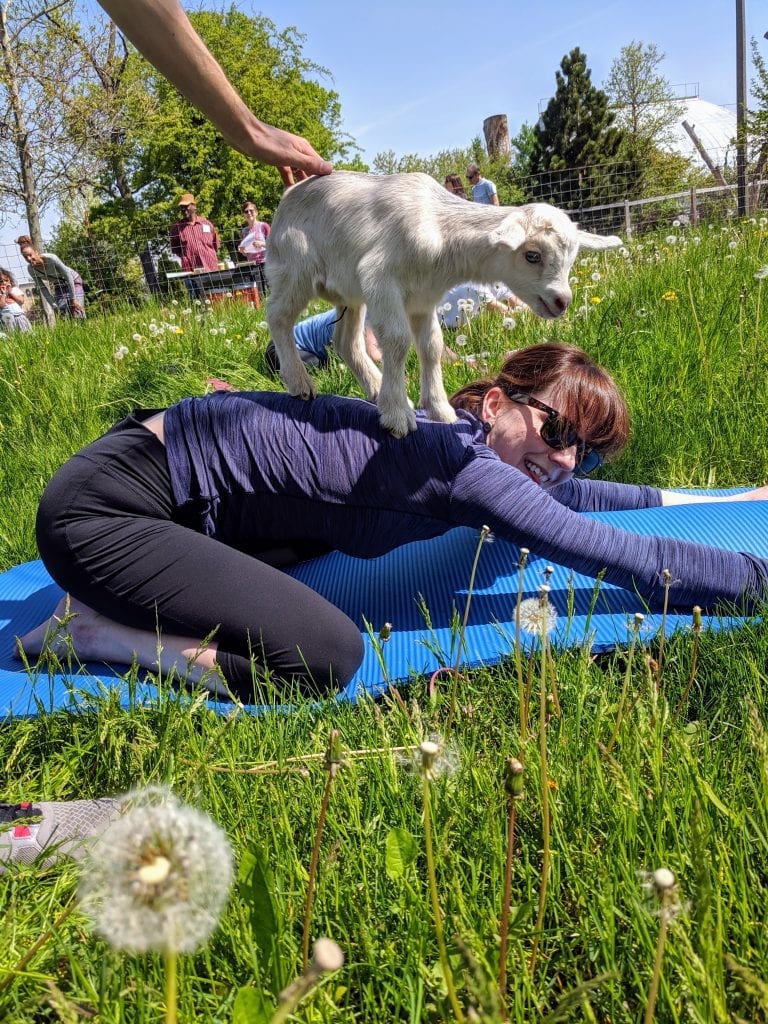
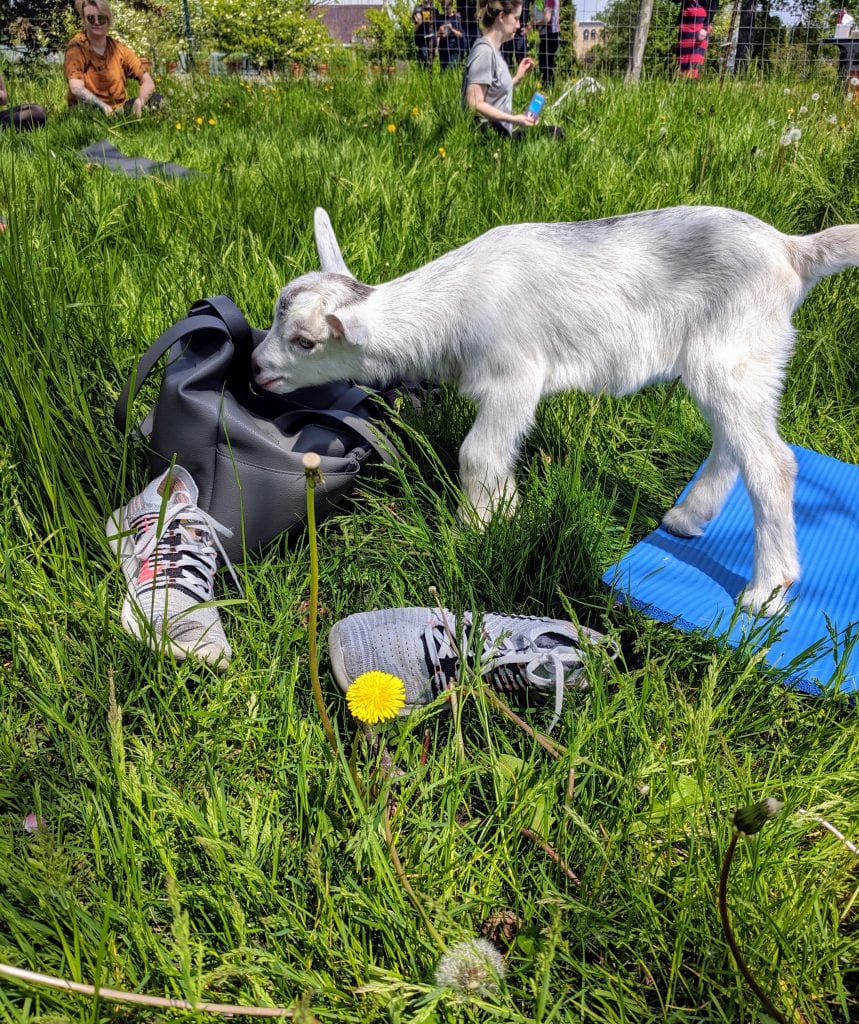
When the goats come off the truck, you do everything you can to keep from squealing. But then you’re squealing anyway. You’re squealing and hand clapping like a child and have zero apologies for your excitement. Have you ever even seen a four-day old goat? Been climbed by one? Petted the peach fuzz of one’s recently crowned head?

You can’t focus on the poses, but that’s OK. Goat yoga is ultimately more about the goat—more specifically, what the goat is giving you—than the yoga but eventually you settle in to a warrior two or something like that and stop watching the bobbling babies struggle to walk the knee high grass and you push your drooling mouth closed and pop your eyeballs back into your head. And you breathe.

You hear the L ricochet by one more time and give thanks for a place like this and for your ability to move freely to and from it at whatever pace you like. You feel your legs in your yoga pants, which you haven’t replaced in years because you read somewhere yoga-pants-plastics were harming the water systems, but you’re not thinking about that now. You’re thinking about nothing but what this exact moment feels like to be you.

A goat bleats and you smile even more because that shit sounds so desperate and it’s funny because what sounds like a scream is really just him saying, “Hi. Got food?.” You cup the warmth of the sun in your open, welcoming palms. You smile. For a moment, this moment, it feels like you’ve got the whole world in your hands. Even if it’s a fucked up one. This is enough and you are happy here.

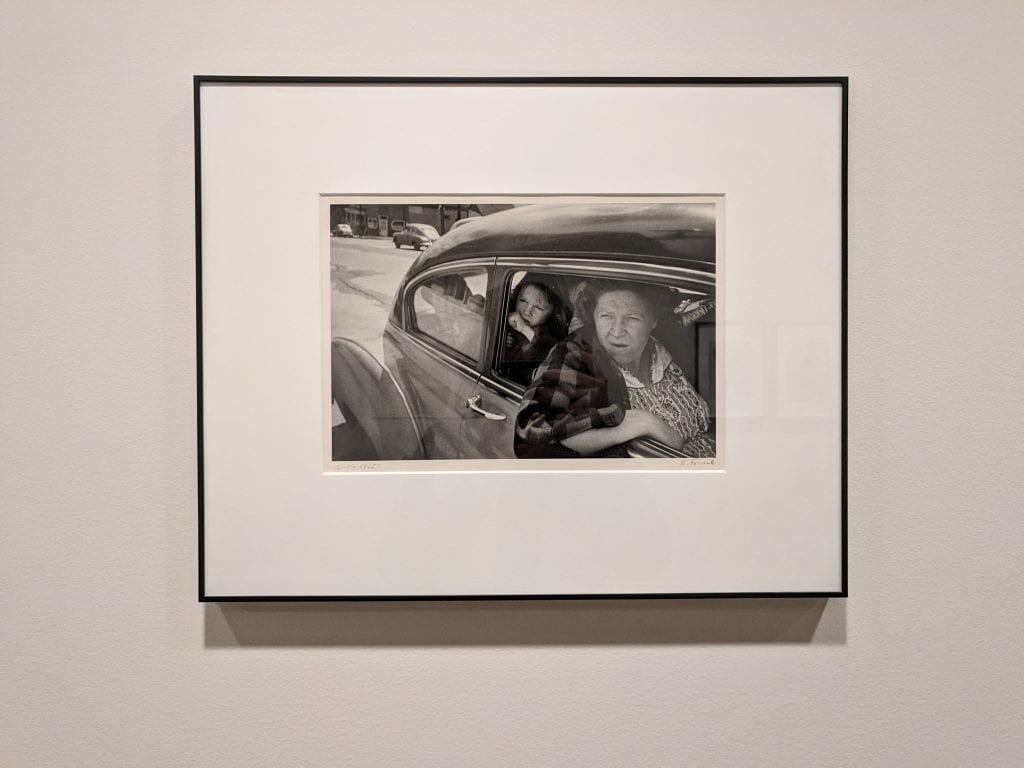
Art you should know: Robert Frank’s The Americans


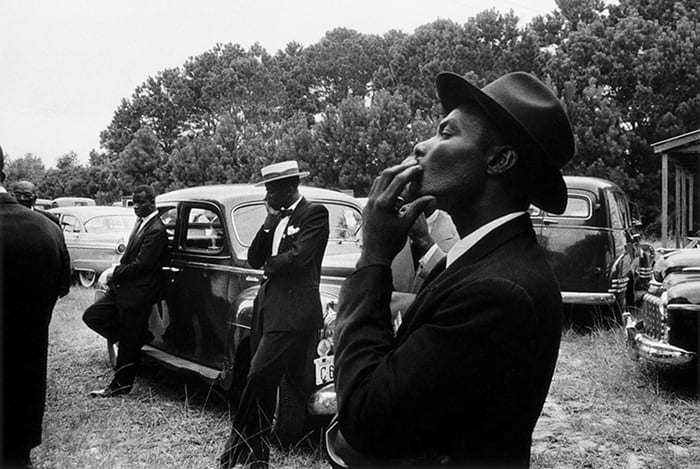
Capturing America’s inconsistencies and contrasts is practically a pastime now for the average artist. We owe a tip of our baseball hats, emblazoned in racist symbology, to those who developed this aesthetic with such originality that their historical influence is practically cliché. I’m thinking the hard-nosed, coked in empathy narratives of Dorothea Lange; the searingly lonely dream-scaping of Edward Hopper (#1 all-time fave). An artist who deserves to be part of this lineup of artists that the gen pop rattles off when considering Great American Artists Who America-ed America is Robert Frank.

Actually, Frank, a photographer, was Swiss-American, and his new-citizen status gave his work a non-sentimentality surrounding American Life. In the 1950s, this translated to an incredibly unique source of truth for what was happening behind the technicolor and catchy slogans of the post-war pop culture.

I am always looking outside, trying to say something that is true. But maybe nothing is really true. Except what’s out there. And what’s out there is constantly changing.

Robert Frank

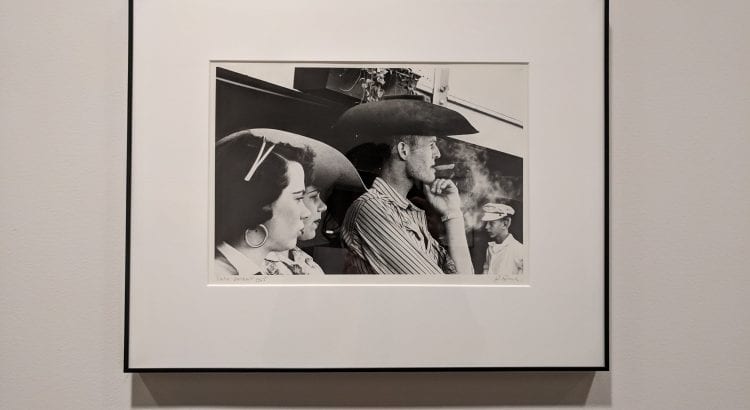
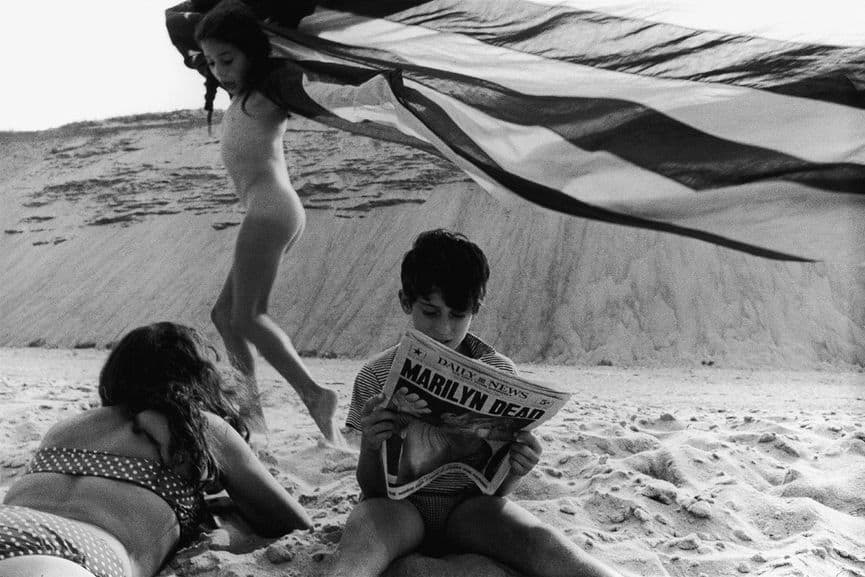
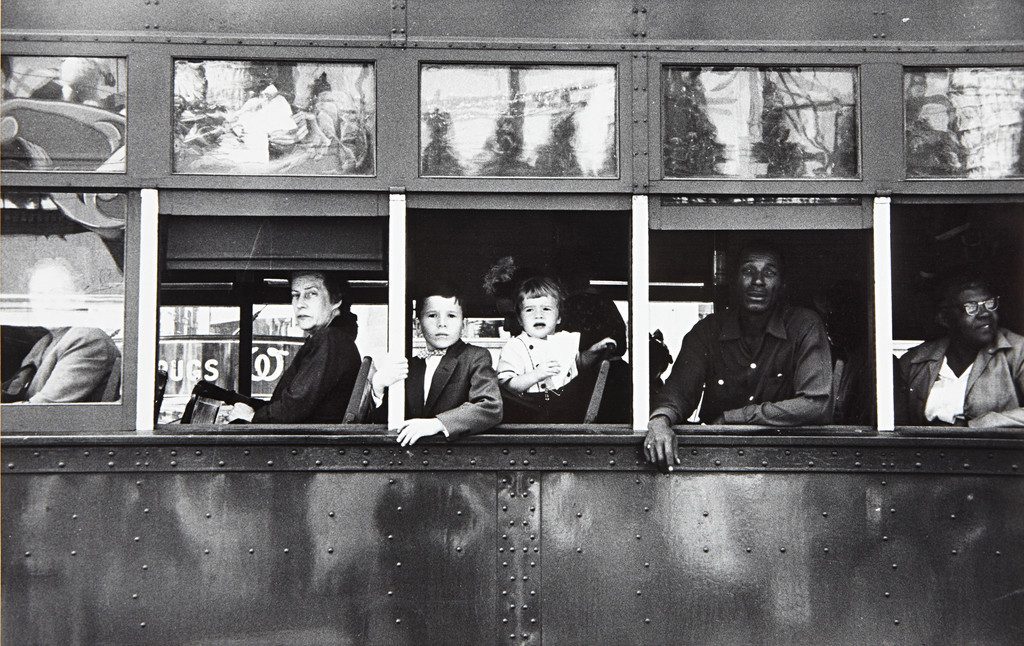
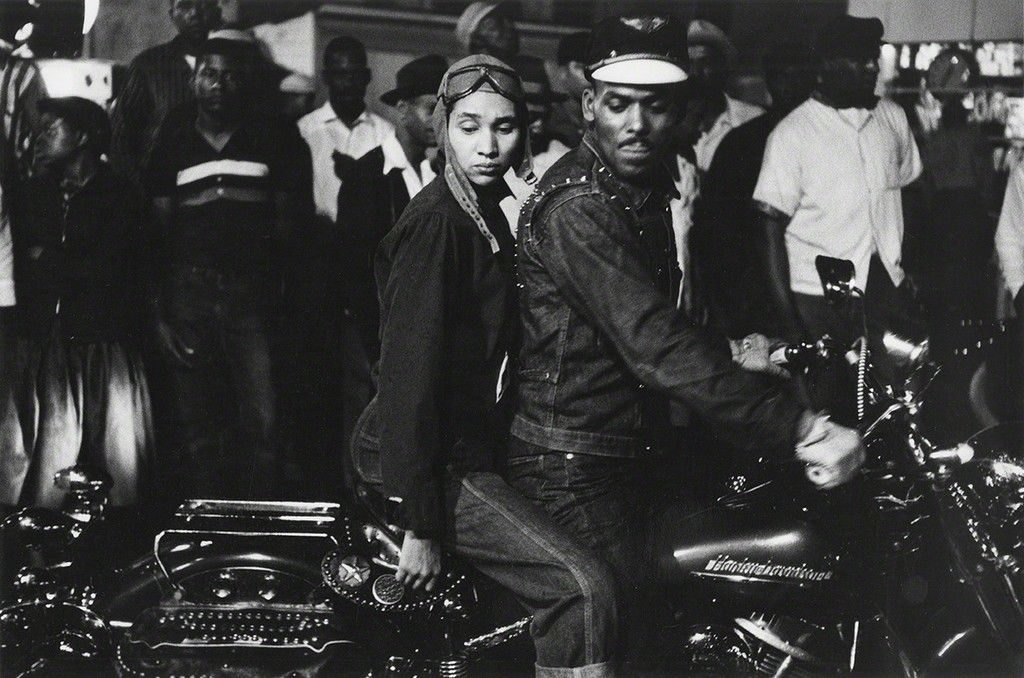
In 1955, Frank got a fellowship from the Guggenheim Foundation. For the assignment, he spent two years traveling the States with his family and taking photographs of everyday life in places like Detroit, Savannah, Miami Beach, LA, Salt Lake City, Butte (Montana), and (of course) Chicago. In those two years he took more than 25,000 photographs and 83 of them became The Americans, a book of images that “changed the nature of photography. What it could say and how it could say it,” wrote art critic Sean O’Hagan nearly six decades after the book’s publication in 1958. The Americans, he says, “remains perhaps the most influential photography book of the 20th century.”

Selections from The Americans was recently on view at the Art Institute of Chicago’s exhibition “Out of the Retina, Into the Brain: The Art Library of Aaron and Barbara Levine.”

Frank’s imagery was subtle but impactful because grandiosity took a backseat to themes of boredom, toil, and blind patriotism. These are everyday Americans who live under the spell of American lore with a sort of dumbfounded despair. (It feels achingly familiar to our social media age—ie. if I’m supposed to be happy here, why am I so sad/mad?)

Frank’s compositions depicting race in America are particularly powerful. Prescient, even, considering hindsight of social photography and the incredible civil and human rights upheavals on the country’s horizon. This theme is, again, where Frank’s individual experiences and characteristics gave him a honed eye for making these observations about our country’s racial cruelty. As a Jewish man, he experienced profiling while photographing in the South. He was put in jail in Arkansas. Told he had an hour to leave town by a deep-South sheriff. This racism indelibly shaped his view of the country, which indelibly shaped everyone else’s view of it too. Moreover, he gave brutalized communities a chance to show their strengths, despite all they faced in 1950s America.

There are too many images, too many cameras now. We’re all being watched. It gets sillier and sillier. As if all action is meaningful. Nothing is really all that special. It’s just life. If all moments are recorded, then nothing is beautiful and maybe photography isn’t an art anymore. Maybe it never was.

Robert Frank (in 2008)

Suggested reading: