Blog

10 Questions: Authors and historians Elina Gertsman and Barbara H. Rosenwein

The objects we use on a daily basis play a big role in our cultural story and memory. As writers, we know the importance of objects in terms of symbolism—and ensuring we are, when writing fiction at least, placing historically accurate objects into settings, character descriptions, and dialogue.

Your Civil War heroine with an iPhone is no bueno, bud.

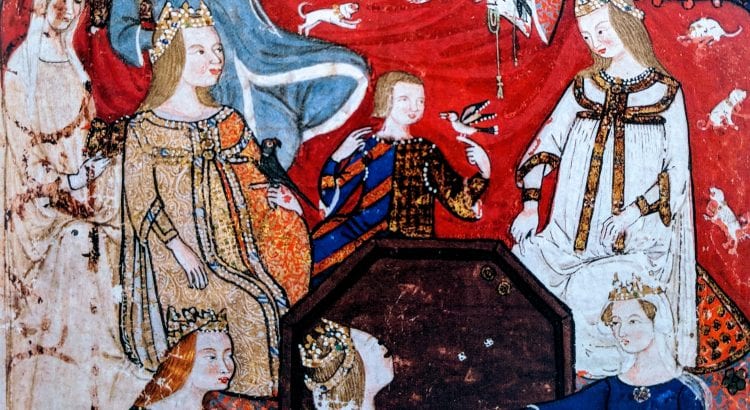
That’s why tomes like “The Middle Ages In 50 Objects” (Cambridge University Press, 2018) are so helpful to writers doing research for a novel or screenplay in this time period. “50 Objects” features beautiful images of objects from the Cleveland Museum of Art paired with an essay that digs into its visual and cultural significance within the wider context of how the object was made or used.
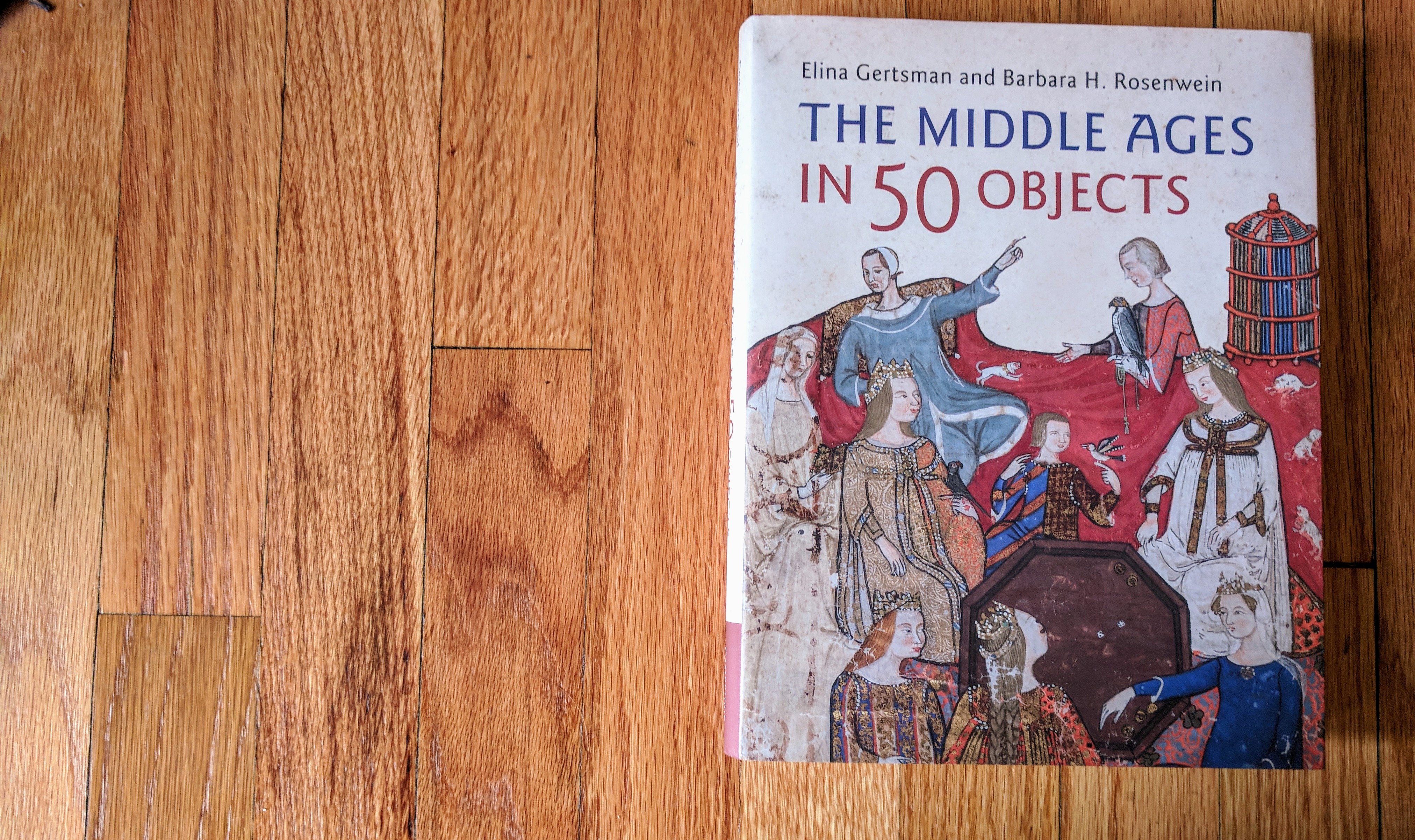
The book is divided into four topic areas (The Holy and the Faithful; The Sinful and the Spectral; Daily Life and its Fictions; and Death and Its Aftermath) and loaded with fresh historical insights provided by the scholars Elina Gertsman (professor of Medieval Art at Case Western Reserve University) and Barbara H. Rosenwein (a medievalist who specializes in the history of emotions).
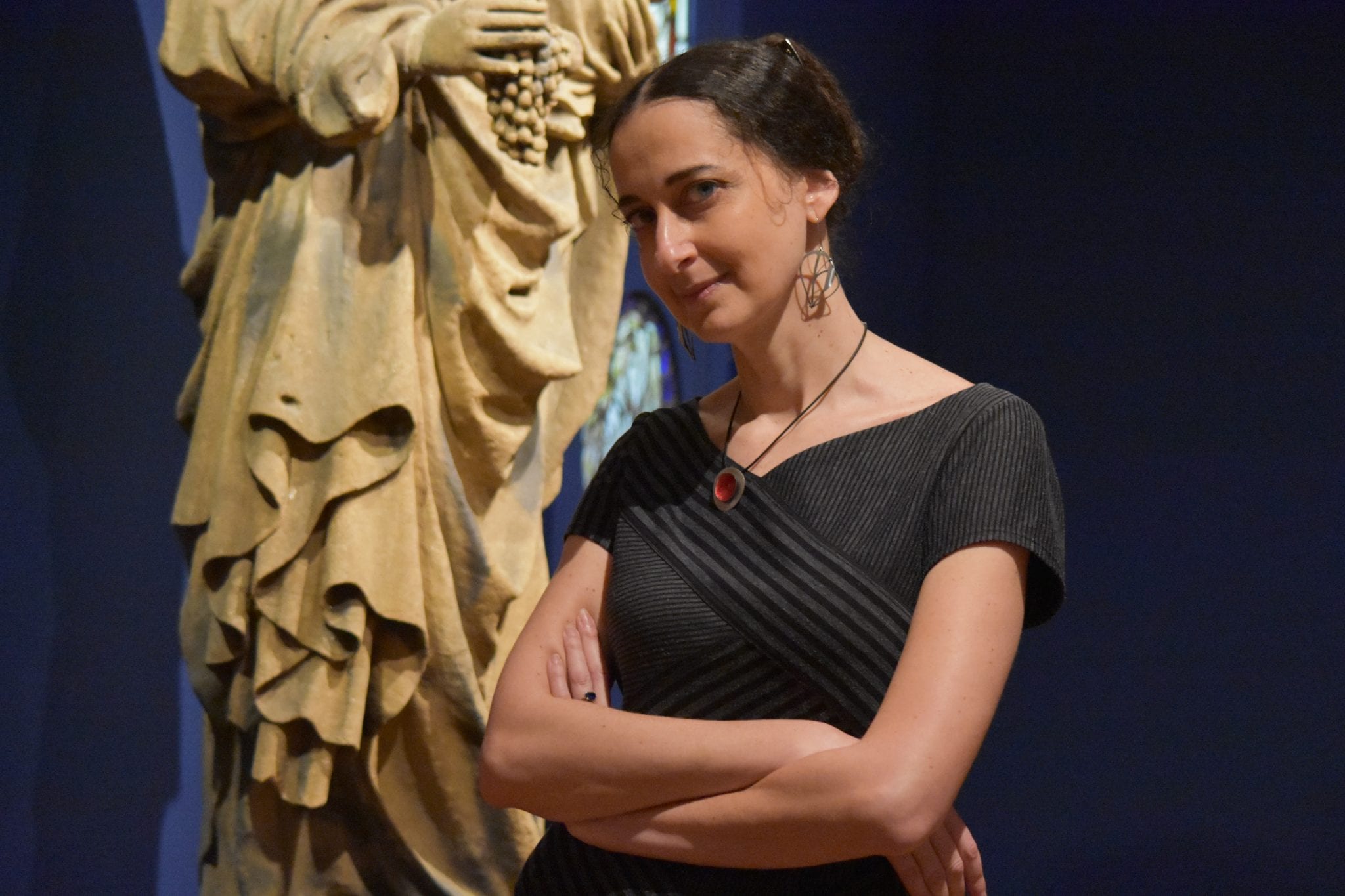
Elina Gertsman (Photo: Keli Schimelpfenig, Case Western Reserve University)
Barbara Rosenwein

And though it was written in part to progress academic conversations about the Middle Ages—and recently made the High Brow/Brilliant end of New York Magazine’s approval matrix—this book is a visual and intellectual goldmine for arm chair art history lovers. <raises hand> Reading this book was like getting an answer key to some incredible works of art; like sitting in on a university lecture from the comfort of my aforementioned arm chair.

Example: Object 22’s painting of the Madonna and Eve on wood panel features inverted letters signifying the way Mary supposedly reversed Eve’s original sin; Eve’s sexuality is underscored by the Tree of Knowledge growing between her legs. (Which, if ever there was an ideal place for a tree of knowledge to grow, I’d say it’s there… She wouldn’t even have to stand up to pick out a new book to read from its branches! #teameve)

I had the pleasure of asking Elina and Barbara a few questions about the process of writing their new book, why they made the curatorial decisions they did, what objects in the book were most interesting to study, and more. Read their thoughtful answers below, then get your own copy of “The Middle Ages In 50 Objects” here!

The hard cover is coffee table chic.

***

Why are objects worth studying in order to understand the past?

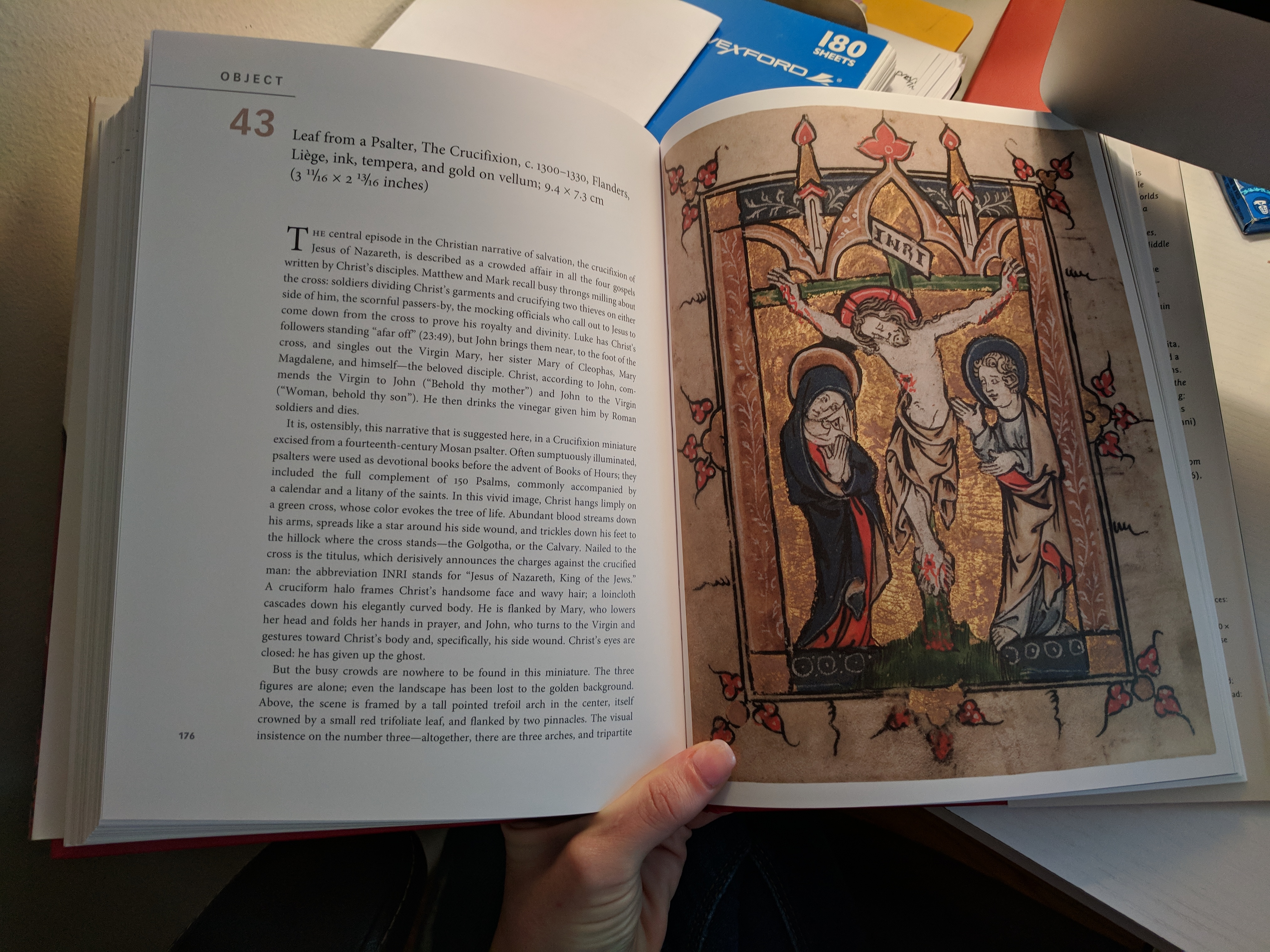
Objects are not just things “out there” but agents of history in every way. They are created for reasons ranging from utterly practical to outrageously frivolous—but always in ways that are particular to certain people and places at particular times. As they come into being and use, they carve out their own meanings and interact with other objects—and people. Consider the scene of the Crucifixion (Object 43): the bottom of the Cross depicted there has been touched by pious fingers and lips so many times that the paint and ink are smudged.
The Middle Ages was a culture of the senses. Think of the incense perfuming the air in places of worship (churches and mosques alike), the music of liturgy and entertainment, the visions of color and light afforded by manuscript illuminations, the taste of the Eucharist melting in the mouth, and the invitation to touch offered by ivory and alabaster. Considering objects in all their materiality opens a royal path to this rich and little-known culture of the past.

How did you narrow it down to just 50 objects?

We wanted to produce a book that would be both comprehensive and yet not overwhelming. We knew that each object we chose would be worthy of many pages of explanation, but we decided to limit ourselves there as well. The number 50 seemed a good solution: enough to cover several entangled cultures that had to be considered together in order to illuminate each one.

How would you describe working on this book? Was it a joyful experience?

Joy is the right word. The book almost wrote itself once we had decided on the themes and the objects that belonged to them. We generally worked in relay. Elina lit the torch, as it were, by focusing on the objects, teasing out the network of associations they triggered, visual discourses they tapped into, and the ways in which they were viewed in the past. Then it was Barbara’s turn to consider the larger context, wrapping each object in the intricate web of events, patrons, social needs, and religious uses that explained its creation and importance.

Why did you decide to balance the representation of objects used or cherished by the elites and those used or cherished by the non-elites?

There is no denying that medievalists have on-hand more material objects from the elites than from the non-elites. Patrons of the arts—both individuals and institutions—were normally wealthy, and we today prize the results of their largesse and taste—the astonishing delicacy of Books of Hours, emotionally evocative images of Saint John softly resting his head on Christ’s shoulder, or elegant tombstones made to mark the burial of pious Muslims. But it is also important to see and understand the material lives of others less well-to-do, for they represent the majority of people in every period. When we view an iron barbute (Object 37), we are brought into the world of the soldier.
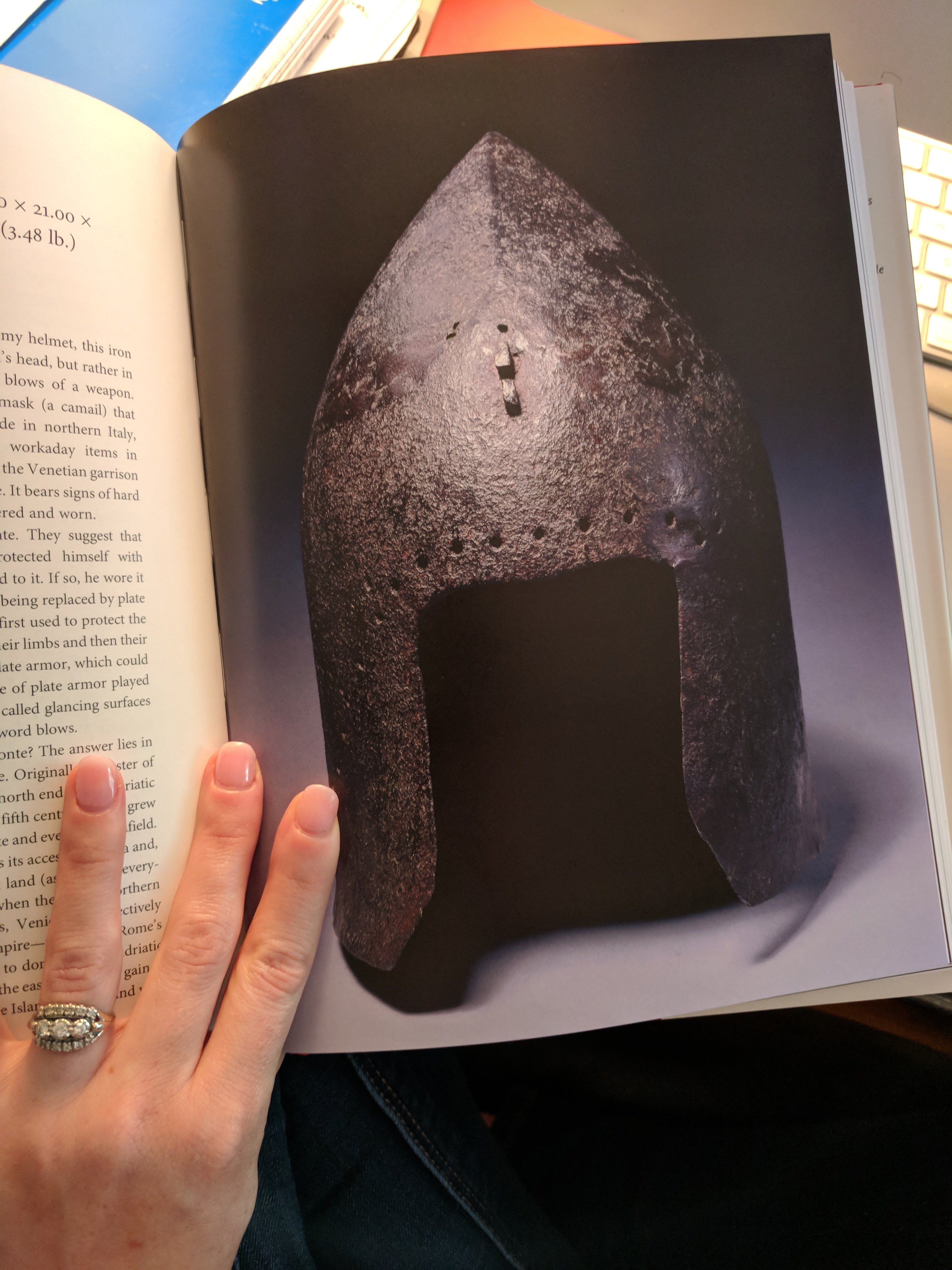
Barbute, 1350-1420, Northern Italy, iron

Its pits and dents remind us of the everyday dangers and hardships suffered by men in the Venetian army garrison at Negroponte. Negroponte? What was Venice doing there, 1,200 miles from home?  The barbute thrusts us into the thick of historical events, as Venice takes over an island that had long belonged to Byzantium. Surely, we must cherish it almost as much as the man whose life it protected.

I really enjoyed the way you divided the contents into four topic sections. Was it difficult to organize? What was your thinking behind dividing them in this way?

We didn’t want to do the West first, then the Islamic world, then Byzantium, or anything of that sort because those cultures were too intertwined to be conceptualized in that way. Nor did we want to divide the book by chronology, as if it were a textbook. We chose, rather, to work with themes that cut across the whole period and united all of the cultures.

Did any of the 50 objects surprise you or is there an object in the book you particularly liked learning about?

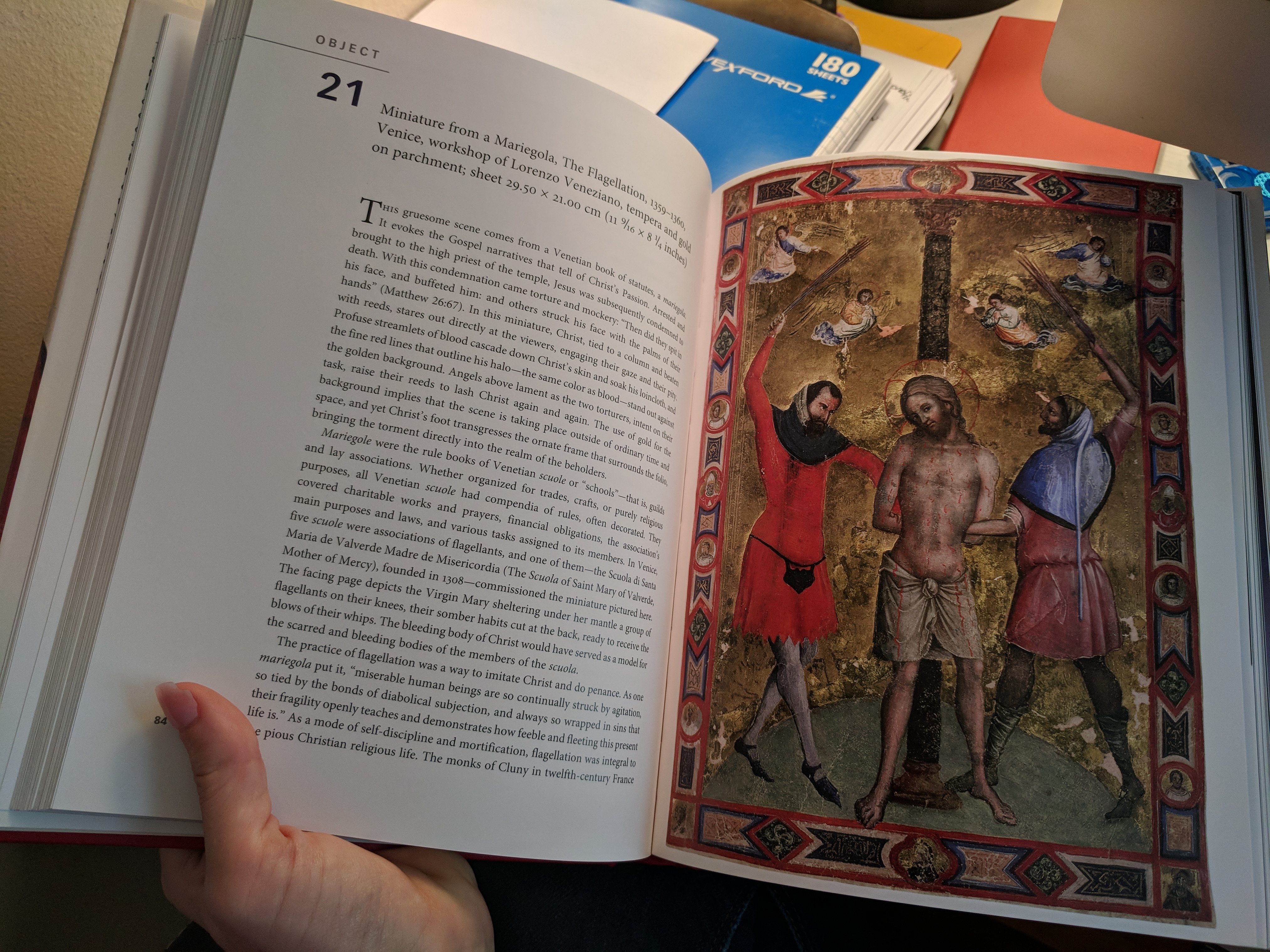
All of the objects turned out to have surprising twists and turns. But we especially enjoyed working on objects that opened up many different paths to explore. An example is the miniature from a Mariegola (Object 21), which required us to research Venetian guilds, anti-Jewish stereotypes, ideals of poverty, and the realities of untold wealth.
Can learning about objects from the Middle Ages help us better understand the objects of contemporary visual culture?

There is no question that sensitizing ourselves to the objects that mattered in the Middle Ages helps us understand our own. But beyond that, some of the same themes and uses have distant echoes today. This goes beyond obvious similarities, as for example the persisting image of the Crucifix. Consider depictions of Death as a skeleton (see Object 50) or contemporary gestures of prayer, which derive from the medieval practice (see the hands of the Virgin in Object 43).

If you could pick one or two objects from contemporary culture that you think future historians would find important, what would they be?

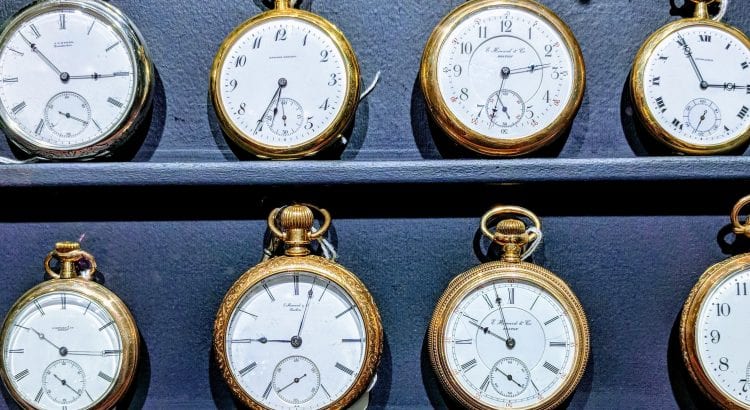
Barbara: I’d choose the Apple Watch, which is a fashion accessory, a practical conveyer of time and information, and a good symbol of our desire to be constantly in touch without touching.

Elina: I’d choose a pair of boots: shoes are always a powerful symbol of presence and loss, and the last century or so has been deeply fraught. Shoes are intimately tied to memory, often terribly so: the U.S. Holocaust Memorial Museum displays thousands of shoes, taken from the prisoners at the Majdanek concentration camp. Just two months ago, countless pairs of shoes were placed in front of the Capitolio in Puerto Rico, to mark the absence of men and women lost in Hurricane Mari and unaccounted for in the official death toll.

What has been inspiring you lately? Any books, music, podcasts, movies to recommend?

Barbara: In a small 12th-century church in Saint-Dyé, France, I heard an incredible concert that combined ancient instruments and songs with compositions by a living composer. The music worked together seamlessly, making the past present and the present past ways I could not have imagined. It was truly inspiring.

Elina: I am reading Paul Auster’s splendid “4321”—complex, sensitive, always stirring, dark at times, but somehow always jubilant. I’d recommend it without reservations.

If you could invite three people, living or dead, to a dinner party, who would they be and why?

Barbara: This is tough. I’d love to have a good dinner conversation with many people. But I guess I can narrow it down to one party in which the guests might compare notes and (let’s hope) learn from one another. I’d invite Xanthippe, Socrates’ wife, who was billed as a nasty shrew by Xenophon; Christine de Pizan, a late medieval feminist who supported herself and her family by writing witty books for wealthy patrons; and lastly Catherine Dickens, best known as the unhappy wife of Charles Dickens. My first question to them would be: What place should women have in society, and what attitudes, institutions, etc. would be required to get them there? And my second question: If you could choose a different time and place to live in, what would it be? If I dared I might pose a third: What do you think of the LGBTQIA movement, and what do you think it portends for gender relations in the future?

Elina: I’d invite Hildegard of Bingen, a 12th-century German visionary; Voltaire, an 18th-century French Enlightenment philosopher; and Andrei Voznesensky, an extraordinary Soviet/Russian poet, who died just a few years ago. I’d love to hear them talk about poetry, politics, and everything in between.

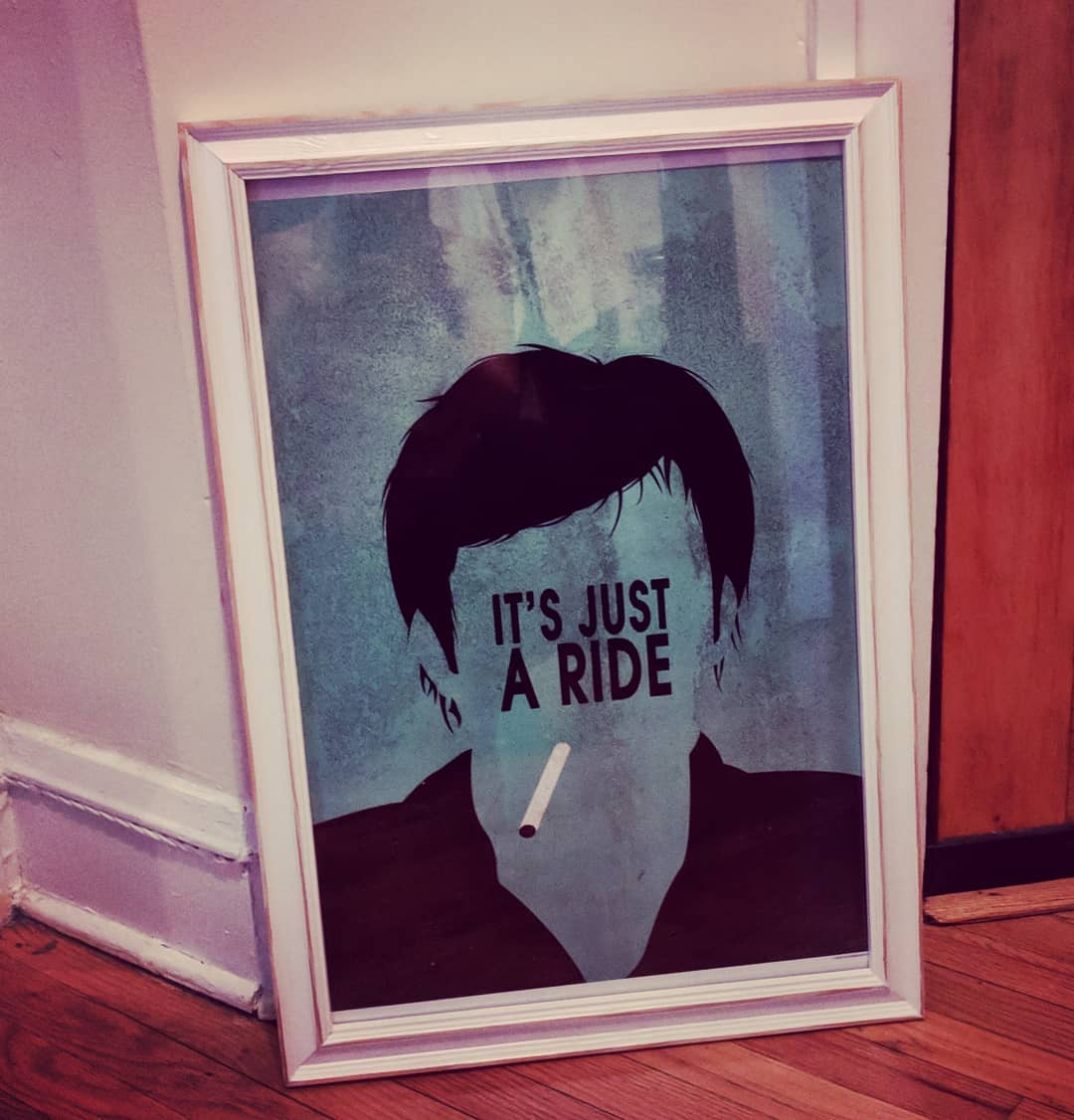
One anniversary tradition worth following

Justin and I celebrated our first anniversary yesterday! We went to the pool, napped, got a fancy dinner, and went to a movie (Spike Lee’s “BlackKklansman” is great!). The night before, I surprised Justin with an anniversary gift. We promised not to do gifts like this, but I couldn’t help myself. I generally think marriage is kind of dumb, but anniversaries are great! Traditionally, the first anniversary gift is paper. So I got him this print.

It symbolizes comedian Bill Hicks’ bit “It’s Just a Ride,” which was a reading at our ceremony. We both love this bit and try to live by its ethos of fearlessness. But that’s hard. Because I am afraid. All the time.  I‘m so scared and find more to be scared of every day. I‘m scared of you. Of me. Of loss, of regret, of giving of myself. Of the world and the universe and all their black holes.  I want to hold on to Justin (so brave in who he is and how he pushes me and how he sees the world) with my hands up (hands up!) until my ride’s up.

I think I’m also subconsciously getting new art for our apartment so his bachelor-era Rocky posters can go, ahem, somewhere/anywhere else. 😉

We also ate the top of our wedding cake, which we’ve kept in the freezer for the past year. It was so gross. The worst part of our day. Which, all things considered, means we had a pretty great one.

To many more. <3

“The world is like a ride in an amusement park, and when you choose to go on it you think it’s real because that’s how powerful our minds are. The ride goes up and down, around and around, it has thrills and chills, and it’s very brightly colored, and it’s very loud, and it’s fun for a while.

Many people have been on the ride a long time, and they begin to wonder, “Hey, is this real, or is this just a ride?” And other people have remembered, and they come back to us and say, “Hey, don’t worry; don’t be afraid, ever, because this is just a ride.”

And we … kill those people. “Shut him up! I’ve got a lot invested in this ride, shut him up! Look at my furrows of worry, look at my big bank account, and my family. This has to be real.” It’s just a ride.

But we always kill the good guys who try and tell us that, you ever notice that? And let the demons run amok … But it doesn’t matter, because it’s just a ride. And we can change it any time we want. It’s only a choice. No effort, no work, no job, no savings of money. Just a simple choice, right now, between fear and love.

The eyes of fear want you to put bigger locks on your doors, buy guns, close yourself off. The eyes of love instead see all of us as one. Here’s what we can do to change the world, right now, to a better ride.

Take all that money we spend on weapons and defenses each year and instead spend it feeding and clothing and educating the poor of the world, which it would pay for many times over, not one human being excluded, and we could explore space, together, both inner and outer, forever, in peace.” 


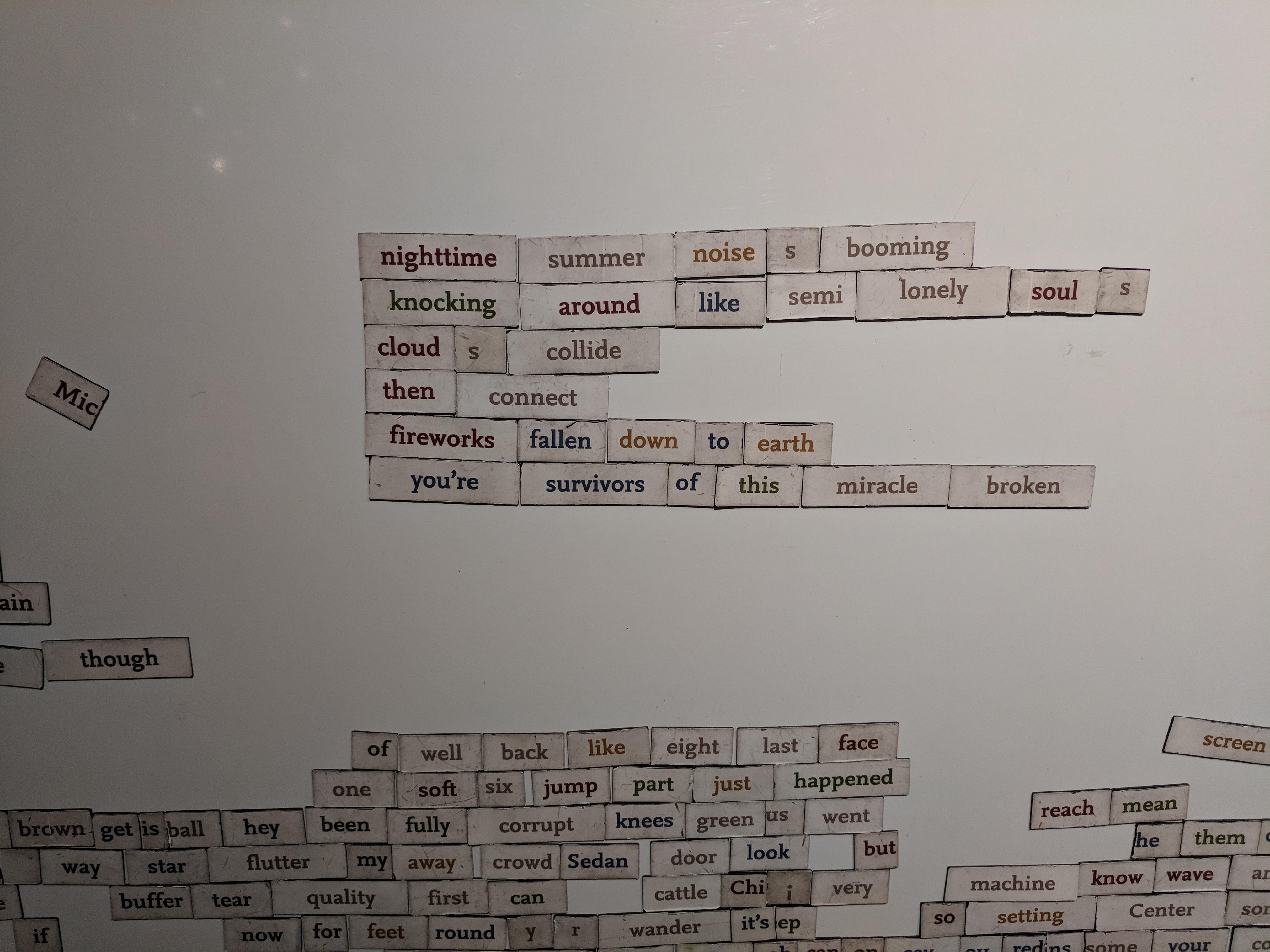
Saturday. In the park.

Puppies at brunch show off for bacon.

A boy, beautiful nose, bleached hair, skates by. Stops. Waits.

“Can I bum a cigarette?”

“Do you smoke while you roller blade?”

“Yes!”

Then, “Parliments. My favorite.”

A man, stinking clothes unwashed, rests by the fence framing the McDonald’s.

Then, “youlookbeautifultoday.”

Bikers chase cars. Cars chase time. Time chases all.

Children in wagons bump over the sidewalk, pinch the sunshine with their curious eyes.

Another man, laying on a bench in the park, streams “Big Shot” by Billy Joel from his phone and sings along. Beside him, his bald baby, rapt, watching.

Language can only convey so much. Sometimes it does just fine.

Three things that, much to my surprise, gave me goosebumps this week

Eminem’s verses on “Caterpillar”

I rely on Justin to keep me musically relevant and he played this song for me last night on our drive home from Denny’s (home of the 11:30 pm breakfast-skillet-sanity-saver). Eminem is a genius. His syncopation, cadence, rhyme, and god-like wit are on full display in this song. What a fucking writer.

Jen’s death scene on “Dawson’s Creek”

We finally finished the last season of “Dawson’s Creek” on Hulu following a binge of all the seasons. It was my first time watching any of it, but I knew (because I didn’t live under a rock in the early 2000s like I kind of do now) that Pacey gets the gal and Jen bites the dust.

That said, I think I would have cried at poor, lovely Jen’s death regardless, but goosebumps? That was courtesy how subtly, reverently they shot this. I love the choice to make the scene include only Jen and Grams in the room; a nod to the special relationship these two share and how, I think, Grams is really Jen’s soulmate, not Jack.

One final breath and a peaceful farewell while Grams is sleeping. It’s so soft, that goodbye from Jen. We don’t get to see her face full on through most of the scene, graciously giving us one last chance to see life from Jen’s perspective. And of course Grams knows immediately that Jen has died. Grams always knows. Grams carries Jennifer in her heart. “I’ll see you soon, child.” So gentle and loving a send off. So perfect for these two.

Bravo, 20 years later. Holds up.

The robot dress in “McQueen” the documentary

In an attempt to get as much out of our Movie Passes as possible before it goes popcorn-stuffed-belly up, we’ve been seeing a lot of movies lately, including “McQueen,” the visual feasty documentary about poor English boy turned fashion world icon Alexander McQueen.
1) Yes, go see it. 2) Justin and I both were a bit surprised when I reacted so physically to the robot dress scene from his 1999 runway show. I started CRYING and, of course, had the aforementioned goosebumps. It was surprising because there was no real lead-up to this footage; it wasn’t supposed to be this super emotional moment. But it was for me and I’ve been trying to figure out why.

Here’s what I’ve landed on: This robot spray paint dress finale happened in the midst of the Y2K scare, thus, everyone kind of saw these robots as menacing the model and destroying her virginal gown. But when I watched it, I thought it was so hopeful! The robots dance with the model, learn to move with her and try to learn her language, and then they add something to her experience. Sure, what they do to her dress is messy and has an underlying violence to it, but I see in this choice McQueen’s optimism, his openness, his ability to find something beautiful in the darkest places. Contrast that with his last runway show, “Plato’s Atlantis,” right before his suicide in 2010. The “robots” of that famous show were cameras that moved in front of the audience and in front of the models; watching, waiting, judging with a lens. In those robots, the violence was clear, the battle lines drawn, the hope gone. We should have known then the tragedy to come.

Seven things I’m loving this month

The “Sorry to Bother You” soundtrack

Listen here. Go see the movie, too! So absurd. So perfect.

This scene and dialogue from “Peaky Blinders”

I finally caught up on the latest season (it came out last December). Despite the novel-esque length of each episode, I finished it in two days because I’m obsessed with all these characters (once, of course, I remember they exist in my magic TV box and are poised for viewing pleasure).

Anyway, this scene, where our fave anti-hero goes on a vacation only to find rest does not suit him or his repressed PTSD/ anxiety/ depression/ devils, gave me goosebumps. It’s set to Radiohead’s “Pyramid Song,” which is perfectly haunting for a clip of man left alone with nothing but his terrible thoughts.

One line, though, is what really did me in. When Tommy’s housekeeper asks him if he’s alright, says he doesn’t look good, Tommy responds: “I know what this is. It’s just myself talking to myself about myself.” Never have I heard a more perfect description of the downward spiral.

Band-Aids by Oh Joy!

So, Radiohead for the mental wounds, these cute lil guys for the physical ones. The limited edition line is sold at Target and features the colorful work of one of my favorite design bloggers, Oh Joy!

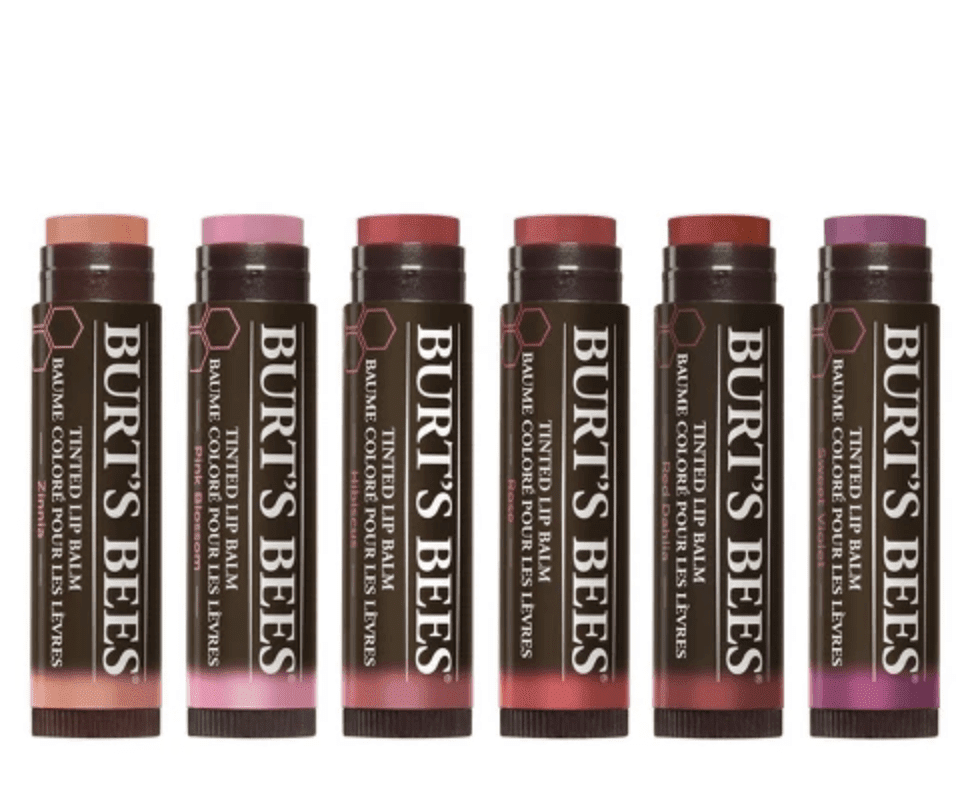
Burt’s Bees tinted lip balm in Red Dahila

Perfect for melty hot days, when you need a pop of color that won’t dry out. It looks much more natural than a lipstick and keeps your kisser smooth. More color ways here.

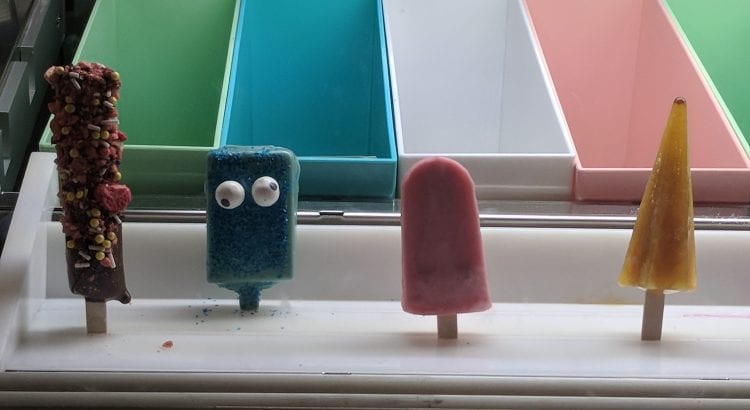
Pretty Cool popsicles in Logan’s Square

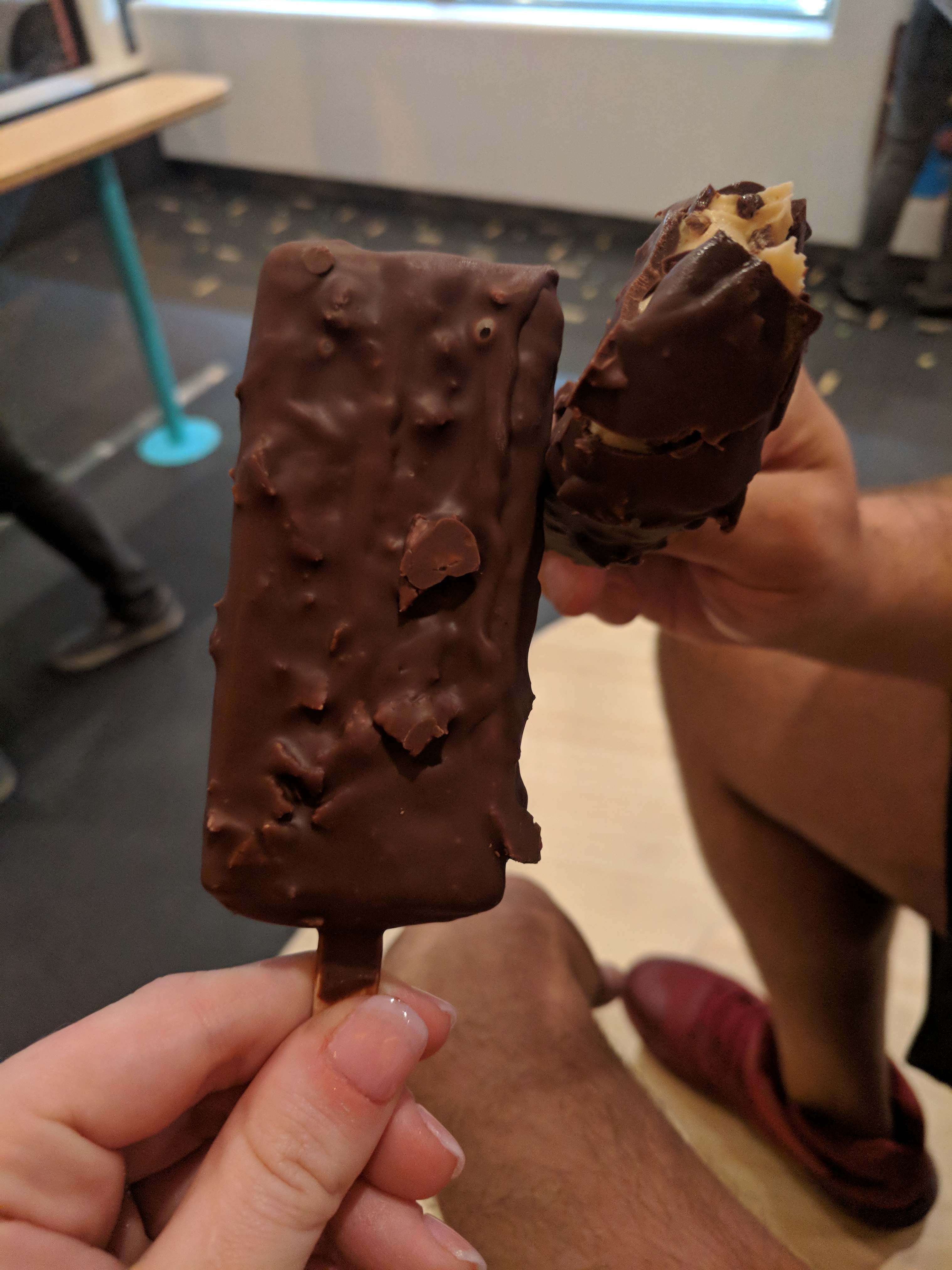
This new novelty shop opened earlier this month. I tried the stick-ified peanut butter ice cream dipped in chocolate and crushed potato chips. Yeah, it was as good as it sounds.

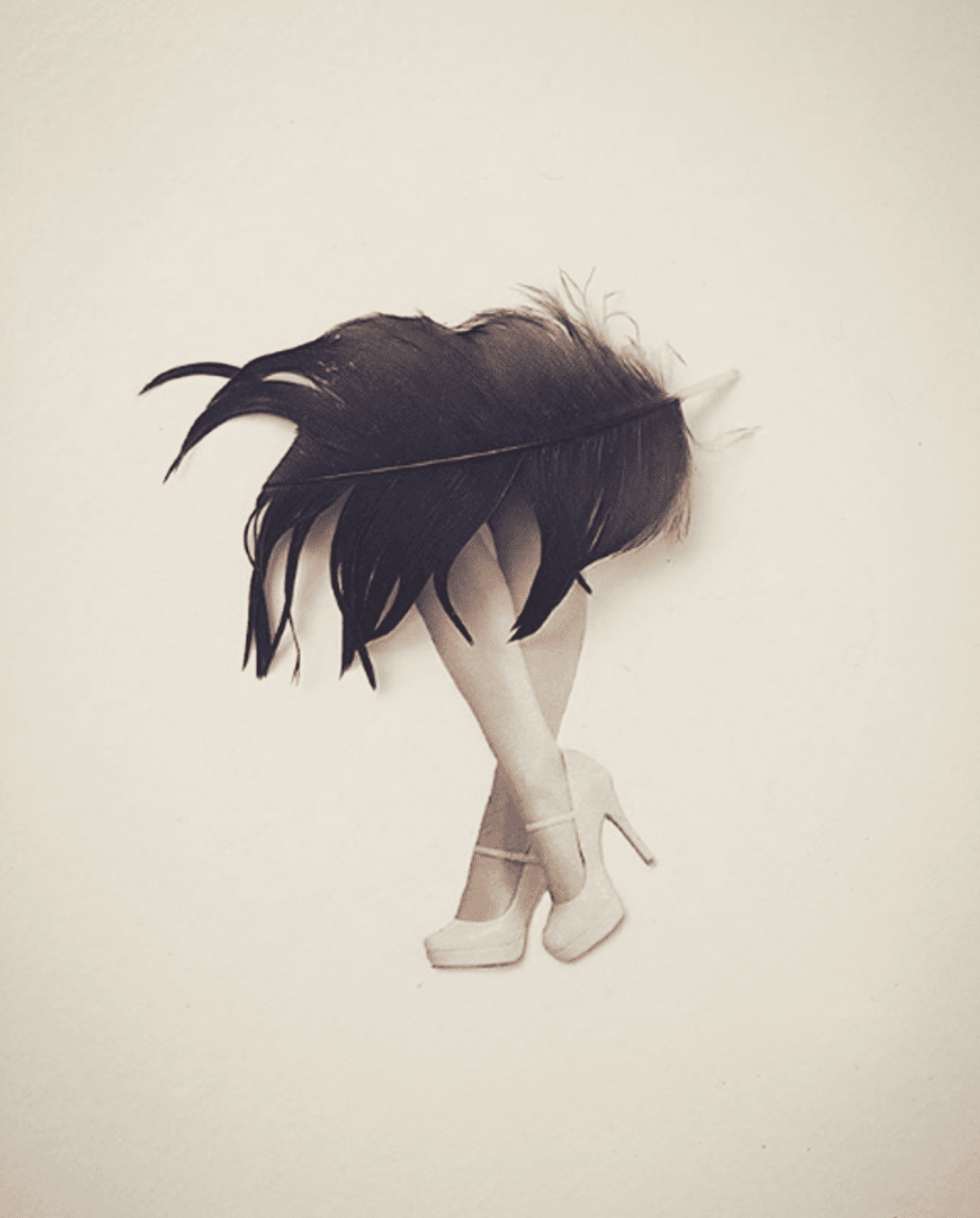
The art of Small Ditch

Go follow @smallditch on Instagram to see the most adorable and clever reinterpretations of found nature into fashion shots. (Thanks, Jealous Curator, as always, for the hookup.)

“The Magic of Not Giving a Fuck” speech by Sarah Knight

I prescribe one viewing each morning. To be watched as many times as necessary.

The best quotes from “Solitude of Self” by Elizabeth Cady Stanton

I have bookmarked this speech ECS gave at the Committee of the Judiciary of the US Congress on January 18, 1892. I find it most useful during, of all things, my super-blue days. Her wisdom and identification about the realities of the solitude of self, and her unintentional reminder that I am capable and free to help myself (a privilege people like ECS fought hard for) help pull me out of the black holes that are my bad days. I recently re-read the speech and thought I’d share some of my favorite parts. Read the full text here, you sweet-beautiful-captain-of-your-own-ship.

First of all, let’s imagine a world where women are ppl, mmk?

“In discussing the rights of woman, we are to consider, first, what belongs to her as an individual, in a world of her own, the arbiter of her own destiny, an imaginary Robinson Crusoe with her woman Friday on a solitary island. Her rights under such circumstances are to use all her faculties for her own safety and happiness.”

Because she is (surprise, wig boy!) a real person, woman is responsible for making herself complete and happy

“…as a woman, an equal factor in civilization, her rights and duties are still the same—individual happiness and development.”

To survive the implicit solitude of self, every person needs the right to choose

“The isolation of every human soul and the necessity of self-dependence must give each individual the right to choose his own surroundings.”

Education helps save us from fear

“The strongest reason for giving woman all the opportunities for higher education, for the full development of her faculties, forces of mind and body; for giving her the most enlarged freedom of thought and action; a complete emancipation from all forms of bondage, of custom, dependence, superstition; from all the crippling influences of fear, is the solitude and personal responsibility of her own individual life.”

Men can’t protect women from certain things, things like the solitude of self

“No matter how much women prefer to lean, to be protected and supported, nor how much men desire to have them do so, they must make the voyage of life alone, and for safety in an emergency they must know something of the laws of navigation.”

You are a beautiful precious snowflake… so you are responsible for making sure you do not melt

“Nature never repeats herself, and the possibilities of one human soul will never be found in another.”

Our internal lives can never be fully revealed

“In youth our most bitter disappointment, our brightest hopes and ambitions are known only to ourselves; even our friendship and love we never fully share with another; there is something of every passion in every situation we conceal. Even so in our triumphs and our defeats.”

Self-actualization is an inalienable human right

“To throw obstacles in the way of a complete education is like putting out the eyes; to deny the rights of property, like cutting off the hands.”

Being a wife or mother is hard as fuck too

“The young wife and mother, at the head of some establishment with a kind husband to shield her from the adverse winds of life, with wealth, fortune and position, has a certain harbor of safety, secure against the ordinary ills of life. But to manage a household, have a desirable influence in society, keep her friends and the affections of her husband, train her children and servants well, she must have rare common sense, wisdom, diplomacy, and a knowledge of human nature. To do all this she needs the cardinal virtues and the strong points of character that the most successful statesman possesses.”

Taking responsibility for your life is empowering

“Nothing strengthens the judgment and quickens the conscience like individual responsibility. Nothing adds such dignity to character as the recognition of one’s self-sovereignty; the right to an equal place, everywhere conceded; a place earned by personal merit, not an artificial attainment, by inheritance, wealth, family, and position.”

Even if protected, a person faces “fierce storms of life”

“The talk of sheltering woman from the fierce storms of life is the sheerest mockery, for they beat on her from every point of the compass, just as they do on man, and with more fatal results, for he has been trained to protect himself, to resist, to conquer.”

Identity politics don’t matter in the realm of self

“Rich and poor, intelligent and ignorant, wise and foolish, virtuous and vicious, man and woman, it is ever the same, each soul must depend wholly on itself.”

Making yourself a stronger, smarter person is necessary for survival and self-respect

“But when all artificial trammels are removed, and women are
 recognized as individuals, responsible for their own environments, thoroughly educated for all positions in life they may be called to fill; with all the resources in themselves that liberal thought and broad culture can give; guided by their own conscience and judgment; trained to self-protection by a healthy development of the muscular system and skill in the use of weapons of defense, and stimulated to self-support by a knowledge of the business world and the pleasure that pecuniary independence must ever give; when women are trained in this way they will, in a measure, be fitted for those hours of solitude that come alike to all, whether prepared or otherwise.”

Equal opportunity for all, mothafuckas!

“The chief reason for opening to every soul the doors to the whole round of human duties and pleasures is the individual development thus attained, the resources thus provided under all circumstances to mitigate the solitude that at times must come to everyone.”

“We see reason sufficient in the outer conditions of human beings for individual liberty and development, but when we consider the self-dependence of every human soul we see the need of courage, judgment, and the exercise of every faculty of mind and body, strengthened and developed by use, in woman as well as man.”


My list of books to read this month

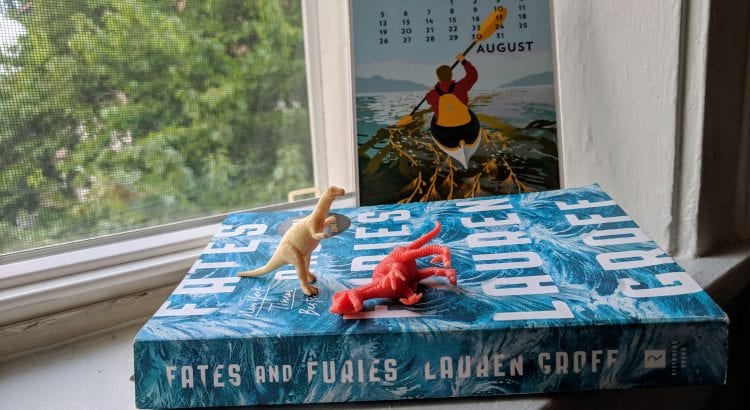
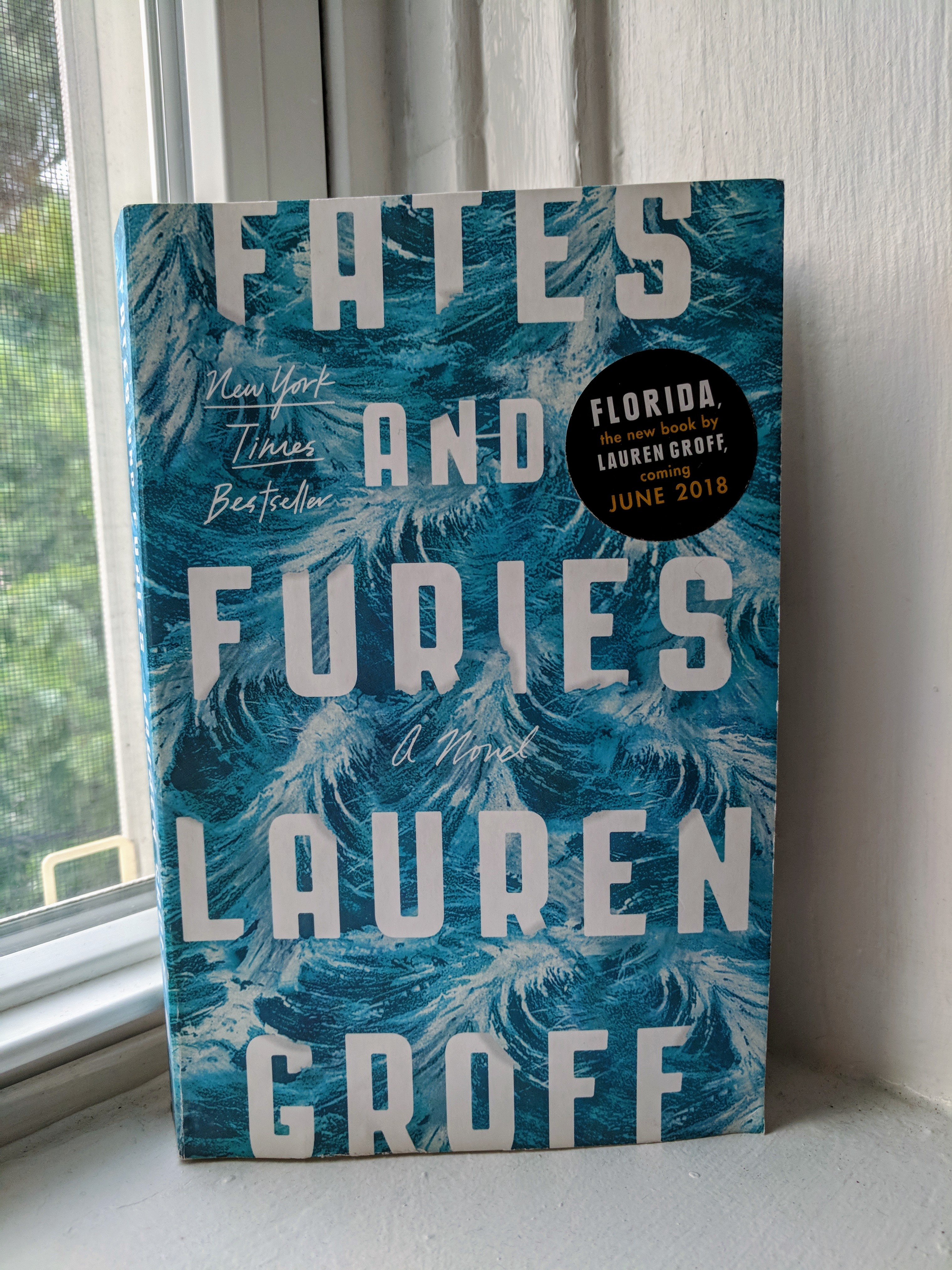
“Fates And Furies”

By Lauren Groff

This boooook. <3 <3 <3

It’s overflowing with the most beautiful three- to four-word sentences I’ve ever read. I want to wear Lauren Groff’s writing around me like a silk robe.

A masterpiece of innovative narrative structure, “Fates and Furies” is broken into two sections. First, we meet the husband of a marriage. Second, we grow to understand his complicated wife. The revelations unfold like a flower in bloom, and it all moves so quickly, as if you are in a dream, and I could write a 10-page English lit paper on its symbolic use of birds, land, and water. This one will hurt when I finish because that means there’s no more “Fates and Furies” left to read.

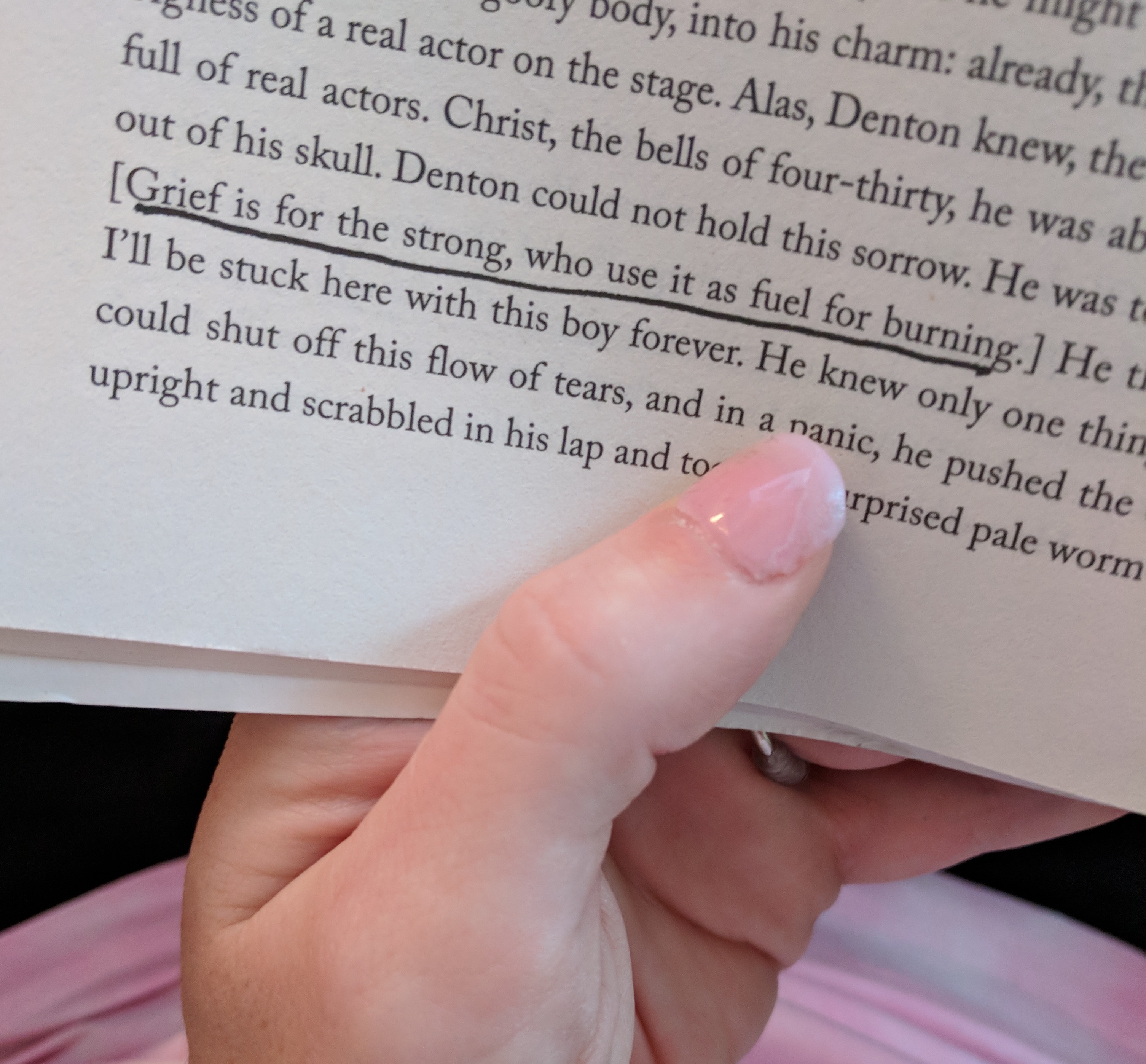
Bracket copy sprinkled throughout. Insights from the muses. The fates themselves. Brilliant.

The book is a few years old, but it called to me like a siren from a bookshelf in the basement of the State Street Macy’s. I was dicking around while Justin tried on tracksuits, because this is 32.

Groff’s newest book, “Florida,” came out in June. So guess what will be on my list of books to read in September?

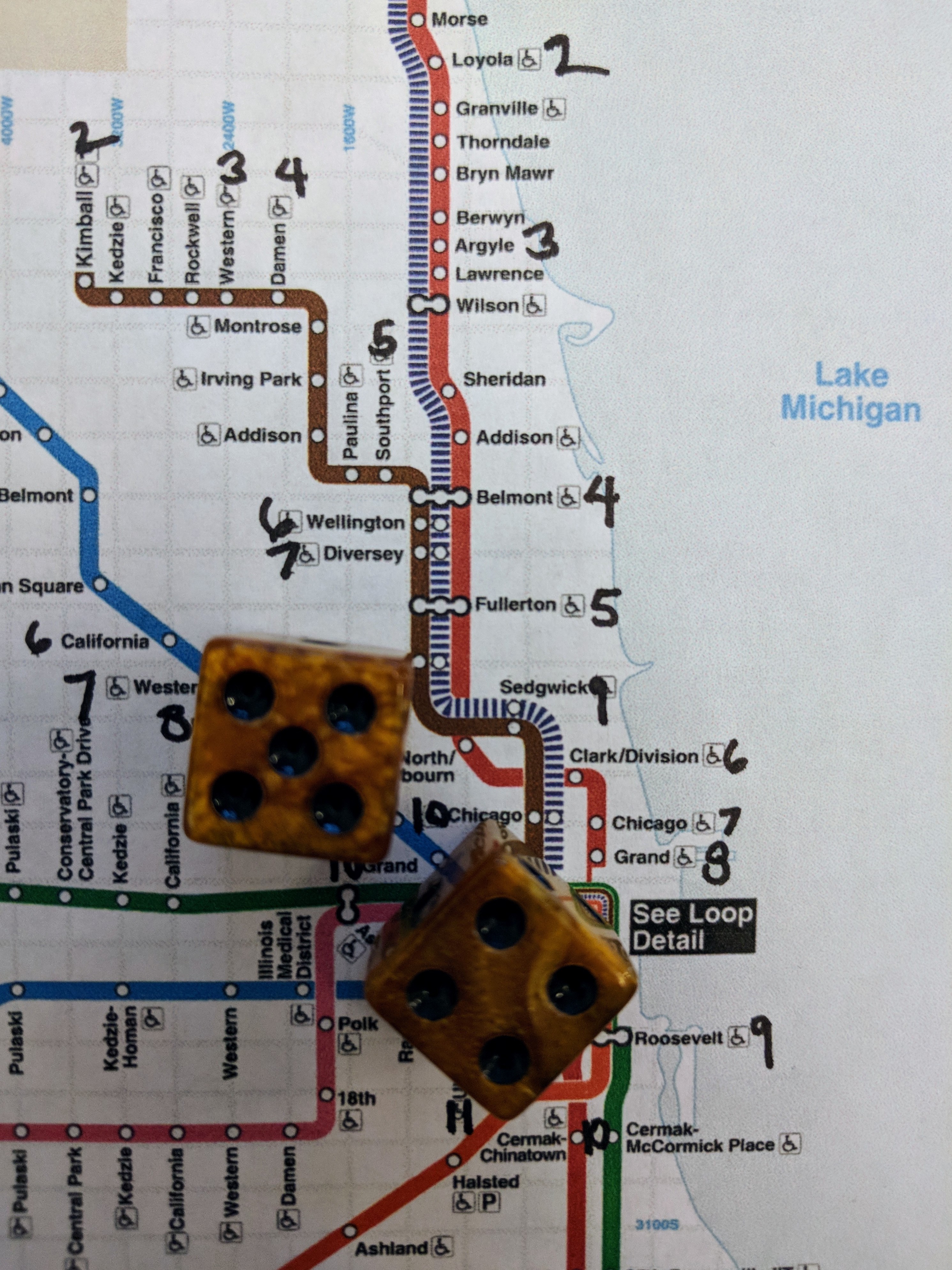
#The10to10: Brown 9 to Sedgwick

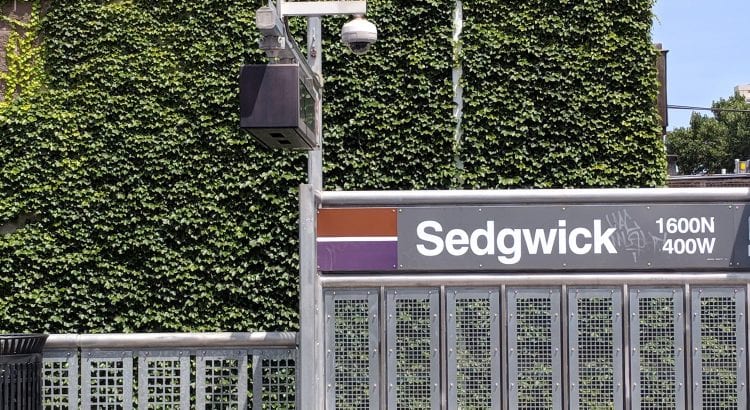
Justin and I played our second round of #The10to10 last week! He drew brown, rolled 9, which led us to the brown line Sedgwick stop.

Here’s what we found.

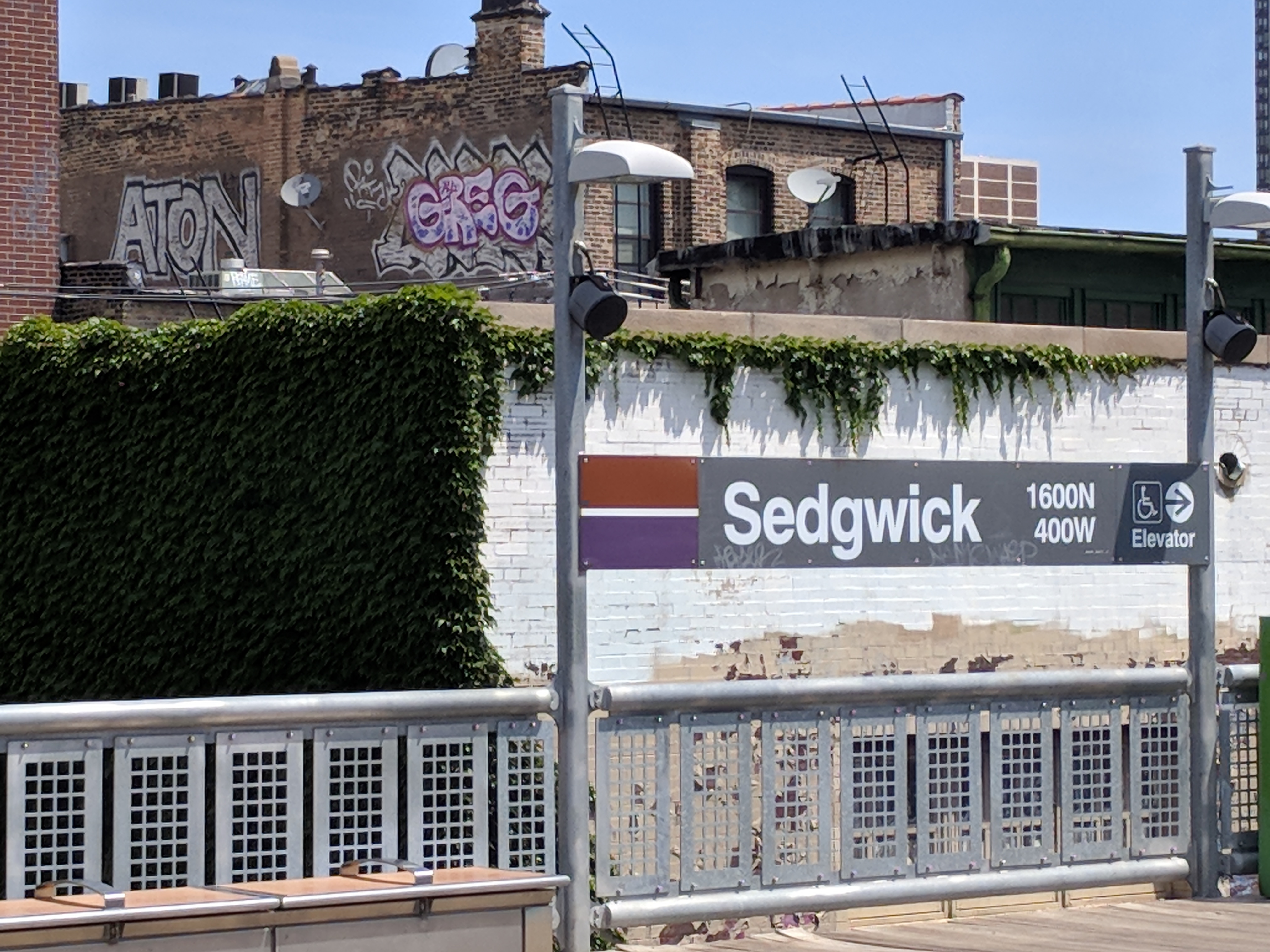
BROWN LINE SEDGWICK STOP

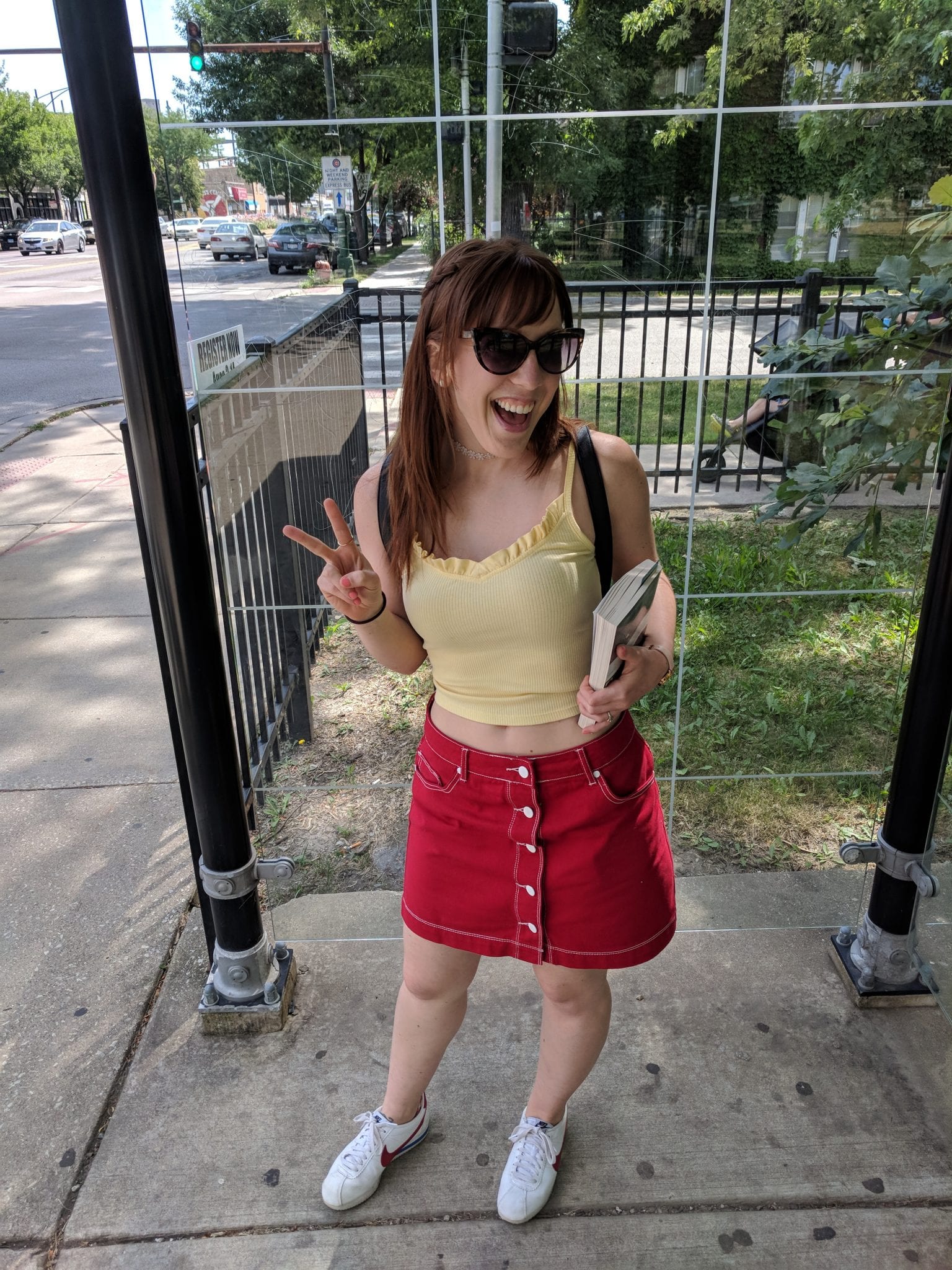
  • Take a ribbing from your partner that you brought a book to read on the bus ride to the L
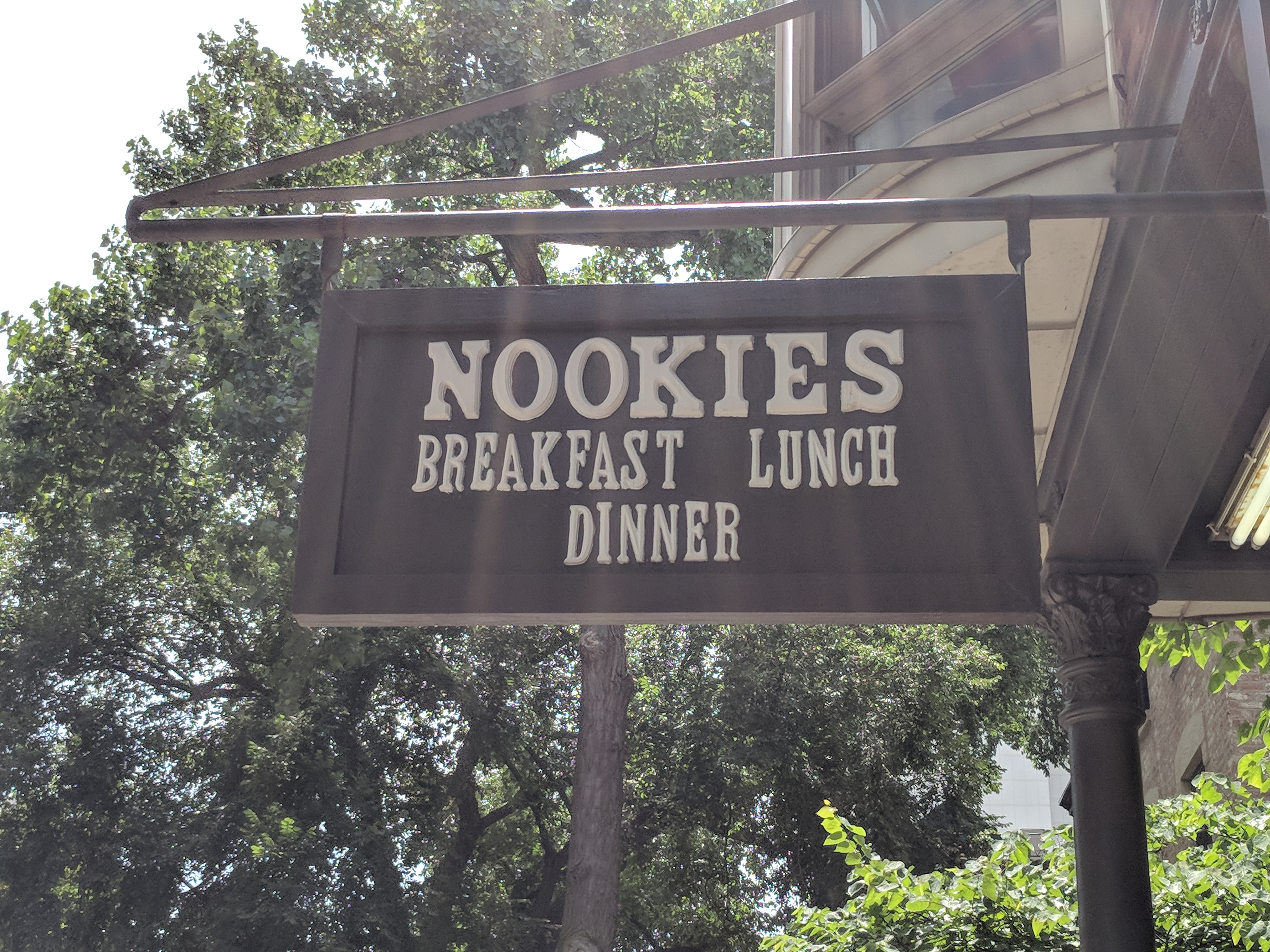
  • Fuel up at Nookies, a cute, spacious breakfast spot unafraid of serving chili on eggs
  • Head eastward and stumble upon Green City Market
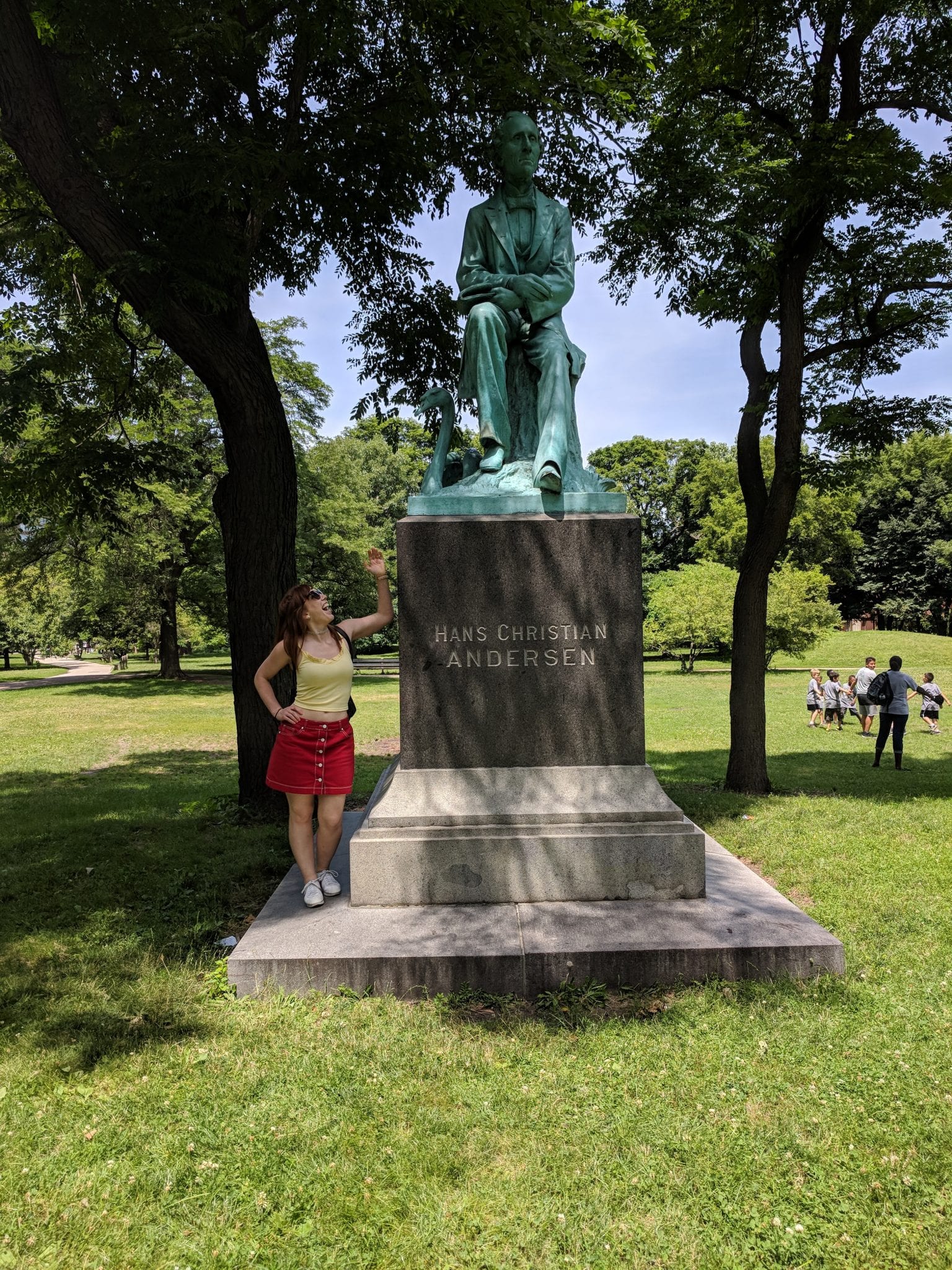
  • Keep walking until you hit the free Lincoln Park Zoo, on your way, snap a pic with Hans Christian Andersen, writer of childhood dreams/ nightmares
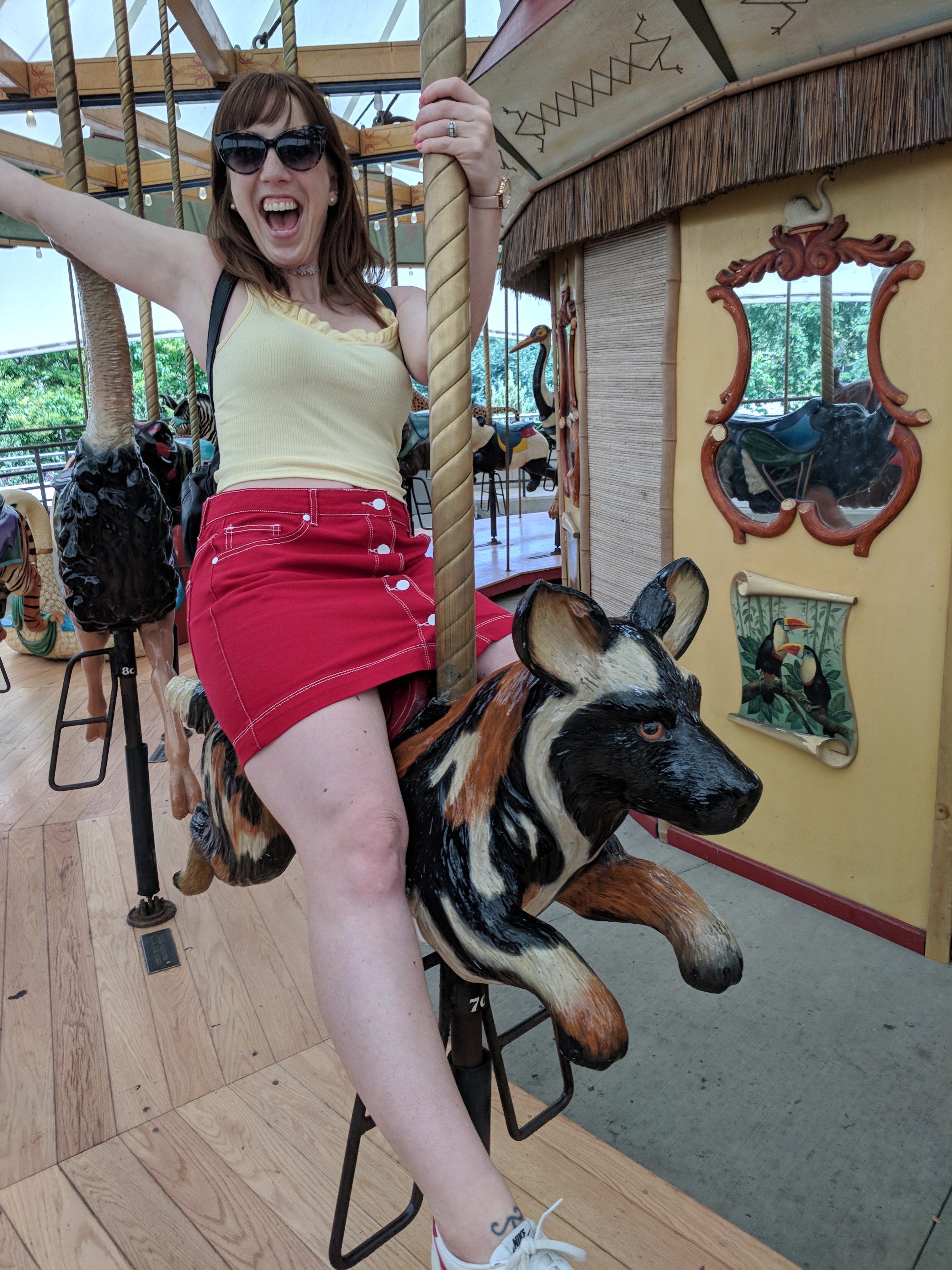
  • Ride the 3D underwater simulator and the carousel (yes, even in a skirt!) at the Lincoln Park Zoo 
  • Take in the view at the Lincoln Park nature boardwalk
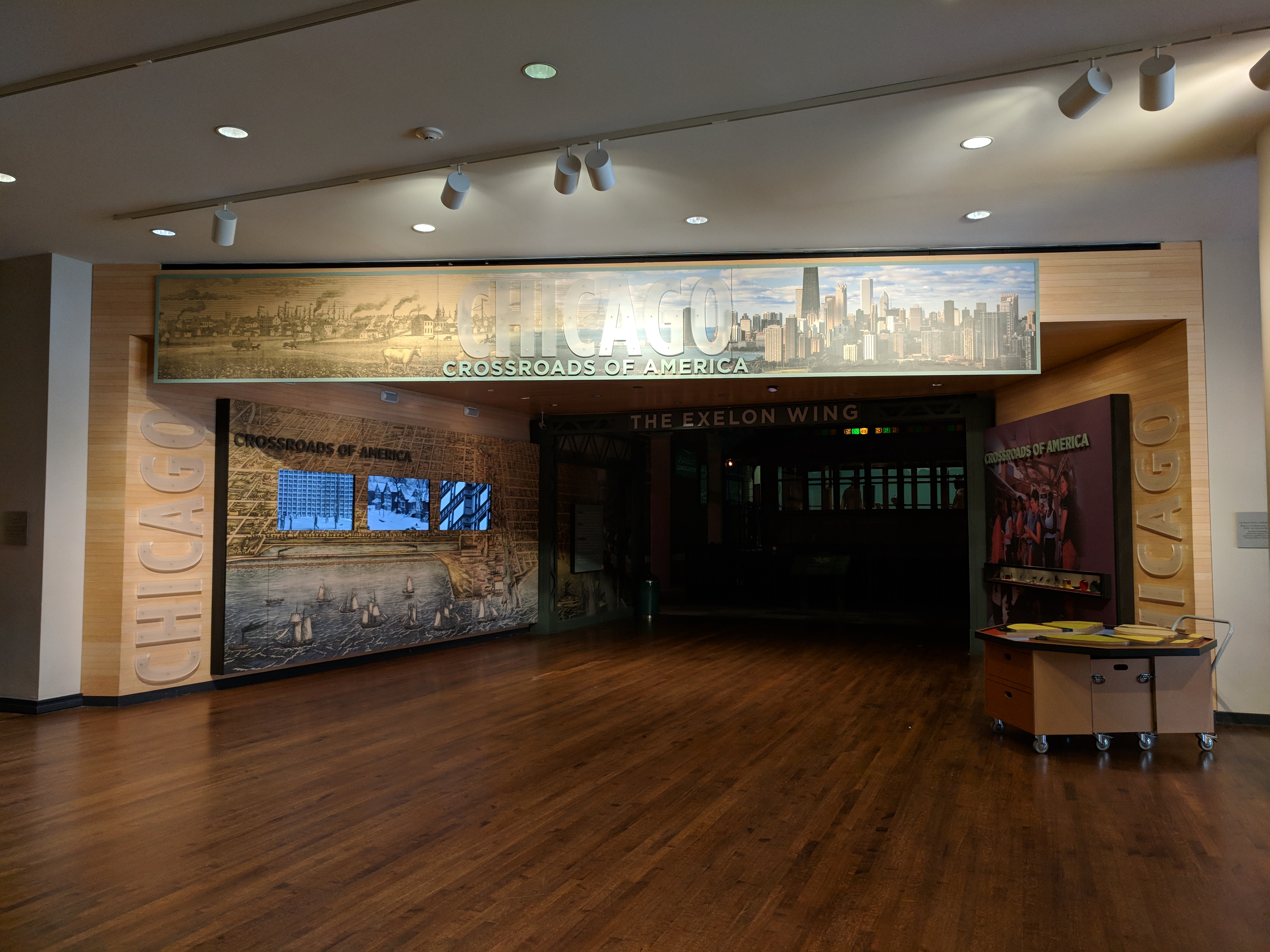
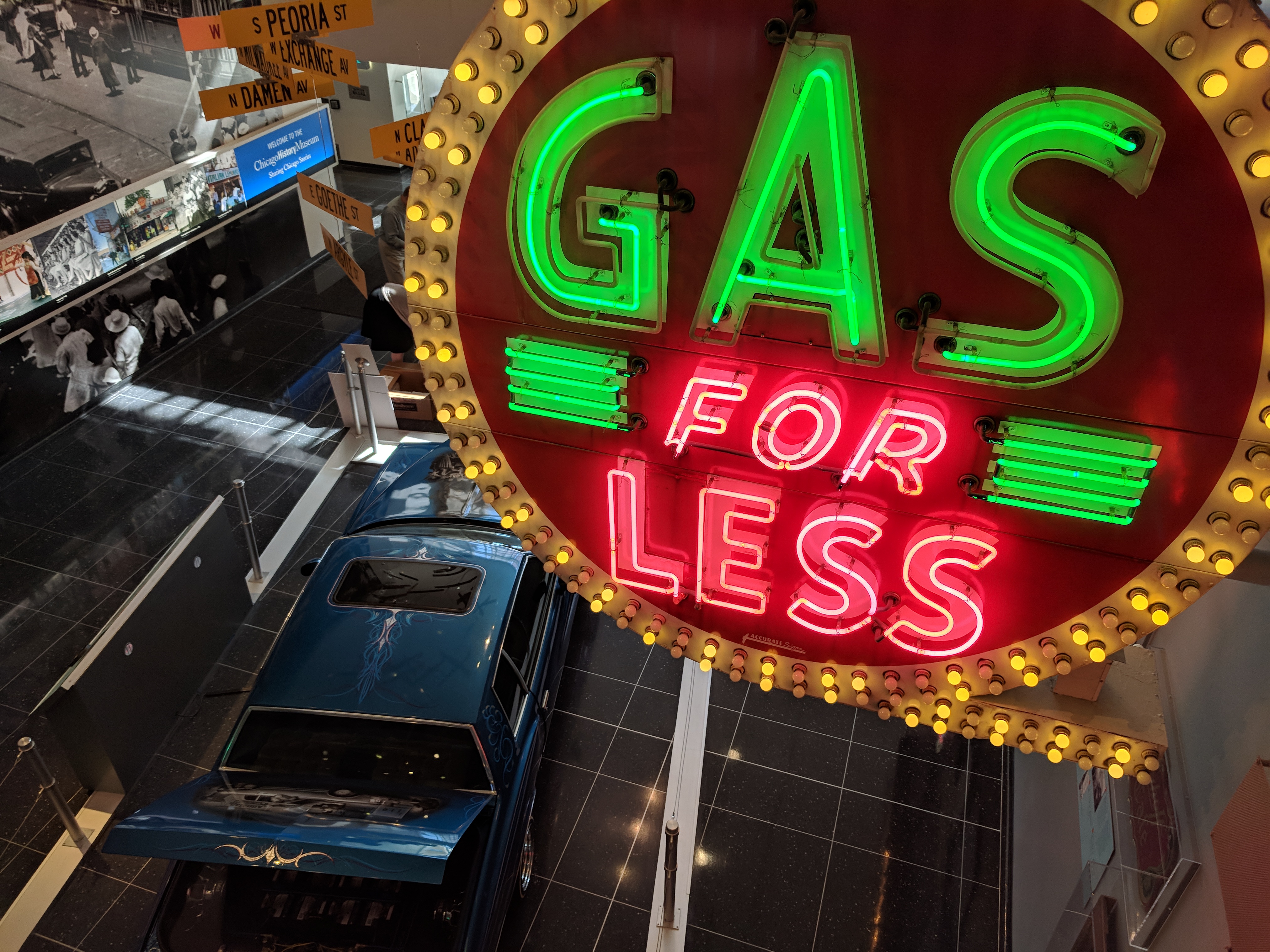
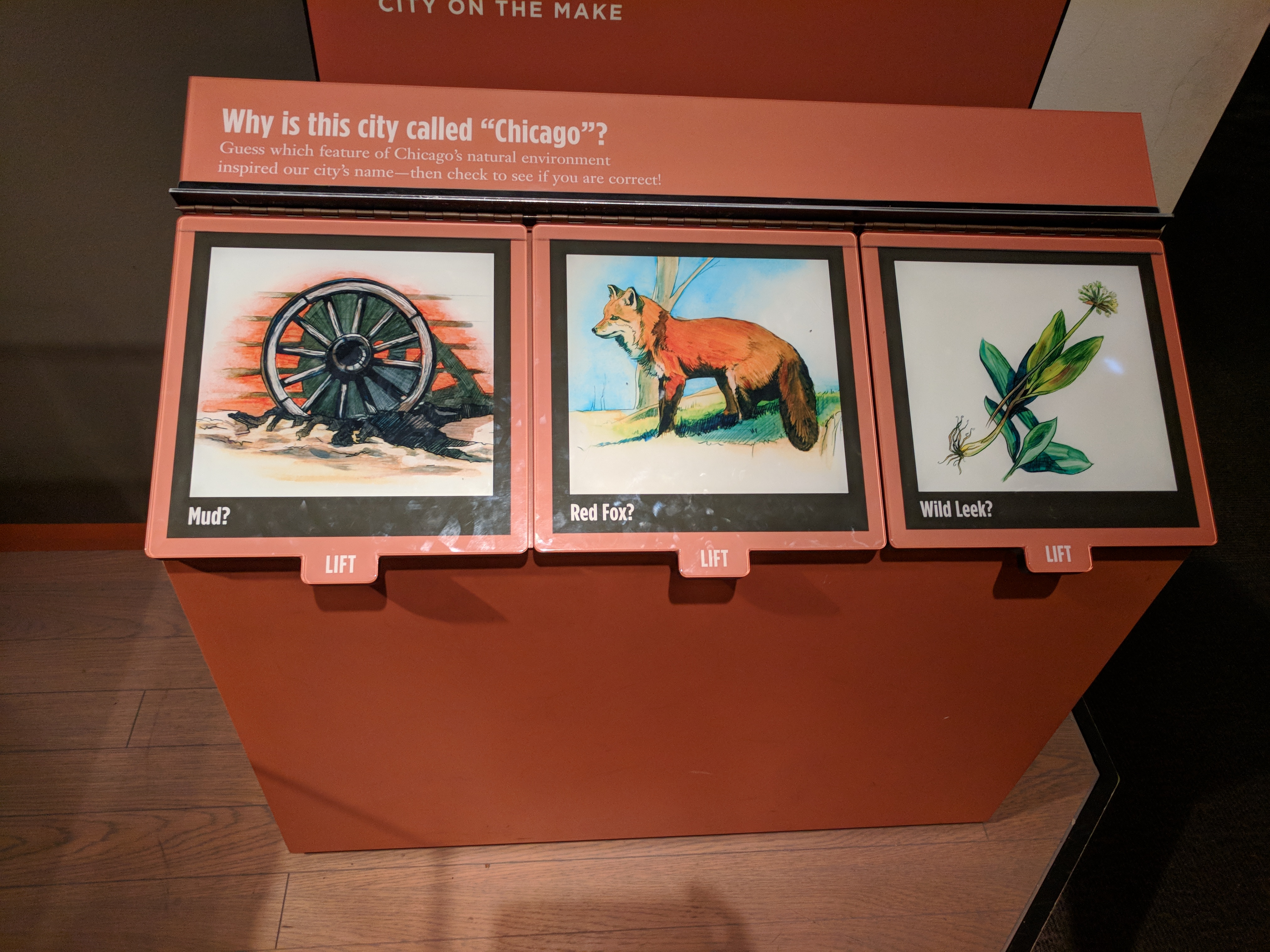
  • Stop by the Chicago History Museum and feed your brain with famous stories about Chicago, social movements, and so much more
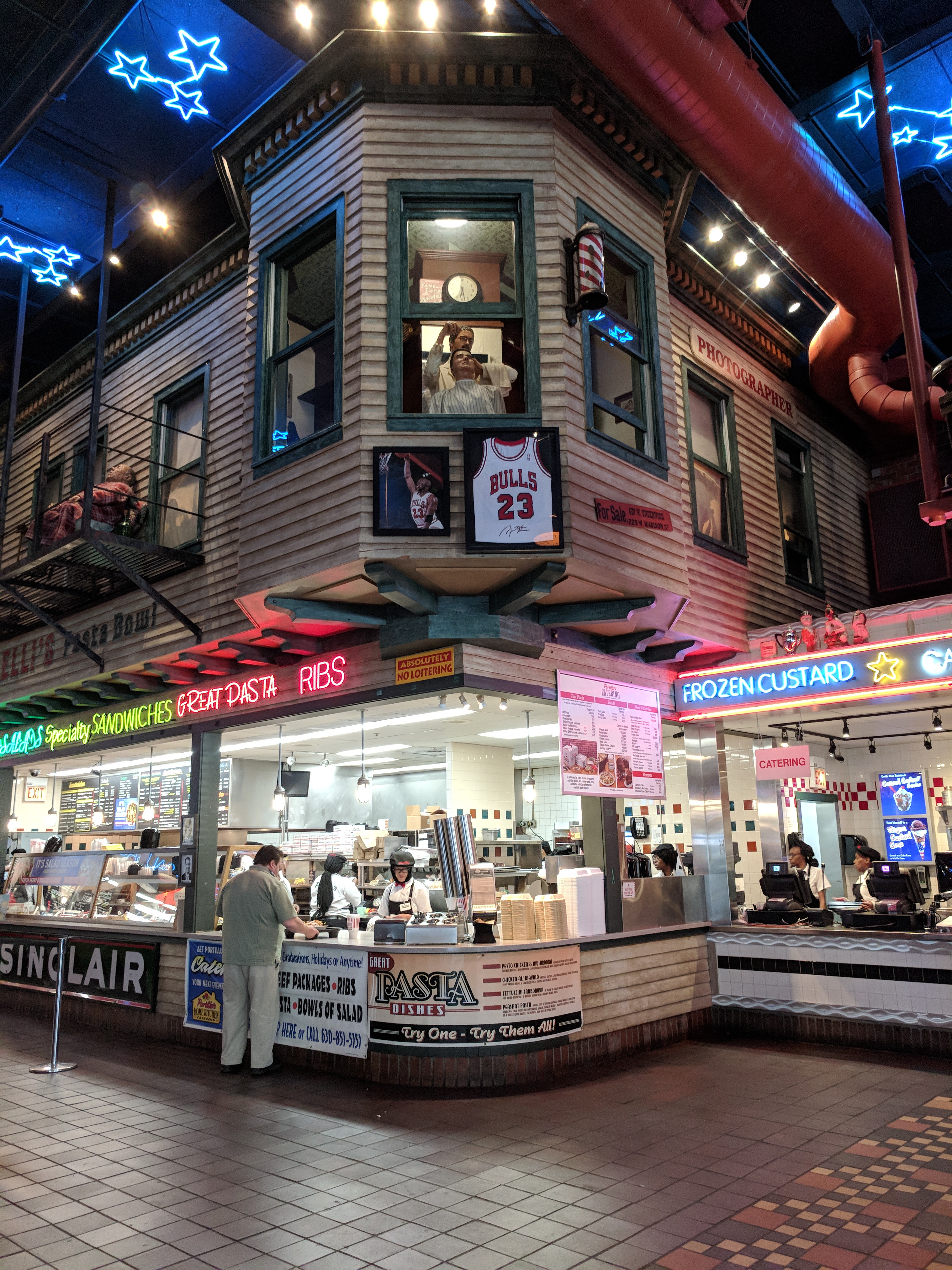
  • Take two Divvy bikes (we use this app to find our bikes!) via side streets to Portillo’s and feed your tummy with famous cased meats
  • Take the bus up to Lincoln Park for aggression release by way of Bad Axe Throwing
  • Take a million photos of you and the axe that you landed in the bullseye because it’s pretty much guaranteed you will not even hit the board after you do that no matter how many times you try (No? Just me?)
  • Get a glazed donut at Stan’s, because battle axe throwing is tiring
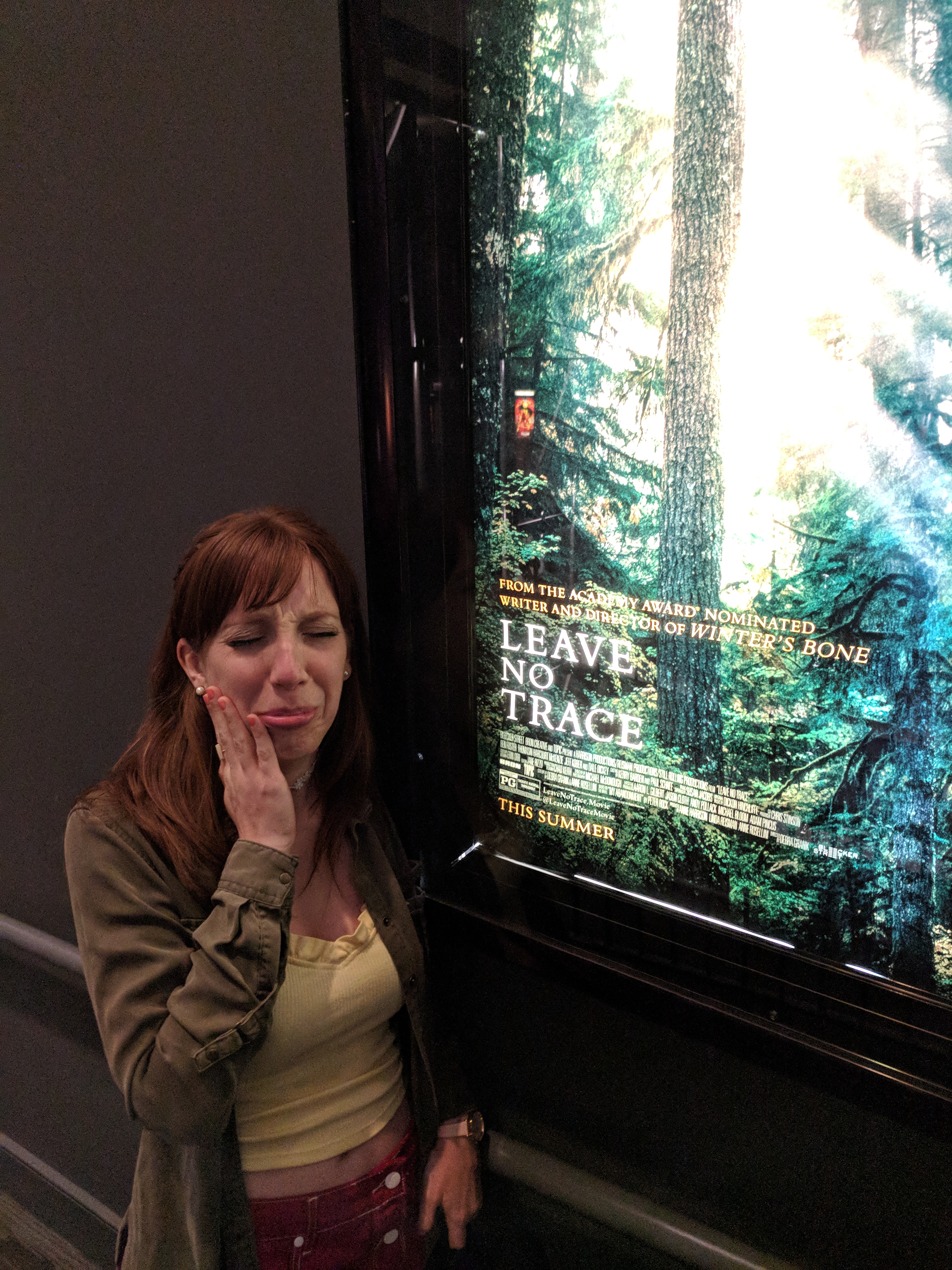
  • Watch a movie at Century theater, located in the same building as axe throwing (This has proven to be our go-to ending for #The10to10 days. Perhaps we were a bit ambitious trying to stay out and about for 12 hours straight. We’re always beat the next day. So, spending the last two hours in a dark air conditioned theater has proven an excellent decision. This time we watched “Leave No Trace.” I cried a lot and am recommending it to everyone now, including you.)

P.S. Here’s a PDF of a customizable #The10to10 map so you can create your own version! I guess this game could work for bus lines or highway exits, too! Whatever you’re down to explore.

P.P.S. If you want to play with lo-class dice like ours, just shoot me a message! We can send you a pair in your fave color: red, brown, purple, blue, or green.

The 1% you can actually control

I keep listening to this speech by writer James Clear from the 2017 Craft + Commerce conference. In it, he gives great advice for staying productive throughout the work week. For example, he has his assistant change his social media passwords every Monday so he can’t log in (and, thus, be totally distracted) until the weekend. I know most of us don’t have personal assistants, but we do have opposable thumbs that can turn off our phones during precious writing hours. But the most meaningful aspect of his talk is how succinctly he puts something we all know instinctually but don’t act on realistically: If you get 1% better at whatever you’re working on every day, you’re going to be in a much better place after a year has passed.

Whenever I get down on myself about not accomplishing enough in regards to a pressing deadline whose harbor I’m about to crash into, I remember this speech and I’ll ask myself, “Am I 1% closer to my goal? Is what I did today 1% better than what I did yesterday?” The answers are usually yes and yes. And that’s a win.
What are you doing today to make yourself 1% better or push your project 1% forward?