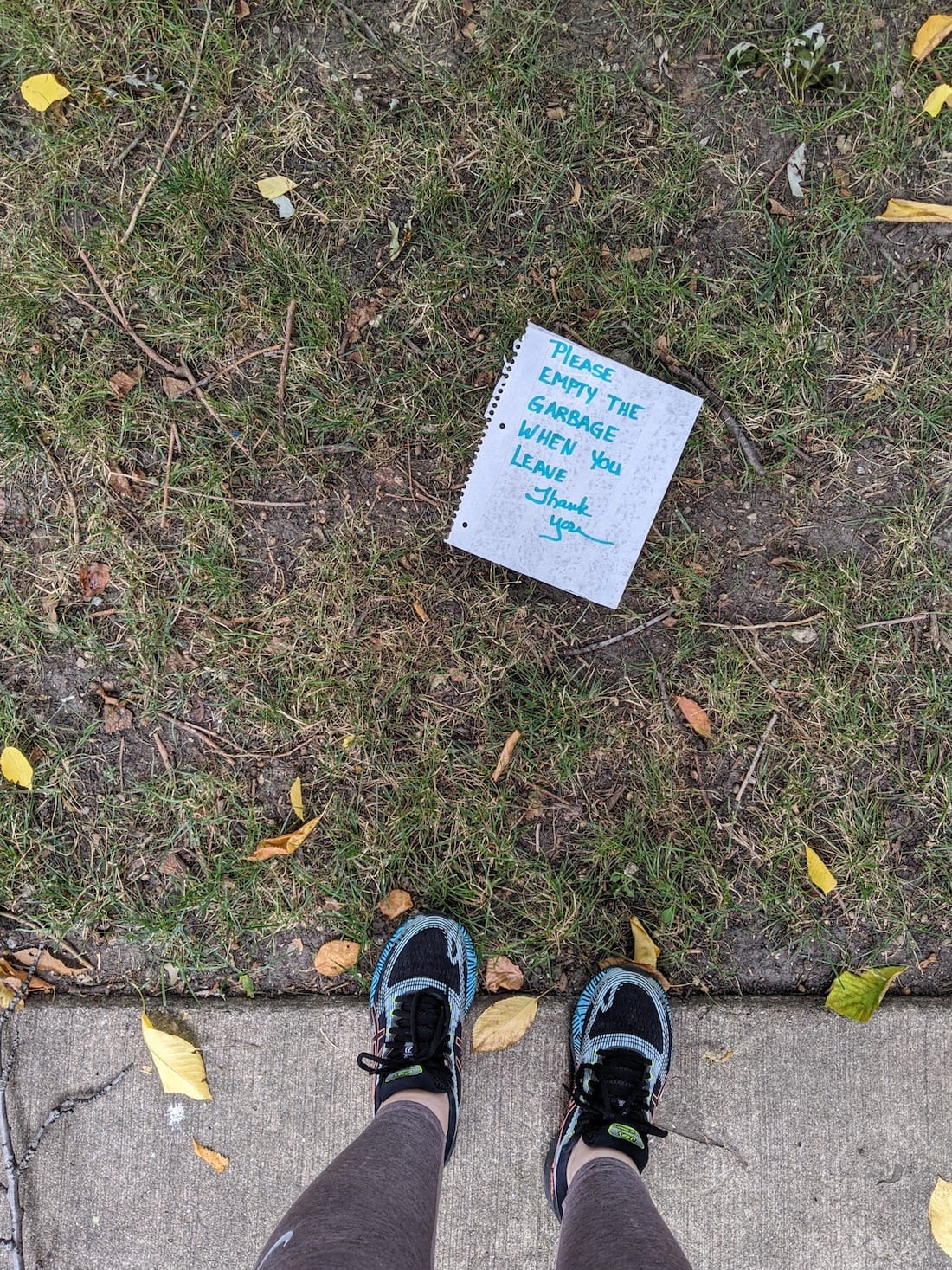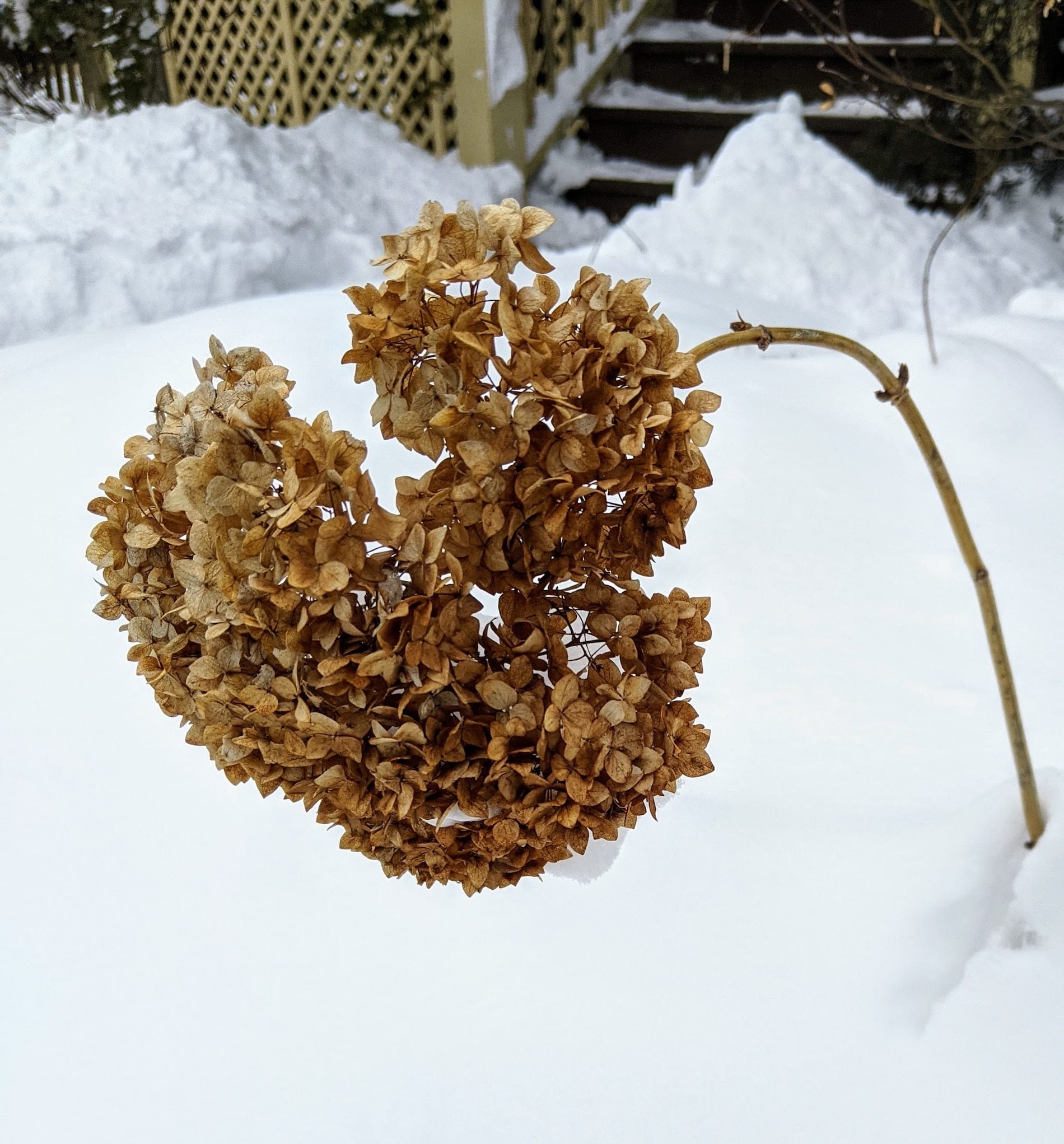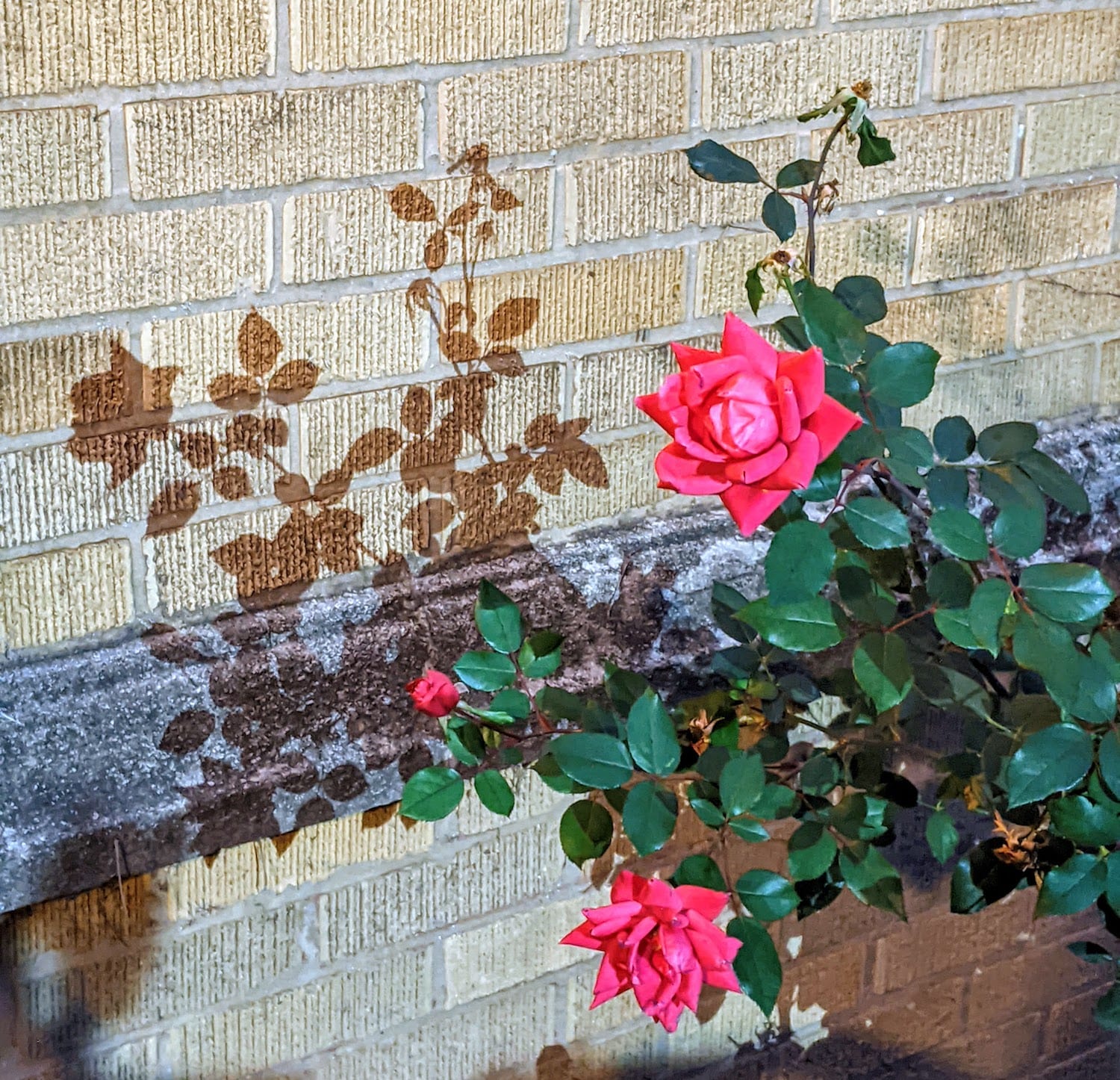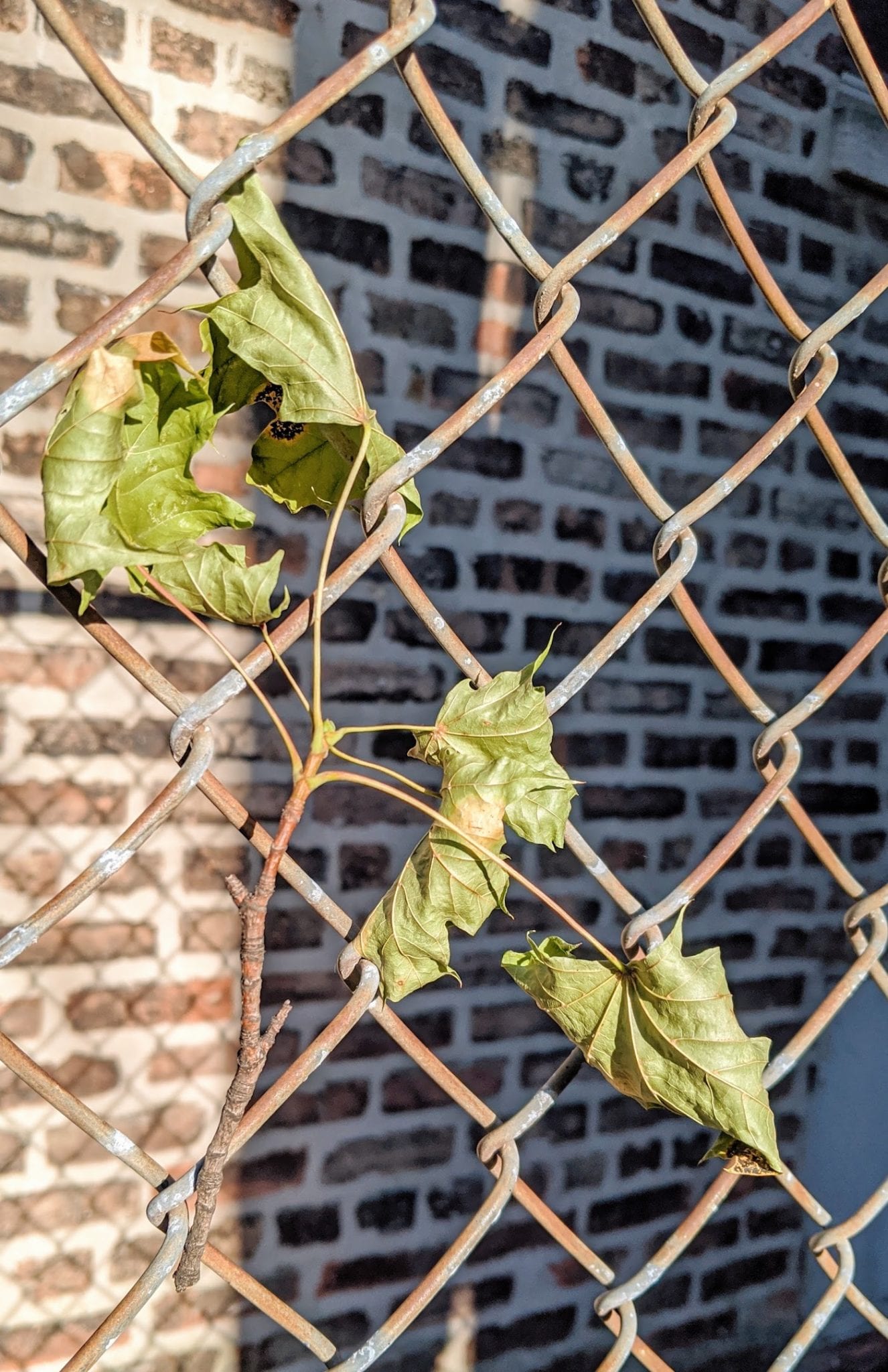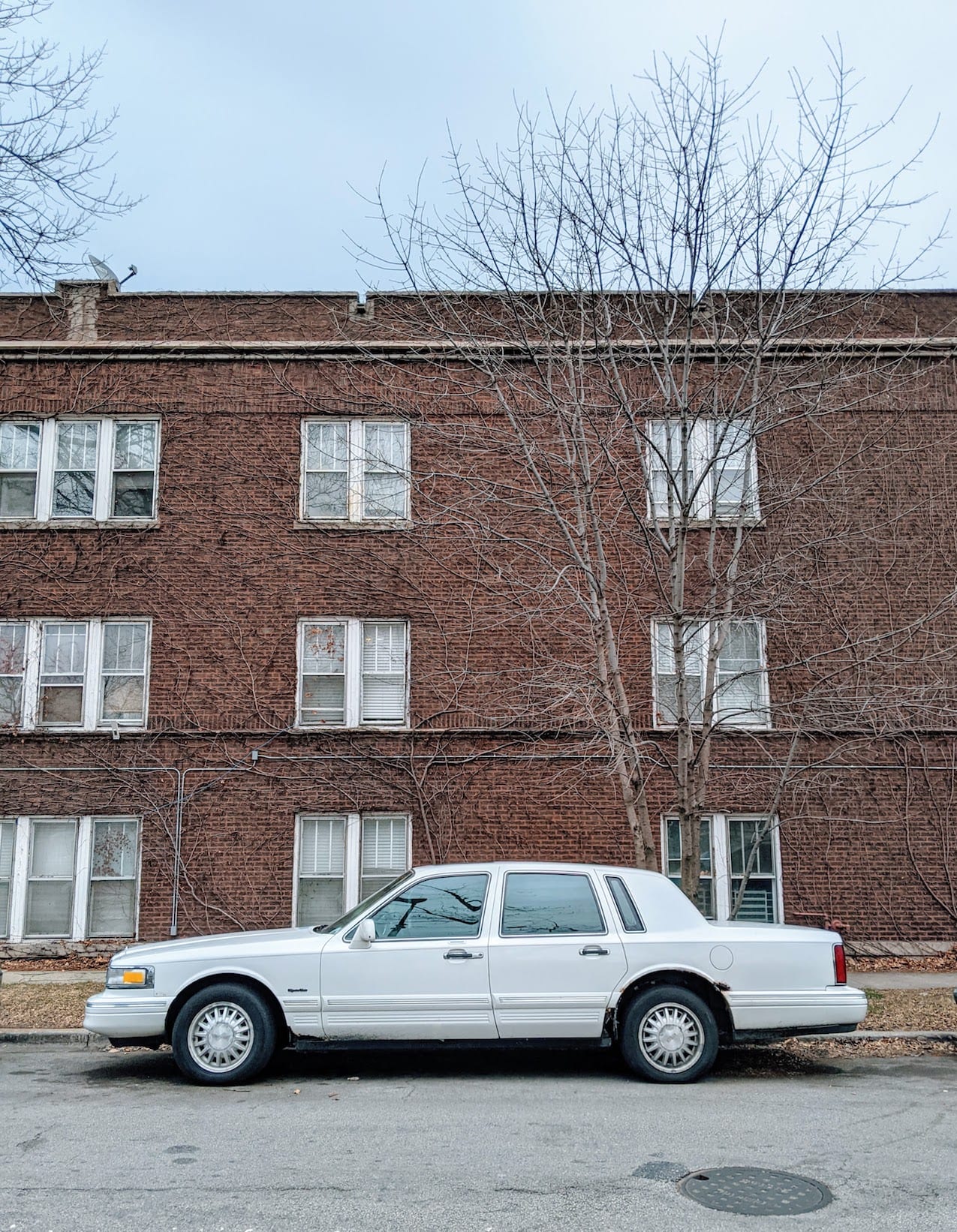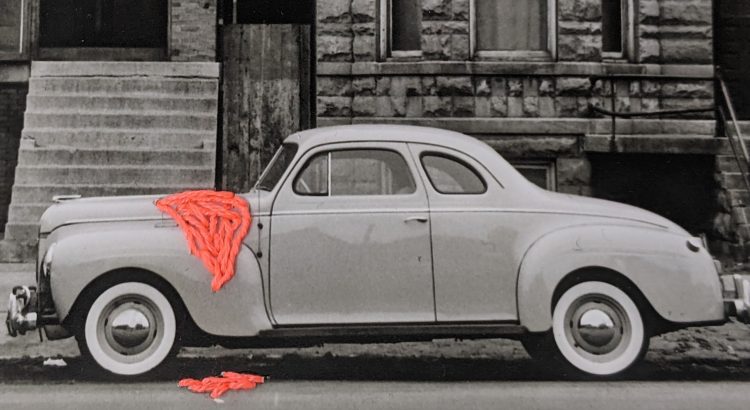
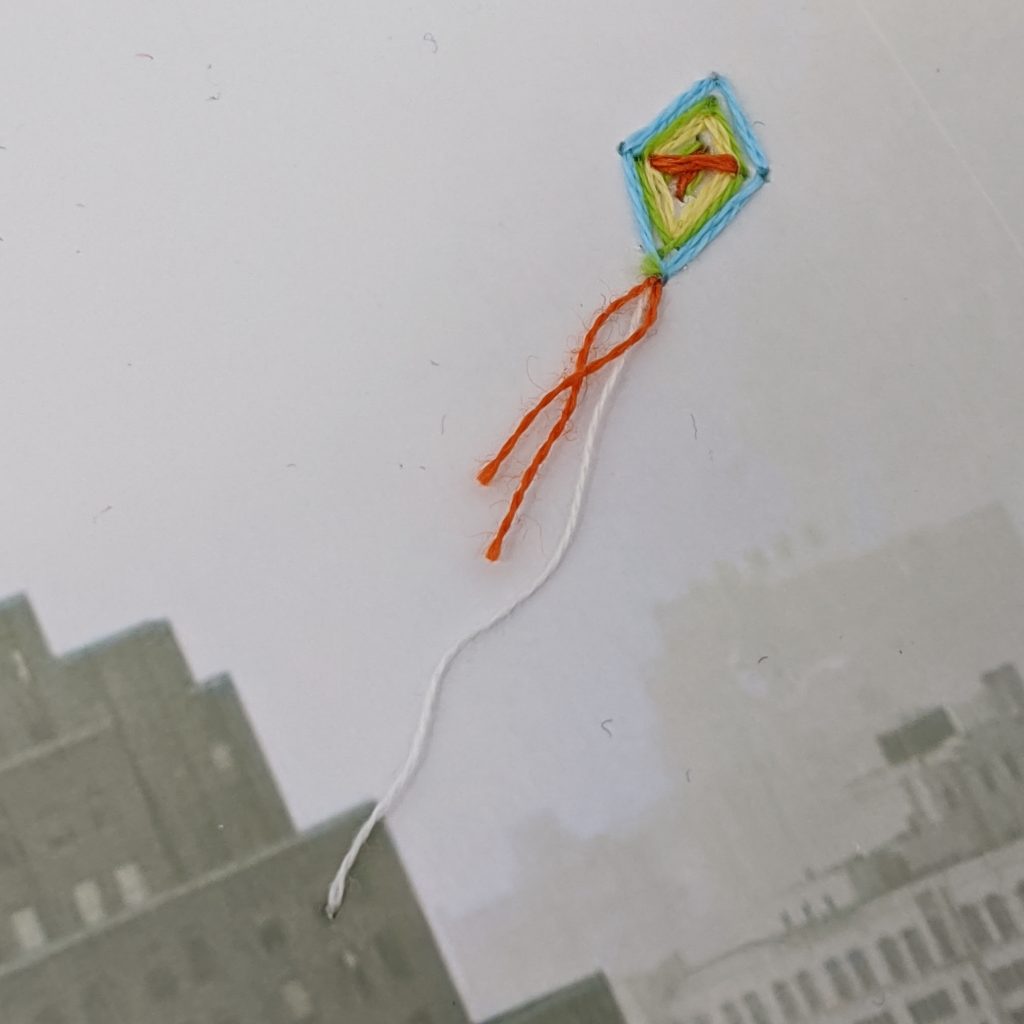
I started learning how to animate my embroidery art recently. Part of my whole ~art as self-authorization~ kick. Here are a few of my favorites so far:
Category: Inspiration // Cool
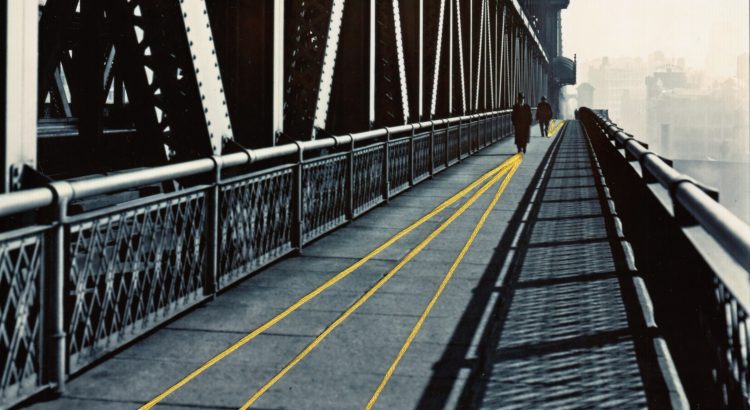
Best Berenice Abbott quotes in “A View of the 20th Century”
I recently subscribed to The Met on YouTube and found a trove of treasures from this institutional mainstay. Since 2020, the museum has released three to four films from the moving-image archive to celebrate its 150th anniversary. Called “From The Vaults,” the series continues through March 2022.
Hey, when you turn 150 years old, it’s your party and you can make everyone celebrate for two years if you want to.
I’m slowly making my way through all the artifacts they’ve posted; most recently, a 1992 film about American painter Ralph Fasanella, who was known for his depictions of working-class city life and born in the Bronx on Labor Day 1914 to newly minted Italian immigrants.
Berenice Abbott: “A View of the 20th Century”
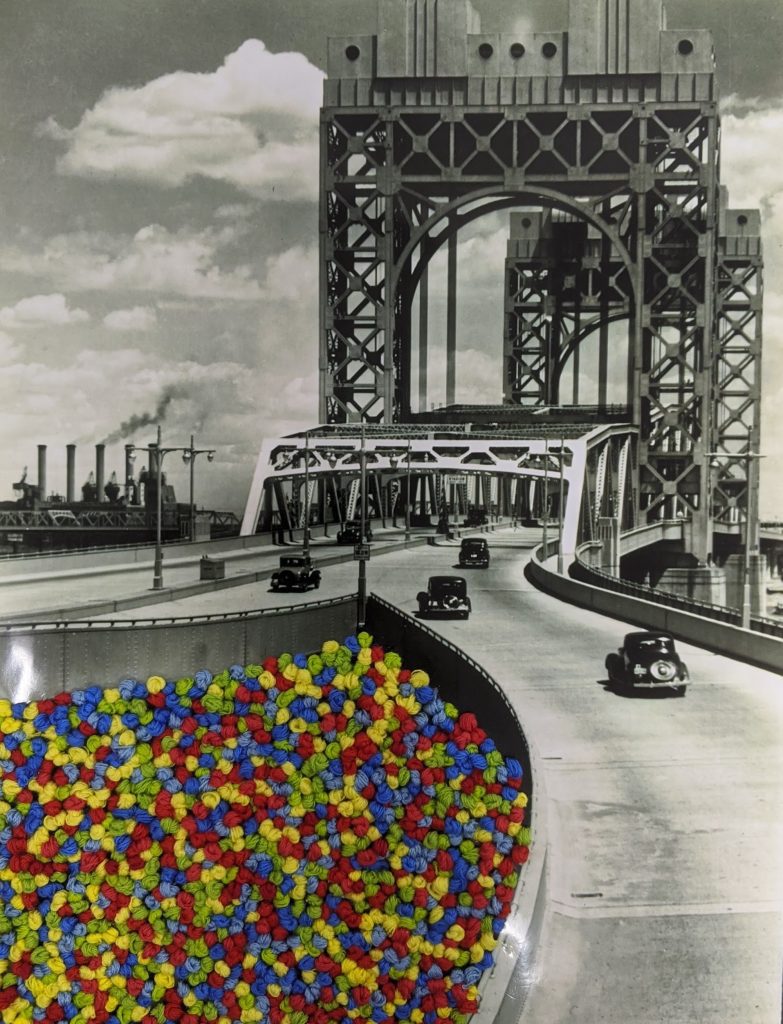
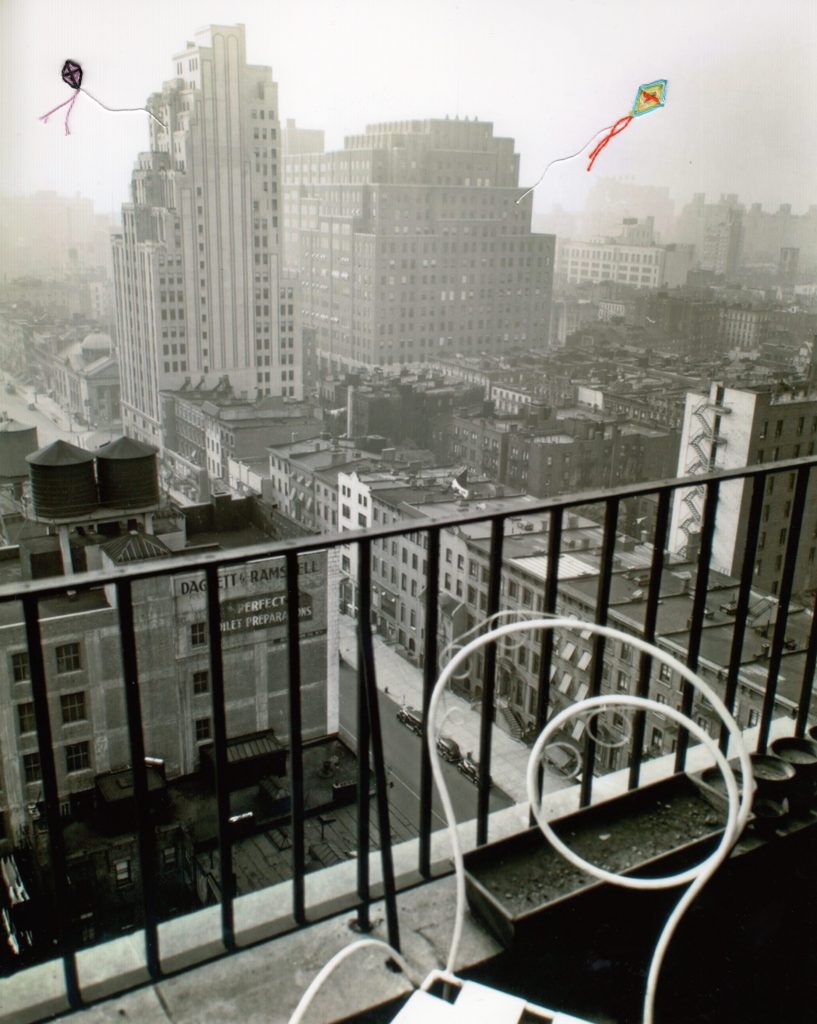
One of the most compelling docs I’ve watched in The Met’s series so far was another 1992 piece, this one about the photographer Berenice Abbott. I LOVE Berenice and am often drawn to her Works Progress Administration images when selecting images for my embroidery collection.
As one source in the film so succinctly put it, Berenice took, “Emotionally resonant pictures of ordinary things.” That’s as working class as it comes.
What I didn’t realize was how accomplished Berenice was in other intellectual and theoretical pursuits beyond artmaking. Here are some of my favorite quotes from this legendary artist.
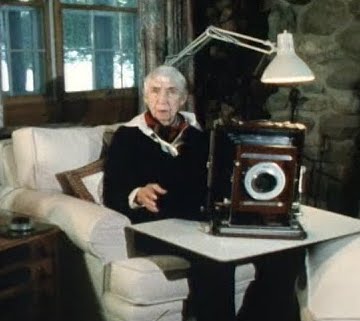
“This clear-eyed, insightful documentary, directed by Martha Wheelock and Kay Weaver, offers a grand tour of Abbott’s extraordinary life, from her youth in Ohio and apprenticeship in Paris through her later groundbreaking scientific photography at MIT and final years in Maine.
Using the artist’s memories as a lens for apprehending nearly a century of American and European cultural history, this film pays homage to Abbott’s genius for invention, her free-spirited embrace of uncertainty and experience, and her unshakeable devotion the art of photography.”
Watch Berenice Abbott: A View of the 20th Century
Best Berenice Abbott quotes
in “A View of the 20th Century”
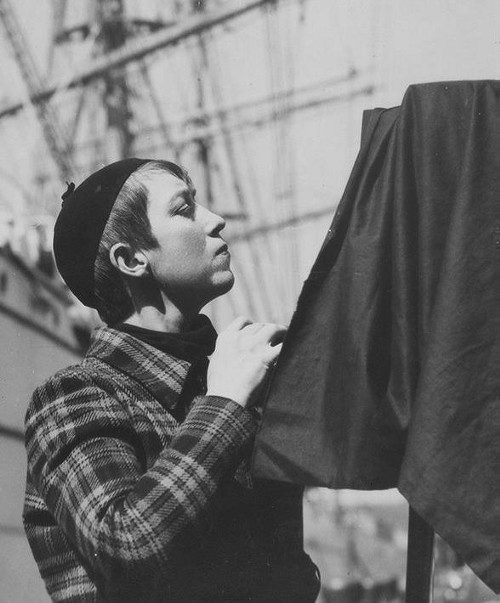
Berenice Abbott photographing on South Street, New York, 1937. Photo by Consuelo Kanaga.
ON BEING AN ARTIST
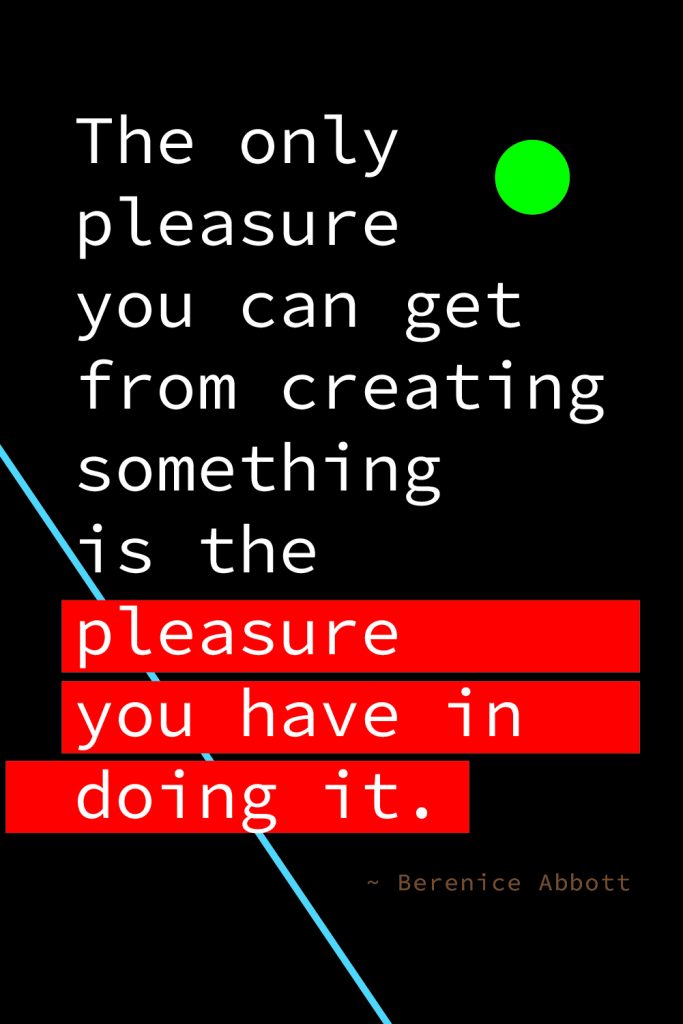
“The only pleasure you can get from creating something is the pleasure you have in doing it. Not the final product even. The pleasure you have in doing it. And that cannot be taken away from you. And it cannot be crushed. But you had a certain kind of joy creating it. And that’s all you can expect.”
“There are many teachers who could ruin you. Before you know it you could be a pale copy of this teacher or that teacher. You have to evolve on your own.”
“I think you have to be intensely personal and be true to yourself. The subject matter that excites you is something you want to photograph. You have to convey to the person who looks at it what it was that excited you.”
ON ART
“If you’re trying to express people, you have to be part of it because it’s an exchange. You’re a part of that time.”
“The art is selecting what is worthwhile to take the trouble about.”
“I think it stands to reason that if you recognize and appreciate your heritage, it helps you with your future.”
ON PHOTOGRAPHY
“Anything you photograph has to be exciting somehow visually. It has to be photographically important, visually important. Otherwise you write about it.”
“Photography is very much a prisoner of its time. You work within the framework of the technique at the time, and that’s the way you have to judge photography.”
“I think all photography is documentary or it isn’t even photography. Most photographs are documents by their very nature of the realistic image. When they try to make it a nonrealistic image, they’re imitating another medium. Selectivity is key.”
“Many interesting things aren’t photogenic at all.”
ON CITY APPEAL
“It isn’t just that you think the city is beautiful. It’s that the city is very interesting. Everything in it has been built by man. It expresses people more than people themselves.”
“The city is full of every period, every epoch. Everything there comes out of the human gut. Everything that’s built. Every sign that’s put up. The new, the old, the beautiful, the ugly. It’s the juxtaposition of all this that is an intensely, immensely human subject. You’re photographing people when you’re photographing a city. You don’t have to have a person in it.”
ON BEING A WOMAN
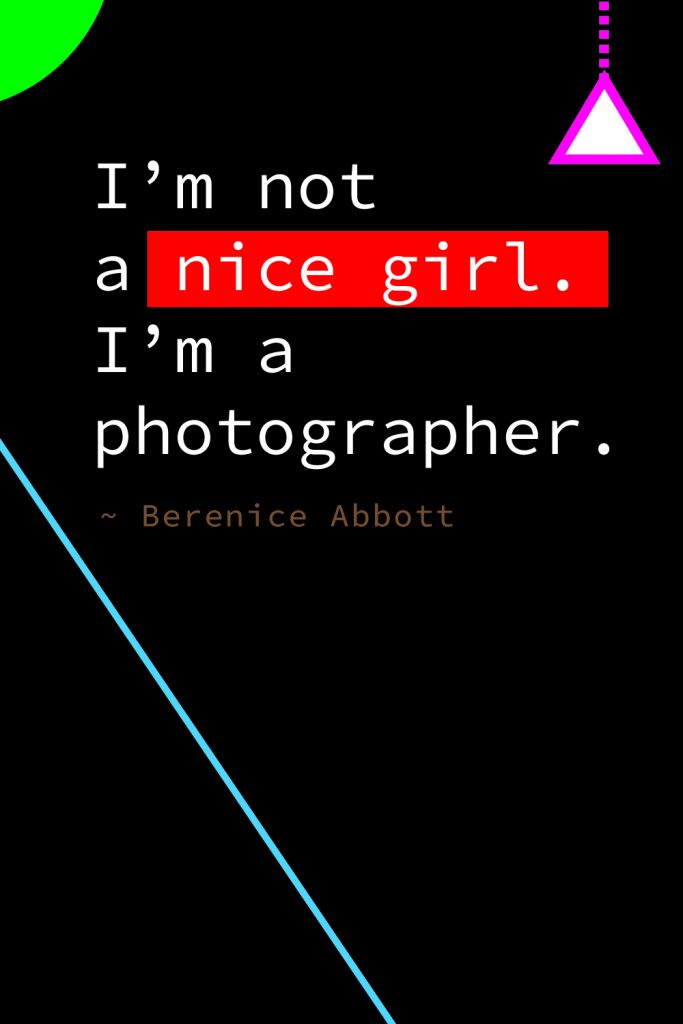
“He said, ‘Nice girls don’t go down on the Bowery.” And I said, ‘Well, I’m not a nice girl. I’m a photographer.‘”
“My assistant got the job. A young man whom I had trained. I think the last thing the world really wants are independent women. I don’t think they like independent women much. Just why I don’t know. But I don’t care.”
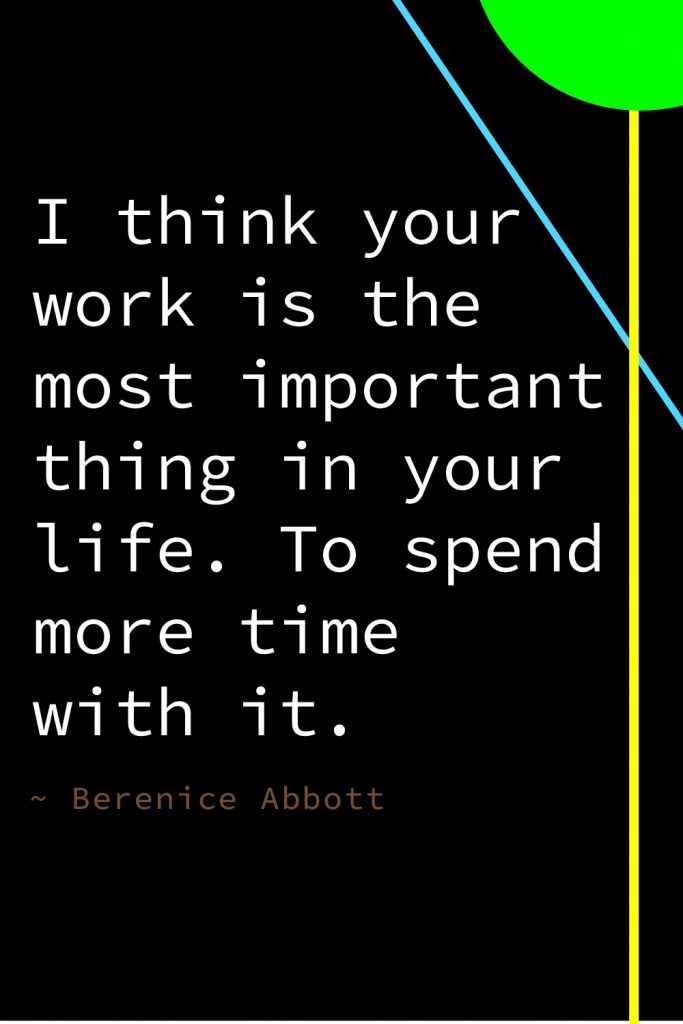
“Yes, I’ve always been a loner. I’m certain that some people marry and it doesn’t spoil their independence, even women in some cases. The vast majority seems to snare the woman and she can lose track of her directions and her desires and her interests. I’ve heard so many women say, ‘Oh I would like to have done this but after all my family came first. I had to look after my sons.’ So apparently that was more important to them. To me it would be like losing yourself. I think your work is the most important thing in your life. To spend more time with it.”
ON BEING
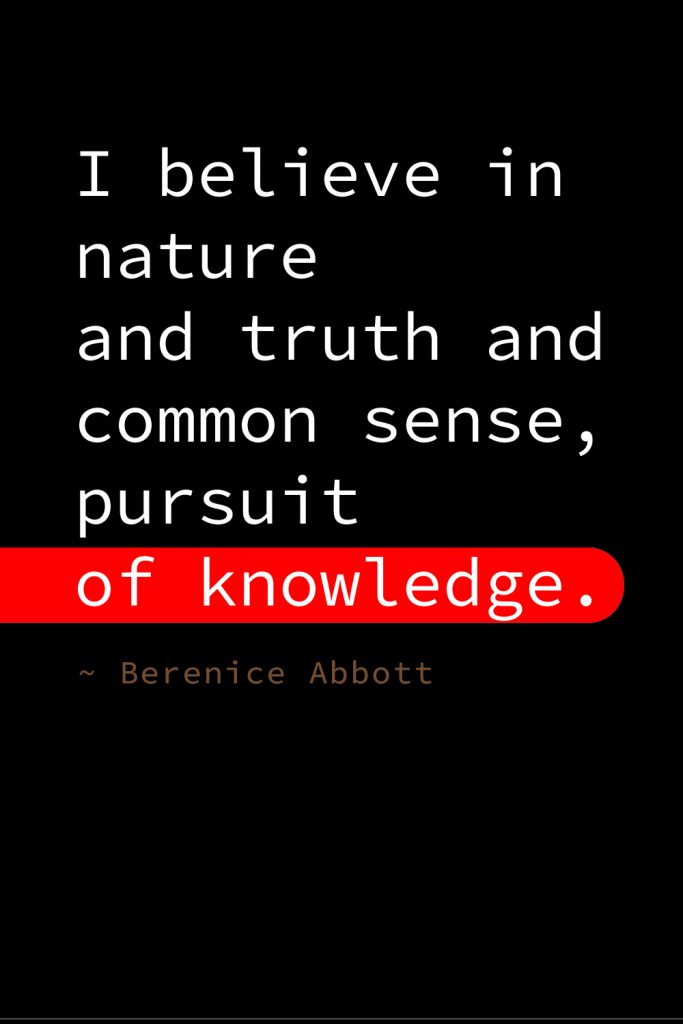
“I believe in nature and truth and common sense, pursuit of knowledge. Nothing is any good unless you sort of live up to it. Do unto others as you would have done unto you. That is very valid and can’t get you into any trouble. But you don’t need religion to have morals.”
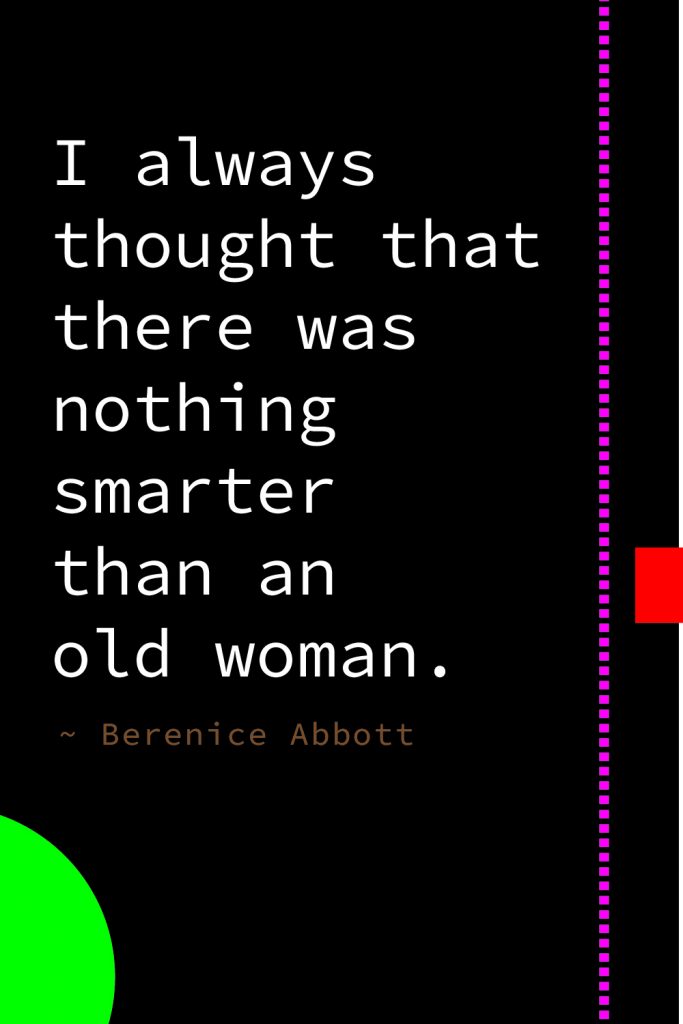
“I always thought that there was nothing smarter than an old woman. You’ve lived so much, you’ve seen so much, in some sense you’ve been on the passive end of it, which means that you have observed plenty. But my impression was always that most ordinary women, if they’re old, have some remarkable quality that no other people have.”
“I had no idea I was getting older. I’ve never worried about getting older. I don’t see why people make so much of a thing about aging. It’s so natural to age. Everything is aging all the time. Everybody’s aging constantly. Why worry? It’s slow. You’re not aware of it.You just take it in your stride. But women are so harassed with the idea because of the social attitude, the unfairness of social attitudes between the aging of men and women is so ridiculous and so dreadful that women’s years seem to be only good as long as she can procreate, but a man can be very attractive at 80.”
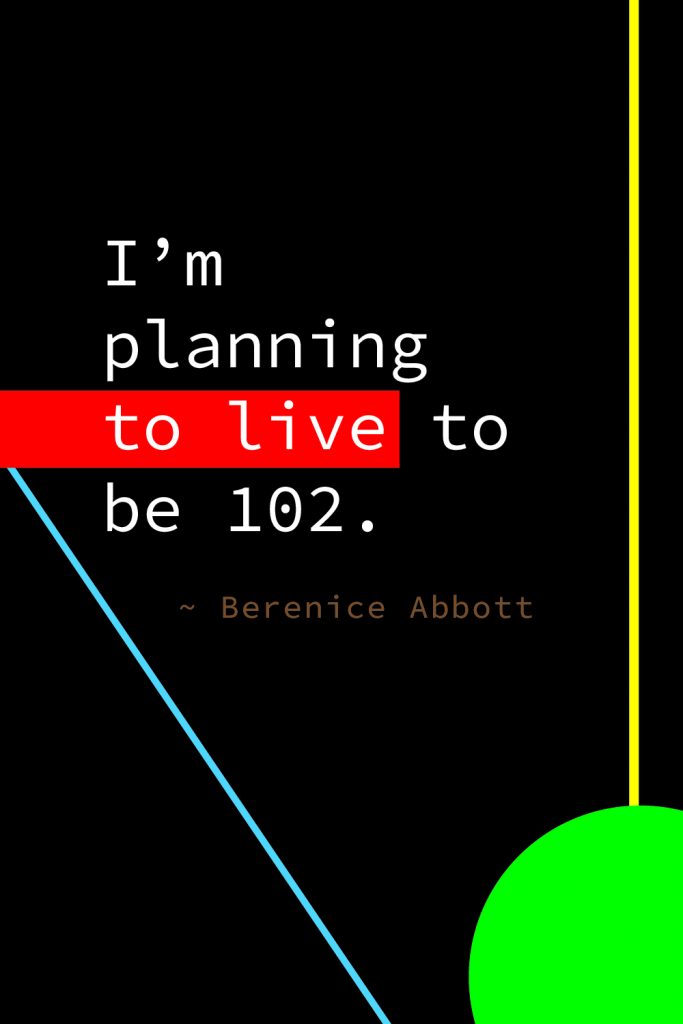
“I’m planning to live to be 102.” 🙂
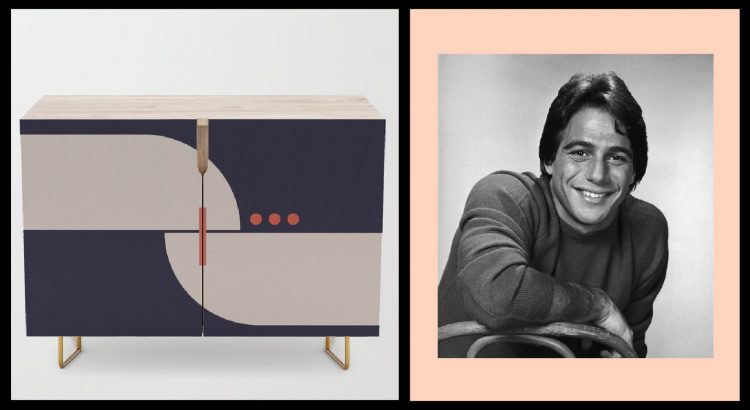
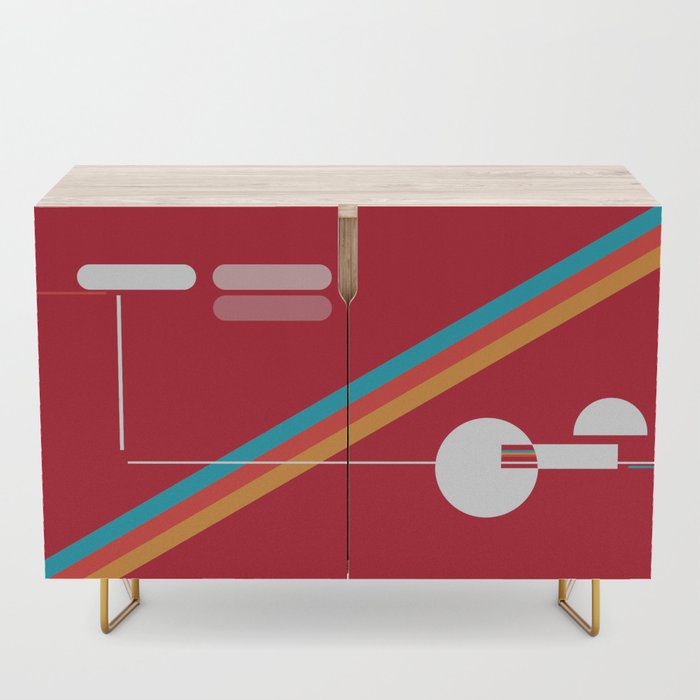
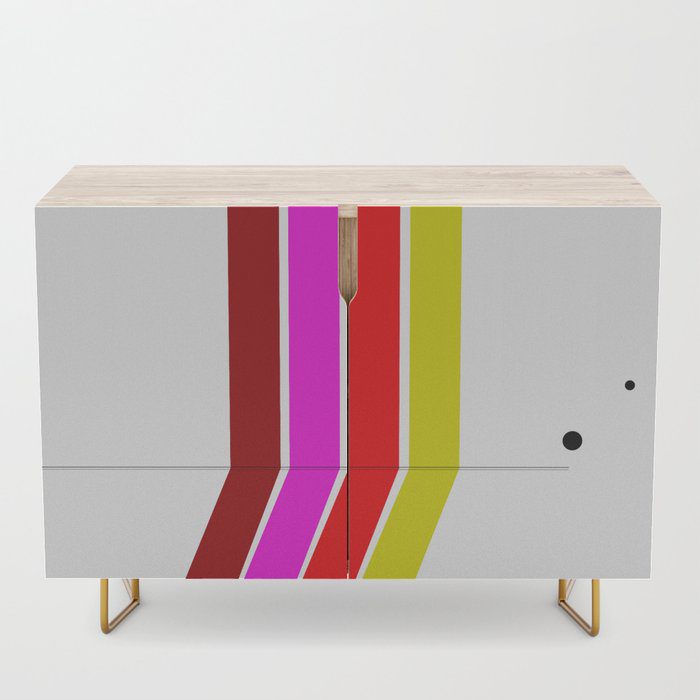
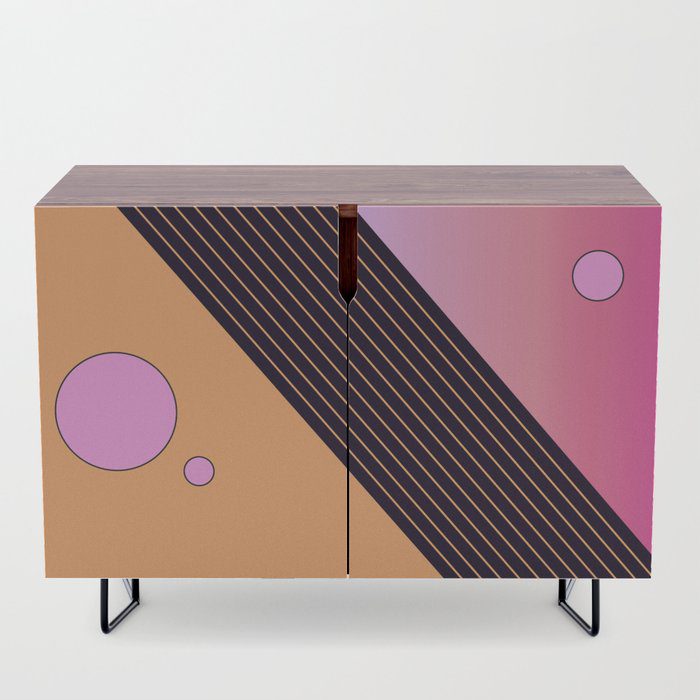
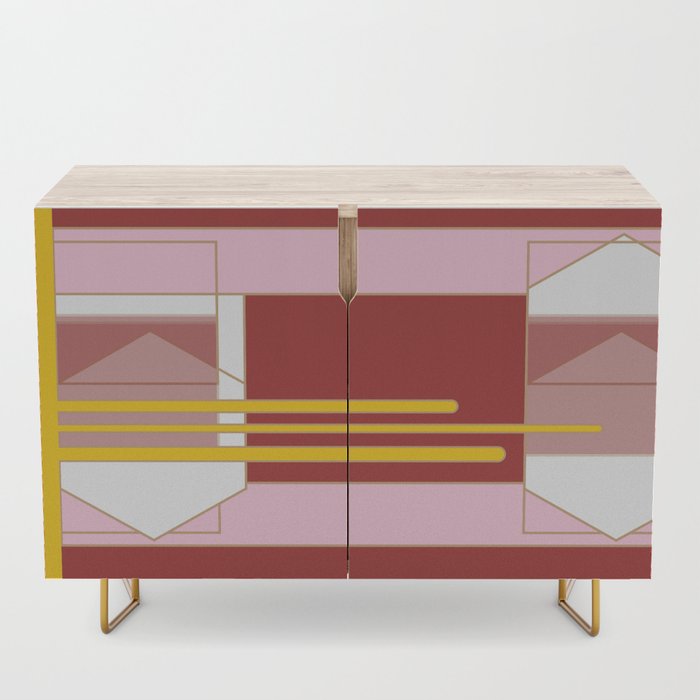
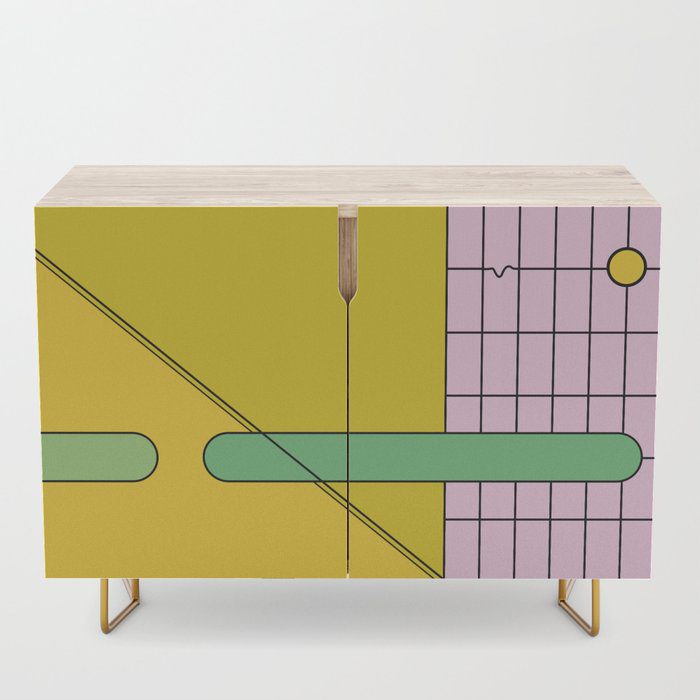
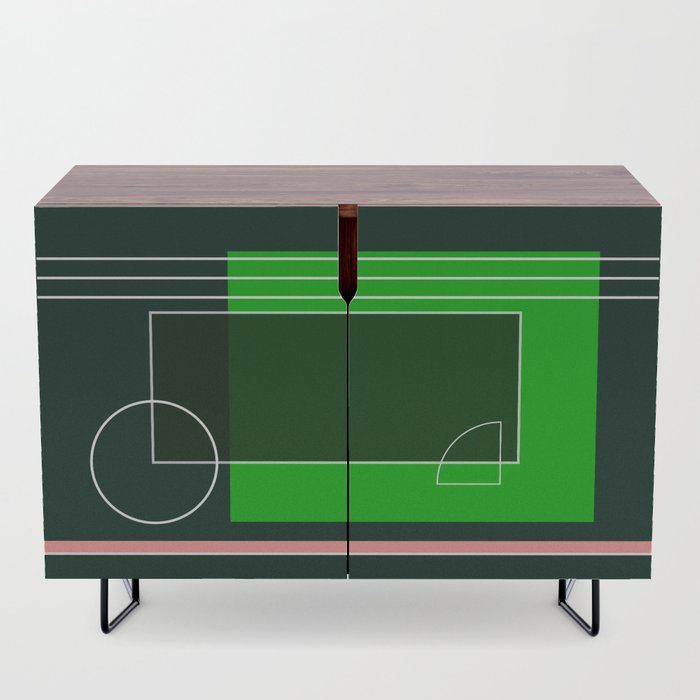
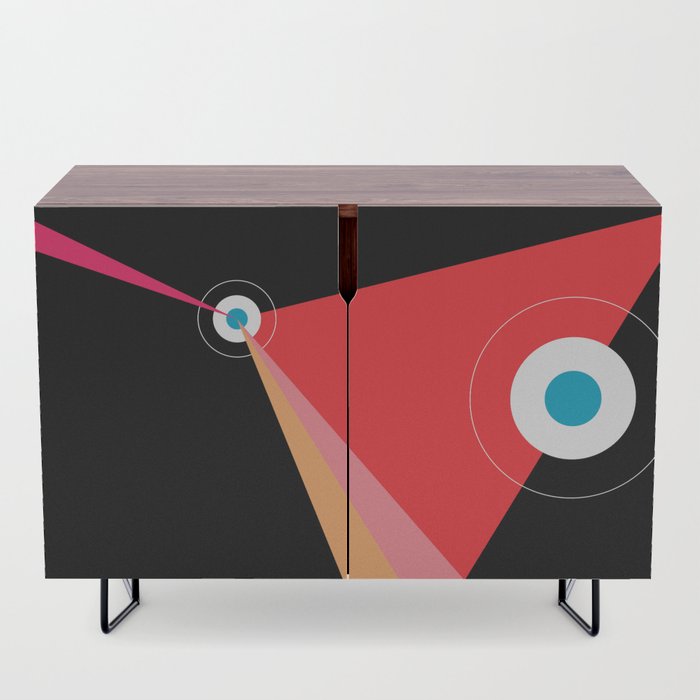
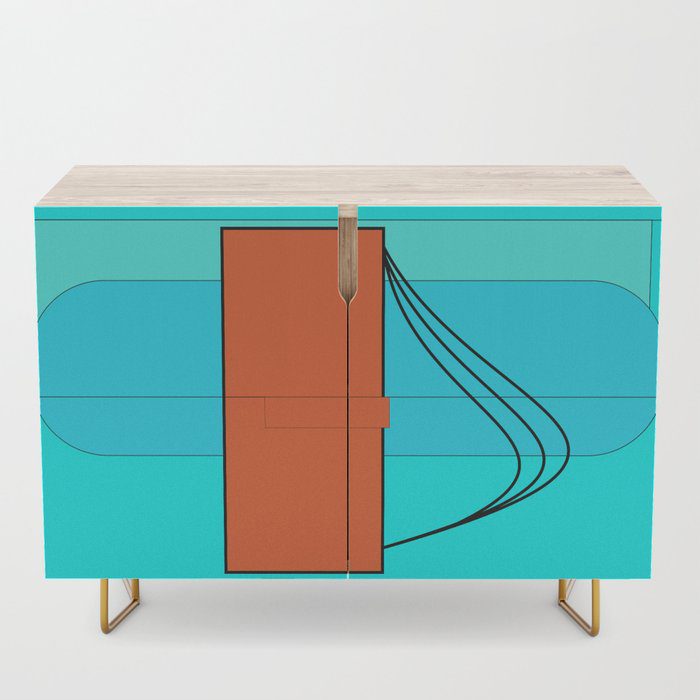
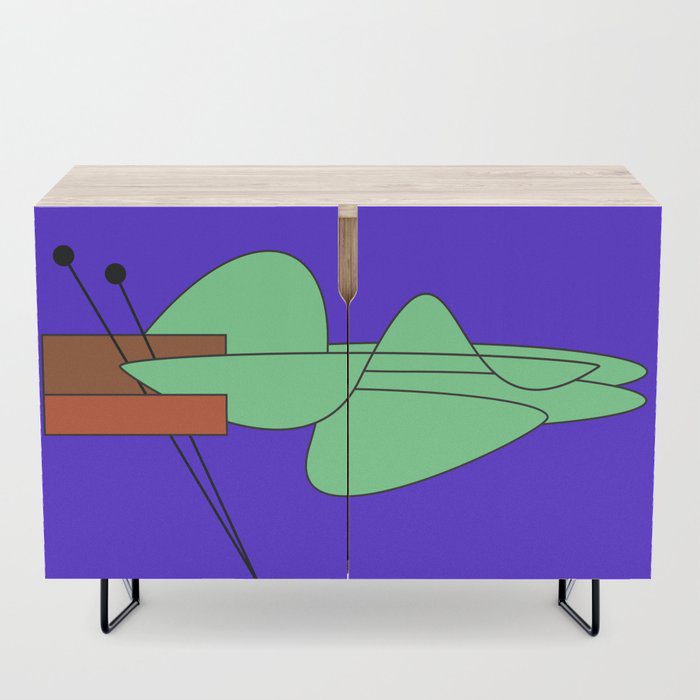
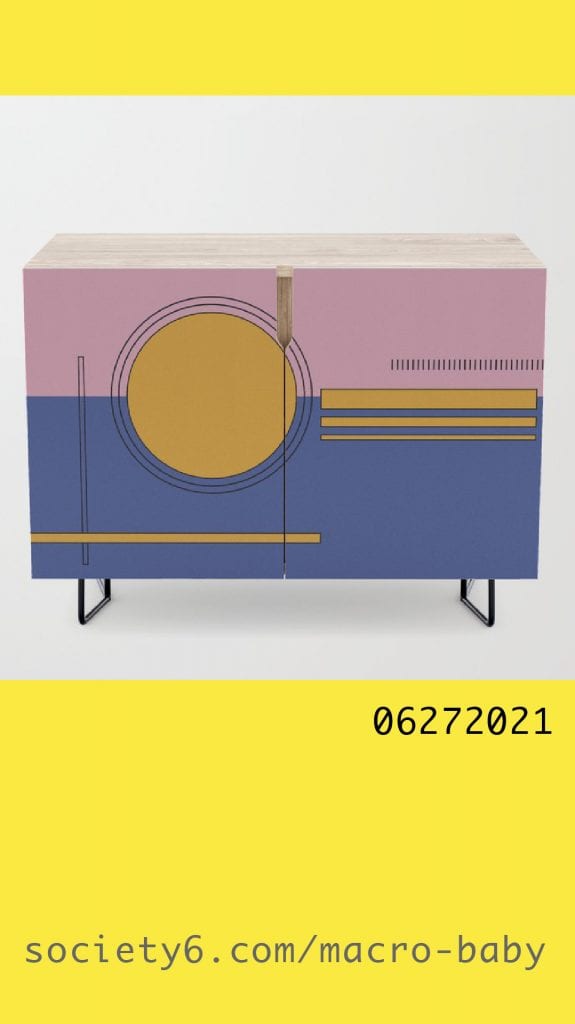
You say credenza, I say credanza
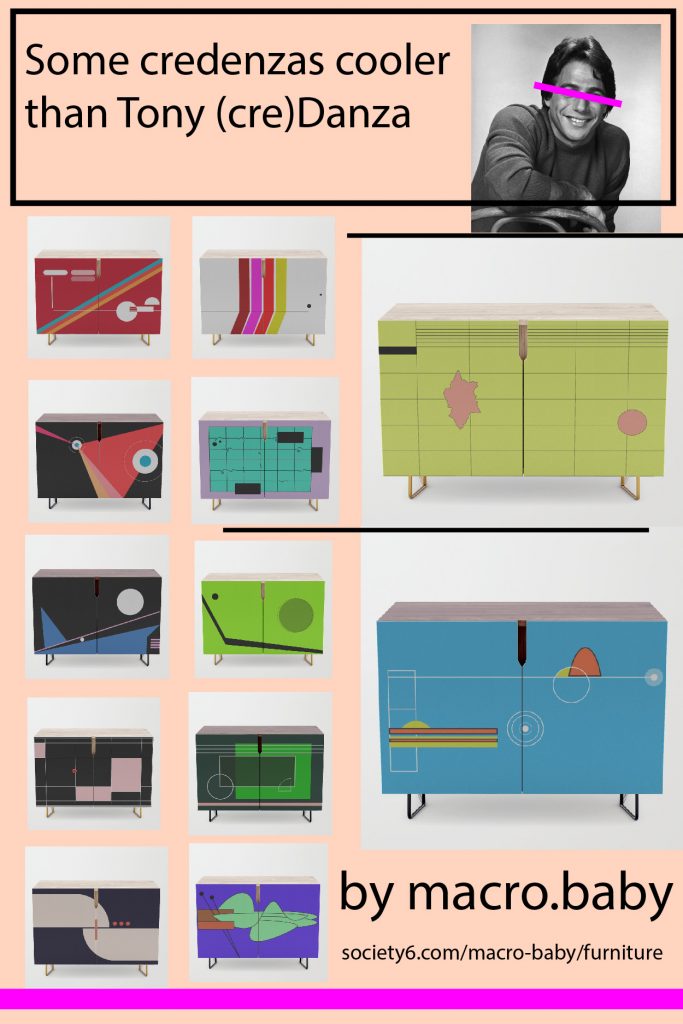
My new graphic design credenzas are hotter than Young Tony Danza. Fight me!
Here are a few of my recent favorites. 🙂
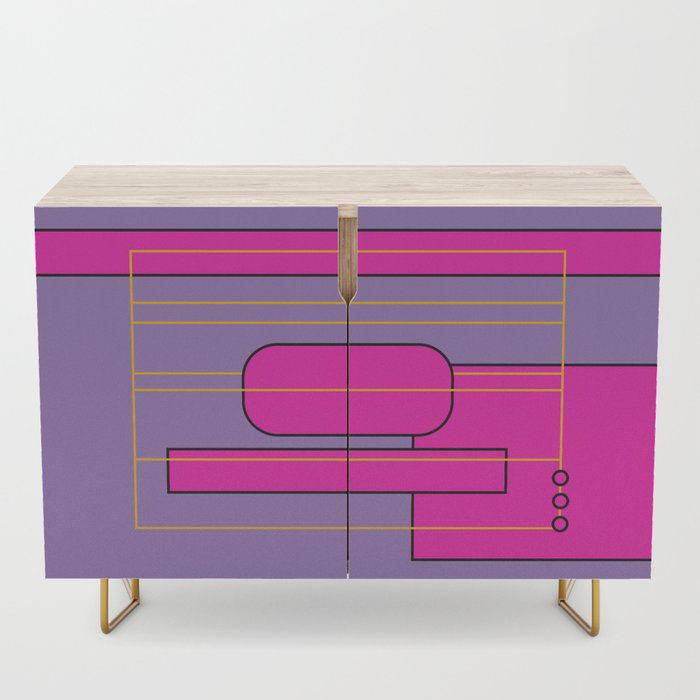
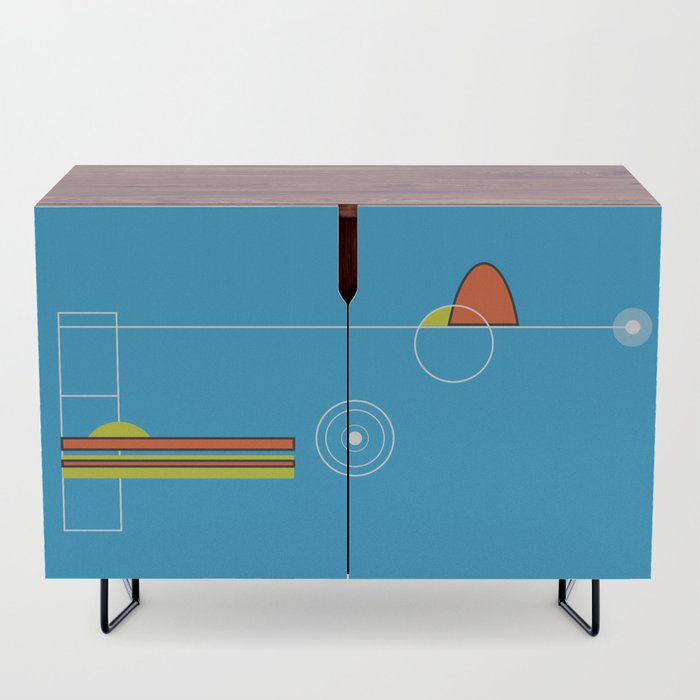
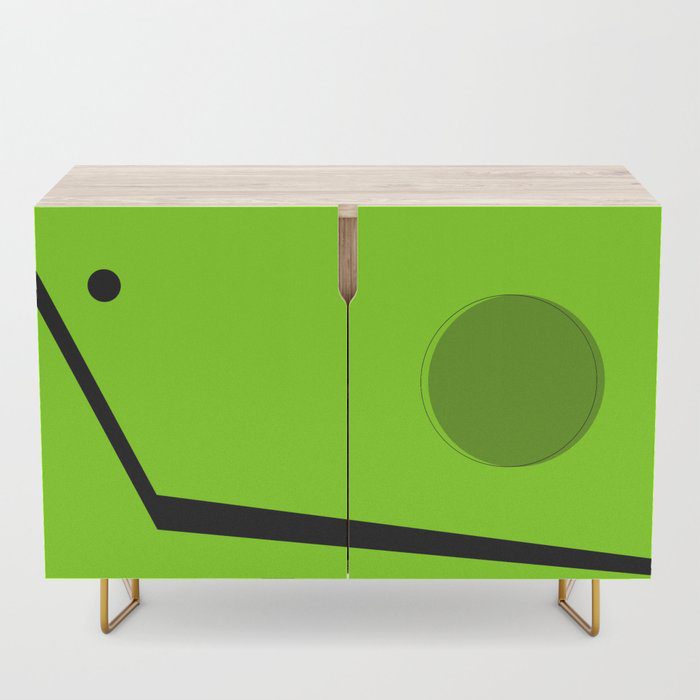
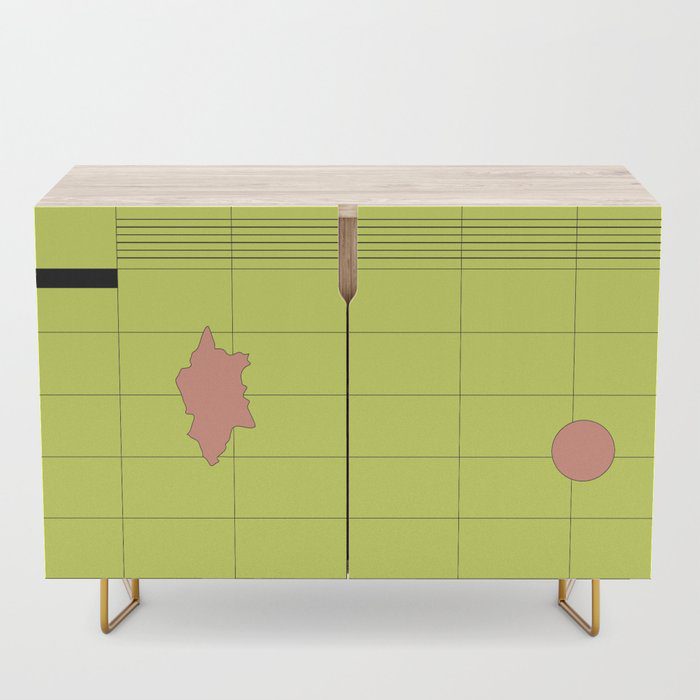
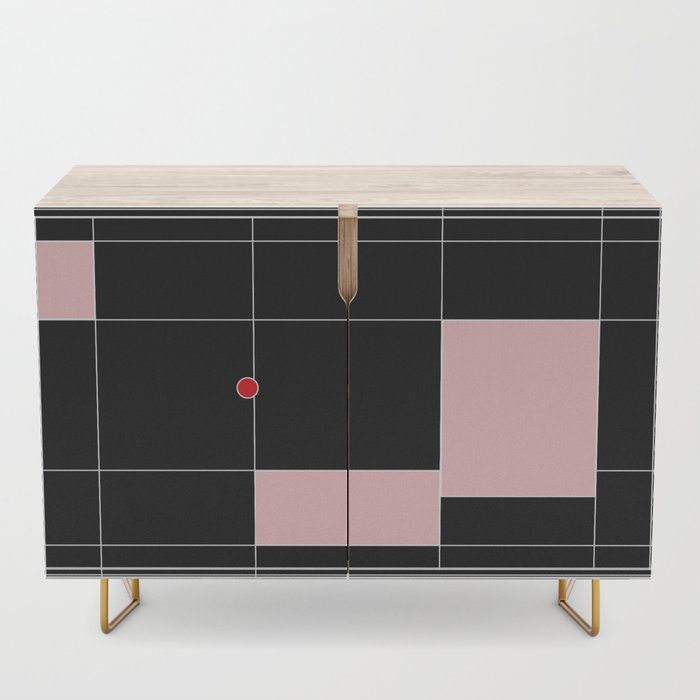
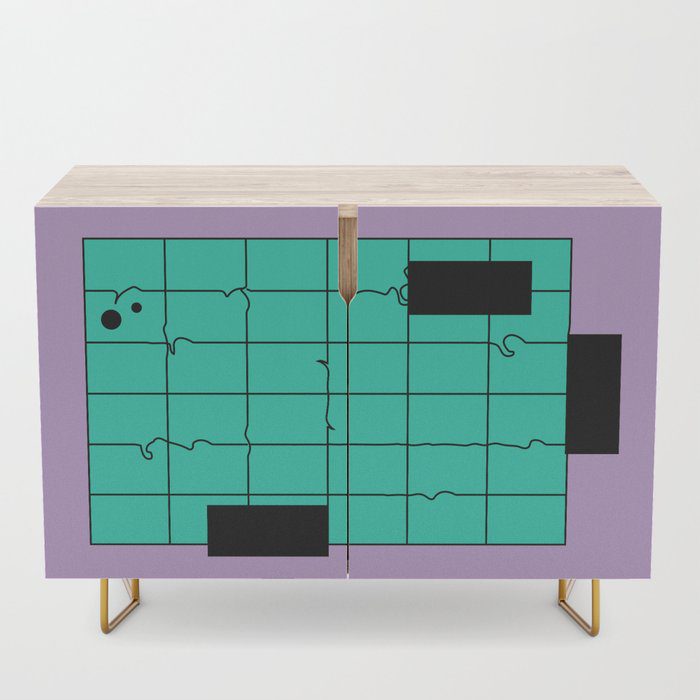
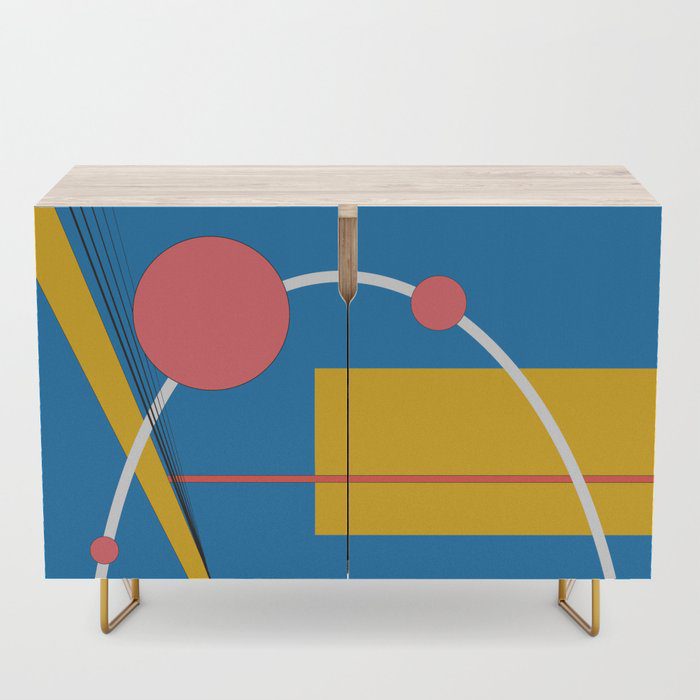
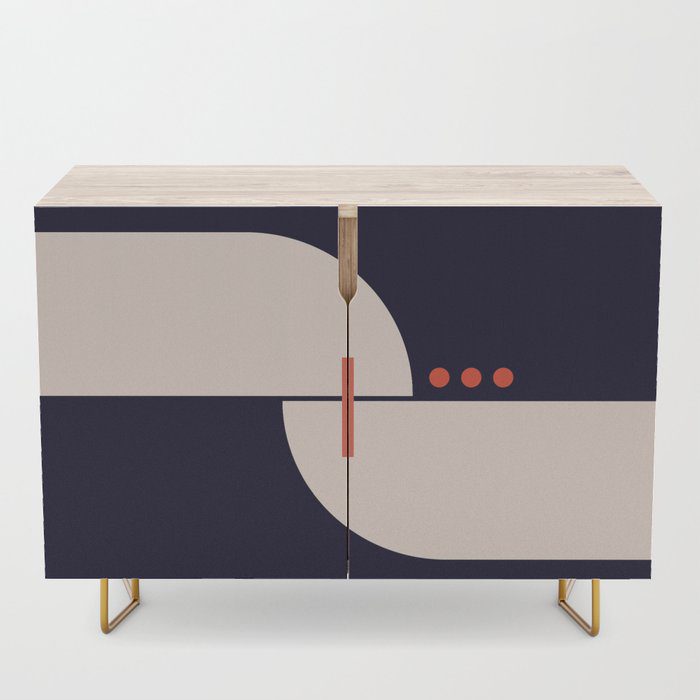
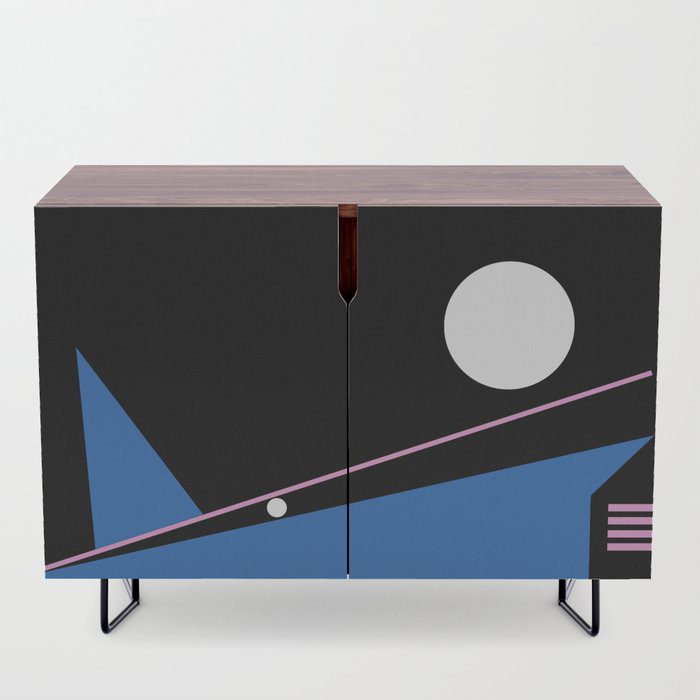
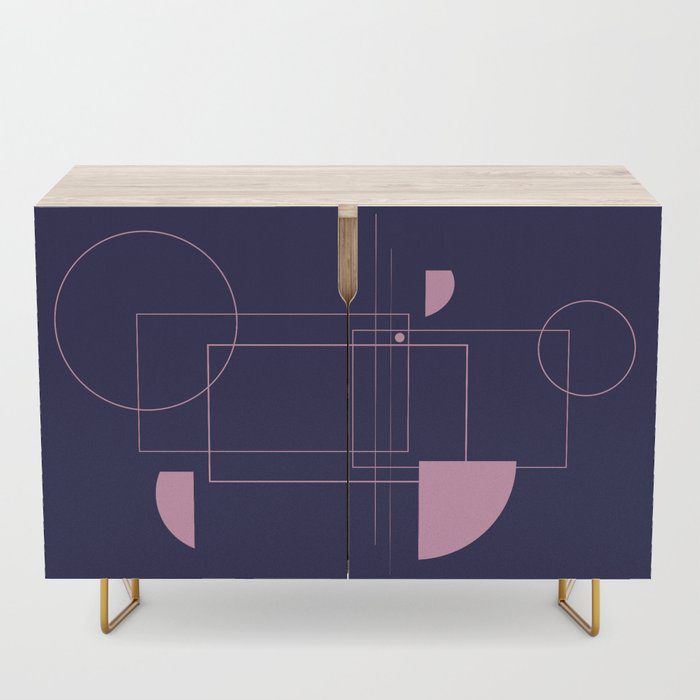
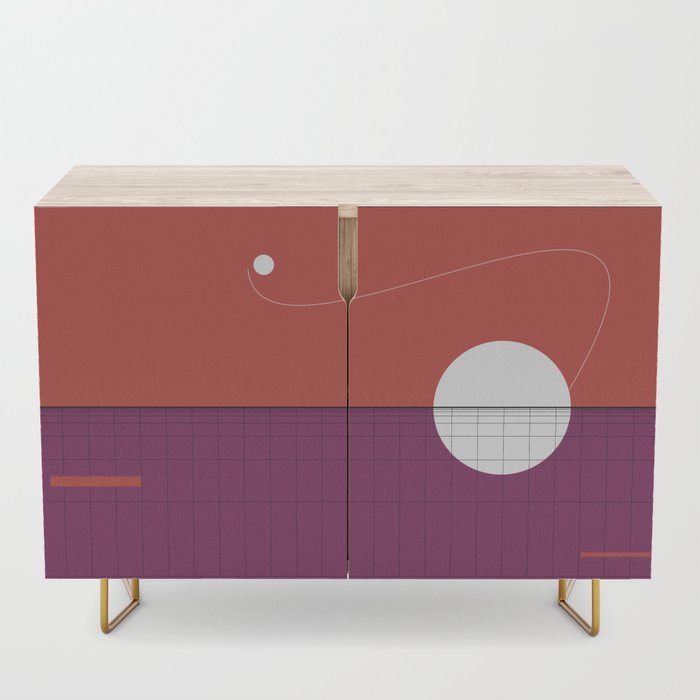
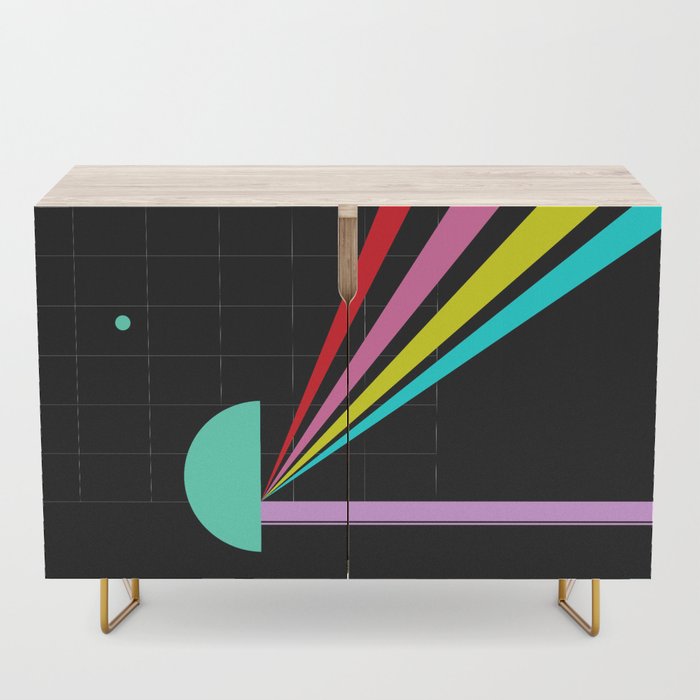
These versatile mid-century modern-inspired credenzas are ideal TV stands, cat stands, book shelves, drink carts, office cabinets, toy chests, or the perfect complement to your bedroom set.
- Perfect size. 35.5 x 17.5 x 30 inches.
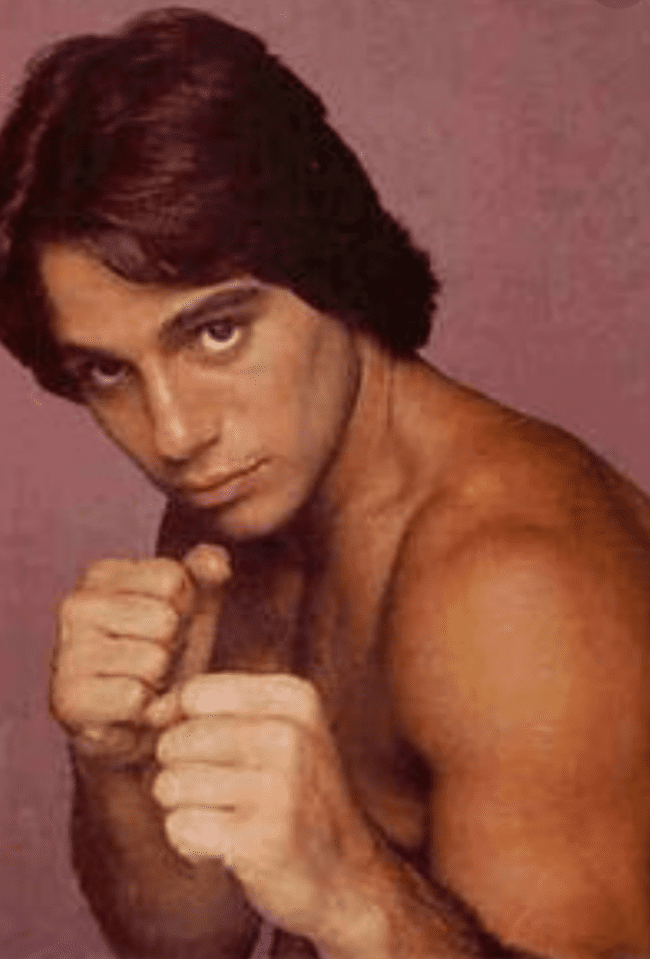
- Customizable. Available in a warm, natural birch or a premium walnut finish, with gold or black steel legs. You know who else had steel legs? Young Tony Danza.
- Easy to clean. Got a damp cloth? Of course you do. You’re good to go.
Mid-year check-in: Four productivity tools I’m loving for creative projects (and how I use them)
In January, I wrote about six smartphone apps and creative writing productivity tools I planned to use to stay motivated on my personal projects throughout 2021.
Am I still using those? Yes.
But now, seven months deep, I’m still trying to avoid work about work.
Aren’t we all? Hell yes.
“60% of time is spent on work coordination, rather than the skilled, strategic jobs we’ve been hired to do,” according to Asana’s Anatomy of Work Index 2021.
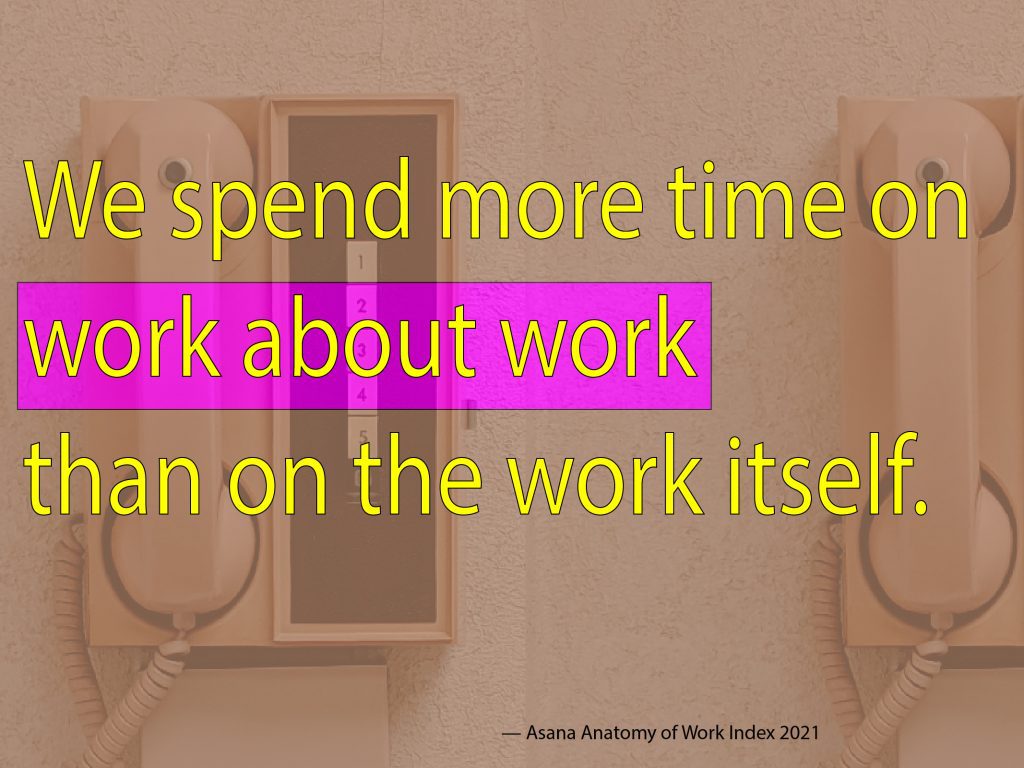
I feeeeeeel that. In my professional work certainly, and in my personal work as well. Even though I’m not coordinating with a team of designers, clients, or account managers while, say, drafting a novel or making a new embroidery collection, I still find myself tinkering away for hours on planning, documentation, and (my ultimate seems-like-work-but-isn’t guilty pleasure time suck) video streaming Skillshare/Creative Live videos.
So in July, I reassessed how I was working on these things. It was time to think about my time. Given that the pandemic wasn’t keeping us under lock and key anymore, I needed to adjust my routine for the quicker post-pandem pace and packed schedule. Here are four new tools and strategies I implemented to get myself in a rhythm—and keep myself making.
For writing: Airtable
OMG! I love Airtable! A friend told me about this spreadsheet app while we were on our final quarantine walk. It’s free and the UX is intuitive, especially if you’re familiar with Excel or Google Sheets. My favorite aspect of Airtable is that I can upload documents, jpegs, and various other things directly into a cell block.
I have one Airtable project set up with three tabs, one for each of my writing projects: a novel, a book of creative nonfiction, and my blog. From there, I’m able to schedule out each piece of the larger work, add photos for reference or posting, and drop in both the Google doc link and the Word doc of the final version so I can move on.
I know I could keep a folder on my cloud somewhere with all of this content, but it’s so nice to have it linearly lined up, with deadlines attached, and the ability to just dump it when I’m done so it doesn’t take up space in my drive.
Writing tasks can be overwhelming to me because I get ~too~ into them and, when I’m in that addictive headspace, I feel like I have to write the entire book in the next month. But writing is also my most important thing. With Airtable I don’t fold under the demanding weight of such self-imposed pressure. I just keep ticking things off, bird by bird.
For reading: GoFullPage Chrome extension
App fatigue is real. According to the Anatomy of Work Index, U.S. employees jump between 13 tools an average of 30 times per day. Yikes. I think I hit even higher numbers when it comes to things I want to read. GoFullPage has helped with this personal brand of digital distraction. When clicked, the extension will basically scan the entire web page you’re on and turn it into a PDF or jpeg.
I use GoFullPage for saving things I want to read later as well as for capturing clips of my professional writing. I capture what I want to read, download it, and save the PDF in a “To read” folder on my drive. I have time set aside on Saturdays that I scroll through the folder and read whatever still intrigues me and then delete the damn thing when I’m through.
I tried using the “Reading List” feature on Chrome for a process like this, but then I just racked up links on links on links and never read any of them. With GoFullPage, I don’t have endless tabs open, and there’s just enough effort required to capture and save the page as a PDF that I must decide if I truly, truly want to read it. Adding it to the Reading List was way too simple. The potential discards clogged up the line.
For getting sh*t done: Do not disturb phone setting
I mean, it’s obvious what this does, right? Turn it on for your phone and it will quiet all alerts. I get by with a little help from my robot friends, etc. Every morning I block out my day hour by hour. (I know this is a little intense, but my Meyers Briggs Personality Test confirms this kind of planning is best for my sensitive lil heart/mind. INFPs are for lovers.) I use Do Not Disturb when I’m on an hour-block that requires focus, which is usually writing, but this can also be helpful for administrative work or artmaking.
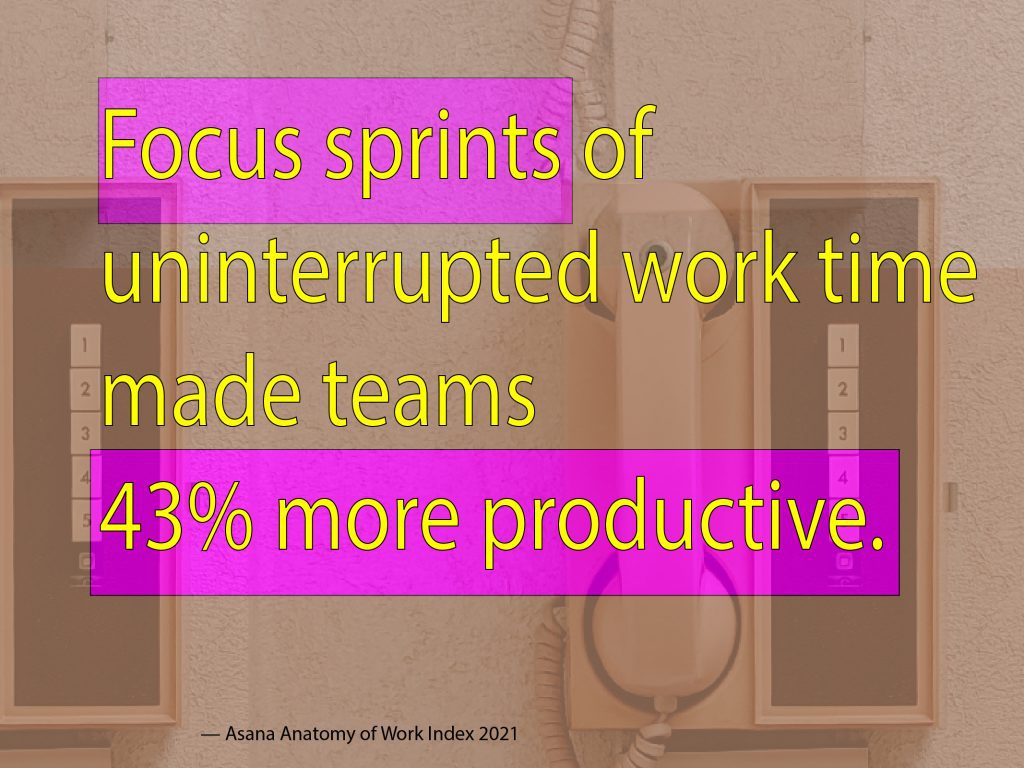
Productivity research from UC Berkeley’s Becoming Superhuman Lab found that 92% of people believe that “carving out a daily block of uninterrupted time called a ‘Focus Sprint,’ where they do not need to toggle between apps or constantly monitor the inbox, would positively impact their and their team’s productivity.” Teams that used these Focus Sprints reported they were 43% more productive. Sign. Me. Up.
For regular to-do tracking: Asana’s board view
“Individuals could save 6 hours and 5 minutes every week—290 hours per year—through improved processes,” like clearly defining roles and responsibilities, the Anatomy of Work Index found. Plus, nearly 70% of respondents said they would feel better-equipped to hit personal targets with clear processes to manage work. This seems obvious, but do you give your personal creative work the same approach? Why not?
How to save 290 hours per year of wasted work time? Get a better process.
I have been using a free version of Asana for my personal tasks for a while now, but I simply could not make a calendar view of tasks work for me. I would just blow right by the deadlines when paying-work had to rise to the top of my to-do list. I tried switching to board view, et voila. Now we’re cooking.
My board view is essentially a habit tracker with four columns, or boards, set up: Monday-Friday, Saturday, Sunday, and Monthly. Under each column I have five or six tasks that are related to my creative projects. For example, I write one paragraph a day on my novel every weekday, Saturdays are for embroidery, etc. The task descriptions never change, I just check and uncheck items as I complete them each day.
This process has been ideal because I don’t have to hold every task in my head or copy-paste the tasks to every day’s to-do list. They’re not tied to a time-specific requirement, so I am able to remain flexible depending on what the rest of my day looks like. And then, since I have a slew of separate Asana projects set up for more detailed notes on each creative task, I can stay within one program to jot down notes as they arise.
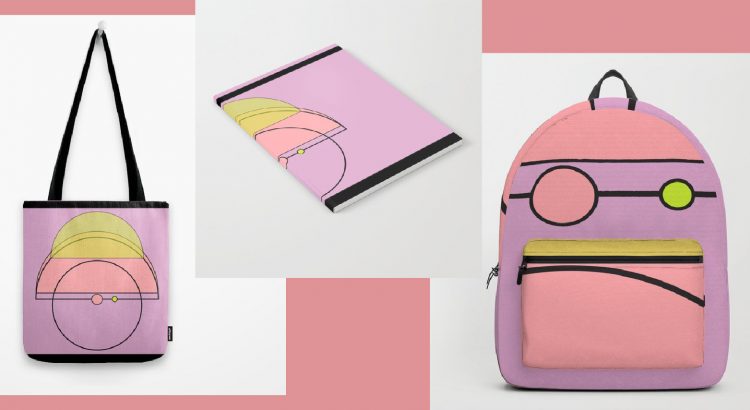
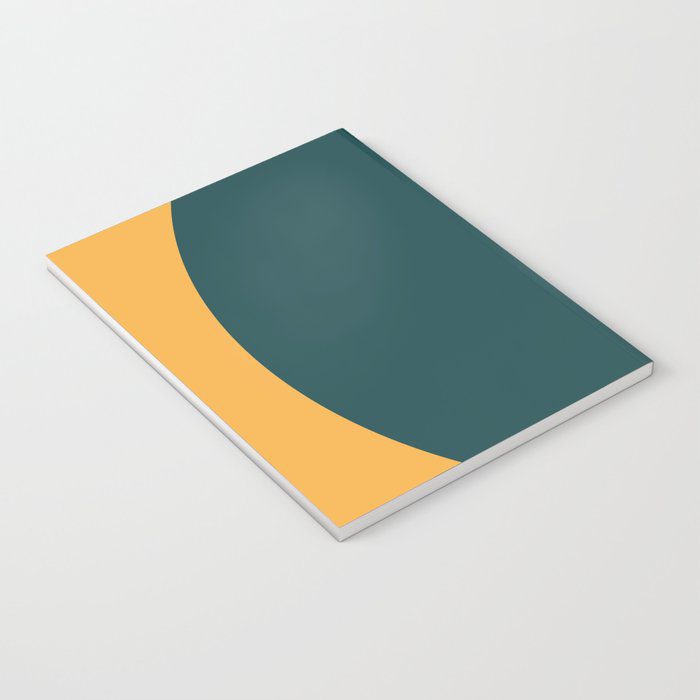
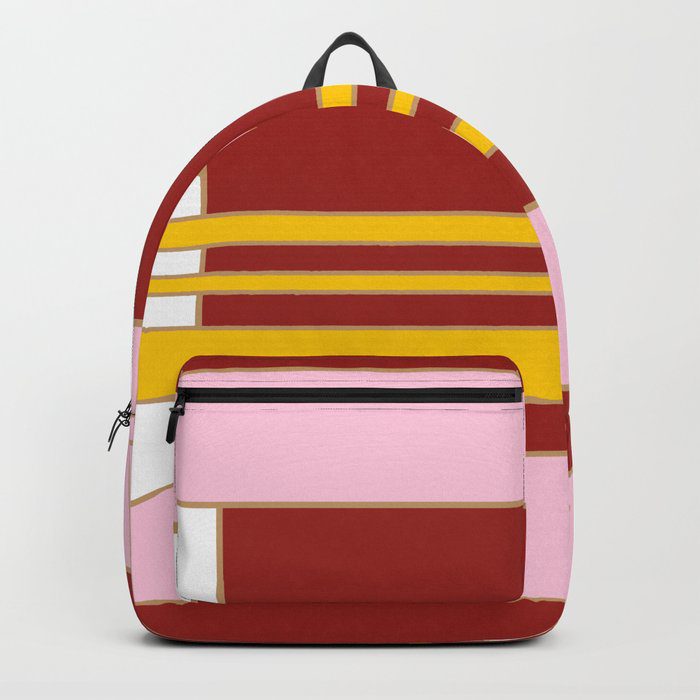
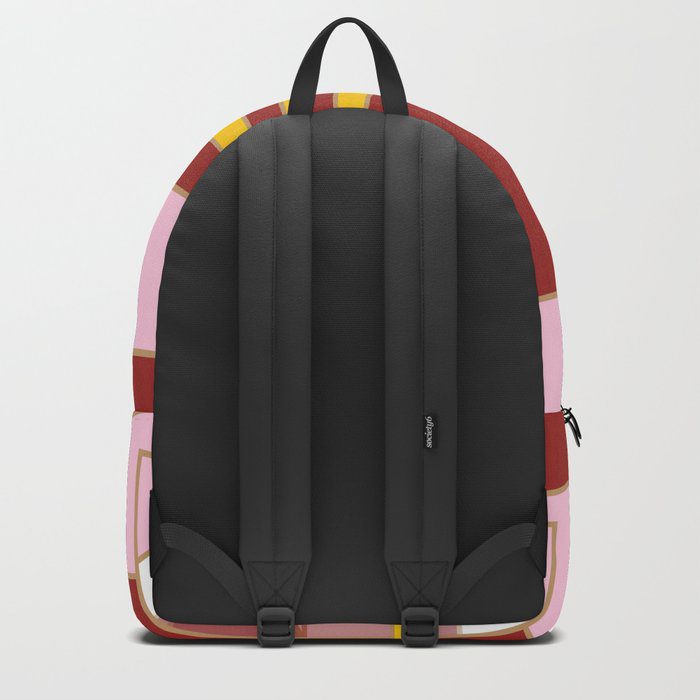
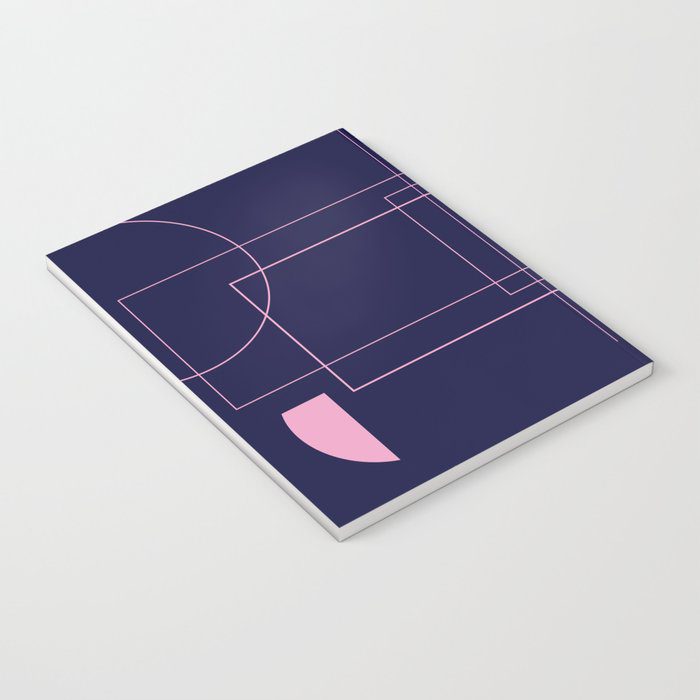
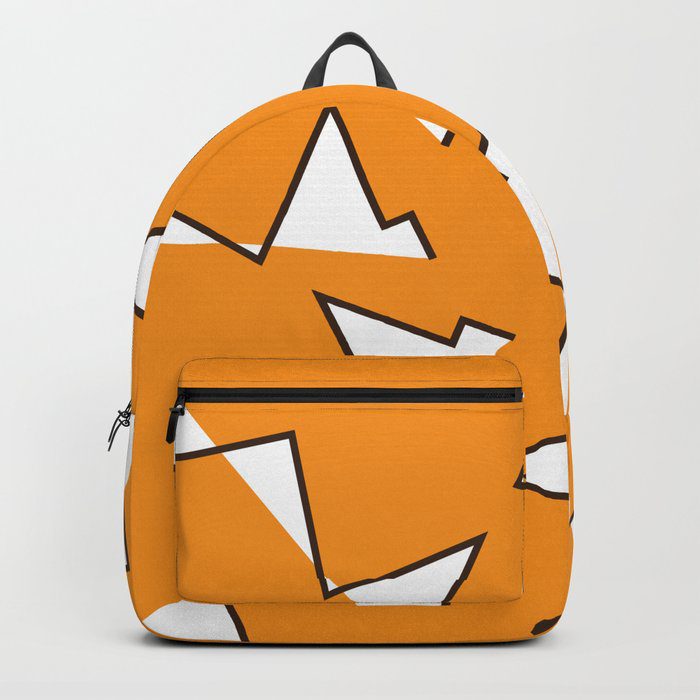
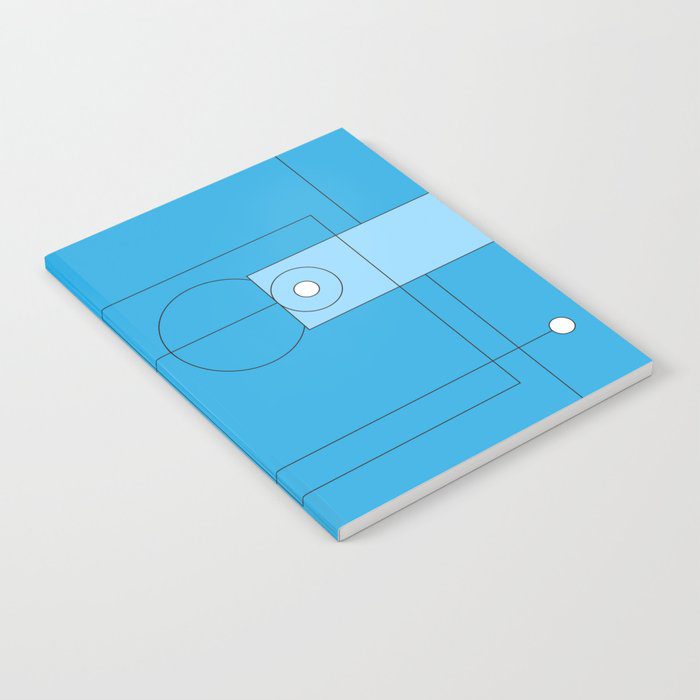
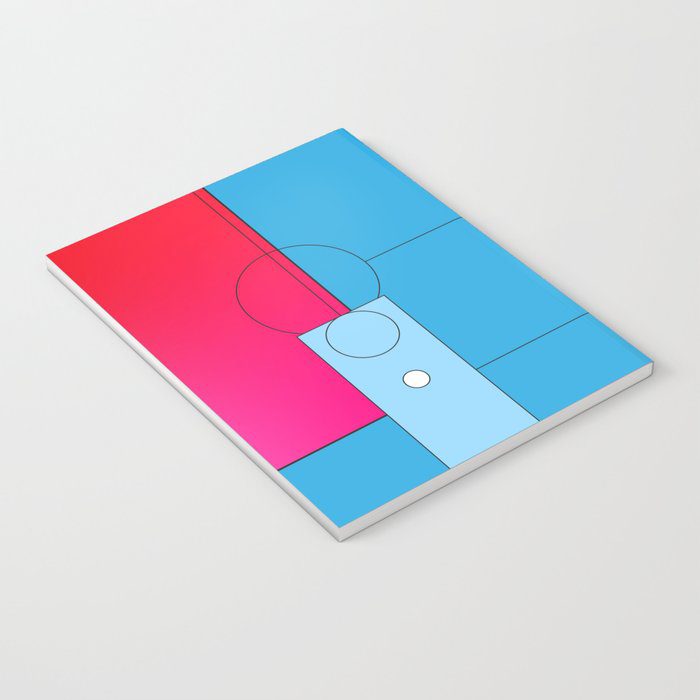
Back to school bookbag and notebook combos
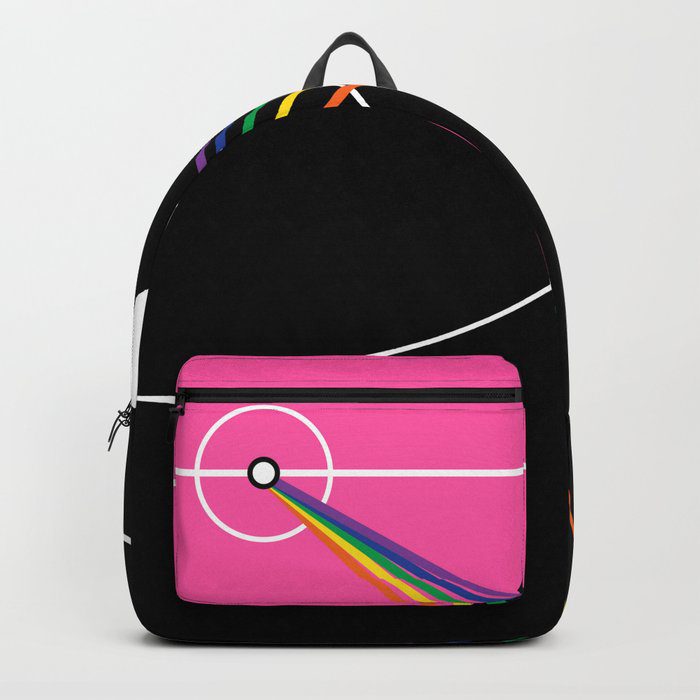
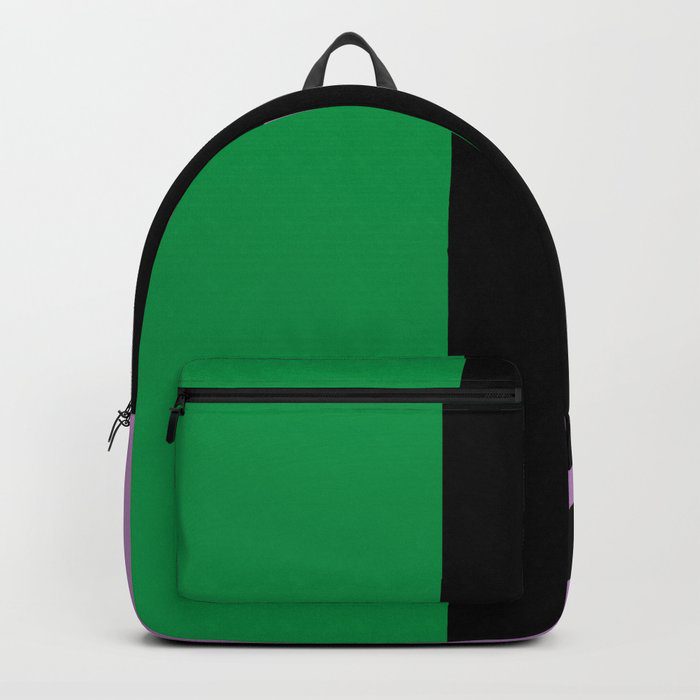
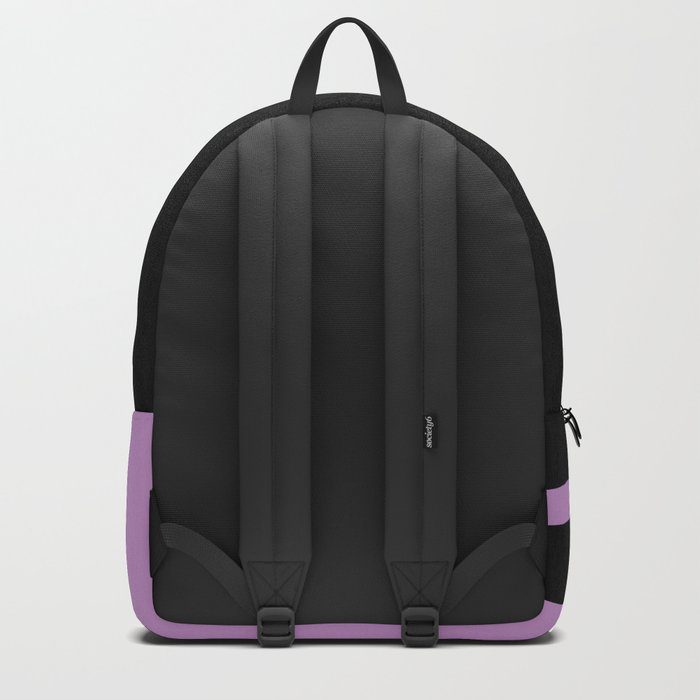
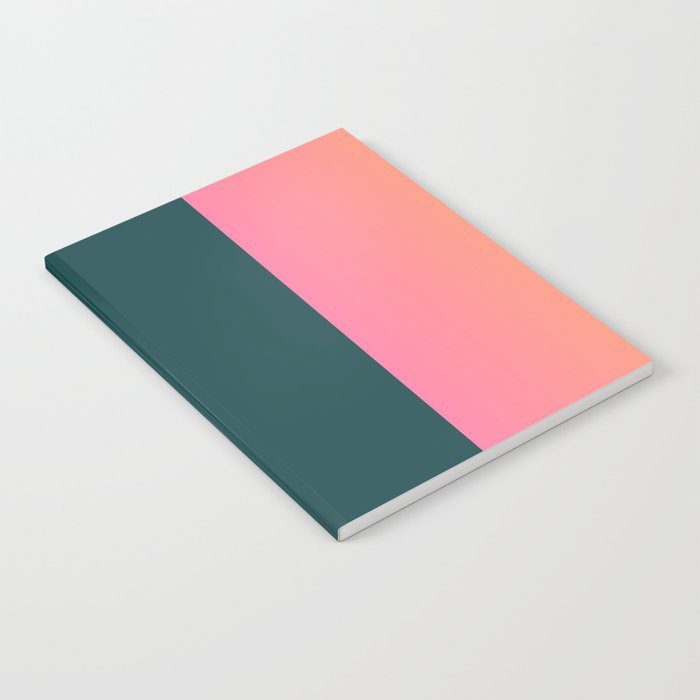
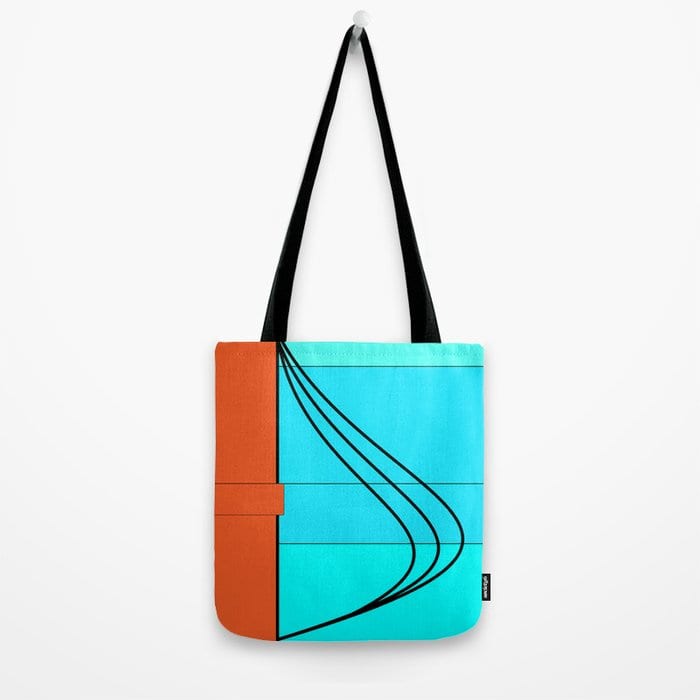
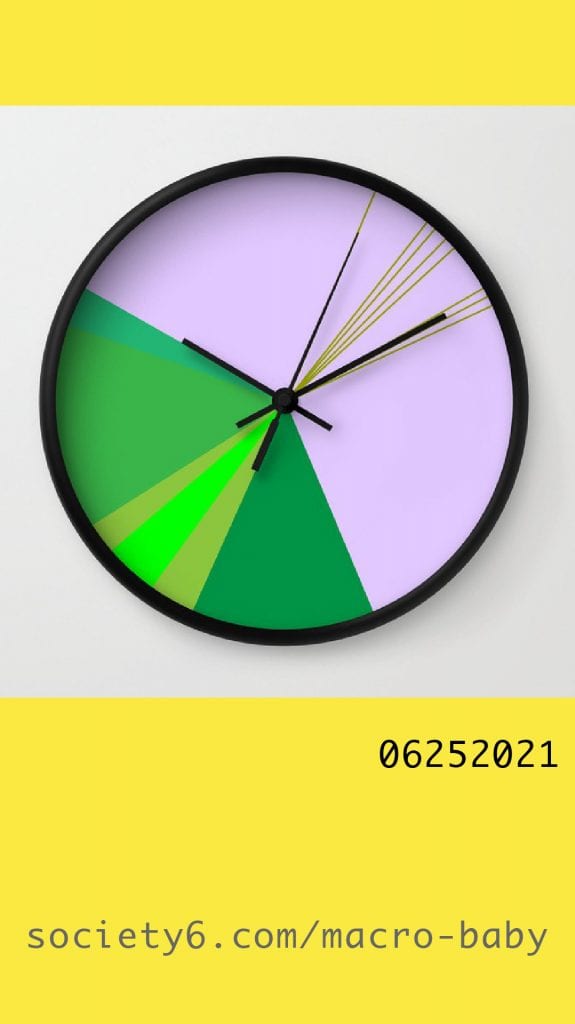
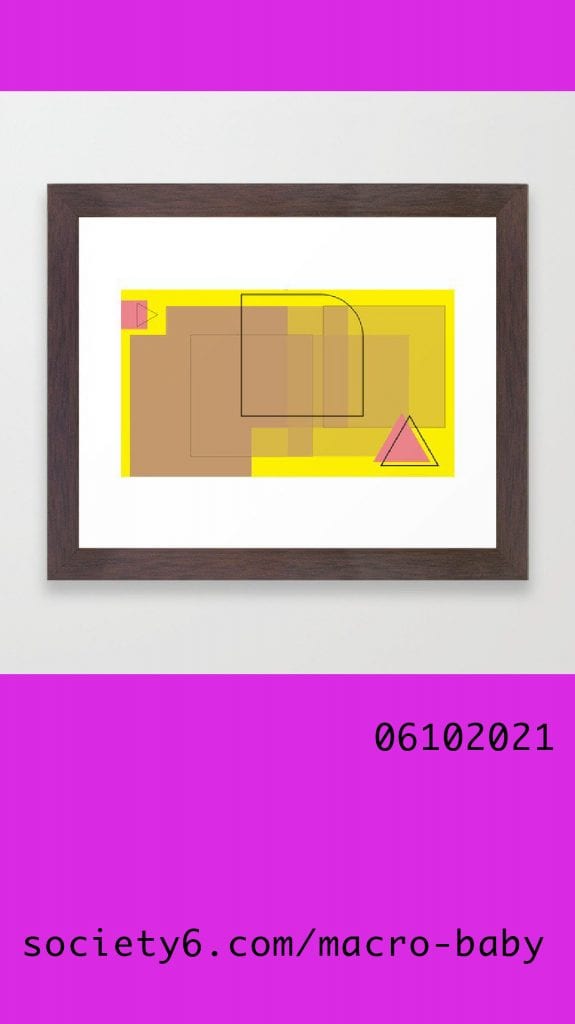
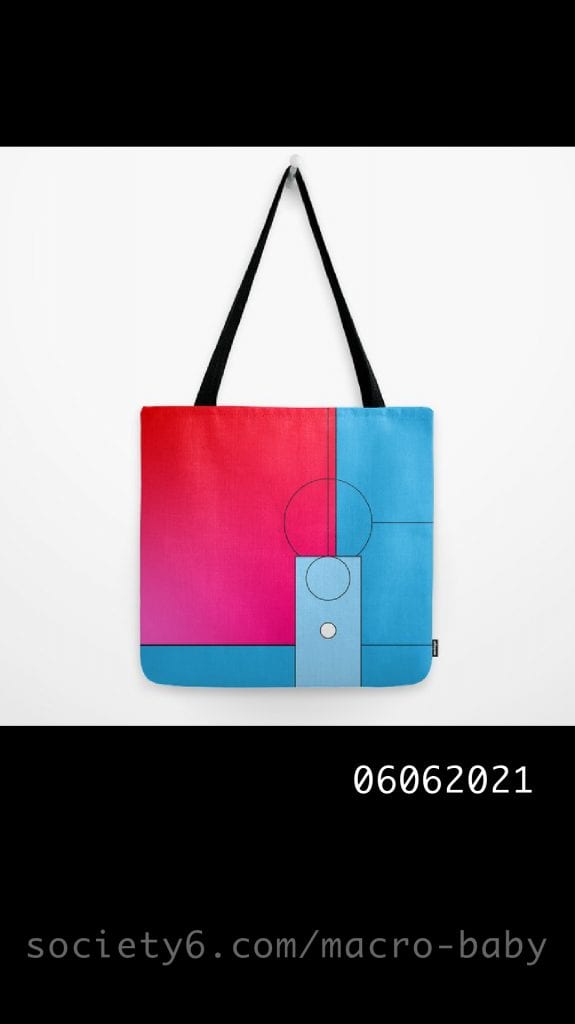
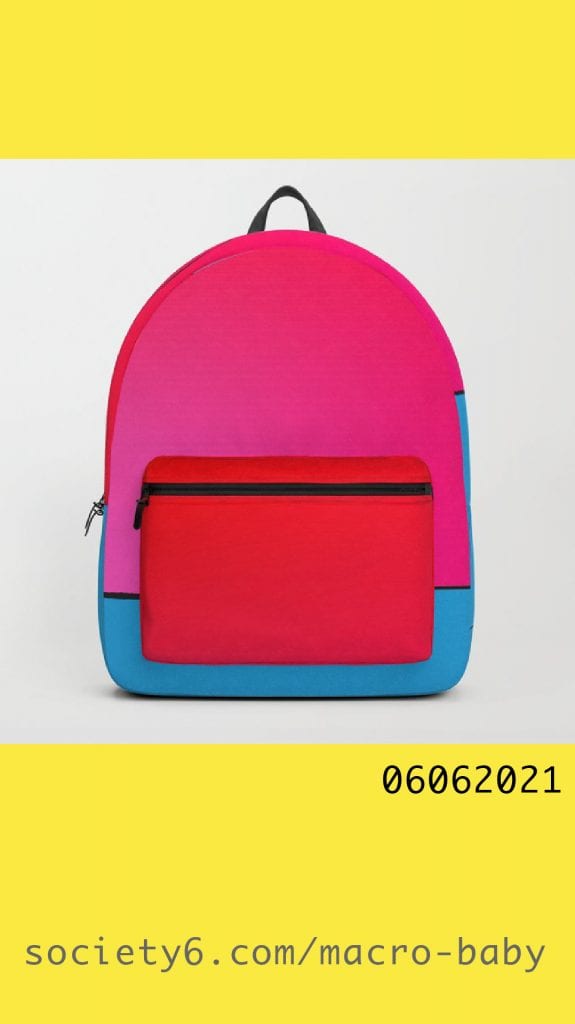
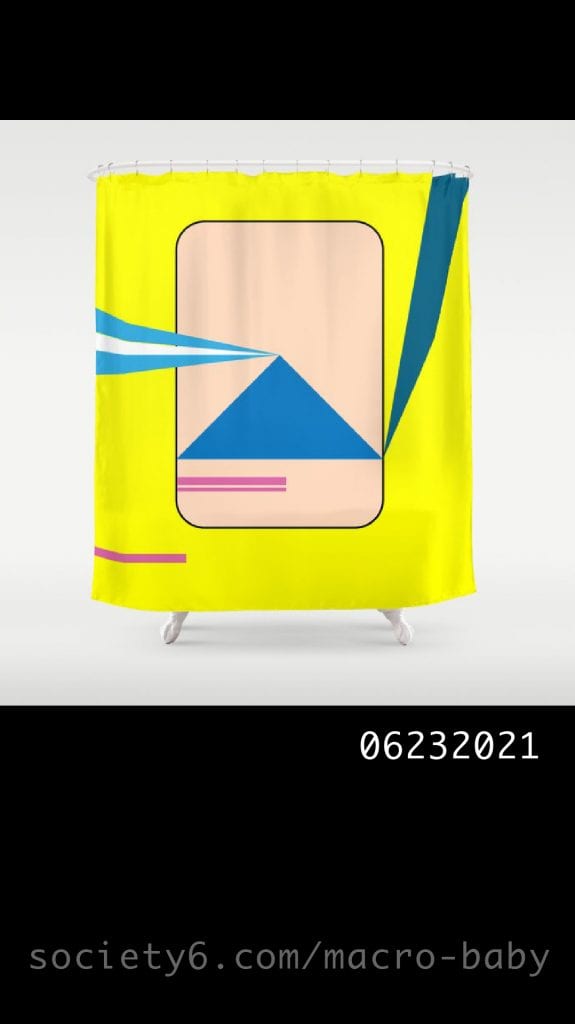
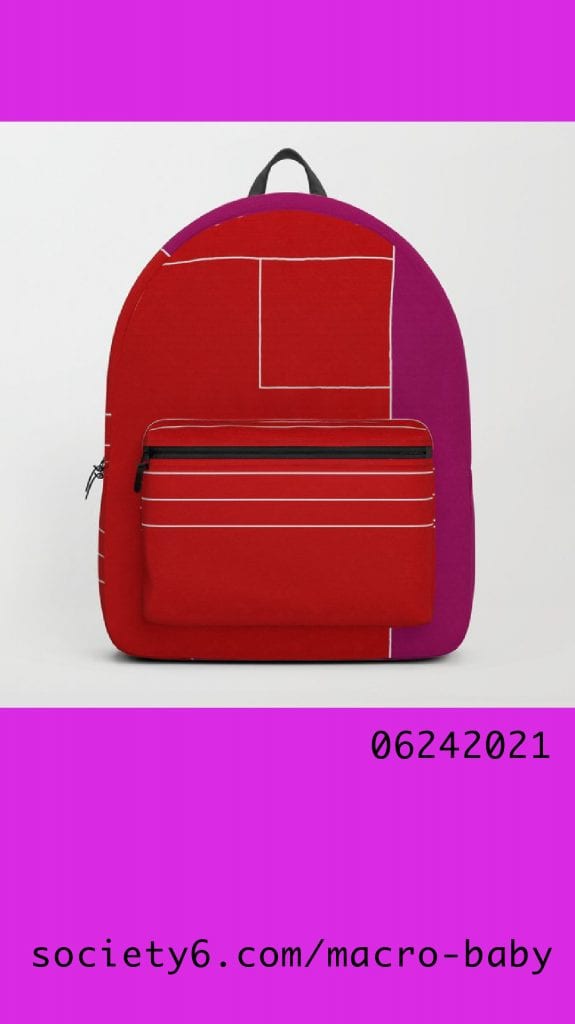
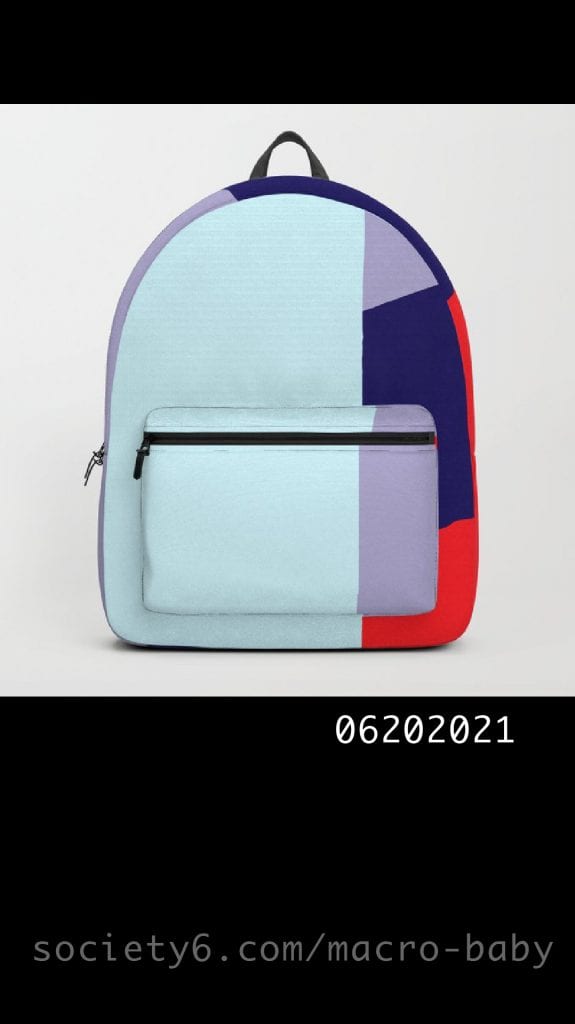
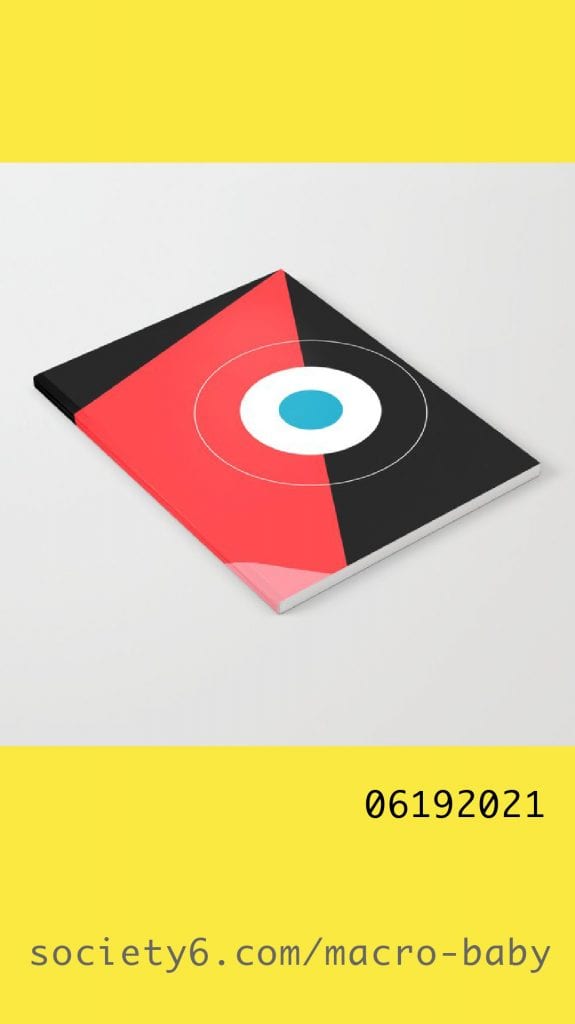
These back to school bookbag and notebook combos by macro.baby fit the trends—and everything else you need them to hold.
The backpacks have a heavy-duty construction, padded nylon backs and bottoms with durable spun poly fabric, and an interior pocket for a laptop. The notebooks are on a high-quality 70-pound paper and feature an anti-scuff laminate cover with a super-soft matte feel.
Mostly, though, they look cool, right? Right.
Colorblock
Pop of pink
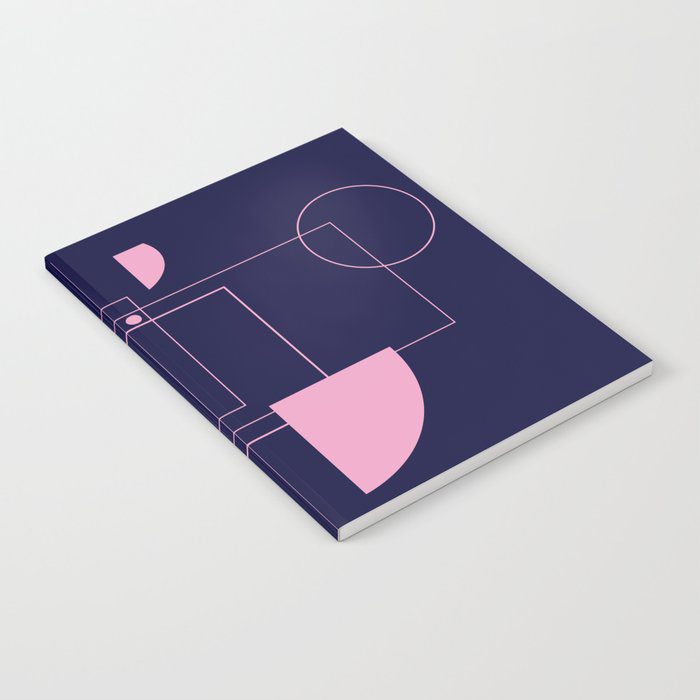
Cool shapes
I got a new job, so here are late highlights from my old one
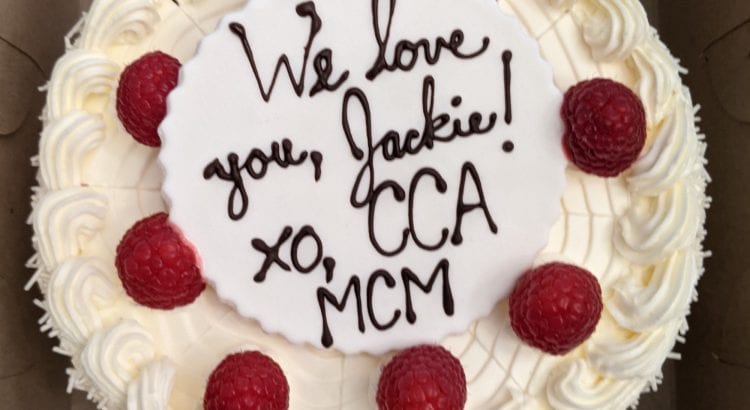
I started a new job in June as a senior content strategist and writer at a Chicago studio (also fully remote!). But between making that transition and traveling for several weeks throughout the month, I haven’t had a chance to post a proper update. Now the point feels moot, so instead I’ll share some of my final work for the college — interviews with recent alum and students. It was such a pleasure writing and editing for California College of the Arts, and I can’t wait to visit campus — and the beach — when I finally get out to the Bay later this year. 🙂
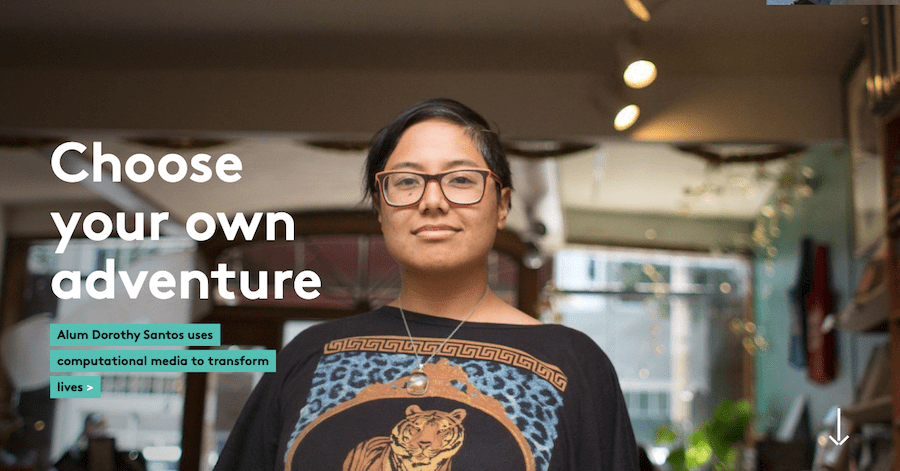
“Writers, poets, playwrights, screenwriters, filmmakers, painters, printmakers, movement practitioners. I’m here to tell you that you’re needed. I was recently having this conversation with one of my friends in the humanities and they said, ‘Well, we’re not curing cancer.’ And I thought, fuck that. I might be inspiring the person who does.“
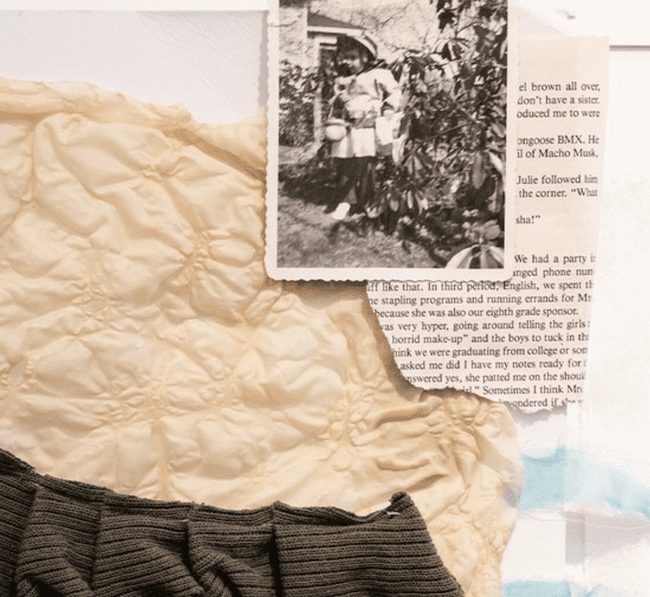
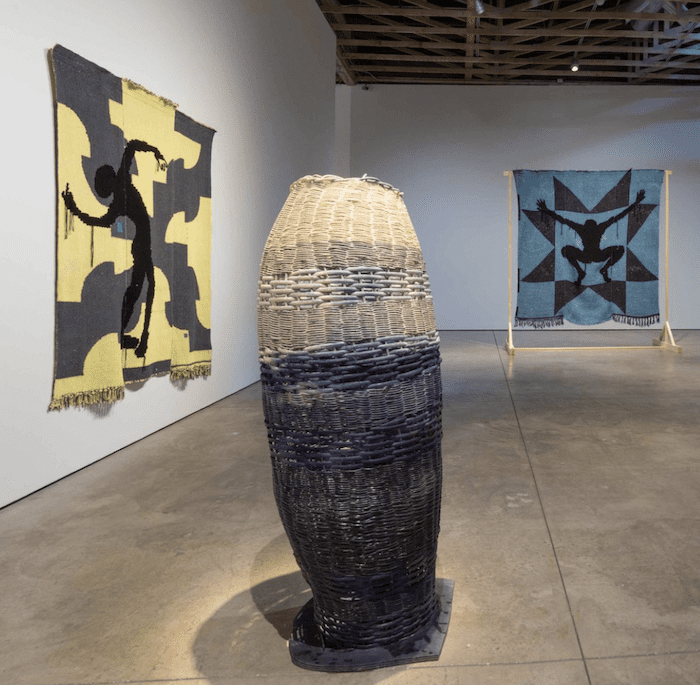
“We have to honor that the environment already gave us those resources to produce those textiles and we need to honor those materials. They’re still useful and they’re beautiful. We just have to find innovative ways to use them. As a society, we consume so many things, all the time, that it won’t be possible to sustain. I like thinking about the hidden history of materials.“
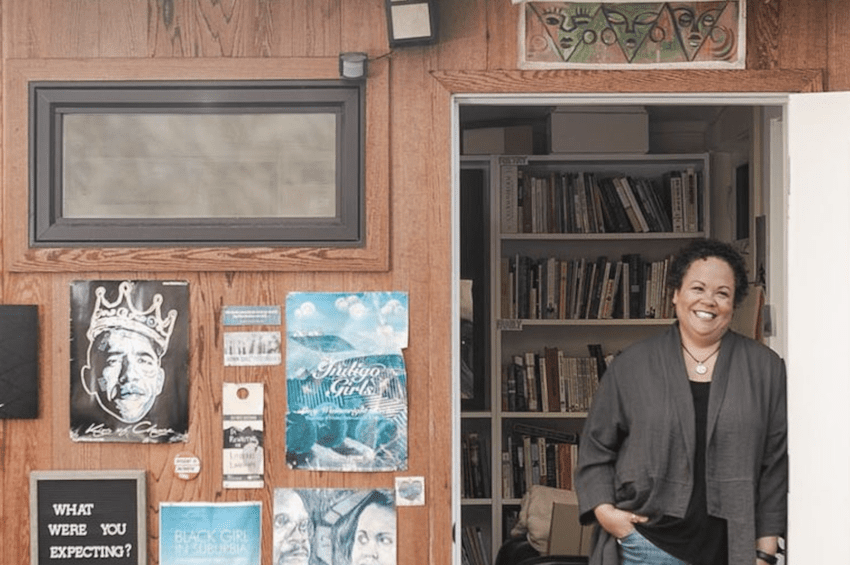
“Yes, it is hard—and sometimes even terrifying—but it’s also delicious to be in charge of yourself, to not be subject to other people’s expectations of where you should go and what you should be.”
“Sometimes people get so careerist in the artistic sense; they think it is all being in the studio. But some of my best work and connections were more organic. It’s not something you can game. You have to figure out where the heat is and invest your time and energy—and make the work. So many people get caught up in what the secret is that they don’t have any work when they crack it.”
Stars aligned: Diedrick Brackens and Lauren O’Connell discuss their new exhibition
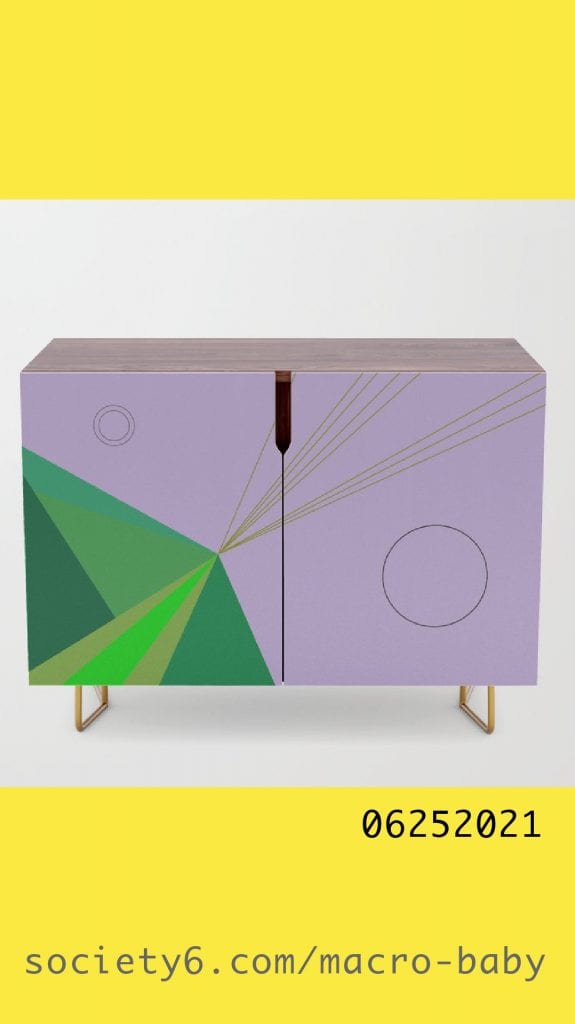
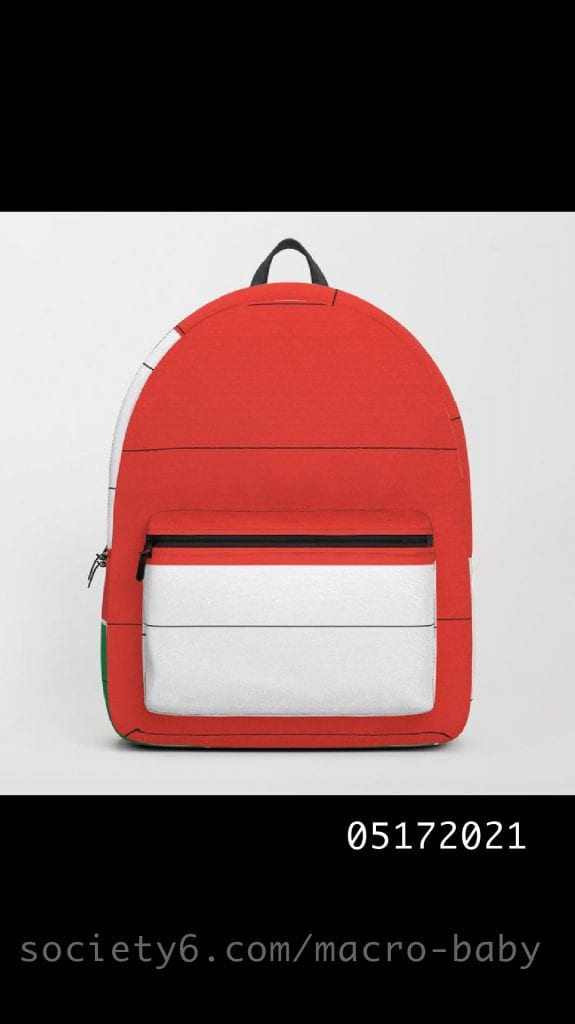
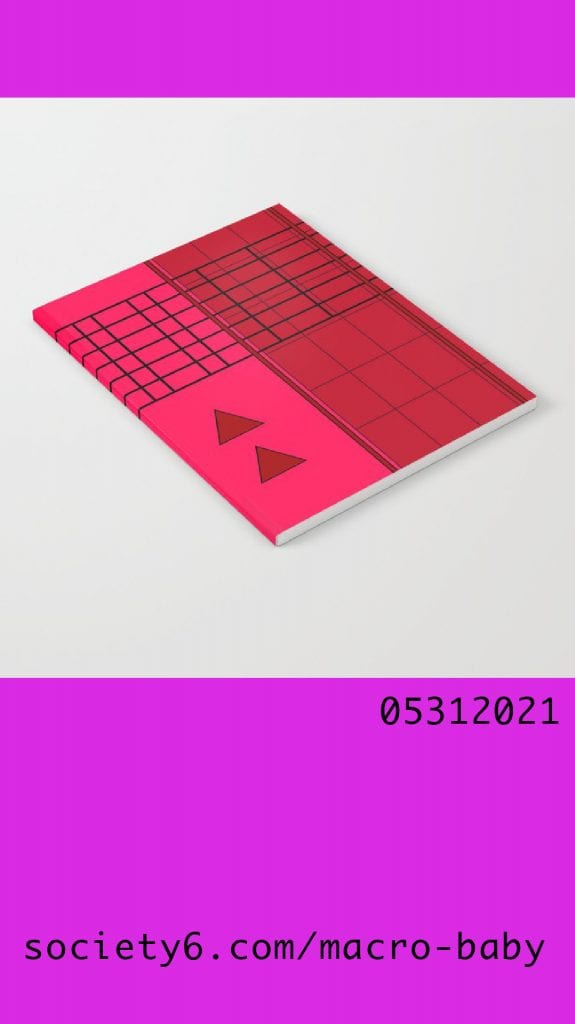
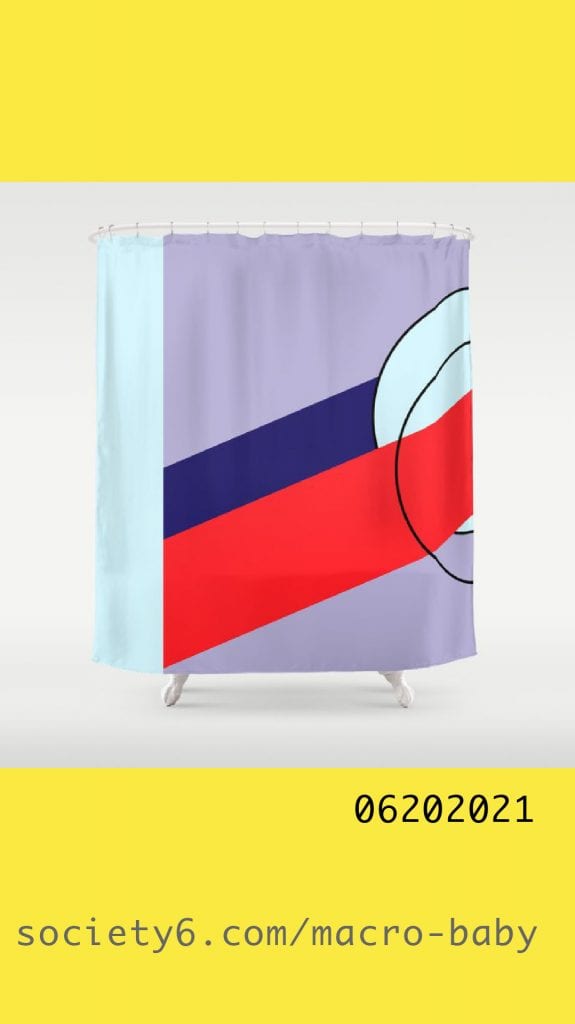
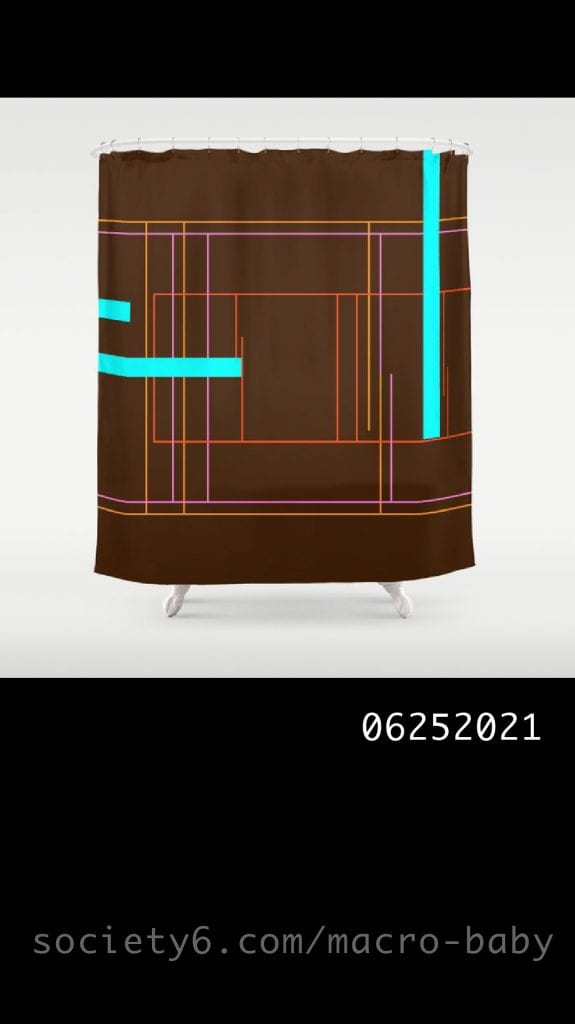
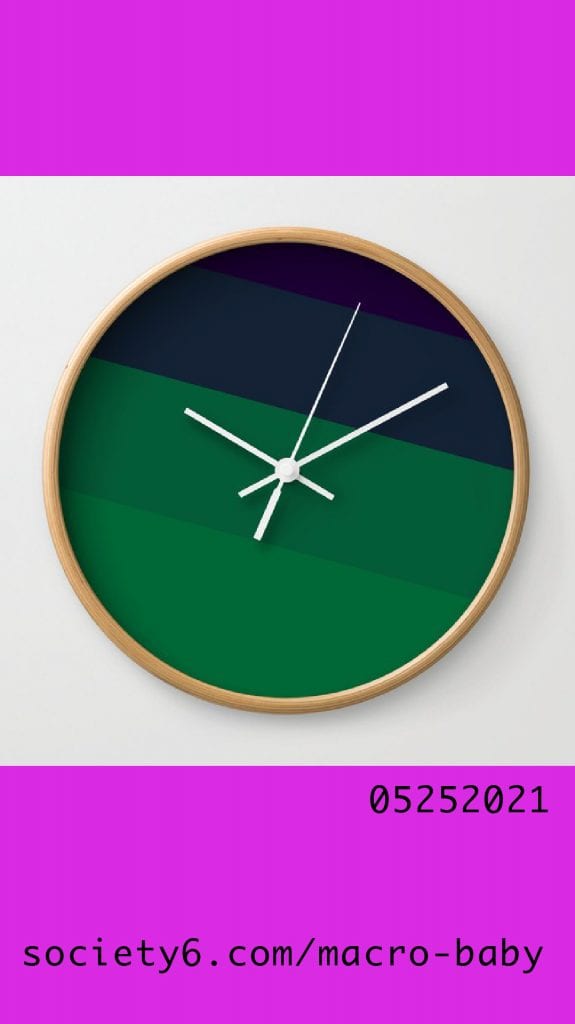
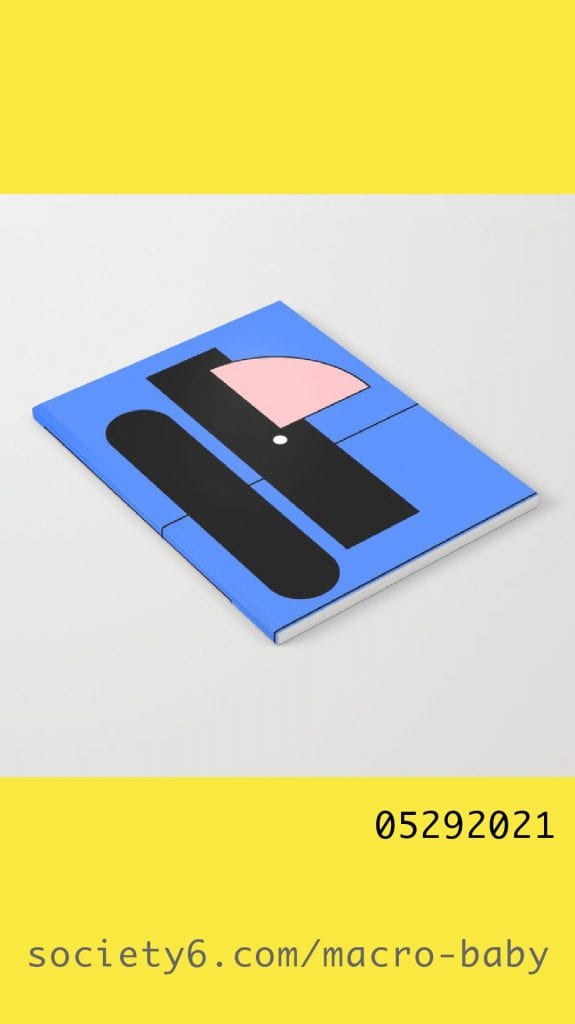
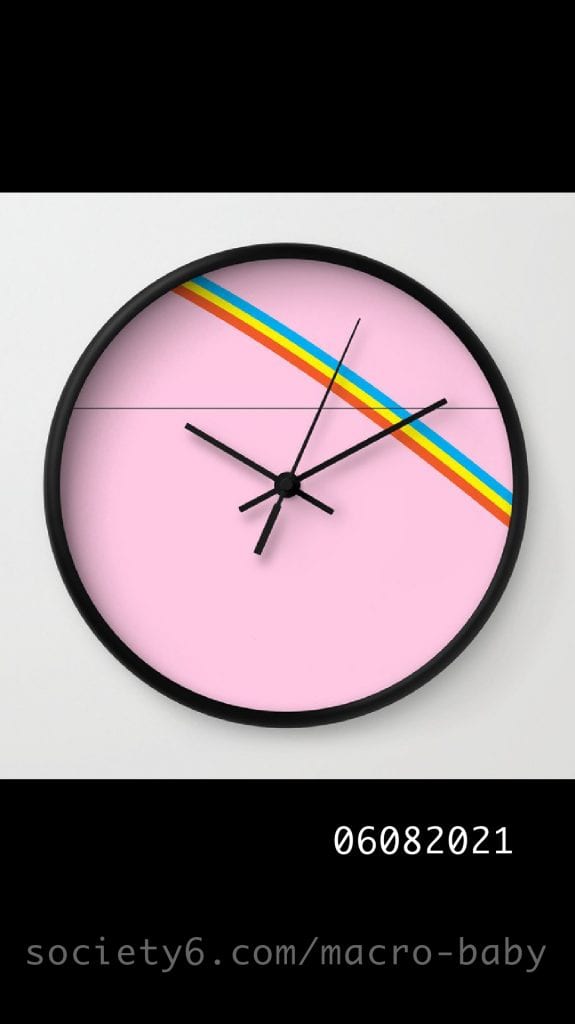
Best of last month’s macro.baby
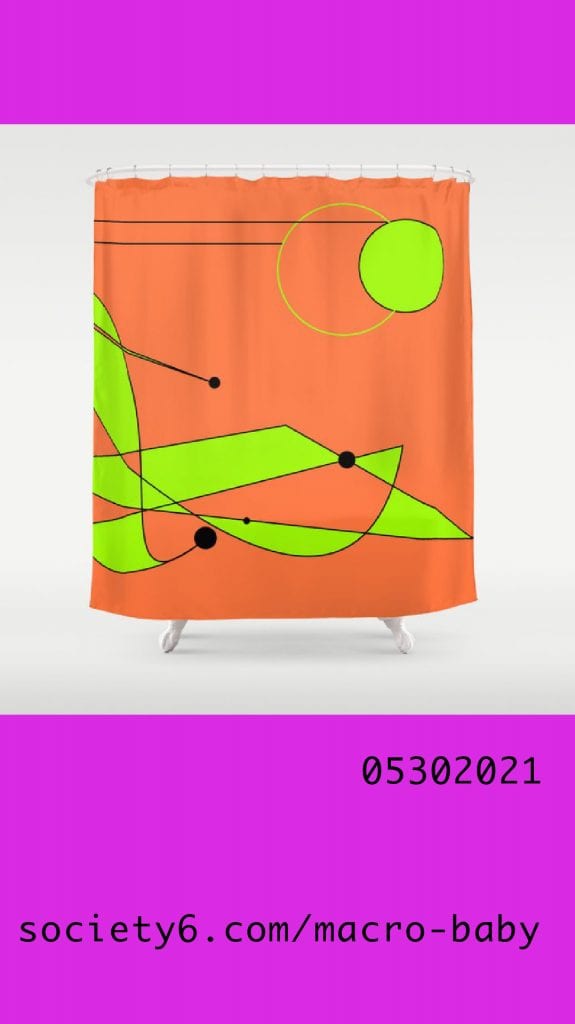
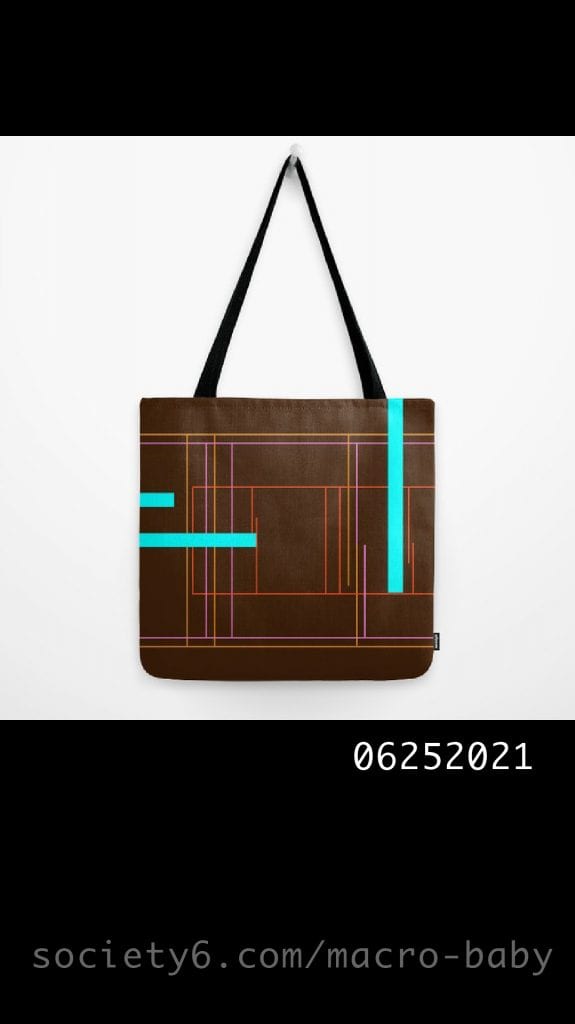
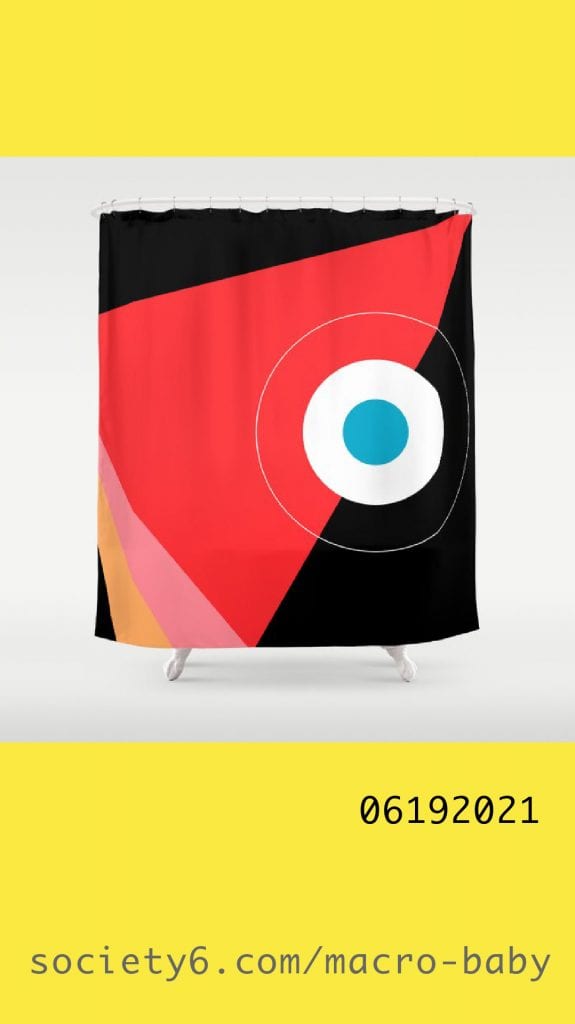
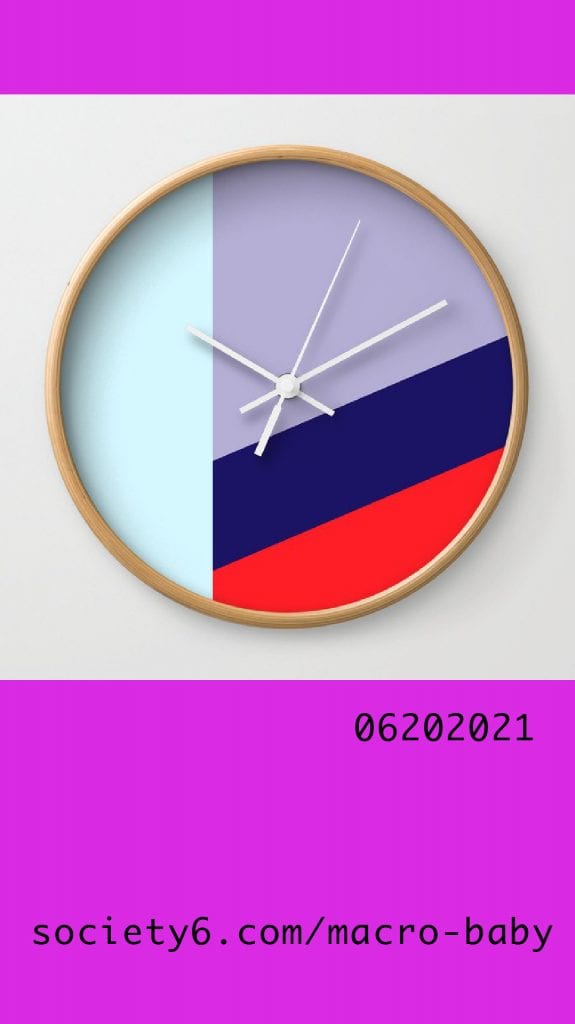
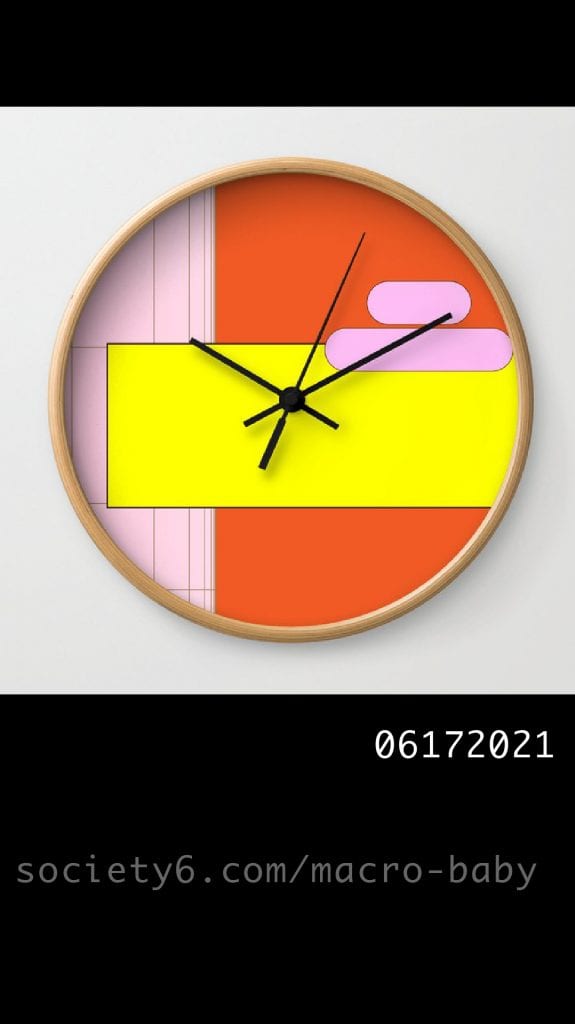
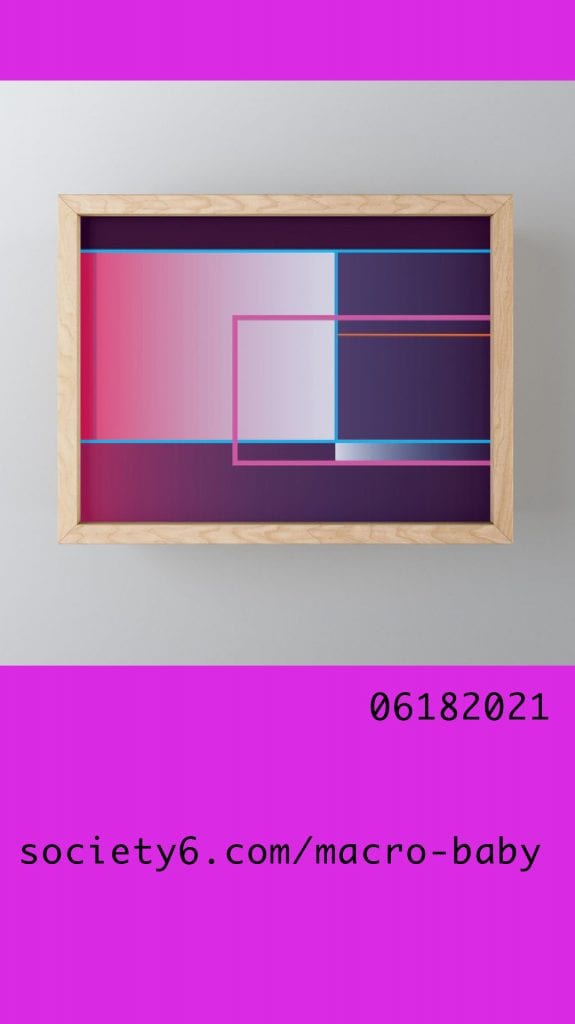
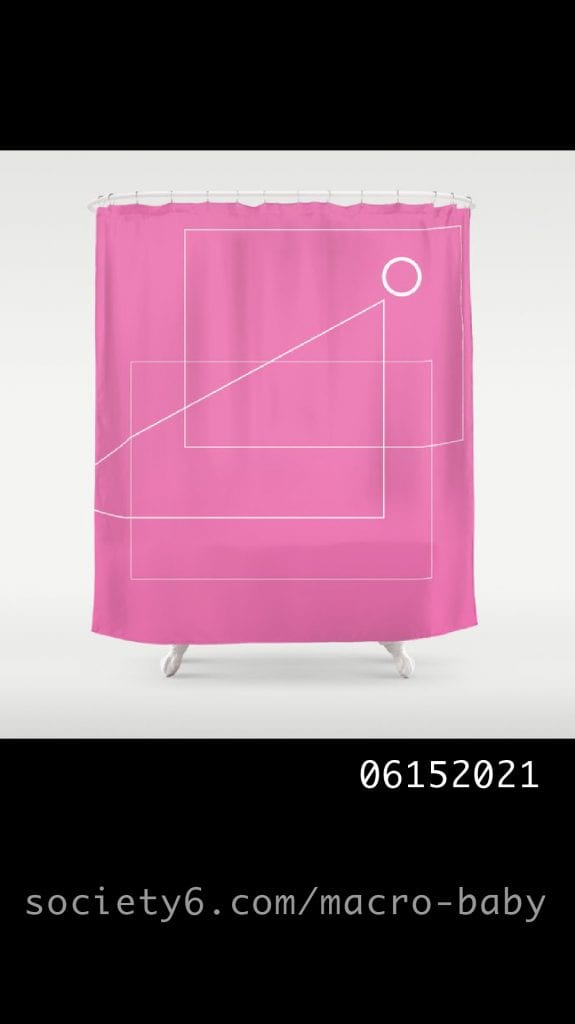
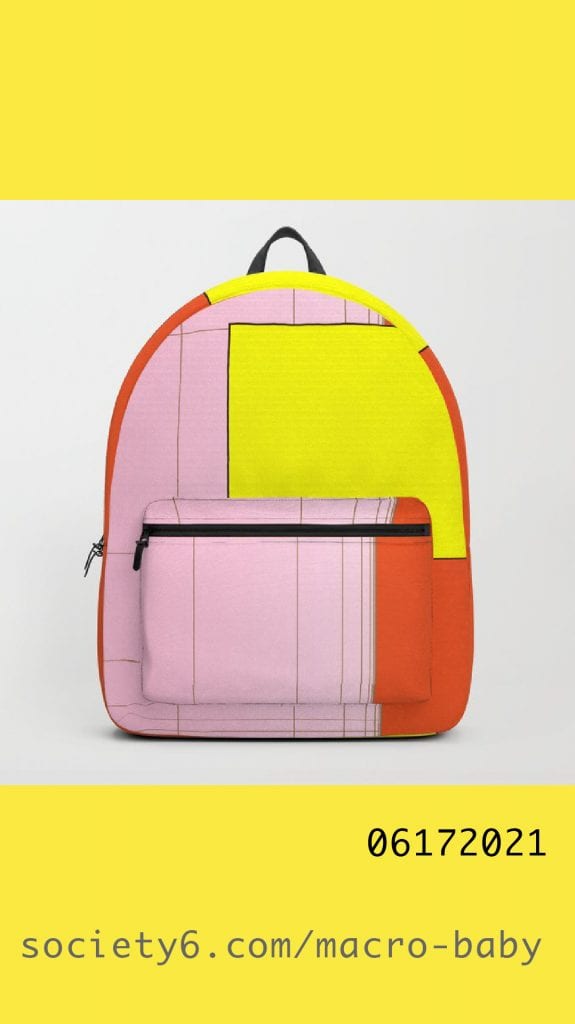
My illustration a day project, dubbed macro.baby, continues. Through rain! Through shine! Through crippling sadness and/or shoddy window unit air conditioning!

06252021 05172021 05312021 06202021 06252021 05252021 05292021 06082021 06252021 06102021 06062021 06062021 06082021 06212021 06092021 06222021 06232021 06242021 06202021 06192021 05252021 06272021 06272021 06192021 06242021 06272021 05292021 06182021 05302021 06252021 06192021 06202021 06172021 06272021 06162021 06152021 06172021 06182021 06152021 06172021
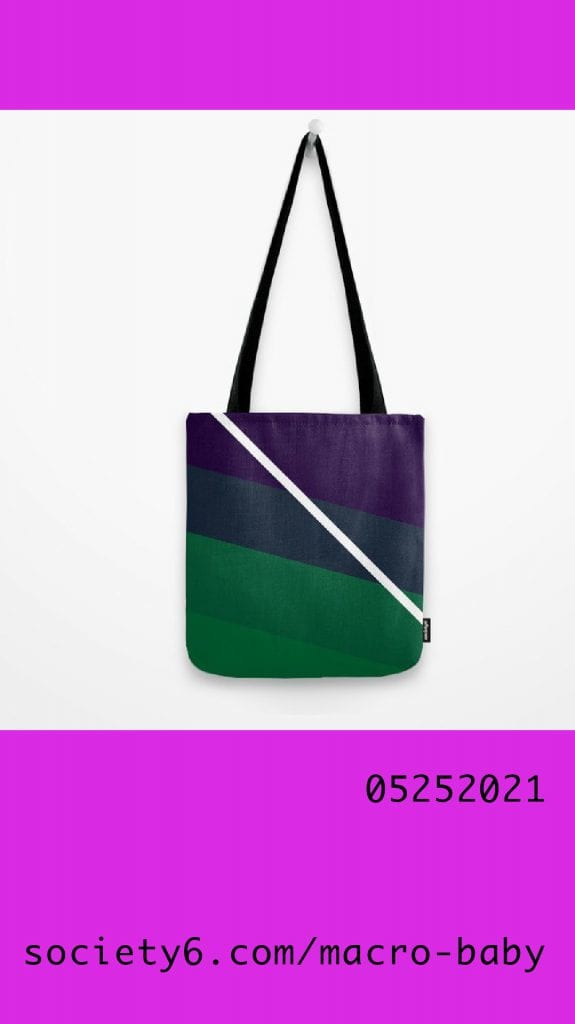
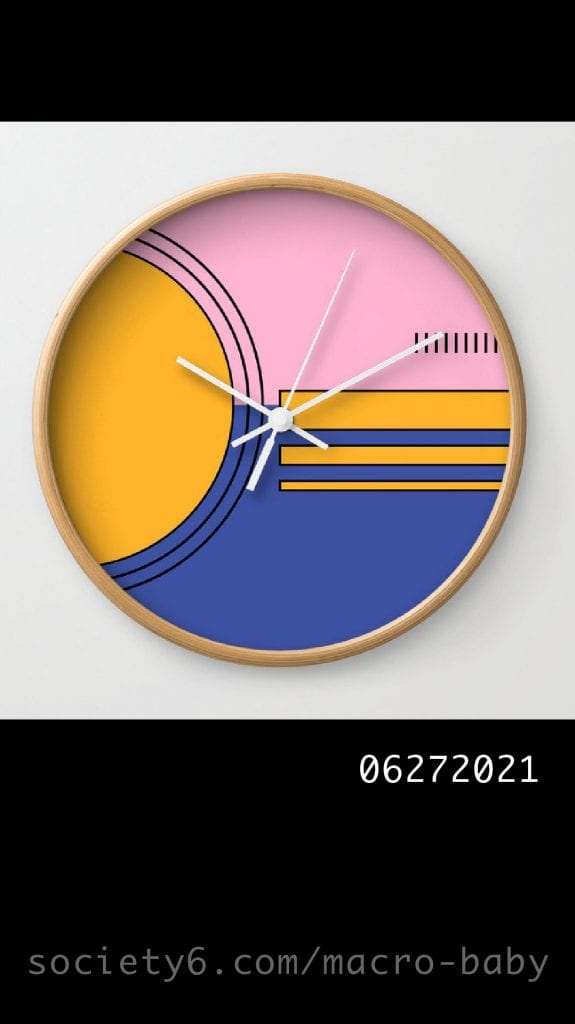
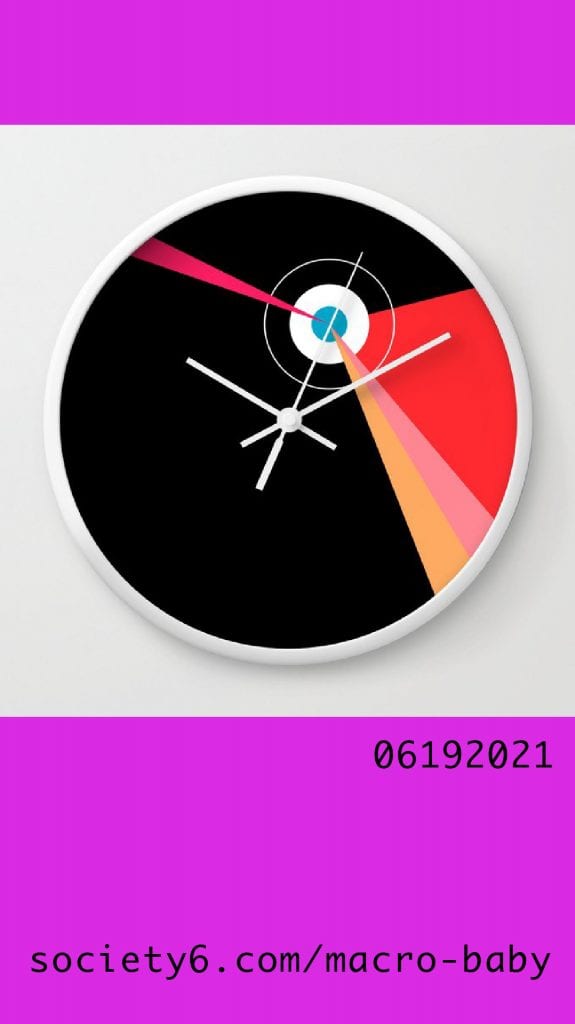
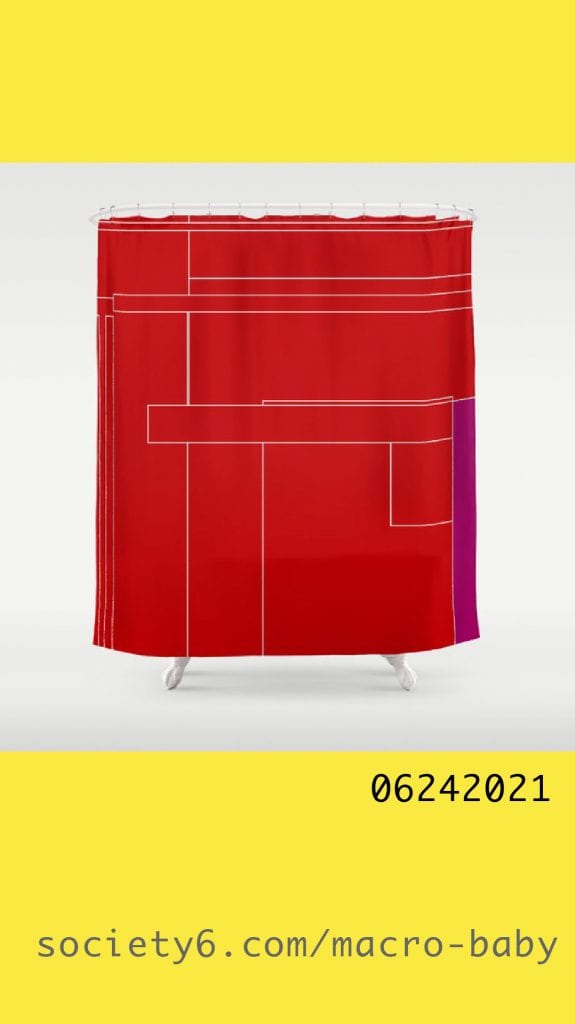
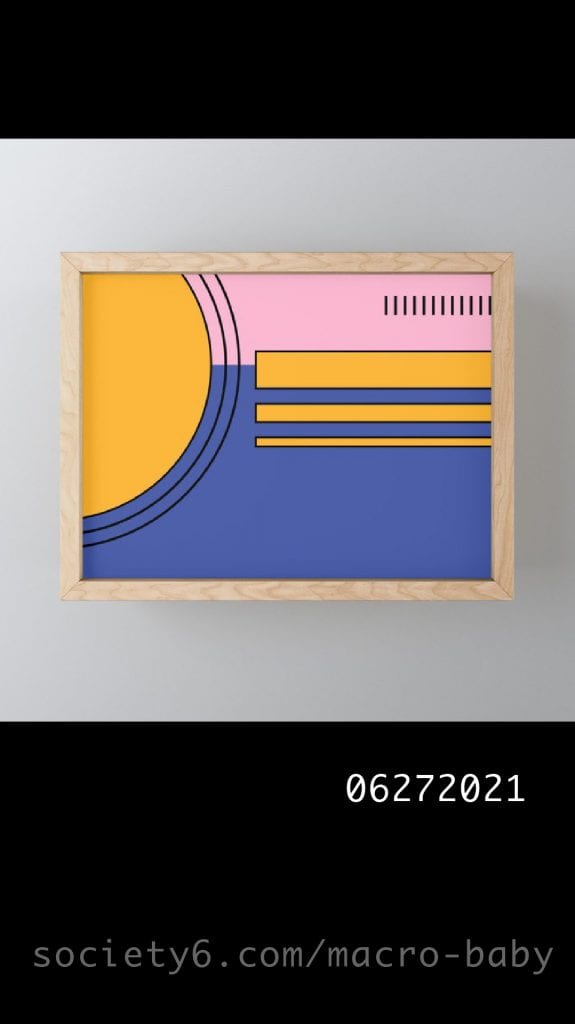
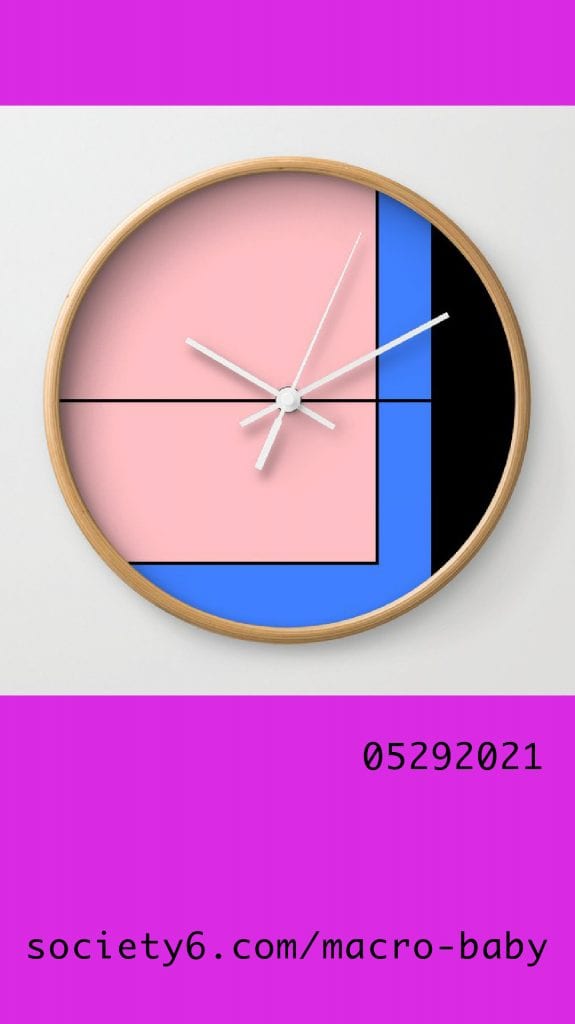
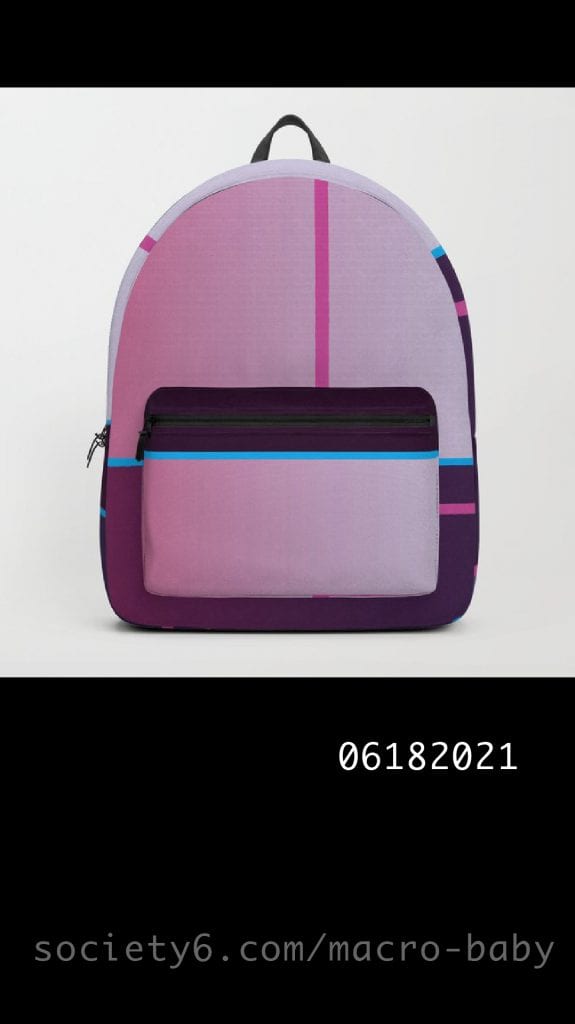
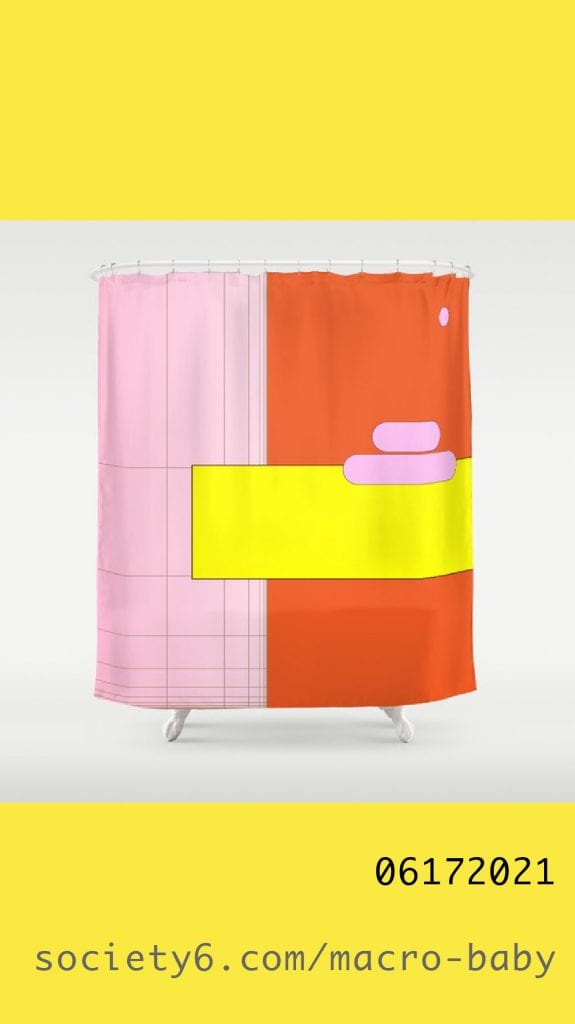
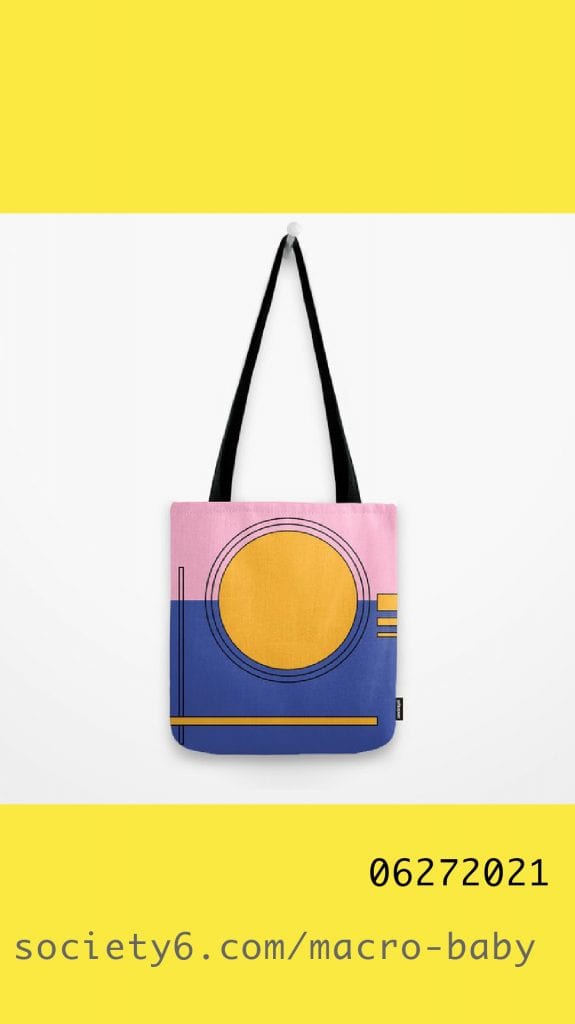
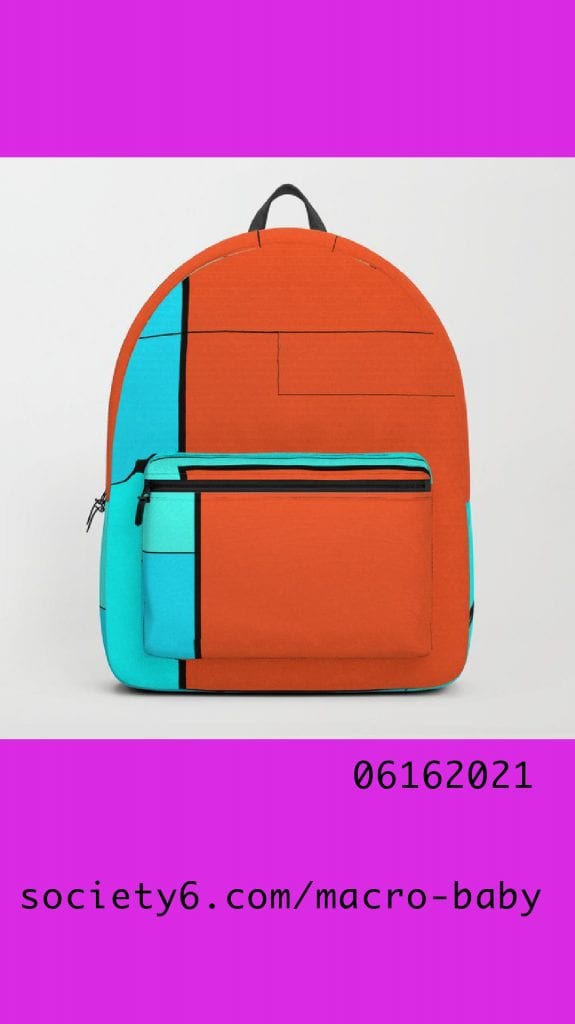
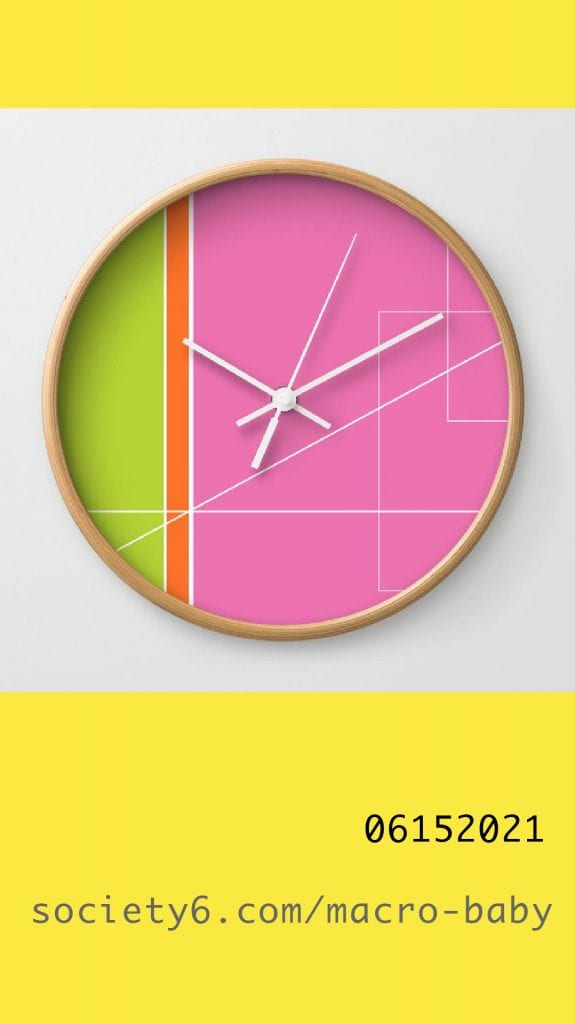
💥 A July giveaway 💥
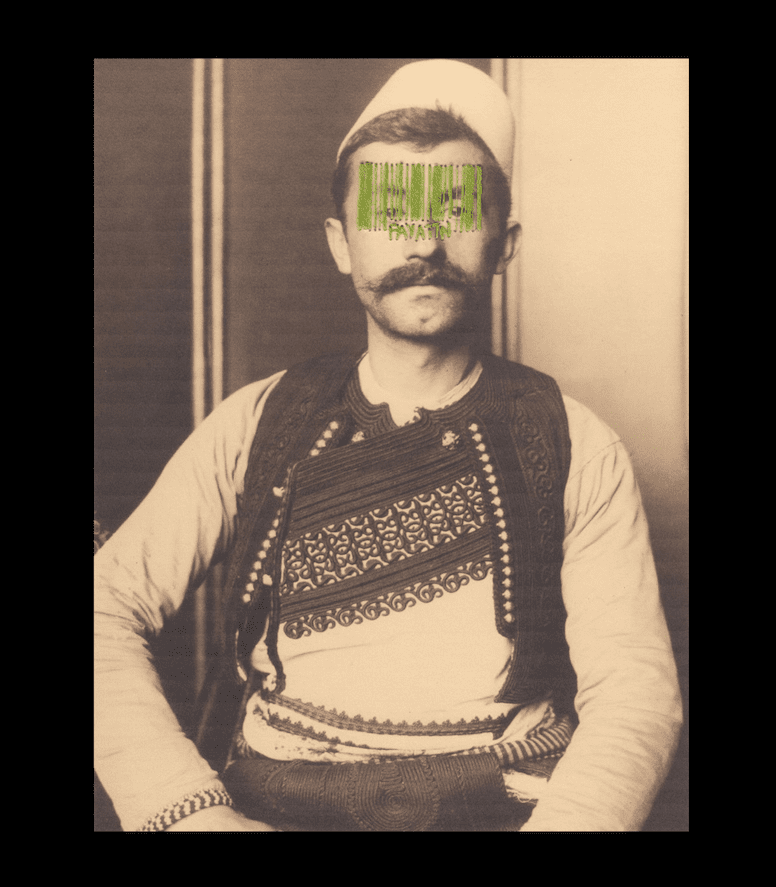
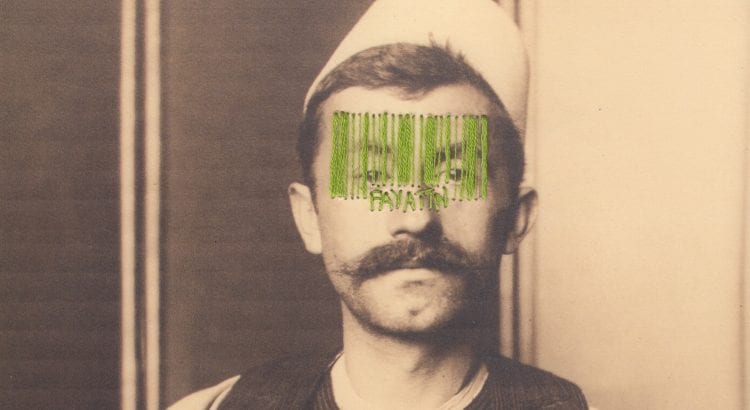
Spend $75 or more on shop.jackiemantey.com this month and get a free print of “Pay Attention” (pictured above, to be mailed August 1). // Original image info: “Albanian Solider” (1906-1914) from photographer Augustus Sherman’s collection of photographs from Ellis Island, which is worth a scroll this Fourth of July weekend.
Have fun! Be free! Love your neighbor!
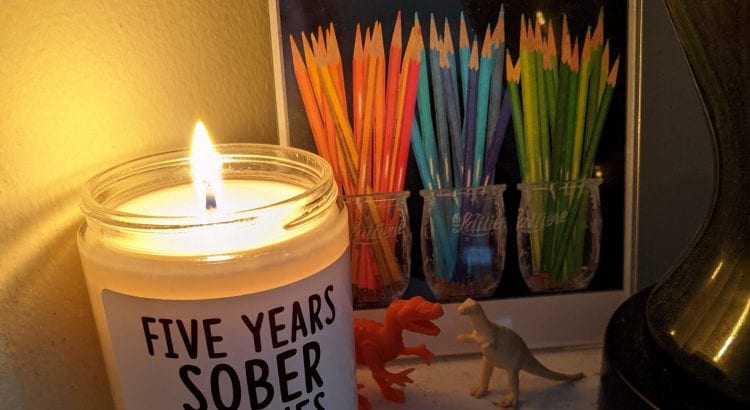
~FIVE YEARS SOBER~
Five years is 1,825 days.
It’s 12 steps and two weekly meetups.
It’s one husband, three therapists, and a better best friend.
It’s a boost on a bad day.
It’s a confession on a good one.
It’s a letting go of all that was lost when drowned.
It’s noticing flowers bloom, leaves change, skin prickle, water bend, sirens howl, clouds melt, squirrels race, backs curl, dumplings steam, cake melt, chest tighten, pink glow, humility work, and truth help—for the first time, over and over.
It’s the distance it takes to be the same shape, stitching, color, and silhouette of spirit—turned right-side out.
It’s the whole of all that is countless.
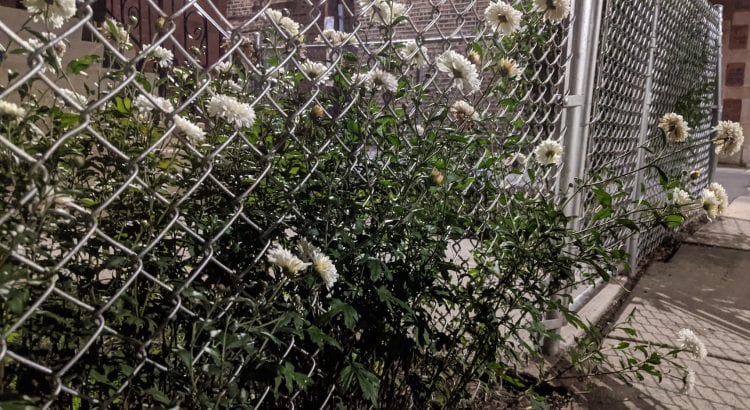
Photo essay: Plants of my pandemic
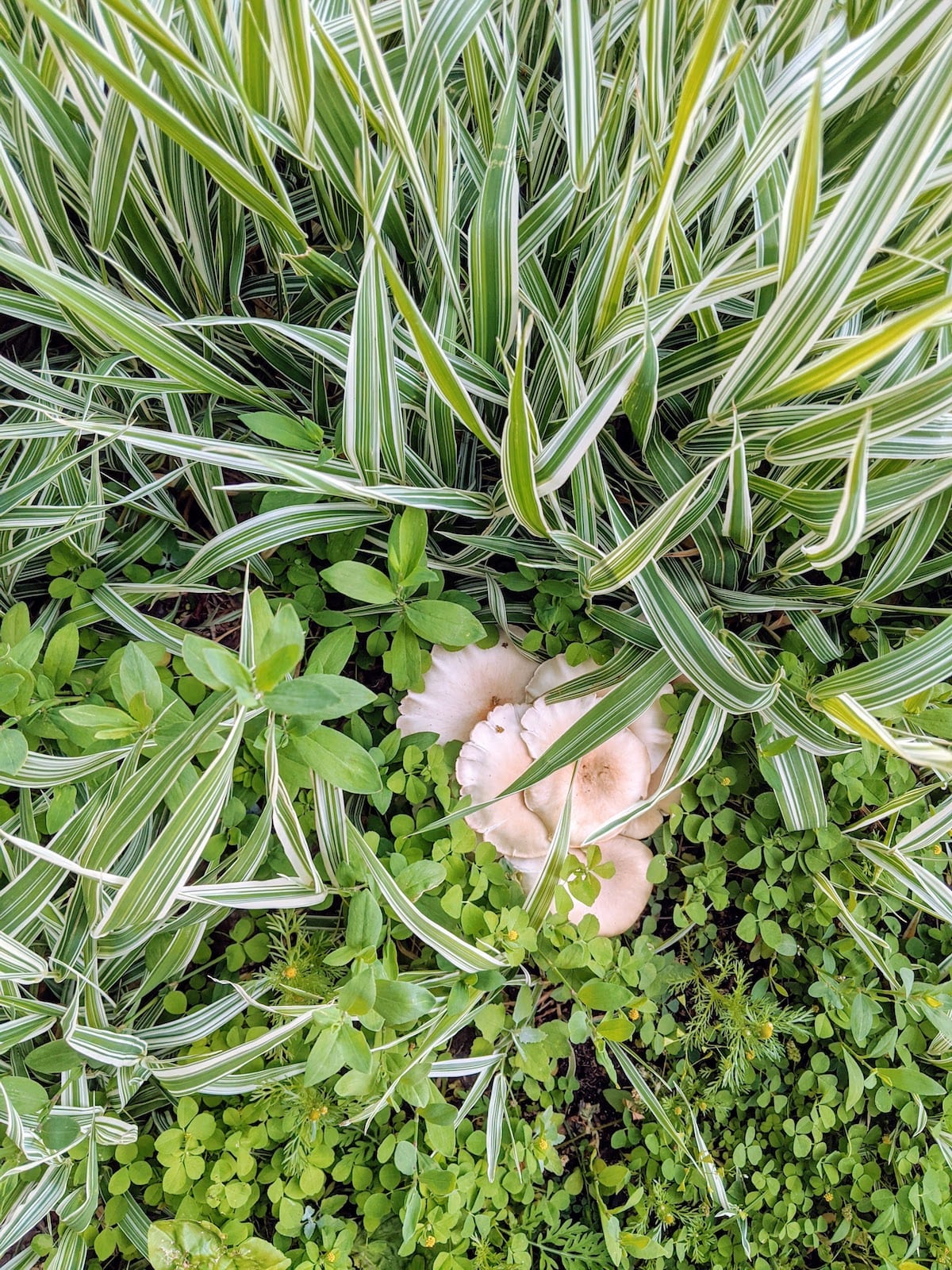
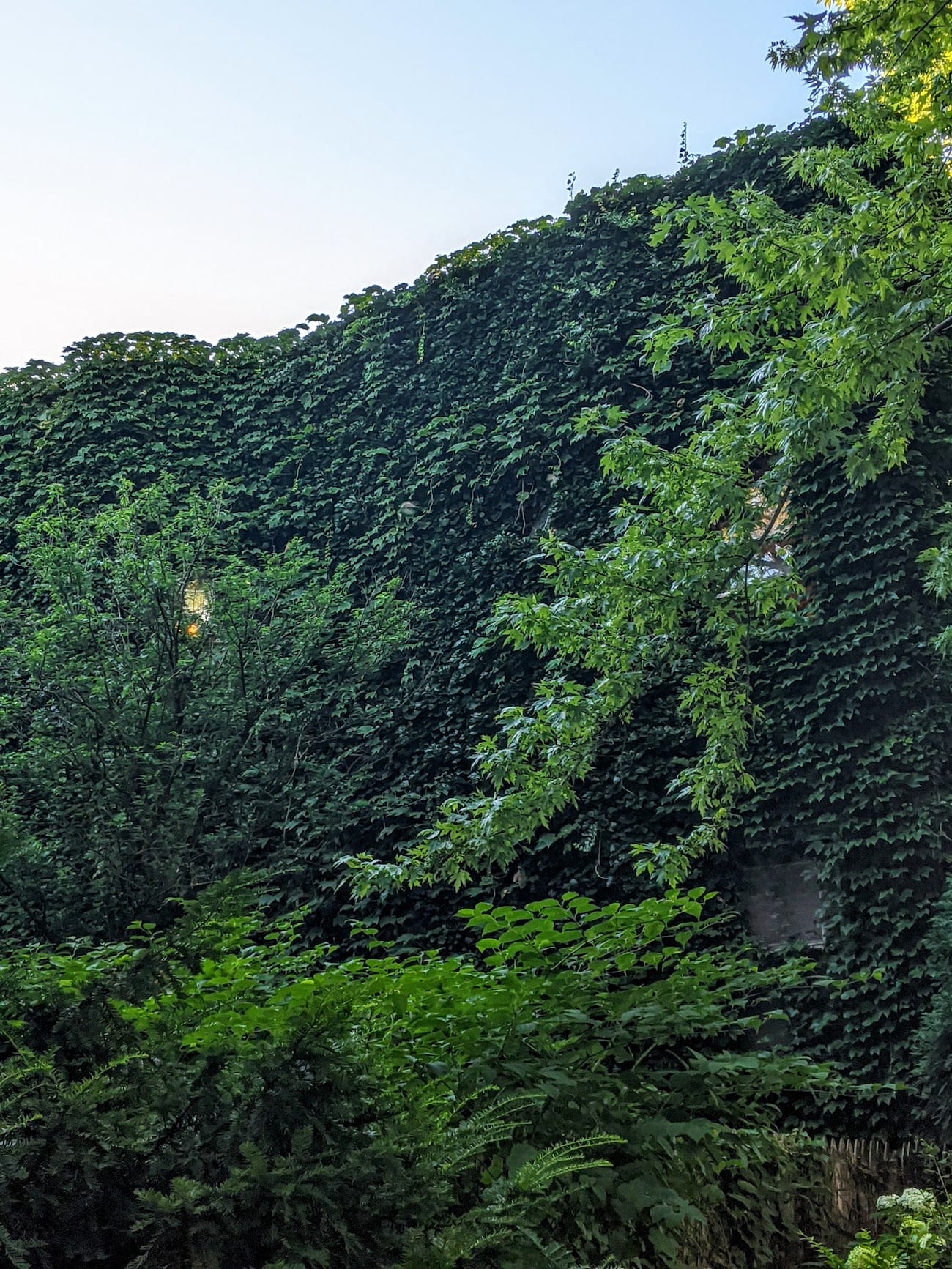
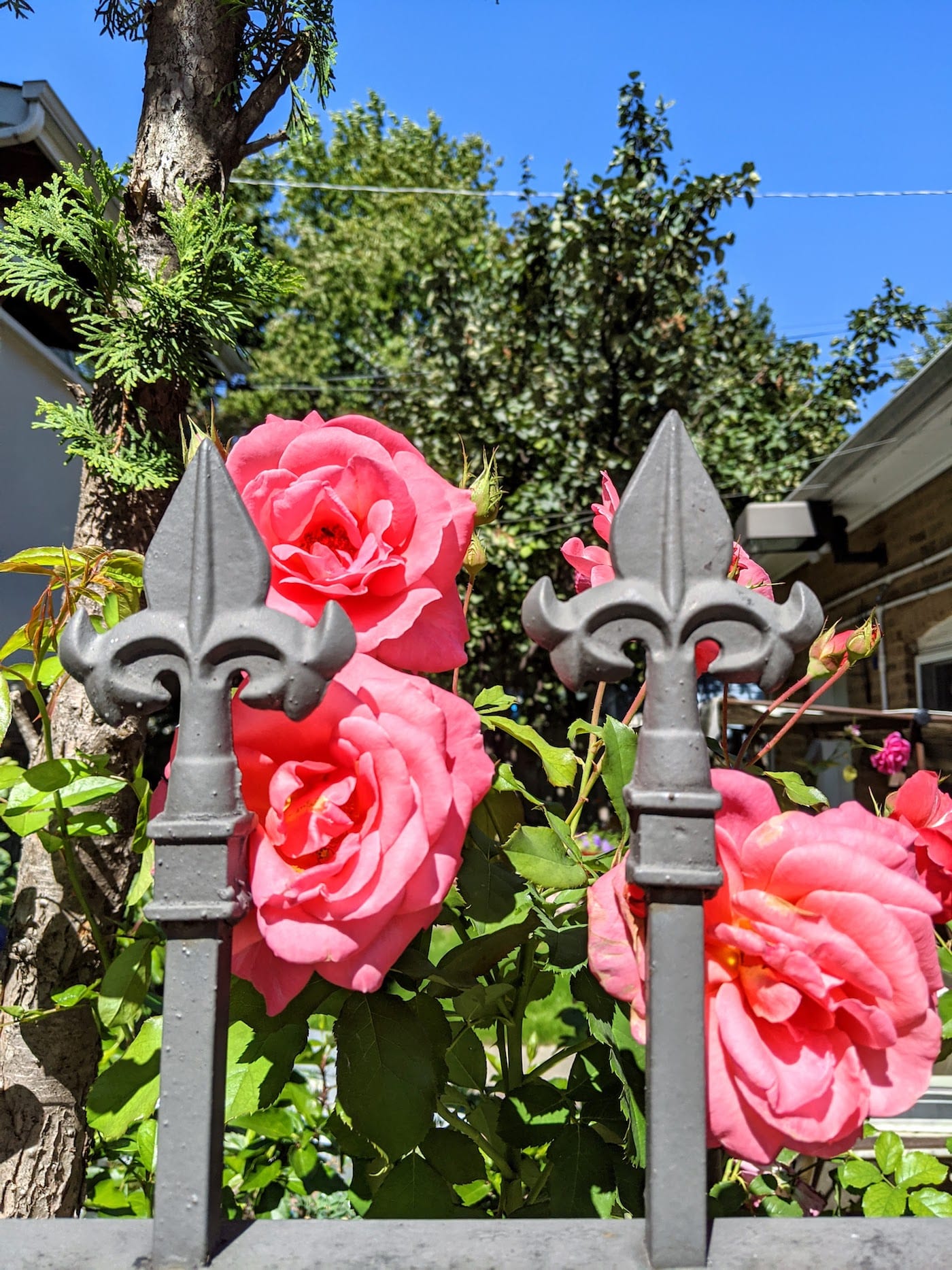
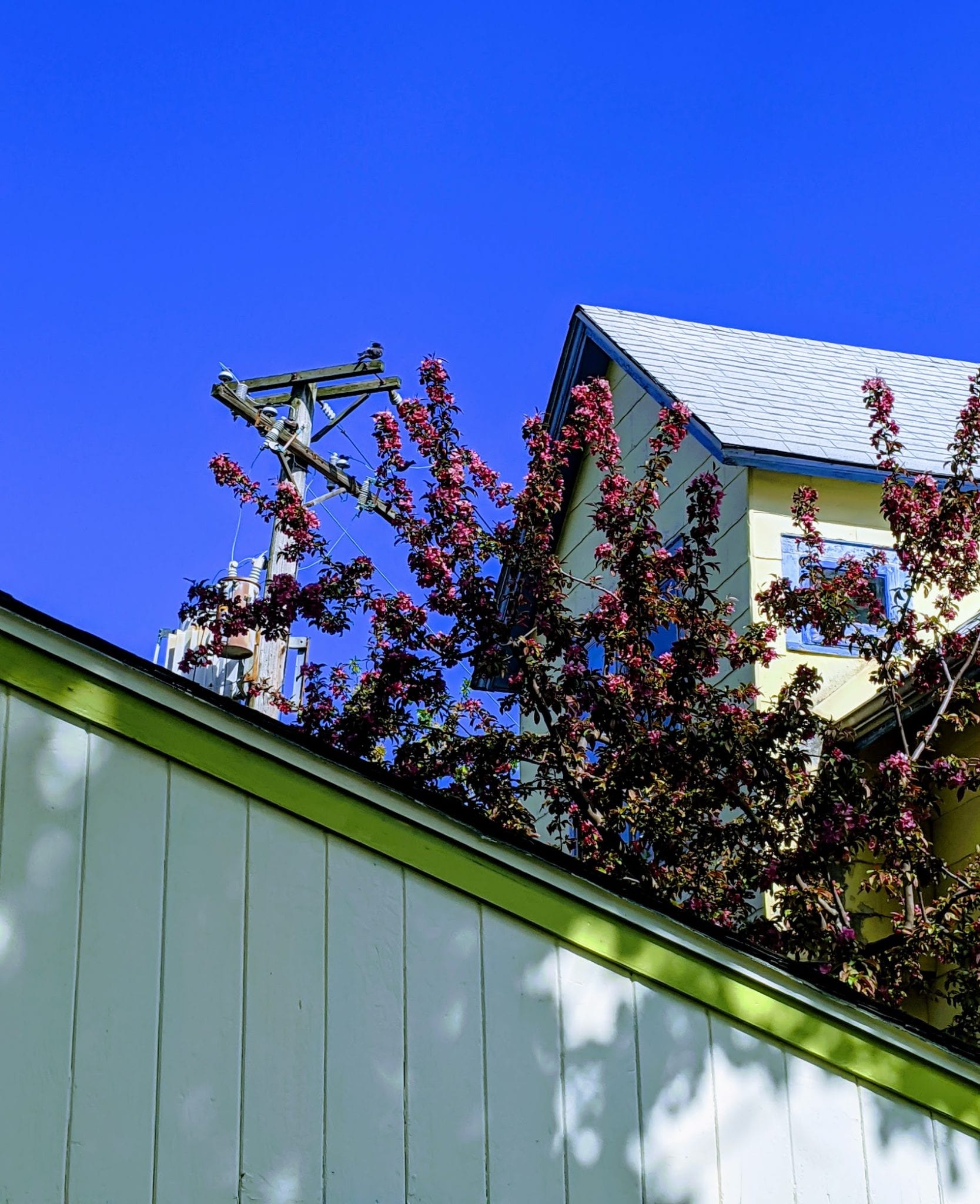
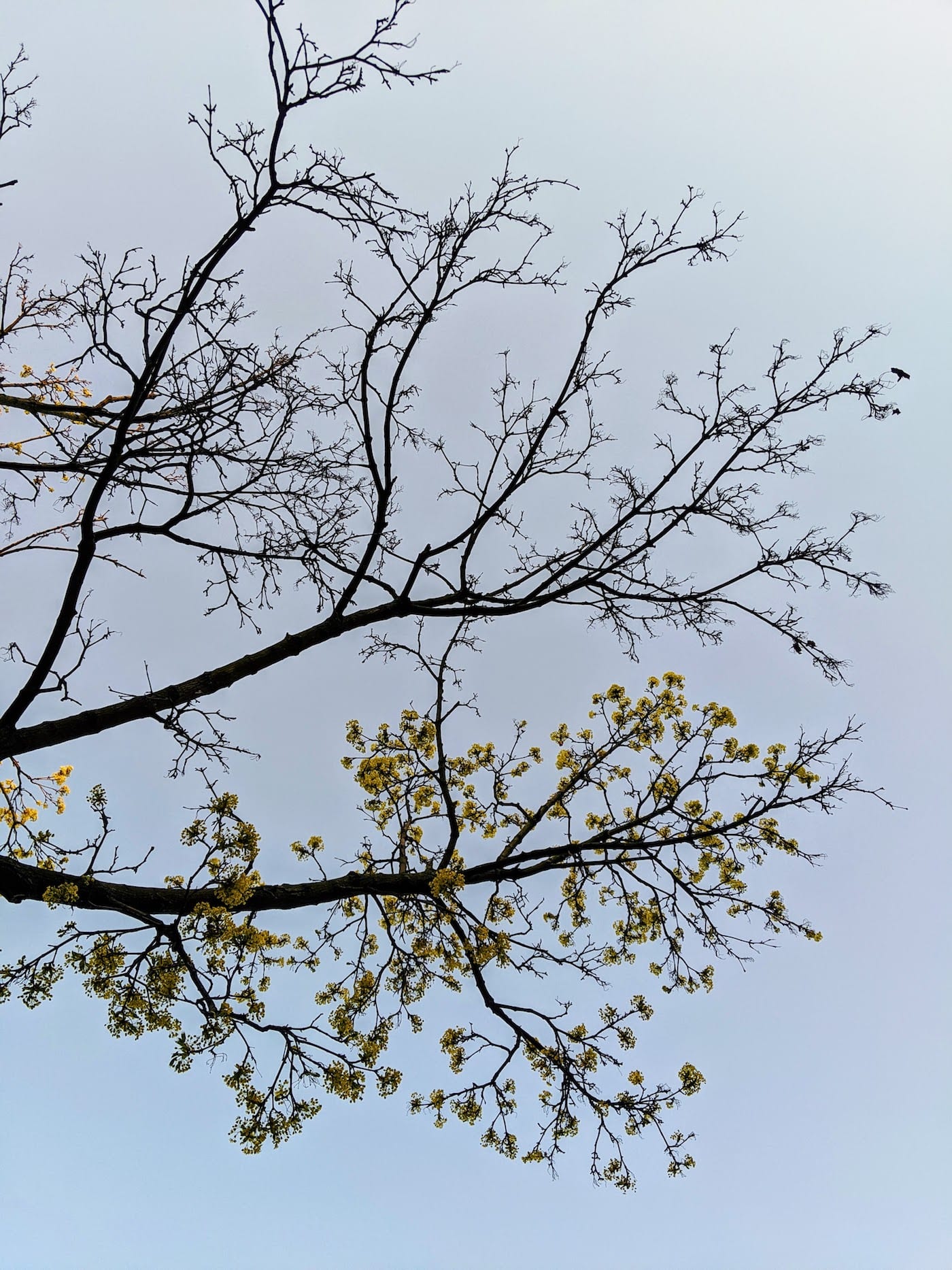
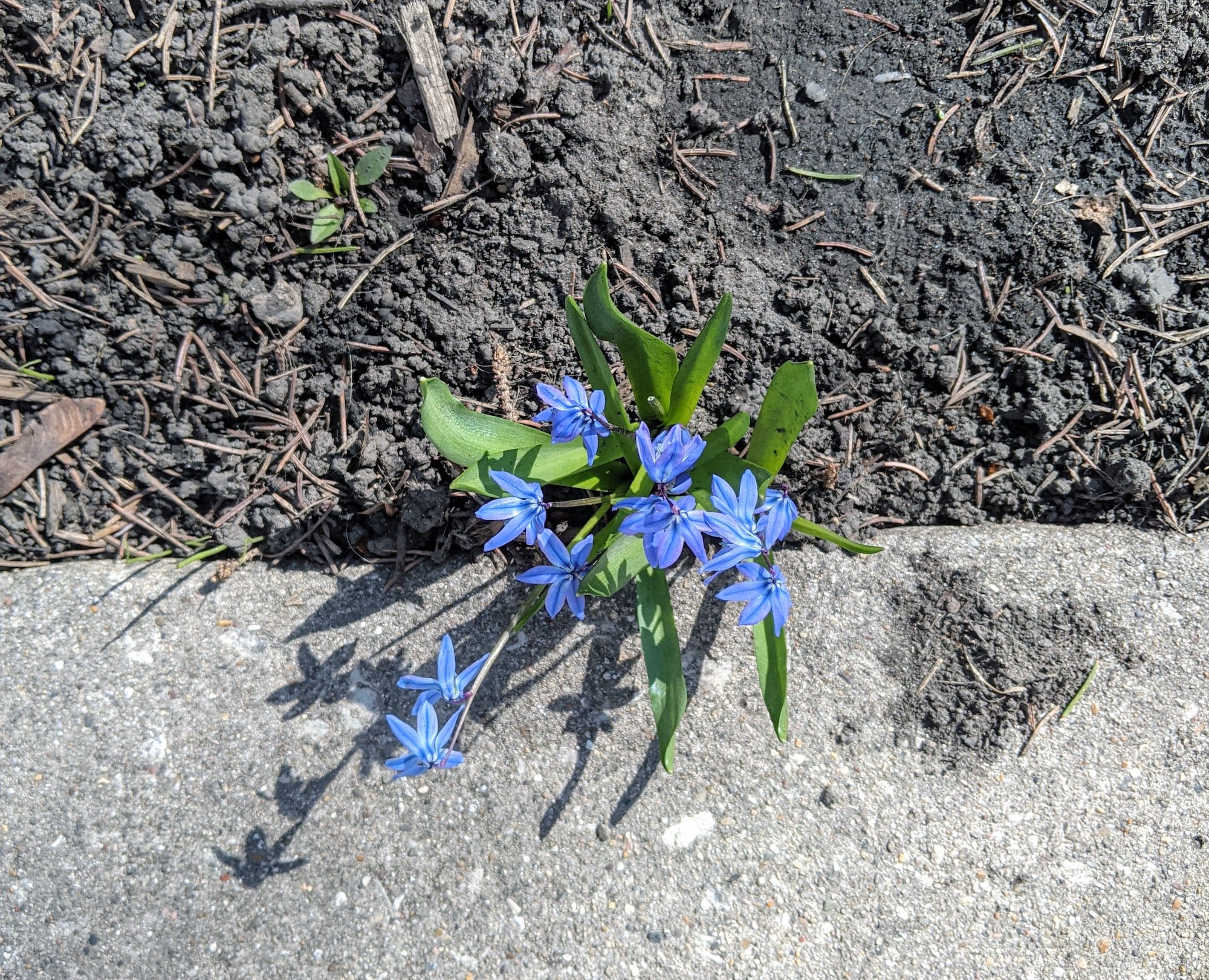
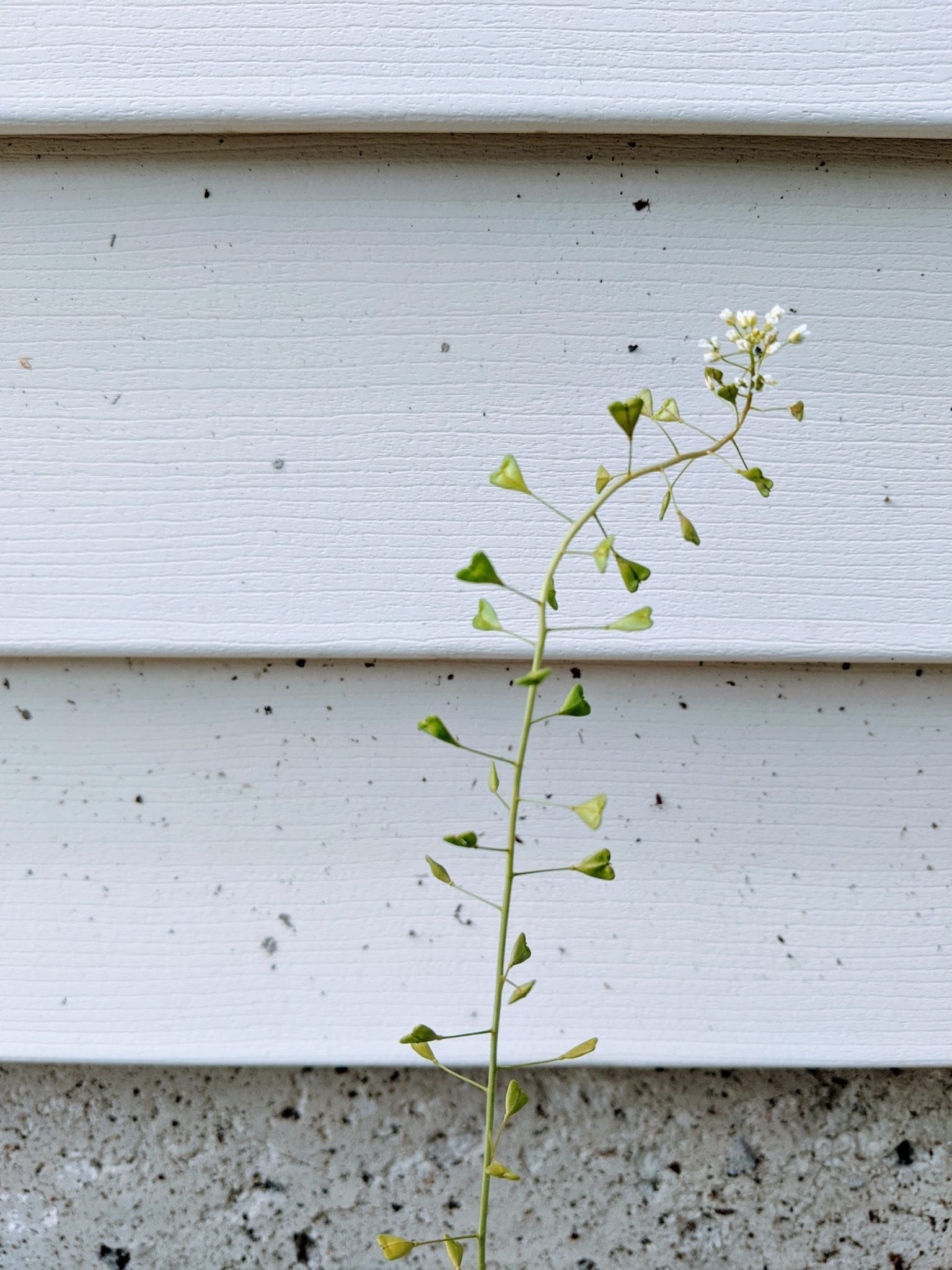
I’m one shot deep into full inoculation. On my calendar, April 19, two weeks after our second shot, is circled in red, the outline of a wound, the unceremonious ending of a dread-full chugging along. I feel… complicated about it? I’ll be able to go hang out. Visit my masked neighbors. Be out again with people and friends. That makes me so happy but I am also shy about making plans, anxious about over-committing, afraid of under-committing. I feel like I have atrophied to my desk chair and the monotony of quarantine has emptied me, a hollowed tree trunk on its side. I have been growing behind a fence, having a conversation with myself in a gated space. And I feel trepidation about what to do once it is gone.